Bloating Menstrual: What Is Normal, What Is Not, and When to Seek Care

Mild to moderate bloating before or during a period is common and is usually caused by hormone-related fluid retention and changes in digestion. Menstrual bloating typically improves within a few days after bleeding starts or by the end of the period.
Key Takeaways
- Mild to moderate bloating before or during a period is common and is usually caused by hormone-related fluid retention and changes in digestion.
- Menstrual bloating typically improves within a few days after bleeding starts or by the end of the period.
- Bloating is less likely to be normal if it is new, very painful, persistent, rapidly worsening, or associated with symptoms such as heavy bleeding, fever, vomiting, or weight loss.
- Tracking timing, severity, bowel changes, and pelvic symptoms can help a doctor identify whether the cause is menstrual, digestive, or gynecologic.
- Treatment depends on the cause and may include lifestyle measures, symptom relief, hormonal treatment, or care for conditions such as fibroids or endometriosis.
Bloating menstrual symptoms are common and are often linked to normal hormone shifts before or during a period. However, bloating that is severe, persistent, one-sided, or paired with concerning symptoms may point to a digestive, hormonal, or gynecologic condition that deserves medical attention.
Overview: Is menstrual bloating normal?
Bloating menstrual symptoms are often normal. Many people notice a feeling of fullness, puffiness, tighter clothing, or mild abdominal swelling in the days before a period and sometimes during the first days of bleeding. In most cases, this happens because hormone changes affect fluid balance, bowel activity, and the way the body responds to salt and stress.
What matters most is the pattern. Bloating that appears predictably around the menstrual cycle, feels mild to moderate, and settles soon after the period begins or ends is usually part of normal premenstrual symptoms. It may come with breast tenderness, mood changes, food cravings, constipation, or mild cramping.
Bloating is less likely to be “just period-related” when it continues throughout the month, becomes progressively worse, causes significant pain, or is accompanied by unusual bleeding, vomiting, fever, or changes in appetite and weight. In those situations, a medical assessment can help identify whether there is a digestive or gynecologic reason behind the symptom.
What menstrual bloating feels like
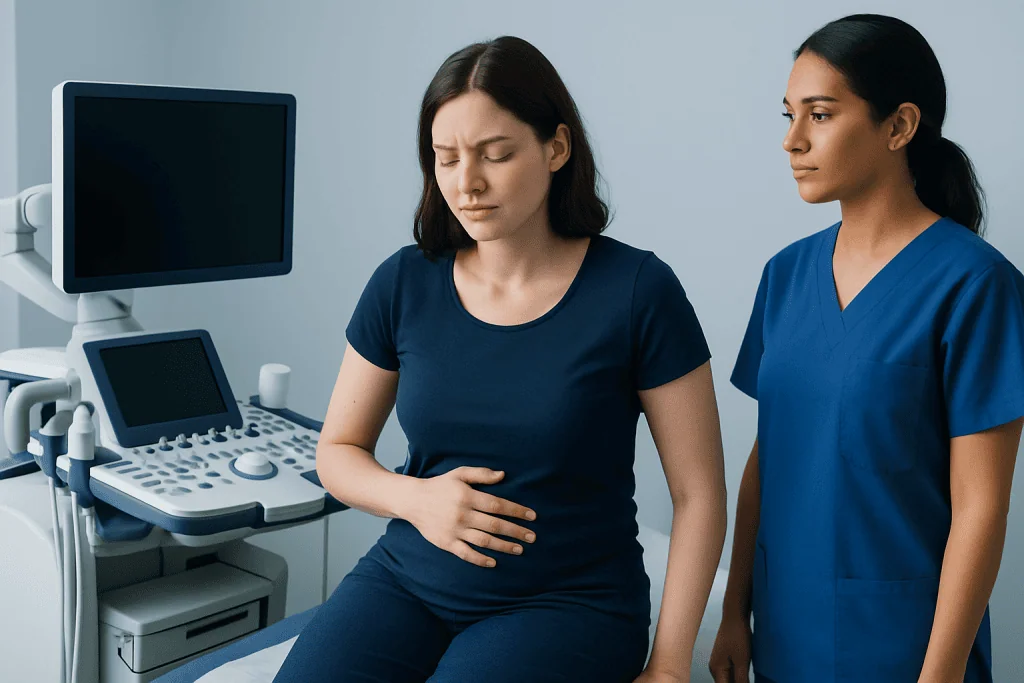
People describe menstrual bloating in different ways. Some feel generally swollen or heavier. Others notice abdominal pressure, increased gas, constipation, or the sense that the lower abdomen is more distended than usual. The symptom may begin a few days before menstruation, peak just before bleeding starts, and then improve over the next few days.
Normal menstrual bloating is usually temporary and follows a familiar monthly rhythm. It may fluctuate from cycle to cycle and can feel stronger during times of stress, poor sleep, dietary changes, or less physical activity. It also commonly overlaps with bowel symptoms because hormones can affect intestinal movement.
It helps to distinguish bloating from other sensations. Bloating is a feeling of fullness or tightness, sometimes with visible swelling. In contrast, severe localized pelvic pain, a hard abdominal mass, or one-sided pain should not automatically be assumed to be menstrual bloating and should be evaluated more carefully.
- Common features of typical menstrual bloating include timing around the period, mild abdominal fullness, temporary weight fluctuation, and improvement after the period starts or finishes.
- Less typical features include bloating every day, sudden severe swelling, marked pain, pain during sex, or symptoms that interfere with daily life each month.
Why it happens: hormones, digestion, and fluid balance

The main reason menstrual bloating happens is changing hormone levels across the cycle. Estrogen and progesterone can influence how the body handles fluids, how quickly the intestines move, and how sensitive the digestive tract feels. As a result, some people retain more water, develop constipation, or feel more aware of gas and pressure before menstruation.
Prostaglandins, which are hormone-like substances released around menstruation, may also play a role. They help the uterus contract, but they can affect the bowels too. This is one reason some people alternate between constipation, loose stools, cramping, and bloating during their period.
Lifestyle factors can make menstrual bloating more noticeable. High-salt meals, carbonated drinks, low physical activity, inadequate sleep, and stress may increase water retention or digestive discomfort. Certain foods may also trigger more gas in people who are sensitive to them, even if the underlying pattern is related to the menstrual cycle.
Sometimes the symptom is menstrual in timing but not purely hormonal in cause. Conditions such as irritable bowel syndrome, food intolerance, uterine fibroids, or endometriosis can become more noticeable around a period and may be mistaken for routine bloating.
What is not normal: signs that suggest another condition
Although period-related bloating is common, it should still fit a recognizable pattern. If abdominal swelling is persistent, progressively worsening, or unrelated to the menstrual cycle, another explanation may need to be considered. Digestive causes can include constipation, irritable bowel syndrome, inflammatory bowel conditions, or food intolerance. Gynecologic causes may include ovarian cysts, fibroids, adenomyosis, or endometriosis.
Bloating that comes with heavy or prolonged periods, severe cramps, pain during sex, infertility concerns, or a feeling of pelvic pressure can suggest a gynecologic condition rather than ordinary premenstrual change. For example, uterine fibroids may cause pressure, urinary frequency, and heavier bleeding, while endometriosis may cause significant pain and bowel symptoms around menstruation.
Doctors also pay attention to general health symptoms. Appetite loss, unexplained weight loss, fever, blood in the stool, repeated vomiting, or a rapid increase in abdominal size are not typical features of normal menstrual bloating. These symptoms do not necessarily mean a serious illness, but they do deserve prompt assessment.
- Possible clues that bloating is not normal include bloating that lasts most days of the month, severe or worsening pain, visible abdominal enlargement, and symptoms that newly start later in life.
- Other concerning signs are very heavy bleeding, bleeding between periods, fainting, persistent constipation, urinary symptoms, or a positive pregnancy test with pain.
How doctors evaluate bloating linked to the menstrual cycle
Evaluation begins with the story of the symptom. A doctor will usually ask when bloating starts, how long it lasts, whether it is tied to ovulation or menstruation, and what other symptoms happen at the same time. Menstrual history, bowel habits, diet, medication use, and pregnancy possibility are all important parts of the assessment.
A physical examination may include abdominal and pelvic assessment, depending on the symptoms. In many cases, keeping a symptom diary for two or three cycles is very helpful. Tracking bloating, bleeding, pain, bowel changes, and foods can make patterns clearer and guide the next steps.
Testing is based on what the doctor suspects. Blood tests may be used to check for anemia, inflammation, or hormonal and pregnancy-related issues. A pelvic ultrasound can help look for fibroids, ovarian cysts, or other structural causes. When needed, a clinician may also recommend digestive evaluation or more specialized gynecologic assessment. In some cases, imaging or procedures used in MRI scanning or ultrasound evaluation can support a more precise diagnosis.
Treatment options and symptom relief
Treatment depends on whether the bloating is part of expected menstrual changes or linked to another condition. If symptoms are mild and clearly tied to the cycle, simple symptom-management measures are often enough. These may include regular movement, hydration, reducing very salty foods, managing constipation, and planning around foods that worsen gas.
Some people benefit from discussing hormonal options with a doctor, especially if bloating occurs together with troublesome cramps, mood symptoms, or heavy periods. A clinician may also consider treatment aimed at a specific underlying cause. For example, care for uterine fibroids or suspected endometriosis may reduce both bloating and other pelvic symptoms.
If a structural gynecologic cause is identified, treatment can range from medication and monitoring to procedures or surgery, depending on symptoms, age, fertility plans, and overall health. In selected cases, options may include hysteroscopy for evaluation or treatment inside the uterus, or laparoscopy when a minimally invasive approach is appropriate.
Near the end of the diagnostic process, specialist input can be useful when symptoms are complex or persistent. Acibadem International’s multidisciplinary specialists and JCI-accredited hospitals evaluate menstrual and pelvic symptoms for international patients and can coordinate gynecology, imaging, and related care when needed.
Self-care strategies that may help each month
Home care is most helpful when the pattern is clearly menstrual and there are no warning signs. Gentle exercise, walking, and stretching may support bowel movement and reduce the sensation of fullness. Drinking enough water can also help, especially when bloating is linked to constipation or a salty diet.
Eating smaller meals, limiting highly salty packaged foods, and noticing whether carbonated drinks or gas-forming foods worsen symptoms may also be useful. Some people find that keeping meals balanced and regular helps more than making major dietary restrictions. Stress management and adequate sleep can matter as well, since both stress and fatigue can make bloating feel more intense.
A symptom tracker can be one of the most practical tools. Recording cycle days, bloating severity, bowel patterns, pain, and bleeding can help identify whether bloating is predictable and hormone-related or whether it is becoming more frequent, severe, or unrelated to menstruation.
When to seek medical care
Medical care is appropriate if bloating is severe, new, or no longer follows a usual menstrual pattern. It is also wise to seek assessment if the symptom interferes with work, sleep, exercise, or daily activities, or if over-the-counter self-care measures do not help.
Prompt medical attention is especially important when bloating occurs with severe pelvic or abdominal pain, fainting, fever, repeated vomiting, a positive pregnancy test, heavy bleeding, or blood in the stool. These symptoms can have many causes, but they should not be self-diagnosed as routine menstrual bloating.
If bloating is present most days of the month, becomes more obvious over time, or is associated with weight loss, appetite change, urinary symptoms, or pain during sex, a doctor can help determine whether the cause is digestive, hormonal, or gynecologic. Early evaluation often makes treatment planning clearer and more effective.
Frequently asked questions
How long does menstrual bloating usually last?
For many people, menstrual bloating begins in the days before a period and improves within the first few days of bleeding or by the end of the period. The exact timing varies from person to person. If bloating continues well beyond the period or occurs most days of the month, it should be discussed with a doctor.
Can period bloating be severe even if nothing is wrong?
Some people do experience more intense bloating than others because bodies respond differently to hormonal shifts and digestive changes. However, severe symptoms that affect daily life every month should not simply be ignored. A medical review can help confirm whether the pattern is typical or whether another condition may be contributing.
Is menstrual bloating the same as weight gain?
Not necessarily. Menstrual bloating often reflects temporary fluid retention and changes in digestion rather than true body fat gain. Any small weight increase around the period usually settles as hormone levels shift and the body releases excess fluid.
What conditions can be mistaken for normal period bloating?
Several conditions can overlap with menstrual bloating, including constipation, irritable bowel syndrome, food intolerance, fibroids, ovarian cysts, and endometriosis. These may become more noticeable around menstruation and look similar at first. The timing, severity, and associated symptoms help doctors tell the difference.
Should bloating with heavy periods be checked?
Yes. Heavy bleeding together with bloating, pelvic pressure, or worsening cramps can suggest a gynecologic cause such as fibroids or adenomyosis. Although these conditions are often treatable, they should be properly assessed rather than assumed to be normal.
Can digestive symptoms worsen around a period?
Yes. Hormonal changes around menstruation can affect the bowels and may lead to constipation, loose stools, gas, and a feeling of fullness. This is common, but if bowel symptoms are persistent, severe, or associated with bleeding, medical advice is important.
References
- American College of Obstetricians and Gynecologists
- National Institute for Health and Care Excellence
- Office on Women's Health
- Mayo Clinic
- Cleveland Clinic
This article is for general information only and is not a substitute for professional medical advice. Please consult a qualified doctor about your individual situation.
Persistent digestive symptoms? Get evaluated in Turkey
JCI-accredited · board-certified surgeons · reply within 24h