Iliac: An Evidence-Based Guide for Patients

Iliac is an anatomical term linked to the pelvis, especially the ilium and nearby blood vessels. Iliac pain can come from bone, muscle, joints, nerves, digestive organs, urinary organs, or blood vessels.
Key Takeaways
- Iliac is an anatomical term linked to the pelvis, especially the ilium and nearby blood vessels.
- Iliac pain can come from bone, muscle, joints, nerves, digestive organs, urinary organs, or blood vessels.
- Diagnosis depends on the exact location of symptoms, physical examination, and sometimes imaging or blood tests.
- Treatment varies widely and may include rest, physical therapy, medicines, or care for an underlying condition.
- Urgent medical attention is important for sudden severe pain, weakness, numbness, fever, or signs of poor blood flow.
Iliac most often refers to structures related to the ilium, the broad upper part of the pelvic bone, or to nearby blood vessels such as the iliac arteries and veins. For patients, the term usually comes up when discussing pain near the hip or pelvis, imaging results, or vascular conditions affecting the lower abdomen and legs.
What does iliac mean?
Iliac is a medical term that describes something related to the ilium, which is the large, wing-shaped upper part of the pelvic bone. The word may also refer to nearby structures in the same region, including the iliac crest, sacroiliac joint, iliac arteries, iliac veins, muscles, nerves, and lymph nodes.
Patients often see the word iliac on X-rays, MRI reports, CT scans, or clinic notes. For example, a report may mention the iliac crest, an iliac artery, or pain in the right or left iliac fossa. In practical terms, this usually means the doctor is describing the lower abdomen, pelvis, or upper hip area.
Because several organs and tissues are located close together, iliac symptoms do not point to one single disease. Pain or discomfort in this region can come from the musculoskeletal system, blood vessels, the digestive tract, urinary tract, or reproductive organs. Understanding the term helps patients ask clearer questions and better follow their care plan.
Anatomy of the iliac region
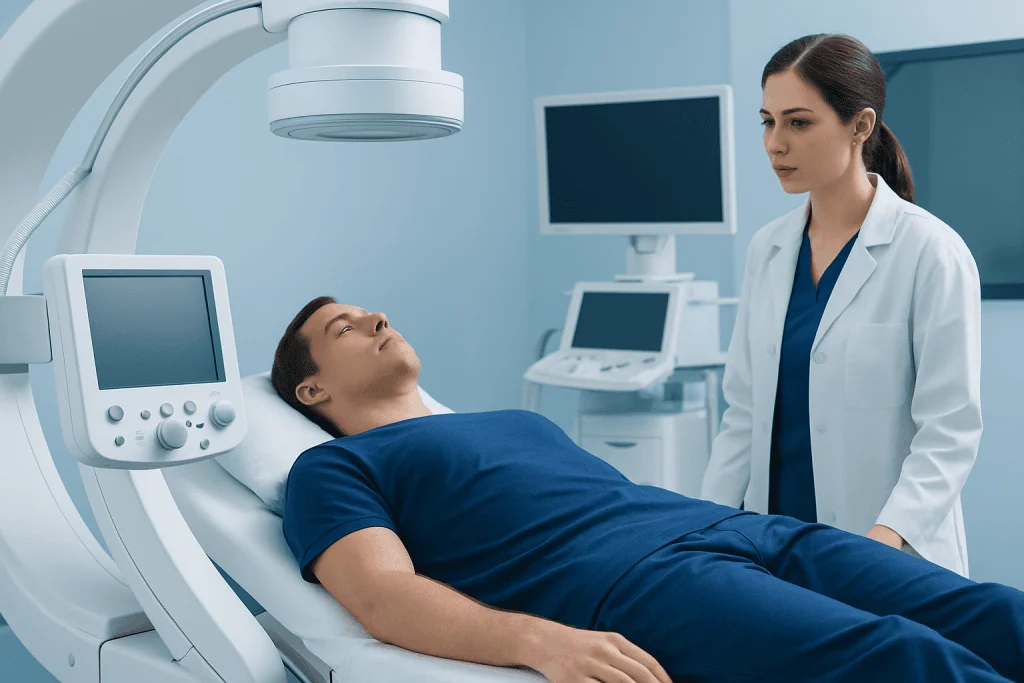
The iliac region includes both bony and soft-tissue structures. The ilium forms the upper part of each half of the pelvis. Along its top edge is the iliac crest, which many people can feel just above the hip. This area helps support posture and provides attachment points for muscles of the abdomen, back, and hips.
Behind the ilium sits the sacrum, and together they form the sacroiliac joint. This joint helps transfer weight between the spine and the legs. Muscles, tendons, ligaments, and nerves around this joint may cause pain that is felt in the buttock, lower back, groin, or outer hip.
The region also contains important blood vessels. The aorta divides into the common iliac arteries, which then supply blood to the pelvis and legs. Iliac veins return blood toward the heart. Problems involving these vessels may affect circulation and can sometimes require specialist evaluation, including vascular surgery.
Doctors may also refer to the right and left iliac fossae when discussing the lower abdomen. The right side may involve the appendix, while the left side may be discussed in relation to the lower colon. That is why the exact position of symptoms matters when interpreting iliac pain.
Common symptoms linked to iliac problems

Symptoms in the iliac area can vary widely depending on the structure involved. Some people describe a dull ache over the hip bone, while others notice sharp pain with walking, twisting, coughing, or standing from a seated position. Pain may stay local or spread to the groin, buttock, lower back, thigh, or lower abdomen.
Musculoskeletal causes often produce tenderness, stiffness, and pain that changes with movement. There may be difficulty exercising, climbing stairs, or sleeping on one side. If the sacroiliac joint or surrounding tissues are involved, discomfort may come and go and sometimes worsen after prolonged sitting or uneven weight-bearing.
Symptoms related to internal organs or blood vessels may feel different. Patients may notice cramping, abdominal discomfort, swelling, bowel changes, urinary symptoms, leg heaviness, or reduced exercise tolerance. Warning signs such as sudden severe pain, cold or pale leg skin, weakness, fever, or faintness need prompt medical assessment.
- Localized pain over the hip bone or pelvic edge
- Groin, buttock, thigh, or lower back pain
- Tenderness when pressing the area
- Stiffness or pain with walking, bending, or turning
- Swelling, numbness, or changes in leg color or temperature
- Abdominal symptoms such as nausea, bowel changes, or bloating
Causes and risk factors
One of the most common reasons for iliac pain is a musculoskeletal problem. Muscle strain, overuse, tendon irritation, bruising, poor posture, sports injuries, and sacroiliac joint dysfunction can all affect this region. These causes are more likely after sudden activity, repetitive exercise, prolonged sitting, pregnancy, or lifting.
Bone and joint conditions may also play a role. Arthritis, stress fractures, inflammation where tendons attach to bone, and referred pain from the lumbar spine can all create symptoms around the iliac crest or pelvis. In some cases, hip disease can be felt higher in the pelvic area rather than directly in the groin.
Digestive, urinary, and gynecologic conditions can cause pain in the right or left iliac area. These include appendicitis, constipation, inflammatory bowel disease, kidney stones, urinary infection, ovarian cysts, and other pelvic conditions. Depending on the person and the symptom pattern, doctors may also consider appendicitis or kidney stones in the differential diagnosis.
Less commonly, the problem involves the blood vessels. Iliac artery narrowing, aneurysm, clotting, or venous compression may lead to leg pain, swelling, or circulation changes. Risk factors for vascular causes include smoking, diabetes, high blood pressure, high cholesterol, older age, and a history of vascular disease such as peripheral artery disease.
How doctors diagnose iliac pain or iliac findings
Diagnosis begins with a detailed history. A doctor usually asks where the pain is felt, whether it is on the right or left side, when it started, what makes it better or worse, and whether there are other symptoms such as fever, bowel changes, numbness, or leg swelling. Recent exercise, injury, travel, infection, and medical history are also important.
The physical examination helps narrow the cause. The clinician may check posture, gait, range of motion, tenderness, abdominal findings, and nerve function. They may also examine the hip, lower back, and sacroiliac joint because pain in one area can be referred from another nearby structure.
Tests are selected according to the suspected cause. X-rays can show bone injury or arthritis. Ultrasound may help assess soft tissues, pelvic organs, or blood flow. CT and MRI give more detail when looking for abdominal, pelvic, spinal, or musculoskeletal problems. Blood and urine tests may be used to look for infection, inflammation, anemia, or urinary causes.
If reduced circulation is suspected, doctors may order vascular imaging such as Doppler ultrasound or CT angiography. When symptoms point to joint or spine causes, they may recommend rehabilitation or specialist evaluation, and some patients benefit from structured physical therapy and rehabilitation as part of assessment and recovery.
Treatment options depend on the cause
There is no single treatment for iliac pain because the term describes a region rather than one disease. For simple muscle strain or overuse, treatment often includes temporary activity modification, gentle movement, ice or heat, and short-term pain relief as advised by a doctor. Many patients improve with time and targeted exercises.
When the cause involves the sacroiliac joint, hip mechanics, or core weakness, physical therapy may help improve movement patterns, flexibility, and strength. If symptoms are persistent, a clinician may consider further imaging, injections, or referral to orthopedics, sports medicine, pain medicine, or rehabilitation specialists. Some patients with severe hip-related symptoms may need assessment through services such as orthopedics and traumatology.
Treatment for abdominal, urinary, or gynecologic causes is different and focuses on the underlying condition. This may include antibiotics for certain infections, treatment for kidney stones, or urgent care for appendicitis. Self-treating ongoing iliac pain without a diagnosis is not recommended, especially if symptoms are new or worsening.
Vascular causes require prompt and tailored management. Depending on the diagnosis, care may involve medicines, clot prevention, monitoring, minimally invasive procedures, or surgery. The best approach depends on the location, severity, and effect on blood flow, and it should be planned by a qualified specialist.
Self-care and prevention
Prevention depends on the underlying risk. For musculoskeletal causes, gradual increases in activity, proper warm-up, balanced strength training, and attention to posture can reduce strain on the pelvis and lower back. Supportive footwear and avoiding sudden overload may also help during exercise or physically demanding work.
Core and hip strengthening can improve stability around the pelvis. Stretching tight muscles and taking regular movement breaks may be useful for people who sit for long periods. After an injury, returning to exercise too quickly can make symptoms last longer, so a gradual plan is usually safer.
General vascular health matters as well. Not smoking, staying active, maintaining a healthy blood pressure and cholesterol level, and managing diabetes can help protect the iliac arteries and overall circulation. Good hydration and timely treatment of infections or urinary symptoms may also reduce some non-musculoskeletal causes of pain in this region.
If symptoms recur, keeping a brief record of triggers, duration, and associated signs can be helpful at a medical visit. This often makes it easier for the doctor to identify patterns and choose appropriate tests.
When to seek medical care
Medical care is appropriate if iliac pain lasts more than a few days, keeps returning, limits walking or daily activity, or is associated with swelling, numbness, fever, urinary symptoms, or bowel changes. A doctor should also evaluate pain that follows a fall, sports injury, or heavy lifting, especially if movement becomes difficult.
Urgent care is important for sudden severe pain, fainting, vomiting, chest symptoms, new weakness, loss of bladder or bowel control, a cold or pale leg, or rapidly increasing swelling. These symptoms can signal a problem that needs prompt treatment rather than home care.
For international patients who need coordinated evaluation, Acibadem International’s multidisciplinary specialists and JCI-accredited hospitals diagnose and treat conditions affecting the iliac region, including musculoskeletal, abdominal, and vascular causes.
Frequently asked questions
Is iliac the same as hip?
Not exactly. Iliac usually refers to the ilium, which is part of the pelvis, or to nearby structures in that region. The hip joint is closely related anatomically, so people often use the terms interchangeably in everyday conversation.
Where is iliac pain felt?
Iliac pain is usually felt around the upper pelvic bone, lower abdomen, or side of the hip. Depending on the cause, it may also spread to the groin, buttock, lower back, or thigh.
Can iliac pain be caused by exercise?
Yes. Muscle strain, tendon irritation, overuse, and sacroiliac joint stress can all develop after running, twisting, lifting, or sudden increases in training. Pain that does not improve with rest or that is severe should be assessed by a clinician.
What is the iliac crest?
The iliac crest is the curved top border of the ilium, the broad upper part of the pelvic bone. It is the bony ridge many people can feel above the waistline on each side.
Are iliac arteries important?
Yes. The iliac arteries carry blood from the aorta to the pelvis and legs. Problems affecting these arteries can reduce blood flow and may cause pain, weakness, or circulation changes in the lower body.
When should someone worry about iliac pain?
Concern is higher if the pain is sudden, very severe, or linked with fever, vomiting, swelling, numbness, weakness, or changes in leg color or temperature. Ongoing or unexplained iliac pain should also be evaluated, especially if it interferes with normal activity.
This article is for general information only and is not a substitute for professional medical advice. Please consult a qualified doctor about your individual situation.
Explore treatments in Turkey — costs, top hospitals & a free quote
JCI-accredited · board-certified surgeons · reply within 24h
Add us as a Preferred Source to see more of our trusted health content across Google Search, AI Overviews and Discover.

More from the Health Library

Asa Medical Abbreviation — Explained by Medical Evidence, Not Myths

Low Maintenance Plants: A Complete Medical Overview

Oil Hydrogenated: A Complete Medical Overview

Stefanie Pinello: What Patients Need to Know

Cgrp Inhibitors: An Evidence-Based Guide for Patients