Leg Compression Machine: What Patients Need to Know
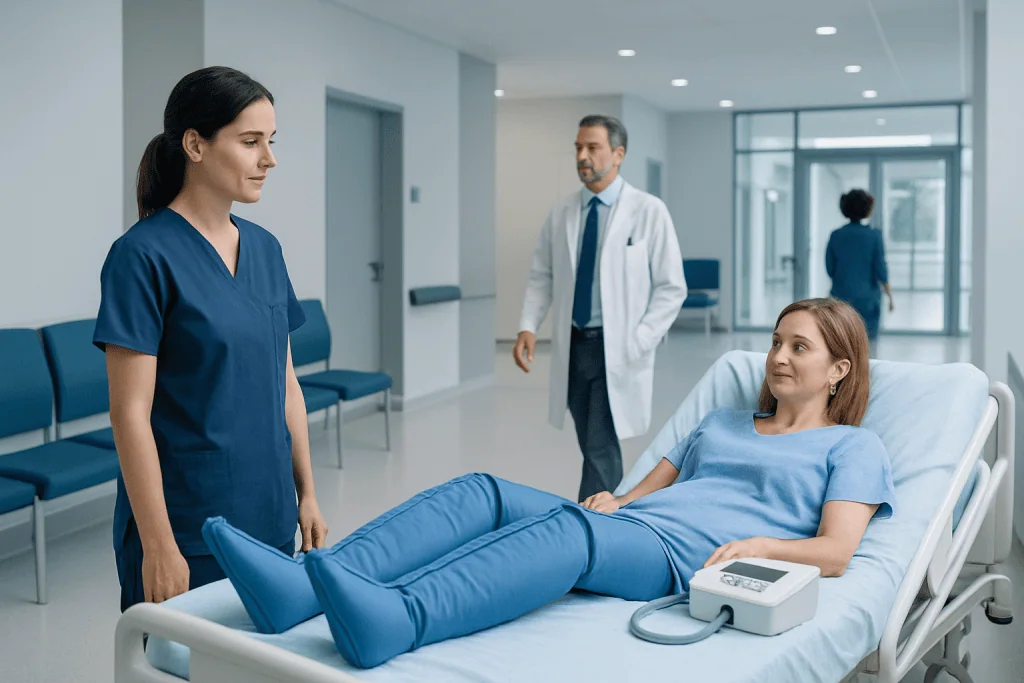
A leg compression machine uses air-filled sleeves or boots to apply rhythmic pressure to the legs. It may be used for swelling, poor circulation, clot prevention after surgery, or recovery support under medical guidance.
Key Takeaways
- A leg compression machine uses air-filled sleeves or boots to apply rhythmic pressure to the legs.
- It may be used for swelling, poor circulation, clot prevention after surgery, or recovery support under medical guidance.
- It is not suitable for everyone, especially people with certain artery, heart, skin, or clot-related conditions.
- The best device and treatment schedule depend on the patient’s diagnosis, symptoms, and overall vascular health.
- New or one-sided leg swelling, chest pain, or shortness of breath need prompt medical evaluation before using compression therapy.
A leg compression machine is a device that gently squeezes the legs in cycles to support blood flow and lymphatic drainage. It may help with swelling, recovery, or clot prevention in selected patients, but safe use depends on the person’s medical condition and the reason it is being used.
What is a leg compression machine?
A leg compression machine is a medical or wellness device that uses inflatable sleeves, wraps, or boots to apply pressure to the legs in repeated cycles. This type of therapy is often called intermittent pneumatic compression. The pressure is designed to move fluid upward, support circulation, and reduce pooling of blood or lymph in the lower limbs.
Patients may see these machines in hospitals, rehabilitation settings, sports recovery clinics, and sometimes at home. In medical care, they are commonly used after surgery, during reduced mobility, or as part of treatment for swelling disorders. Home-use devices are also available, but they are safest when chosen with professional advice rather than self-prescribed.
A leg compression machine is different from compression stockings. Stockings provide steady, continuous pressure throughout the day, while a machine provides rhythmic squeezing and release. Depending on the problem being treated, a doctor may recommend one, the other, or both together.
How a leg compression machine works
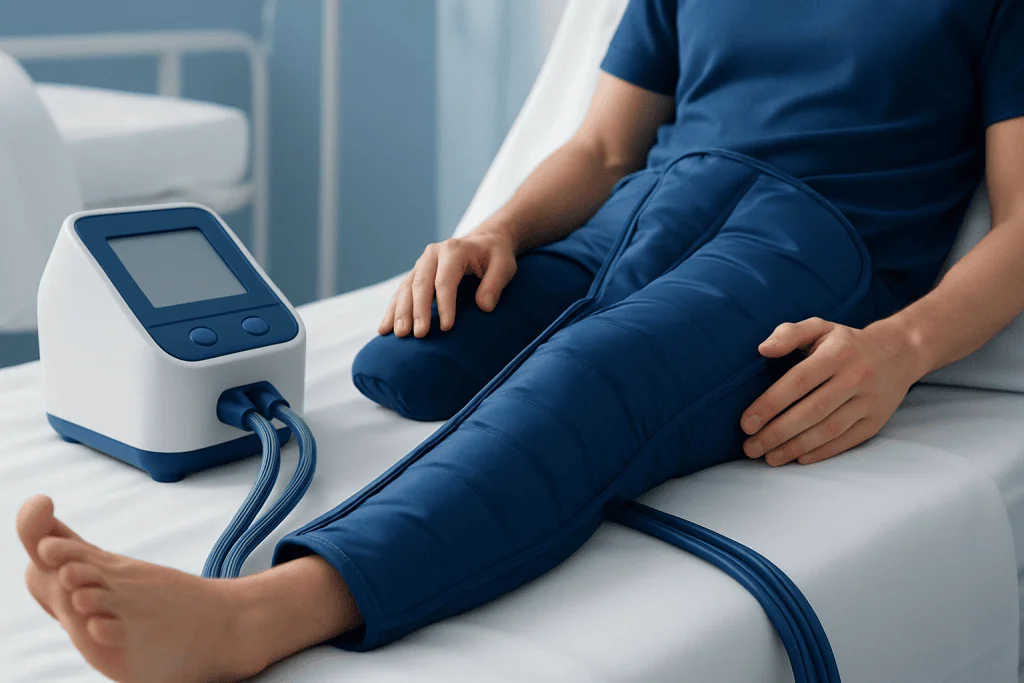
The device connects to a pump that fills chambers inside the sleeve with air. These chambers inflate and deflate in a set pattern, usually starting lower on the leg and moving upward. This sequence helps push blood and tissue fluid toward the body, which can reduce fluid buildup and encourage healthier circulation.
For some patients, this effect can lower the risk of venous blood pooling and improve comfort in tired, heavy, or swollen legs. In hospital settings, compression devices are often part of prevention plans for deep vein thrombosis, especially when a person is lying in bed or moving less after an operation.
Not all machines are the same. Some cover only the calf, while others extend to the thigh or foot. Pressure levels, cycle length, and chamber design can vary, so the best choice depends on whether the goal is post-surgical clot prevention, lymphatic drainage, symptom relief, or support for a condition such as varicose veins.
Who may benefit from one
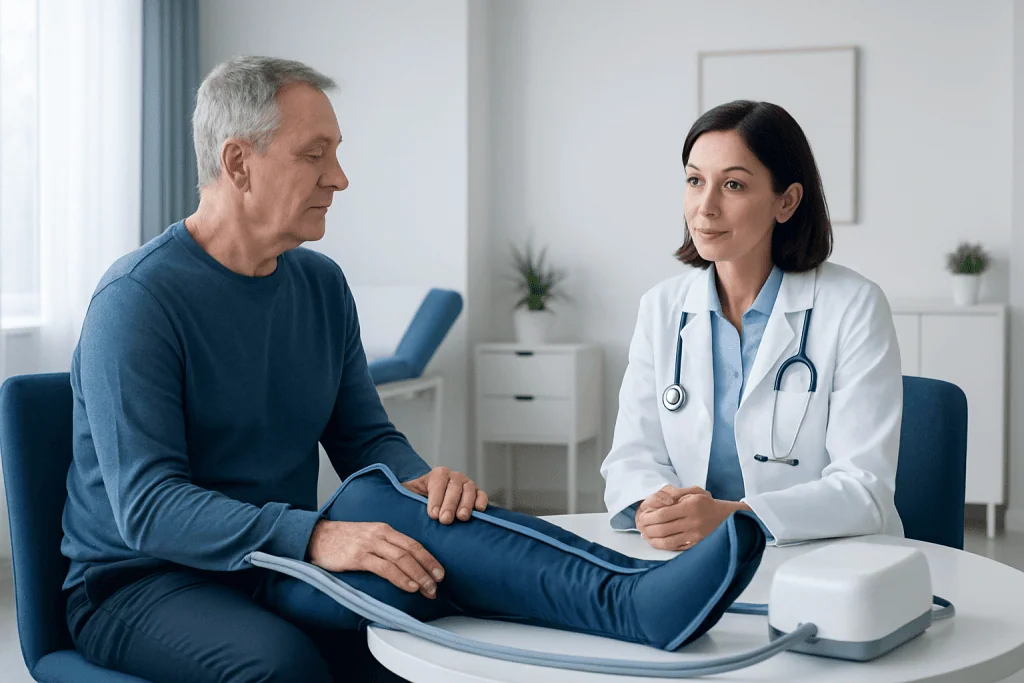
A leg compression machine may be helpful for people with leg swelling related to immobility, venous insufficiency, or lymphatic problems. It can also support recovery after some surgeries by improving venous return when walking is limited. In these situations, the machine is usually one part of a broader plan that may include movement, leg elevation, hydration, and other compression methods.
Some people with chronic venous symptoms experience heaviness, aching, or swelling at the end of the day. Others may have persistent fluid buildup due to lymphedema. In carefully selected cases, intermittent compression can be used alongside specialist care for lymphedema and may complement treatments such as lymphatic drainage massage when recommended by a clinician.
Compression machines are also used in certain rehabilitation and sports settings. However, recovery-focused use should not be confused with medical treatment. If someone has unexplained swelling, pain, skin changes, numbness, or a known vascular disorder, a medical assessment is more important than starting a device on their own.
- Post-surgical or hospital-based clot prevention
- Swelling related to reduced mobility
- Chronic venous insufficiency symptoms
- Lymphedema management under specialist guidance
- Selected rehabilitation or recovery plans
Risks, side effects, and who should avoid it
Although a leg compression machine is often well tolerated, it is not appropriate for every patient. In some conditions, increasing external pressure on the legs may worsen symptoms or delay urgent treatment. This is why underlying circulation problems should be identified before regular use, especially if symptoms are new or affect only one leg.
People with suspected or untreated deep vein thrombosis should not begin compression therapy without medical advice. A machine may also be unsuitable for those with severe peripheral artery disease, certain forms of heart failure, active skin infection, fragile skin, open wounds that are not being managed properly, or significant leg pain of unclear cause. Patients with numbness or reduced sensation may not feel excessive pressure or skin irritation.
Possible side effects include discomfort, warmth, skin marks, irritation, or temporary tingling. A poorly fitted sleeve can bunch up and create pressure points. If symptoms worsen during use, or if the leg becomes more painful, pale, blue, cold, or increasingly swollen, the device should be stopped and medical guidance sought.
How doctors decide if it is right for a patient
The decision to use a leg compression machine usually begins with a clear diagnosis. A doctor will ask about swelling, pain, heaviness, skin changes, past blood clots, surgeries, mobility, and medical conditions affecting the heart, arteries, veins, or lymphatic system. The pattern of symptoms matters: for example, sudden one-sided swelling raises different concerns than long-standing swelling in both legs.
The examination may include checking pulses, skin temperature, color changes, tenderness, and signs of venous or lymphatic disease. Some patients need imaging or vascular testing before compression therapy is recommended. When a blood clot is suspected, doctors may use ultrasound evaluation, and in selected cases they may assess for venous Doppler ultrasound to clarify how the veins are functioning.
If the swelling is related to a more complex vascular issue, referral to a specialist may be appropriate. Management can include lifestyle changes, medical treatment, compression garments, supervised machine use, or procedures such as varicose vein treatment when the underlying cause is venous disease.
Using a leg compression machine safely
Safe use starts with the correct size, pressure range, and treatment duration. Patients should follow the instructions provided by their clinician or the device manufacturer and should not increase intensity simply to try to get faster results. The legs and skin should be checked regularly, especially in older adults and in anyone with diabetes or reduced sensation.
It is generally helpful to use the machine on clean, dry skin and to position the sleeves smoothly without folds. Patients should remain alert to discomfort, numbness, burning, or skin redness that does not fade. The machine should never cause significant pain. Walking and gentle movement remain important because no device fully replaces the benefits of regular muscle activity.
For people using the device at home, follow-up matters. A clinician may review whether swelling is improving, whether stockings or elevation are still needed, and whether symptoms suggest another diagnosis. Near the end of the care pathway, patients may also seek support from multidisciplinary teams; Acibadem International’s specialists in JCI-accredited hospitals diagnose and treat circulation and swelling-related conditions for international patients.
Self-care and when to seek medical care
Compression therapy works best as part of a broader self-care plan. Helpful measures may include regular walking, ankle movements during travel, avoiding long periods of sitting, elevating the legs when appropriate, maintaining a healthy body weight, and following treatment for underlying medical conditions. If a doctor recommends compression stockings, they should be worn as directed rather than substituted with a machine unless advised.
Patients should seek medical care before using a leg compression machine if they have new swelling, one leg that is more swollen than the other, skin ulcers, severe pain, or a history of blood clots. Prompt evaluation is also important for calf tenderness, redness, fever, or sudden changes after surgery or prolonged travel. These symptoms do not always mean a serious condition, but they should be assessed.
Emergency care is needed for chest pain, shortness of breath, fainting, or sudden severe leg symptoms. These warning signs can point to urgent circulation or clot-related problems. A leg compression machine may be helpful in the right setting, but it should not replace diagnosis when symptoms are unexplained.
Frequently asked questions
What does a leg compression machine do?
A leg compression machine applies controlled, repeating pressure to the legs through inflatable sleeves or boots. This can help move blood and fluid upward, which may reduce swelling and support circulation.
Is a leg compression machine the same as compression stockings?
No. Compression stockings provide steady pressure all day, while a machine squeezes and releases in cycles. Depending on the condition, a doctor may recommend one or both.
Can a leg compression machine help swollen legs?
It may help some causes of swollen legs, especially when swelling is related to poor venous return, immobility, or lymphatic problems. However, swelling can also be caused by blood clots, heart issues, kidney problems, or infection, so the cause should be understood first.
Who should not use a leg compression machine?
People with suspected deep vein thrombosis, severe peripheral artery disease, certain heart conditions, or active skin infections may need to avoid it. Anyone with unexplained leg pain or sudden one-sided swelling should get medical advice before use.
Can a leg compression machine prevent blood clots?
In hospitals and after some surgeries, intermittent pneumatic compression devices are used to help reduce clot risk when mobility is limited. They are usually part of a wider prevention plan, which may also include walking and other medical measures.
Is it safe to use a leg compression machine every day?
Some patients do use these devices regularly, but the schedule should match the medical reason for treatment. Daily use is safest when a clinician has confirmed the diagnosis, checked for contraindications, and advised how often to use it.
References
- National Heart, Lung, and Blood Institute
- Centers for Disease Control and Prevention
- National Institute for Health and Care Excellence
- Society for Vascular Surgery
- International Society of Lymphology
This article is for general information only and is not a substitute for professional medical advice. Please consult a qualified doctor about your individual situation.
Explore treatments in Turkey — costs, top hospitals & a free quote
JCI-accredited · board-certified surgeons · reply within 24h