Donate Bone Marrow Transplant: Benefits, Risks, and Recovery — A Complete Guide

Bone marrow donation helps replace unhealthy blood-forming cells in people with serious blood disorders and some cancers. Most donations today are collected from the bloodstream, while some require marrow collection from the hip bone under anesthesia.
Key Takeaways
- Bone marrow donation helps replace unhealthy blood-forming cells in people with serious blood disorders and some cancers.
- Most donations today are collected from the bloodstream, while some require marrow collection from the hip bone under anesthesia.
- Donors are carefully screened to protect both the donor and the patient receiving the transplant.
- Recovery is usually temporary and varies by donation method, with soreness or fatigue improving over days to weeks.
- Risks are generally short term, but donors should understand anesthesia, pain, and medication-related side effects before proceeding.
Donate bone marrow transplant usually refers to donating healthy blood-forming stem cells for a patient who needs a stem cell transplant. Donation may involve collecting cells from the bloodstream or, less often, taking marrow from the pelvic bone, and most donors recover well with short-term follow-up.
Overview: what donating bone marrow transplant means
Donate bone marrow transplant refers to donating healthy blood-forming stem cells so they can be used in a stem cell transplant for someone with a serious blood disease, immune disorder, or certain cancers. Although many people say “bone marrow transplant,” the cells used for transplant may come either directly from the bone marrow or from the bloodstream after special medication helps move stem cells into the blood.
The goal is to replace diseased or damaged marrow with healthy stem cells that can grow into new blood cells. This may be part of treatment for conditions such as leukemia, lymphoma, aplastic anemia, and some inherited blood disorders. In many cases, a donor is needed because the patient’s own stem cells are not suitable.
Donation is a carefully planned medical process, not a casual blood test or routine blood donation. Donors go through tissue matching, health screening, and counseling so the transplant team can choose the safest and most effective option for both donor and recipient. For patients being evaluated for bone marrow transplantation, donor selection is a key step in planning treatment.
Who can donate and how matching works
Potential donors are usually healthy adults who meet age, weight, and medical eligibility criteria set by the transplant center or donor registry. A good general health history matters because donation should not place the donor at unnecessary risk. Certain chronic illnesses, recent infections, pregnancy, or some medications may affect eligibility, either temporarily or permanently.
Matching is based mainly on human leukocyte antigen, or HLA, markers. These are proteins on the surface of cells that help the immune system recognize what belongs in the body. A close HLA match lowers the risk that the recipient’s body will reject the donated cells or that the new immune cells will attack the recipient’s tissues, a complication called graft-versus-host disease.
Some donors are family members, especially siblings, while others are unrelated volunteers identified through donor registries. In some situations, a partially matched family member may be considered. The transplant team explains whether the donation is intended for a condition such as leukemia or another blood disorder, and what kind of match is needed.
- Health history review and physical examination
- Blood tests, including infectious disease screening
- HLA tissue typing
- Discussion of the donation method and short-term risks
How the donation process works step by step

Once a donor is identified as a likely match, the process usually begins with confirmatory testing. This includes repeat blood work, a detailed medical assessment, and informed consent. The donor meets clinicians who explain the procedure, expected side effects, and practical details such as timing, transportation, and time away from work or daily activities.
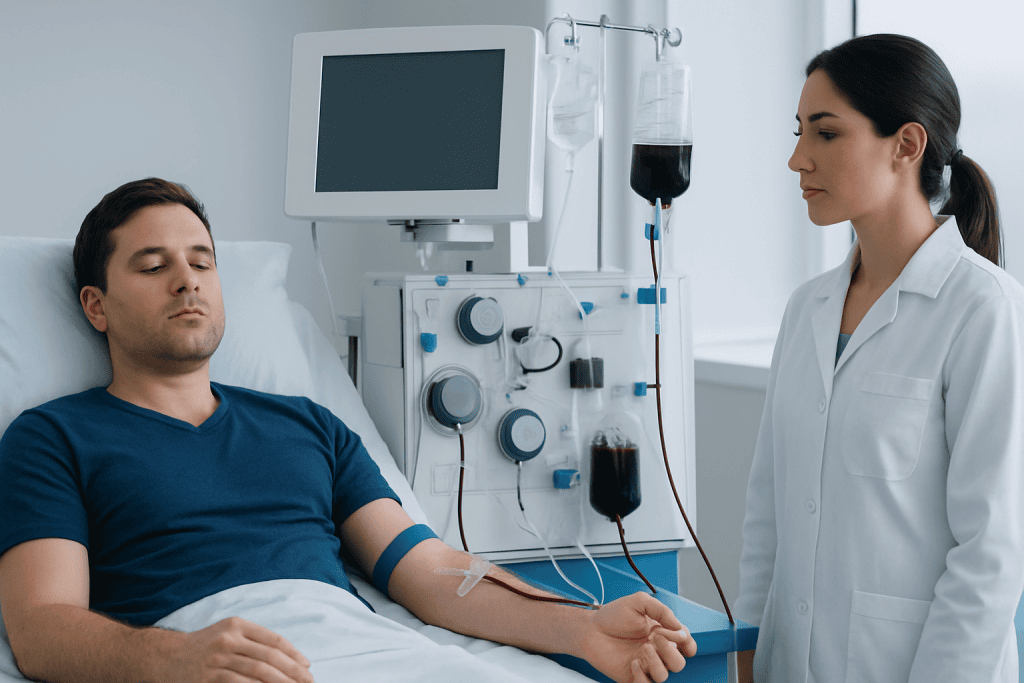
There are two main ways to donate. The most common is peripheral blood stem cell donation. For several days before collection, the donor receives injections of a growth factor medicine that encourages stem cells to move from the bone marrow into the bloodstream. On the collection day, blood is taken from one arm, passed through a machine that separates out stem cells, and returned through the other arm or a second line. This is called apheresis and does not involve surgery.
The second method is bone marrow harvest. In this procedure, doctors collect liquid marrow from the back of the pelvic bones using needles while the donor is under general or regional anesthesia. No large incision is made, but the donor may have soreness in the lower back or hips afterward. This method may be preferred in some transplant situations depending on the patient’s disease and the transplant plan.
After collection, the donated cells are processed and prepared for the recipient. The patient receives the transplant through an intravenous infusion, similar to a blood transfusion. Donation itself is only one part of a broader treatment pathway that may also involve hematology care and close transplant monitoring.
Benefits of donation and why it matters
The main benefit of donating is the chance to provide a life-saving or life-extending treatment option for a person with a severe blood or immune system disease. For some patients, a stem cell transplant offers the best opportunity to rebuild healthy blood formation after chemotherapy, radiation, or marrow failure. Without a suitable donor, treatment choices may be more limited.
Donation can also support treatment for both malignant and non-malignant conditions. In cancer care, donor stem cells may help create a new immune system that can recognize and fight remaining cancer cells. In non-cancer disorders, healthy donor cells may replace defective marrow function and improve blood cell production over time.
For many donors, there is also emotional value in helping a relative or an unknown patient in need. At the same time, donation should remain a fully informed, voluntary decision. Transplant teams aim to present the process clearly and without pressure so donors understand both the potential impact and the temporary physical demands of donation.
Risks, side effects, and possible complications
Bone marrow and stem cell donation are generally considered safe for carefully selected donors, but no medical procedure is completely risk-free. The type of risk depends on how the cells are collected. Most side effects are short term and improve with rest, hydration, and follow-up care.
With peripheral blood stem cell donation, the growth factor injections commonly cause bone pain, muscle aches, headache, fatigue, or flu-like symptoms for a few days. During apheresis, some donors feel lightheaded or notice tingling around the mouth or in the fingers because of temporary changes in calcium levels. These effects are usually manageable and go away after collection.
With bone marrow harvest, the main issues are soreness, bruising, fatigue, and the effects of anesthesia. Some donors feel discomfort when walking, bending, or climbing stairs for several days. Less common complications include bleeding, infection, or an anesthesia-related problem. The amount of marrow removed is generally replaced naturally by the body over time.
Because the recipient’s situation can be medically urgent, transplant teams try to confirm donor readiness early. Donors should promptly report fever, new illness, chest symptoms, severe pain, or any change in health before the procedure. This helps protect both donor safety and transplant success, especially for diseases such as lymphoma and other serious blood conditions.
Recovery timeline and self-care after donation
Recovery depends on the donation method and the individual donor’s overall health. After peripheral blood stem cell donation, many people resume usual light activities within a day or two, though some feel tired for several days. After bone marrow harvest, soreness in the hips or lower back may last longer, and some donors need several days to a couple of weeks before feeling fully back to normal.
Good recovery habits include drinking fluids, eating balanced meals, resting as needed, and following the team’s instructions about activity and pain relief. Gentle walking may help circulation and stiffness, but strenuous exercise or heavy lifting may need to wait until a clinician says it is safe. If a donor feels faint, increasingly weak, or unable to manage pain, medical advice should be sought.
Follow-up appointments are important so clinicians can check blood counts, healing, and overall well-being. Most donors do not experience long-term health problems from donating, but ongoing symptoms should never be ignored. Recovery is expected to be temporary, and the transplant center should provide clear contact information for questions after discharge.
For international patients and families seeking transplant evaluation, Acibadem International’s multidisciplinary specialists at JCI-accredited hospitals diagnose and treat complex blood disorders, including care related to stem cell transplant procedures.
When to seek medical care
A donor should contact a doctor promptly if there is high fever, worsening redness or drainage at a needle site, severe shortness of breath, chest pain, fainting, persistent vomiting, or heavy bleeding. These symptoms are not expected parts of routine recovery and need timely assessment. New illness before a scheduled donation should also be reported right away.
Recipients and potential donors should seek specialist evaluation if a doctor suspects a serious marrow or blood disorder that may require transplant planning. Early referral can help with diagnosis, donor matching, and treatment timing. This may be especially important in conditions linked to abnormal blood counts, recurrent infections, or marrow failure.
Medical care is also important for emotional concerns. Some people feel anxious about the process, uncertainty of matching, or the effect on a loved one. Clear counseling and support can make decision-making easier and help donors feel prepared.
Questions to discuss with the transplant team
It helps for donors and families to prepare practical questions before consenting. Understanding why one donation method is preferred, what short-term side effects to expect, and how often follow-up is needed can make the process less stressful. Written instructions are useful because there is often a lot of information to remember.
Important topics include work leave, travel, childcare, activity restrictions, and who to call after hours if symptoms arise. Donors should also ask whether temporary low blood counts are expected and when blood tests will be repeated. If the donor is giving cells for a family member, it may be helpful to ask how confidentiality and medical independence are maintained.
- Am I eligible to donate safely based on my health history?
- Which donation method is planned and why?
- What symptoms are common, and which ones need urgent attention?
- How long should recovery take in my situation?
- What follow-up tests or visits will I need?
Frequently asked questions
Is donating bone marrow the same as donating blood?
No. Bone marrow or stem cell donation is more involved than standard blood donation because it requires tissue matching, medical screening, and either apheresis or marrow collection. However, the process is well organized and closely supervised by transplant specialists.
Does bone marrow donation hurt?
The experience varies by donation method. Growth factor injections and apheresis may cause temporary bone aches, headache, or fatigue, while marrow harvest can cause soreness in the hips or lower back after anesthesia. Most discomfort improves over days to weeks.
How long does it take to recover after donating?
Many people recover quickly after peripheral blood stem cell donation and return to routine activities within a few days. Bone marrow harvest recovery may take longer, with soreness and fatigue lasting several days or sometimes a couple of weeks. The transplant team gives individualized guidance.
Can the body replace donated bone marrow?
Yes. The body naturally replenishes the donated marrow and blood-forming cells over time. This is one reason healthy donors are carefully selected before the procedure.
Who usually needs a donor bone marrow transplant?
A donor transplant may be used for people with leukemia, lymphoma, aplastic anemia, some inherited blood disorders, and certain immune system diseases. The exact reason depends on the diagnosis, previous treatments, and whether the patient’s own cells are suitable.
What are the main risks for donors?
Most donor risks are short term and depend on whether cells are collected from blood or marrow. They can include pain, fatigue, bruising, temporary low calcium symptoms during apheresis, and anesthesia-related effects. Serious complications are less common but are discussed during informed consent.
References
- National Marrow Donor Program
- American Society of Hematology
- National Cancer Institute
- Mayo Clinic
- World Health Organization
This article is for general information only and is not a substitute for professional medical advice. Please consult a qualified doctor about your individual situation.
Bone Marrow Transplant in Turkey — costs, top hospitals & a free quote
JCI-accredited · board-certified surgeons · reply within 24h
Add us as a Preferred Source to see more of our trusted health content across Google Search, AI Overviews and Discover.

Organ Transplantation
Kidney, liver and bone-marrow transplantation programs with dedicated coordination.
4 specialists in this unit