Cytoxan: A Complete Medical Overview

Cytoxan is cyclophosphamide, a chemotherapy and immune-suppressing medicine. It may be used for cancers such as lymphoma and leukemia, as well as selected autoimmune conditions.
Key Takeaways
- Cytoxan is cyclophosphamide, a chemotherapy and immune-suppressing medicine.
- It may be used for cancers such as lymphoma and leukemia, as well as selected autoimmune conditions.
- Common side effects include nausea, fatigue, hair thinning, and a higher risk of infection.
- Regular blood tests and follow-up visits are important during treatment.
- Patients should contact a doctor promptly for fever, bleeding, breathing trouble, or severe urinary symptoms.
Cytoxan is the brand name for cyclophosphamide, a prescription medicine used to treat certain cancers and some serious autoimmune diseases. It works by slowing or stopping the growth of rapidly dividing cells, so treatment requires careful monitoring to balance benefits and side effects.
What Cytoxan Is and Why It Is Used
Cytoxan is a brand name for cyclophosphamide, a medicine that has been used for many years in cancer care and, in some situations, for severe immune-mediated diseases. It belongs to a group of drugs that interfere with the growth of rapidly dividing cells. Because both cancer cells and some immune cells divide quickly, the medicine can help control diseases driven by these cells.
Doctors may prescribe Cytoxan for blood cancers and other malignancies, including some forms of lymphoma, leukemia, and breast cancer. It may also be used for serious autoimmune conditions when the immune system is damaging organs and other treatments are not enough. In these cases, the goal is to reduce harmful immune activity and protect the body from further injury.
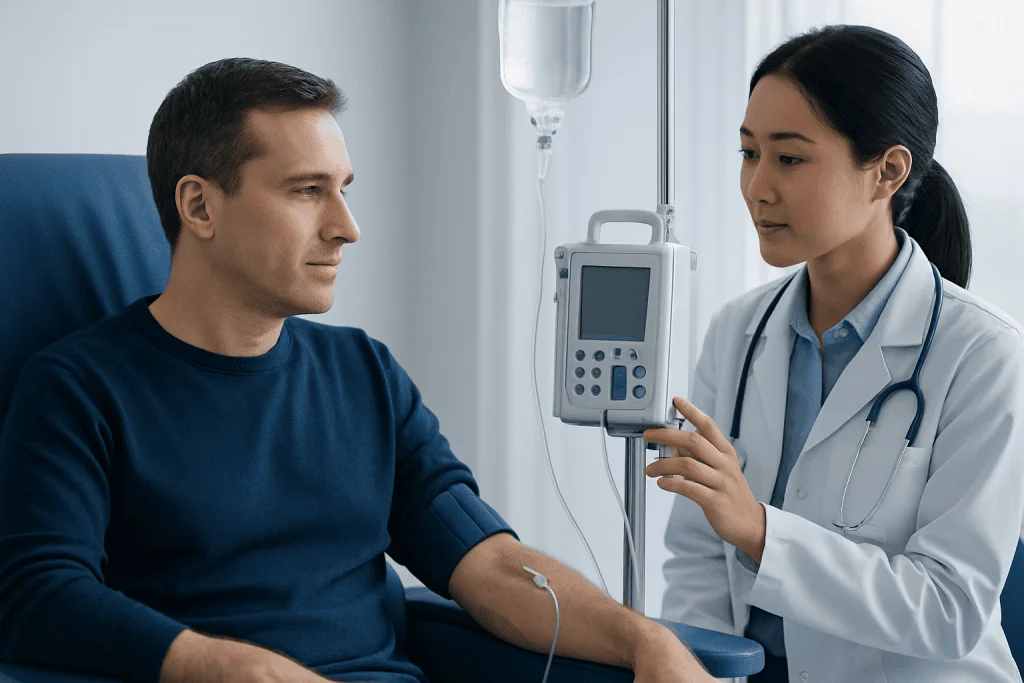
Cytoxan can be given by mouth as tablets or by intravenous infusion, depending on the condition being treated and the treatment plan. The exact schedule varies widely. Some people receive it in cycles, while others may receive it at set intervals under close supervision.
How Cytoxan Works in the Body
After it enters the body, cyclophosphamide is processed mainly by the liver into active substances. These active substances damage the genetic material inside certain cells, making it difficult for them to keep dividing. This is why the drug can slow or stop the growth of cancer cells.
The same effect can also reduce the activity of overactive immune cells. For that reason, some specialists use cyclophosphamide for severe autoimmune diseases that affect organs such as the kidneys, lungs, nerves, or blood vessels. It is not a medicine for minor symptoms; it is usually reserved for situations in which stronger treatment is needed.
Because the medicine affects healthy fast-growing cells too, it can also cause side effects in the bone marrow, hair follicles, digestive tract, and reproductive system. This is why doctors carefully choose the dose, monitor blood counts, and review a person’s other health conditions before and during therapy.
Conditions Commonly Treated with Cytoxan

Cytoxan is used in several different medical settings. In oncology, it may be part of combination chemotherapy plans for conditions such as lymphoma, certain types of leukemia, multiple myeloma, and some solid tumors. It is often given together with other medicines because combination treatment may improve disease control in selected patients.
Outside cancer care, cyclophosphamide may be used for severe autoimmune or inflammatory disorders. Examples can include vasculitis, lupus affecting major organs, and certain kidney diseases related to immune system injury. These uses depend on a careful specialist assessment of risks and benefits.
Every treatment plan is individualized. The same medicine may be used for very different reasons, with different doses, schedules, and lengths of treatment. A person’s age, kidney and liver function, fertility goals, infection risk, and overall health all help guide decisions. When used in cancer care, it may be one part of a broader medical oncology plan.
Possible Side Effects and Safety Considerations
Like many powerful prescription medicines, Cytoxan can cause side effects. Common effects may include nausea, vomiting, reduced appetite, tiredness, mouth sores, temporary hair thinning or hair loss, and increased susceptibility to infections. Some people feel well enough to continue many daily activities, while others may need extra rest and supportive care during treatment.
One of the most important safety concerns is bone marrow suppression. This means the medicine can lower white blood cells, red blood cells, and platelets, increasing the risk of infection, anemia, and bleeding. Doctors usually monitor this with regular blood tests and may adjust treatment if counts become too low.
Cytoxan can also irritate the bladder and urinary tract. In some cases it may cause blood in the urine or painful urination, so good hydration and prompt reporting of urinary symptoms are important. Less common but serious risks can include heart, lung, liver, or reproductive effects, as well as an increased long-term risk of certain secondary cancers after some treatment exposures. A doctor can explain which risks are most relevant to the individual situation.
- Call a clinician promptly for fever, chills, or signs of infection.
- Report unusual bruising, bleeding, or severe fatigue.
- Seek urgent care for shortness of breath, chest pain, confusion, or heavy bleeding.
- Tell the care team about burning urination, blood in the urine, or reduced urine output.
How Doctors Monitor Treatment
Monitoring is a central part of safe Cytoxan treatment. Before therapy starts, doctors often review medical history, current medicines, allergies, prior treatments, and plans for pregnancy or fertility. Blood tests commonly check blood cell counts, kidney function, and liver function. Depending on the condition, urine tests or imaging studies may also be needed.
During treatment, follow-up tests help the care team look for side effects early and assess whether the medicine is working. For cancer treatment, this may include physical examinations, imaging, and disease-specific blood tests. For autoimmune diseases, doctors may track inflammation, organ function, and symptom changes over time.
It is important for patients to tell the care team about all prescription medicines, over-the-counter drugs, vitamins, and herbal supplements they use. Some products may raise the risk of side effects or interact with treatment. In people receiving complex cancer care, monitoring may be coordinated with chemotherapy services and other specialists.
Treatment Experience, Self-Care, and Everyday Precautions
People taking Cytoxan often benefit from a practical self-care plan. Drinking enough fluids, eating small meals if nausea occurs, maintaining good mouth care, and resting when tired can make treatment easier to tolerate. A doctor may also recommend medicines to reduce nausea or other side effects.
Infection prevention is especially important when white blood cell counts are low. Frequent handwashing, avoiding close contact with people who are ill, and checking with the care team before vaccines can help reduce risk. Patients should also ask when it is safe to attend crowded events, travel, or return to work, since the answer depends on their treatment schedule and blood counts.
Cytoxan can affect fertility and may be harmful during pregnancy. Patients who may wish to have children in the future should discuss fertility preservation before treatment begins if time allows. Reliable contraception may be needed during therapy and for a period afterward, based on medical advice. For some patients with difficult-to-control disease, treatment planning may involve a wider bone marrow transplantation discussion, though this depends on the diagnosis rather than Cytoxan alone.
When to Seek Medical Care
Patients using Cytoxan should contact their doctor without delay if they develop fever, chills, persistent cough, mouth sores that limit eating or drinking, painful urination, blood in the urine, unusual bruising, black stools, severe vomiting, or worsening weakness. These symptoms do not always mean a serious complication is present, but they should be assessed promptly.
Urgent or emergency care is appropriate for chest pain, trouble breathing, sudden confusion, seizures, severe dehydration, heavy bleeding, or signs of a severe allergic reaction such as swelling of the face or throat. If a patient is unsure how serious a symptom is, it is safest to ask the treating team for guidance.
Care is often coordinated by oncologists, hematologists, rheumatologists, nephrologists, or other specialists depending on the condition being treated. Near the end of evaluation or treatment planning, some people may seek care in experienced multidisciplinary centers. Acibadem International’s multidisciplinary specialists and JCI-accredited hospitals diagnose and treat conditions that may require cyclophosphamide for international patients.
Frequently asked questions
Is Cytoxan the same as cyclophosphamide?
Yes. Cytoxan is a brand name for cyclophosphamide. Doctors may use either name when discussing treatment.
Is Cytoxan only used for cancer?
No. Although it is widely known as a chemotherapy drug, it can also be used for some serious autoimmune diseases. The reason for treatment affects the dose, schedule, and monitoring plan.
What are the most common side effects of Cytoxan?
Common side effects include nausea, fatigue, appetite changes, hair thinning or hair loss, mouth sores, and a higher risk of infection because blood counts may drop. Not everyone has the same experience, and supportive medicines may help.
Does Cytoxan weaken the immune system?
Yes, it can suppress the immune system by lowering white blood cells and reducing immune cell activity. This can be helpful for disease control, but it also increases the risk of infection, which is why regular monitoring is important.
Can Cytoxan affect fertility or pregnancy?
It can affect fertility in some people and may harm a developing pregnancy. Anyone who may become pregnant or who hopes to have children in the future should discuss fertility preservation and contraception with their doctor before treatment starts.
How is Cytoxan given?
It may be given as tablets by mouth or through an intravenous infusion. The route and schedule depend on the condition being treated, the treatment goal, and the patient's overall health.
References
- U.S. National Library of Medicine
- National Cancer Institute
- American Cancer Society
- Mayo Clinic
- American Society of Clinical Oncology
This article is for general information only and is not a substitute for professional medical advice. Please consult a qualified doctor about your individual situation.
Explore treatments in Turkey — costs, top hospitals & a free quote
JCI-accredited · board-certified surgeons · reply within 24h
Add us as a Preferred Source to see more of our trusted health content across Google Search, AI Overviews and Discover.

More from the Health Library

Eeg Test: What Patients Need to Know

Skin Graft — Explained by Medical Evidence, Not Myths

Lavender oil benefits: A Complete Medical Guide for Patients

Amphetamine: A Complete Medical Overview

T Cells and: An Evidence-Based Guide for Patients