Cooing — Explained by Medical Evidence, Not Myths

Cooing is an early stage of infant communication and commonly begins around 6 to 8 weeks of age. These soft vowel-like sounds often happen when a baby feels calm, comfortable, and engaged.
Key Takeaways
- Cooing is an early stage of infant communication and commonly begins around 6 to 8 weeks of age.
- These soft vowel-like sounds often happen when a baby feels calm, comfortable, and engaged.
- Cooing supports later speech and social development by helping babies practice using their voice.
- A baby who is not cooing on time may still be developing normally, but hearing, vision, or developmental concerns should be discussed with a doctor.
- Talking, smiling, singing, and face-to-face interaction can encourage cooing and early language growth.
Cooing is one of the earliest sounds babies make as they begin to communicate, often appearing in the first weeks to months of life. In most cases, it is a reassuring sign of growing social, hearing, and language skills rather than something to worry about.
Overview: what cooing really means
Cooing is an early vocal behavior in babies, not a myth-based sign of personality, intelligence, or future speech ability. It usually refers to soft, vowel-like sounds such as “oo,” “aa,” or “eh” that infants make when they are calm and alert. In medical and developmental terms, cooing is part of normal early communication and helps show that a baby is beginning to explore their voice.
Most babies start cooing around 6 to 8 weeks, although some begin a little earlier or later. These sounds often happen during eye contact, feeding, cuddling, or play. They are different from crying because they are usually more relaxed, repetitive, and social.
Cooing matters because it reflects several systems working together. A baby uses hearing, breathing, mouth and throat movements, and social attention to make these sounds. For this reason, cooing can offer useful clues about early development, but it should always be interpreted in the context of the whole child rather than as a single pass-or-fail milestone.
How cooing fits into infant development
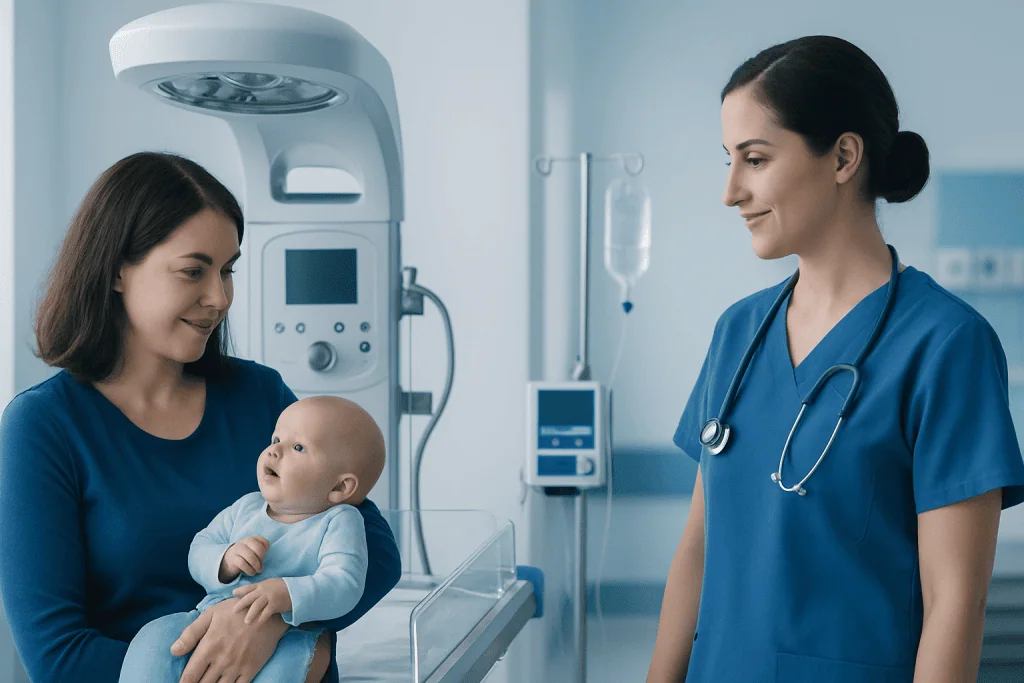
In the first year of life, babies move through several overlapping stages of communication. Before cooing, they mainly cry, grunt, and make reflexive sounds. After cooing, many babies begin to squeal, laugh, growl, and later babble with more speech-like patterns such as “ba-ba” or “da-da.”
Cooing is important because it is one of the first signs that a baby is using sound for social connection rather than only for physical needs. When a baby coos back after hearing a familiar voice or seeing a smiling face, this shows the early beginnings of back-and-forth communication. That exchange is a foundation for language learning.
Parents and caregivers often notice that cooing becomes more frequent during calm, awake periods. Babies may also coo when they are being spoken to in a gentle voice. These moments support bonding and help the infant learn that sounds can bring attention, comfort, and interaction.
Although cooing is linked to communication development, it does not by itself predict how quickly a child will speak later on. Development is broad and individual. A baby may be quiet in one area but still show healthy progress in movement, eye contact, feeding, and response to voices.
What cooing sounds like and when it usually starts

Cooing sounds are usually soft and simple. They are often prolonged vowel sounds, breathy noises, or gentle throat-based sounds made when a baby is content. Common examples include “ooo,” “ahh,” and “goo.” These sounds may come with smiling, kicking, or focused eye contact.
Many infants begin cooing between 6 and 8 weeks of age, though some may start closer to 2 or 3 months. Premature babies may follow a slightly adjusted timeline based on corrected age. A temporary decrease in cooing can also happen if a baby is tired, overstimulated, unwell, or going through another change in development.
It is helpful to remember that normal development has a range. A baby does not need to coo constantly to be healthy. More important signs include whether the baby seems to respond to sound, calm to familiar voices, make eye contact, and show interest in people.
As babies grow, cooing typically becomes more varied. New sounds may appear alongside laughter and early babbling. If caregivers are wondering whether a baby’s sounds are typical, a pediatrician can assess them in the context of overall growth and developmental milestones.
Why babies coo: common causes and influences
Babies coo because they are learning how to use their voice and interact with the world. This behavior is influenced by brain maturation, hearing, social engagement, and increasing control of the muscles used for breathing and sound production. In other words, cooing is both a developmental exercise and a social signal.
A calm emotional state often makes cooing more likely. Infants tend to coo when they feel comfortable, warm, fed, and connected to a caregiver. Face-to-face attention, gentle conversation, and smiling can encourage more vocal play. This does not mean parents need to stimulate a baby constantly; natural everyday interaction is usually enough.
Several factors can affect how often a baby coos. These include temperament, sleep quality, prematurity, hearing ability, illness, and differences in neurological or developmental progress. A quieter baby is not necessarily unhealthy, but very limited vocalization combined with poor response to voices may deserve evaluation.
Sometimes concerns about delayed cooing overlap with concerns about hearing, speech, or broader development. Depending on the child’s symptoms, doctors may consider evaluation for issues related to hearing loss or other developmental conditions. The goal is not to label a baby too early, but to identify situations where extra support may help.
When cooing may need medical attention
Most variation in cooing is normal, and a single milestone should never be used alone to judge a baby’s health. Still, it is reasonable to speak with a doctor if a baby is not cooing by around 3 to 4 months, especially if there are other concerns such as limited eye contact, no social smile, poor feeding, unusual stiffness or floppiness, or little response to sounds.
Parents should also mention if a baby startles less than expected to loud noise, does not turn toward familiar voices as they grow, or seems to have lost sounds they were making before. Loss of previously reached milestones is an important reason for medical review. A doctor may look at hearing, vision, muscle tone, interaction, and general development.
Short-term medical care may be needed sooner if the baby’s quietness occurs with signs of illness, trouble breathing, dehydration, fever in a young infant, or marked lethargy. In these cases, the concern is not cooing itself but the baby’s overall condition.
For communication-related concerns, a clinician may recommend hearing tests, developmental screening, or evaluation by specialists. In selected cases, this may include hearing testing or support from pediatric developmental services. Early assessment can be reassuring when development is normal and helpful when intervention is needed.
How doctors evaluate delayed or absent cooing
If caregivers raise concerns about cooing, the first step is usually a developmental history and physical examination. The doctor may ask when the baby first smiled, how they react to voices, whether they startle to sound, how feeding is going, and whether there were any pregnancy, birth, or newborn complications. Prematurity and corrected age are also important.
Observation during the visit can provide valuable information. A pediatrician may watch how the infant makes eye contact, follows faces, moves their body, and responds to voices or sounds in the room. These clues can help separate a normal variation from a possible hearing, neurological, or developmental issue.
When needed, further evaluation may focus on hearing because babies learn to vocalize partly by listening to the sounds around them. If there is concern about ear structure or repeated infections later in infancy, doctors may also involve ear specialists and, in some cases, discuss ear-related procedures when medically indicated for other underlying problems. However, many babies with delayed cooing do not need any procedure.
If broader developmental concerns are present, doctors may recommend follow-up, early intervention services, or referrals for pediatric neurology, speech-language evaluation, or developmental pediatrics. Some children are simply late bloomers, while others benefit from earlier support to strengthen communication skills.
Ways to encourage cooing and early communication at home
Everyday interaction is one of the best ways to support cooing. Caregivers can talk to the baby during feeding, diaper changes, bath time, and play. A warm, responsive style is more helpful than trying to “train” sounds. Babies learn through repetition, rhythm, and the feeling of shared attention.
Simple strategies can make a difference:
- Hold the baby close and make eye contact while speaking.
- Pause after talking, giving the baby time to respond with a sound or facial expression.
- Smile, imitate the baby’s noises, and gently repeat them back.
- Sing soft songs and use expressive facial movements.
- Reduce background noise, such as loud television, during interaction.
Reading aloud can also support early language exposure, even before a baby understands words. The goal is not perfect performance but steady, pleasant engagement. Babies often respond best when caregivers follow the child’s mood and stop when the baby seems tired or overstimulated.
If there are concerns about hearing, speech, or broader development, home support should go alongside medical advice rather than replace it. For some families, doctors may suggest a speech and communication assessment or referral to child development services. Similar evaluation pathways are also used when monitoring related issues such as speech and language disorders.
When to seek medical care and where to get support
A doctor should be consulted if a baby is not cooing by about 3 to 4 months, is not responding to sound, or shows other developmental concerns. Medical attention is also important if the baby loses sounds they had before, seems unusually floppy or stiff, has feeding difficulties, or appears persistently less interactive than expected.
Urgent medical care is needed if quietness happens together with warning signs such as breathing difficulty, poor feeding, dehydration, fever in a young infant, seizures, or extreme sleepiness. These symptoms point to a broader health issue that should be assessed promptly.
For ongoing developmental questions, families can seek support from pediatricians, hearing specialists, and child development professionals. In complex cases, a multidisciplinary approach is often the most useful. Acibadem International’s multidisciplinary specialists and JCI-accredited hospitals provide evaluation and treatment for international patients when communication, hearing, or developmental concerns need further assessment.
Most importantly, cooing should be seen as one part of a baby’s overall developmental picture. A calm, informed approach helps families notice what matters, avoid myths, and seek help appropriately when needed.
Frequently asked questions
What is cooing in babies?
Cooing is an early form of infant vocalization made up of soft, vowel-like sounds such as “oo” or “ah.” It usually happens when a baby is calm, alert, and socially engaged. It is considered a normal early communication milestone.
At what age do babies usually start cooing?
Many babies begin cooing around 6 to 8 weeks of age, although some start a little earlier or later. By 2 to 3 months, these sounds may become easier to notice during social interaction. Premature babies may follow a slightly adjusted timeline based on corrected age.
Is it normal if a baby is not cooing yet?
Sometimes yes, because development varies from one baby to another. However, if a baby is not cooing by around 3 to 4 months or is also not responding to sounds, making eye contact, or smiling socially, a medical check is sensible. A pediatrician can decide whether the pattern is normal variation or needs further assessment.
Does cooing mean a baby will talk early?
Not necessarily. Cooing is a healthy early sign of communication, but it does not reliably predict exactly when a child will say words. Later speech depends on many factors, including hearing, social interaction, overall development, and individual differences.
How can caregivers encourage cooing?
Caregivers can encourage cooing by talking face-to-face, smiling, singing, and responding to the baby’s sounds. Pausing to let the baby “answer” can support back-and-forth interaction. A calm environment with less background noise may also help.
Can hearing problems affect cooing?
Yes, hearing is one of the factors that supports normal vocal development. A baby who does not hear well may vocalize less or respond less to voices and sounds. If there are concerns about hearing or delayed vocal milestones, a doctor may recommend hearing evaluation.
This article is for general information only and is not a substitute for professional medical advice. Please consult a qualified doctor about your individual situation.
Explore treatments in Turkey — costs, top hospitals & a free quote
JCI-accredited · board-certified surgeons · reply within 24h
Add us as a Preferred Source to see more of our trusted health content across Google Search, AI Overviews and Discover.

More from the Health Library

Shield Facial — Explained by Medical Evidence, Not Myths

Tremfya Dosing: What Patients Need to Know

Bentyl — Explained by Medical Evidence, Not Myths

Inflamed Occipital Lymph Nodes: An Evidence-Based Guide for Patients

Anhedonia: An Evidence-Based Guide for Patients