Harlequin Fetus — Explained by Medical Evidence, Not Myths
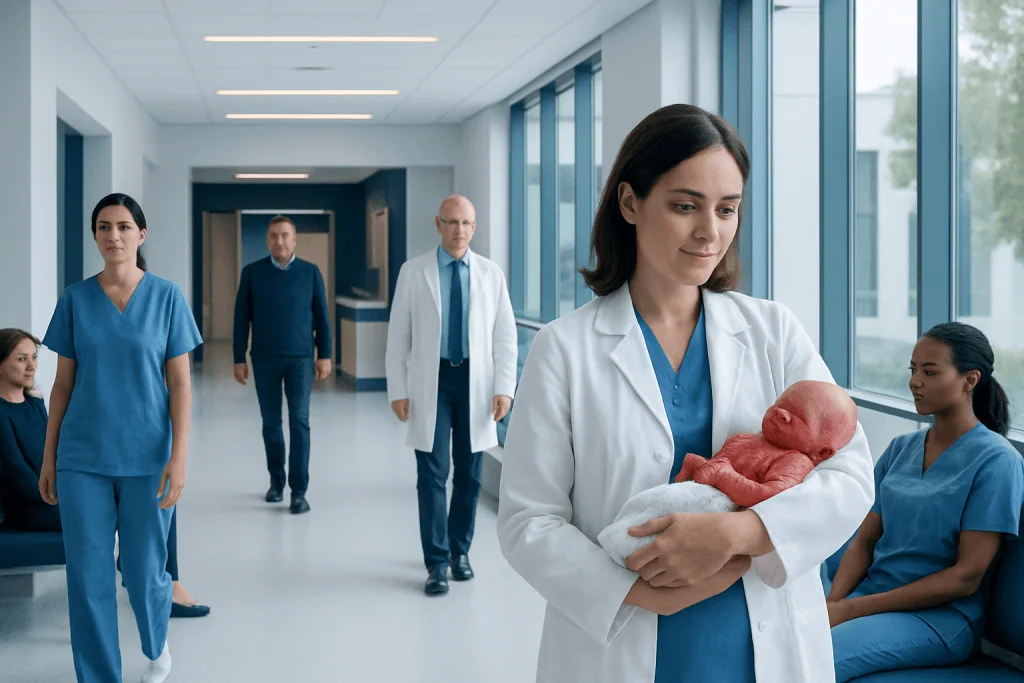
Harlequin fetus usually refers to harlequin ichthyosis, a rare genetic skin condition present from birth. The condition causes very thick, tight skin that can affect breathing, feeding, temperature control, and infection risk.
Key Takeaways
- Harlequin fetus usually refers to harlequin ichthyosis, a rare genetic skin condition present from birth.
- The condition causes very thick, tight skin that can affect breathing, feeding, temperature control, and infection risk.
- It is most often caused by inherited changes in the ABCA12 gene and follows an autosomal recessive pattern.
- Diagnosis may be suspected before birth in some cases and is confirmed after birth with clinical assessment and genetic testing.
- Newborn care focuses on breathing support, hydration, infection prevention, eye and skin protection, and nutrition.
- Families benefit from coordinated care involving neonatology, dermatology, genetics, and pediatric specialists.
Harlequin fetus is an older term commonly used for harlequin ichthyosis, a rare and severe inherited skin disorder present at birth. It is caused by changes in a gene involved in the skin barrier, and while it is serious, modern neonatal intensive care and specialist treatment have improved survival and long-term care.
Overview: what harlequin fetus means
Harlequin fetus is a traditional term for harlequin ichthyosis, a rare genetic disorder that affects the way the outer layer of the skin forms. Babies are born with very thick, hard plates of skin separated by deep cracks. Because skin is essential for protecting the body, regulating temperature, and preventing fluid loss, this condition requires urgent medical care from birth.
The term itself can be confusing and may sound alarming. In current medical practice, clinicians more commonly use the name harlequin ichthyosis because it more accurately describes the condition and avoids myths or outdated ideas. This disorder is not caused by anything a parent did during pregnancy, and it is not contagious.
Harlequin ichthyosis belongs to a group of inherited skin disorders called congenital ichthyoses. It is considered one of the most severe forms because the skin changes can affect the eyes, mouth, chest movement, hands, and feet. Even so, outcomes have improved significantly with neonatal intensive care, skin-barrier support, nutrition, and early specialist follow-up.
How the condition affects a newborn
At birth, a baby with harlequin ichthyosis typically has thick, armor-like skin plates with deep fissures. The tightness of the skin may pull the eyelids outward, turn the lips outward, flatten the ears or nose, and restrict movement of the chest, fingers, and toes. These visible changes are often the first sign that the diagnosis should be considered.
The skin findings are important not only because of appearance, but because they can affect basic body functions. The tight skin barrier may make it harder for the baby to breathe comfortably, feed effectively, maintain normal body temperature, and hold onto fluids. Cracks in the skin also increase the risk of infection, so careful handling and sterile care are essential in the newborn period.
As the thick outer skin begins to shed over time, ongoing skin dryness, scaling, and sensitivity usually remain. Some children develop joint stiffness, hearing problems from skin buildup in the ear canals, or eye irritation because the eyelids do not fully protect the eyes. Long-term care usually centers on protecting the skin barrier and supporting healthy growth and development.
Causes and inheritance

Harlequin ichthyosis is most often caused by changes in the ABCA12 gene. This gene helps transport lipids, or fats, that are needed to build a normal skin barrier. When the gene does not work properly, the skin cannot form and shed in the usual way, leading to the very thick scales and cracks seen at birth.
The condition is inherited in an autosomal recessive pattern. This means a child usually develops the disorder only when both parents carry one altered copy of the gene and both copies are passed on to the baby. Carriers are typically healthy and may not know they carry the gene change until there is an affected pregnancy or a family history prompts testing.
When both parents are carriers, each pregnancy has a chance of being affected, a chance of producing a healthy carrier, and a chance of producing a child without the gene change. Genetic counseling can help families understand recurrence risk, testing options, and future reproductive choices. If there is a known family history of inherited disorders, a specialist in genetic diseases may help guide evaluation and planning.
Can harlequin ichthyosis be detected before birth?
In some pregnancies, harlequin ichthyosis may be suspected before birth, especially when there is a known family history or previous affected child. Prenatal genetic testing may be possible if the specific ABCA12 gene change in the family has already been identified. This can allow families and clinicians to prepare for specialized delivery and immediate newborn care.
Ultrasound may occasionally suggest the diagnosis later in pregnancy, but it is not always able to detect the condition clearly. Findings can include persistently open mouth, limb positioning changes, swelling, or abnormal skin appearance, but these signs are not specific. For that reason, ultrasound alone usually cannot confirm the diagnosis.
When a genetic risk is known, maternal-fetal medicine specialists and genetic counselors may discuss available prenatal testing methods, their timing, and their limits. This process is individual and may involve careful counseling about what the results can and cannot show. The goal is informed decision-making and coordinated care rather than assumptions based on isolated findings.
Diagnosis after birth
After delivery, doctors often suspect harlequin ichthyosis based on the baby’s appearance and the pattern of skin findings. The diagnosis is then supported by a full clinical examination and confirmed with genetic testing when available. The care team may include neonatologists, dermatologists, geneticists, ophthalmologists, and nutrition specialists.
Early assessment focuses on the baby’s immediate needs. Doctors look at breathing effort, hydration status, body temperature, feeding ability, and signs of infection. The eyes, ears, fingers, and toes also need close attention because tight skin can affect circulation, eyelid closure, and normal function.
Testing is aimed not only at naming the condition but also at guiding care and family counseling. Genetic confirmation helps distinguish harlequin ichthyosis from other rare forms of skin diseases that may look similar at birth. It can also support future reproductive planning and help other family members understand whether carrier testing may be useful.
Treatment and long-term care
Treatment begins immediately after birth, usually in a neonatal intensive care setting. The first priorities are supporting breathing, maintaining fluid and electrolyte balance, protecting the skin, preventing infection, and ensuring adequate nutrition. Babies are often cared for in a humidified environment, and the skin is kept soft with frequent application of bland emollients.
Eye care is especially important if the eyelids are turned outward, because the eyes may dry out or become irritated. Feeding support may include specialized assistance if the tightness around the mouth makes sucking difficult. Doctors also monitor the hands and feet closely to make sure tight bands of skin are not affecting circulation.
Some babies may receive retinoid therapy under specialist supervision, as this can help the thick skin shed more effectively in selected cases. Ongoing management later in infancy and childhood usually includes regular moisturizers, gentle bathing routines, management of overheating risk, and treatment of infections or fissures when they occur. In severe cases where breathing or other body functions need support, intensive pediatric care and related services such as neonatal intensive care and specialist pediatric care may be part of the treatment pathway.
Children who survive the newborn period often need long-term dermatology follow-up and coordinated support from multiple specialists. Hearing checks, eye care, nutritional support, and physical therapy may all be helpful depending on the child’s needs. At centers such as Acibadem International, multidisciplinary specialists in JCI-accredited hospitals evaluate and treat complex inherited conditions for international patients, including those who may need advanced genetic testing and ongoing dermatology care.
Daily care, family support, and outlook
Living with harlequin ichthyosis involves daily skin care and regular medical follow-up. Gentle cleansing, generous moisturizing, and protecting the skin from dryness and friction are central parts of home care. Families are usually taught how to watch for skin cracks, signs of infection, eye irritation, poor feeding, or overheating.
Because the skin barrier remains fragile, children may be more sensitive to heat and dehydration. Loose clothing, careful temperature control, and attention during illness or hot weather can help. School-age children and adolescents may also need emotional support, as visible skin conditions can affect confidence and social interactions.
The outlook varies from child to child and depends on the severity of early complications and access to specialized care. Survival has improved over time, and some children grow into adolescence and adulthood with ongoing management. Realistic counseling is important: this remains a serious lifelong condition, but it is better understood today and can often be managed with structured medical and family support.
When to seek medical care
Harlequin ichthyosis needs urgent medical attention at birth. If a newborn has very thick, tight, cracked skin, difficulty feeding, trouble breathing, or unusual eyelid or lip turning, immediate hospital evaluation is needed. This is not a condition for home observation.
For a child already diagnosed with harlequin ichthyosis, families should seek prompt medical care if there are signs of infection, fever, worsening skin redness, poor feeding, dehydration, reduced urine output, breathing changes, or marked eye irritation. Circulation problems in the fingers or toes also need urgent review.
Parents who have had an affected child, know they are carriers, or have a family history of severe inherited skin disease should speak with a doctor before or early in pregnancy. A dermatologist, genetic counselor, pediatrician, or maternal-fetal medicine specialist can explain testing options and help plan the safest care pathway.
Frequently asked questions
Is harlequin fetus the same as harlequin ichthyosis?
Yes. Harlequin fetus is an older term commonly used to describe harlequin ichthyosis, a severe inherited skin disorder present at birth. Today, many clinicians prefer the term harlequin ichthyosis because it is more precise and medically current.
What causes harlequin fetus?
It is usually caused by changes in the ABCA12 gene, which is important for building a healthy skin barrier. The condition is inherited in an autosomal recessive pattern, so both parents are typically healthy carriers.
Can harlequin ichthyosis be seen during pregnancy?
Sometimes, especially if there is a known family history and the genetic change has already been identified. Ultrasound may raise suspicion in some cases, but genetic testing is usually more reliable when available.
Is harlequin ichthyosis curable?
There is no cure that permanently corrects the genetic cause at present. Treatment focuses on intensive newborn support, skin protection, infection prevention, nutrition, and long-term specialist follow-up.
Can babies with harlequin ichthyosis survive?
Yes, some babies survive and go on to live into childhood and adulthood, especially with early intensive care and continued specialist management. However, the condition is serious and outcomes vary depending on the severity of complications and access to care.
Will future pregnancies be affected too?
Not necessarily, but the risk can be higher when both parents are carriers of the same gene change. Genetic counseling can help explain recurrence risk and discuss testing options for future pregnancies.
This article is for general information only and is not a substitute for professional medical advice. Please consult a qualified doctor about your individual situation.
Explore treatments in Turkey — costs, top hospitals & a free quote
JCI-accredited · board-certified surgeons · reply within 24h
Add us as a Preferred Source to see more of our trusted health content across Google Search, AI Overviews and Discover.

More from the Health Library

Amino Acids: What Patients Need to Know

Rectus Abdominis: What Patients Need to Know
Baby Powder: A Complete Medical Overview

Early Satiety: What Patients Need to Know

Adnexa: What Patients Need to Know