

Can You Have Pneumonia Without a Fever? Causes, Explanations, and Next Steps

Pneumonia can occur without fever, so the absence of fever does not fully rule it out. Older adults, people with weakened immune systems, and those with mild or atypical infections may be less likely to develop fever.
Key Takeaways
- Pneumonia can occur without fever, so the absence of fever does not fully rule it out.
- Older adults, people with weakened immune systems, and those with mild or atypical infections may be less likely to develop fever.
- A cough, shortness of breath, chest pain with breathing, unusual tiredness, or confusion can still point to pneumonia.
- Doctors usually diagnose pneumonia using a medical history, physical exam, oxygen check, and often a chest X-ray.
- Urgent medical review is important for breathing difficulty, bluish lips, chest pain, confusion, or worsening symptoms.
Yes, a person can have pneumonia without a fever. While fever is common, some people—especially older adults, people with weaker immune responses, or those with early or mild illness—may have pneumonia with cough, chest discomfort, fatigue, or shortness of breath instead.
Overview: Yes, Pneumonia Can Happen Without Fever
Yes, it is possible to have pneumonia without a fever. In many cases, a fever is part of the body’s normal response to infection, but not everyone develops that response in the same way. Some people with pneumonia have only a cough, tiredness, chest discomfort, or shortness of breath, especially in the early stages or when the infection is relatively mild.
Often, a cough without fever is caused by something less serious, such as a cold, bronchitis, allergies, or irritation from smoke or dry air. That is why the absence of fever can be reassuring in many situations. Still, if breathing symptoms are persistent, worsening, or out of proportion to a simple cold, pneumonia remains one possible explanation and should be considered.
Pneumonia is an infection that inflames the air sacs in one or both lungs. These air sacs may fill with fluid or pus, making breathing less comfortable and reducing how well oxygen moves into the blood. Because symptoms can vary widely, pneumonia may look different in children, healthy adults, and older people. A related condition, pneumonia, can therefore be easy to miss if someone expects fever to always be present.
Why Fever May Be Absent
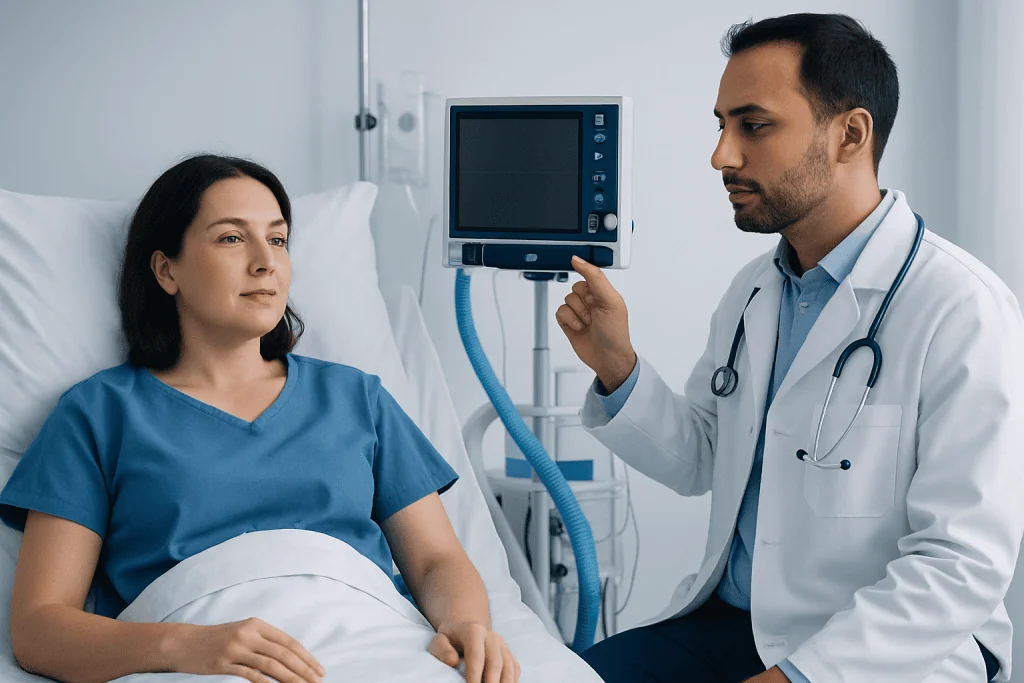
Fever is one sign of immune system activity, but it is not required for pneumonia to be present. Some infections trigger only a small temperature rise, and some people do not notice that rise at all. Others may take medicines such as acetaminophen or ibuprofen, which can lower a fever and make it less obvious.
Older adults are one of the most important groups in whom pneumonia may appear without fever. With aging, the body’s temperature regulation and immune response may become less pronounced. Instead of fever, an older person may seem unusually tired, weak, confused, dizzy, or less interested in food and fluids.
People with weakened immune systems may also have less typical symptoms. This can include those receiving cancer treatment, taking immune-suppressing drugs, living with chronic illness, or recovering from major surgery. In these cases, the body may not mount a strong fever response even when an infection is affecting the lungs.
So-called atypical pneumonias can also develop more gradually. Rather than causing a sudden high fever and severe illness, they may begin with a dry cough, headache, sore throat, and fatigue. These milder or slower-building cases are one reason why the question “can you have pneumonia without a fever” comes up so often.
Symptoms to Watch For Besides Fever

When fever is absent, other symptoms become more important. A cough is one of the most common signs. It may be dry or produce mucus, and it may linger longer than expected for a simple viral upper respiratory infection. Some people also notice chest pain that becomes worse when taking a deep breath or coughing.
Shortness of breath is another symptom that deserves attention. A person may feel winded walking across a room, climbing a few stairs, or doing activities that are normally easy. Fast breathing, wheezing, or a sense that the chest feels tight can also occur, though these symptoms can overlap with other lung problems such as bronchitis or asthma.
General body symptoms can be subtle. These may include unusual fatigue, weakness, poor appetite, sweating, chills without an obvious fever, body aches, or trouble sleeping due to cough. In children, warning signs may include poor feeding, irritability, fast breathing, or pulling in of the skin between the ribs with each breath.
Some symptoms suggest a need for prompt medical review rather than watchful waiting. These include trouble breathing, bluish lips or fingertips, confusion, fainting, persistent chest pain, coughing up blood, or symptoms that continue to worsen after several days. These signs do not always mean severe pneumonia, but they do need timely assessment.
Who Is More Likely to Have Pneumonia Without a Fever?
Although anyone can have pneumonia without fever, some groups are more likely to present this way. Older adults are a key example. They may have only weakness, sleepiness, confusion, or a decline in day-to-day function. Because these changes can be mistaken for aging or dehydration, pneumonia may not be recognized right away.
People with chronic health conditions may also have less typical symptoms. This includes those with heart disease, chronic lung disease, diabetes, kidney disease, or neurologic conditions that affect swallowing. Smoking and reduced mobility can increase the risk of lung infections while also complicating how symptoms appear.
Another group includes people with reduced immune function. This may be related to medications such as steroids or chemotherapy, or to conditions that affect immunity. In these situations, even a mild cough or unexplained shortness of breath deserves more attention because serious infection may not produce the usual signs.
Children can vary as well. Some develop clear fever and cough, while others mainly have rapid breathing, vomiting, reduced appetite, or low energy. For younger children and infants, behavioral changes and breathing effort are often more informative than temperature alone.
How Doctors Check for Pneumonia
If pneumonia is suspected, a doctor will usually begin with the story of the illness: how long symptoms have been present, whether breathing has become harder, and whether there are risk factors such as age, smoking, or chronic disease. The physical exam often focuses on breathing rate, heart rate, temperature, and listening to the lungs for crackles or reduced air movement.
An oxygen measurement with a pulse oximeter is a simple but useful first step. Even when symptoms seem mild, a lower-than-expected oxygen level may suggest that the lungs are not exchanging air normally. Doctors may also assess whether there are signs of dehydration, confusion, or strain on the body from infection.
A chest X-ray is commonly used to confirm the diagnosis. It can show areas of infection or inflammation in the lungs and help distinguish pneumonia from other causes of cough and breathlessness. Depending on the situation, blood tests or sputum tests may be used as well, especially if symptoms are more severe or the person is at higher risk of complications.
In some cases, additional evaluation may be needed to rule out other lung conditions. If symptoms overlap with other respiratory illnesses, doctors may also consider lung cancer or chronic inflammatory conditions, particularly when a cough is prolonged, unexplained, or associated with weight loss or blood in the sputum. Diagnostic imaging such as chest X-ray evaluation helps guide the next steps.
Treatment and Recovery
Treatment depends on the cause, the severity of symptoms, and the person’s overall health. Bacterial pneumonia is often treated with antibiotics, while viral pneumonia may be managed mainly with rest, fluids, symptom relief, and close follow-up. Not every cough or chest infection needs antibiotics, which is one reason an accurate diagnosis matters.
Supportive care is also important. This may include drinking enough fluids, resting, and using physician-recommended medicines for discomfort or cough when appropriate. Some people need inhaled treatments or oxygen support if breathing is affected. Others can recover at home with monitoring and a clear plan for what warning signs should prompt re-evaluation.
Hospital care may be needed if oxygen levels are low, breathing is labored, the person cannot keep fluids down, or there are concerns about age, frailty, or other medical conditions. In more complex cases, doctors may use bronchoscopy or advanced imaging to investigate persistent symptoms, blockage, or an unclear diagnosis.
Recovery time varies. A mild case may improve within days, while fatigue and cough can linger for several weeks. The goal is gradual improvement. If symptoms fail to improve, return after seeming to get better, or become more severe, a follow-up evaluation is important.
Prevention and Self-Care
Prevention focuses on reducing infection risk and supporting lung health. Vaccination can lower the risk of certain types of pneumonia and related complications, especially in older adults, young children, and people with chronic medical conditions. Seasonal flu vaccination is also important because influenza can lead to pneumonia.
Everyday measures still matter. Handwashing, avoiding close contact with people who are ill, not smoking, and managing chronic diseases well can all reduce risk. Good hydration, adequate sleep, and a balanced diet support the immune system, though they cannot fully prevent infection on their own.
At home, self-care should be guided by symptoms rather than temperature alone. A person who has cough but feels generally well can often rest, drink fluids, and watch for improvement. But if the cough is getting worse, breathing becomes difficult, or energy levels drop significantly, medical advice is sensible even without fever.
For people who have recurrent chest infections, swallowing problems, lung disease, or a weakened immune system, prevention may also involve more tailored follow-up. In specialized centers, respiratory teams can investigate repeated infections and discuss options such as advanced lung care when severe chronic lung disease is present. Acibadem International’s multidisciplinary specialists and JCI-accredited hospitals also diagnose and treat respiratory conditions for international patients.
When to Seek Medical Care
Medical care is a good idea if a cough lasts more than a few days and is accompanied by shortness of breath, chest pain, marked fatigue, fast breathing, or worsening mucus production. It is especially important to seek assessment for infants, older adults, pregnant people, and anyone with chronic illness or reduced immunity, because pneumonia may be harder to recognize in these groups.
Urgent care should be sought for severe breathlessness, bluish lips or face, confusion, fainting, high breathing effort, persistent pain in the chest, or inability to drink enough fluids. These symptoms can signal that the lungs are under stress and need prompt evaluation.
If symptoms are mild but not improving as expected, a doctor can decide whether tests are needed. That review is helpful because symptoms without fever can still come from pneumonia, but they can also reflect bronchitis, asthma flare, COVID-19, heart failure, or other conditions. Getting the cause right is the best way to choose safe, effective treatment.
Frequently asked questions
Can you have pneumonia without a fever at all?
Yes. Some people with pneumonia never develop a noticeable fever, while others may have only a mild temperature increase. This is more common in older adults, people with weaker immune responses, and some mild or atypical infections.
What are the most common pneumonia symptoms if there is no fever?
Cough, shortness of breath, chest pain when breathing or coughing, fatigue, and weakness are common symptoms. Some people also have chills, poor appetite, or confusion, especially at older ages.
How can someone tell the difference between pneumonia and a bad cold?
A cold usually causes upper respiratory symptoms such as a runny nose, sore throat, and mild cough that improve over time. Pneumonia is more concerning when there is worsening cough, breathlessness, chest pain, unusual fatigue, or symptoms that seem to move into the chest and do not improve as expected.
Is pneumonia without fever less serious?
Not necessarily. Some cases without fever are mild, but others can still be significant, especially in older adults or people with chronic illness. Severity depends more on breathing, oxygen levels, and overall condition than on fever alone.
How is pneumonia diagnosed if fever is not present?
Doctors look at the full picture, including symptoms, breathing rate, oxygen level, medical history, and lung examination. A chest X-ray is often used to confirm the diagnosis, and additional tests may be done if needed.
Should someone go to the doctor for a cough without fever?
A cough without fever is often caused by something minor and may improve with time. However, medical advice is important if the cough is persistent, getting worse, associated with shortness of breath or chest pain, or occurring in someone who is older, frail, or immunocompromised.
References
- Centers for Disease Control and Prevention
- National Heart, Lung, and Blood Institute
- American Lung Association
- Mayo Clinic
- World Health Organization
This article is for general information only and is not a substitute for professional medical advice. Please consult a qualified doctor about your individual situation.
Pneumonia in Turkey — costs, top hospitals & a free quote
JCI-accredited · board-certified surgeons · reply within 24h

More from the Health Library



Related Specialists

Assoc. Prof. Dr. Tonguç Utku Yilmaz
General Surgery
Prof. Dr. Faruk Buyru
Gynecology & Obstetrics
Melisa Yay
Physical Medicine & Rehabilitation
Prof. Dr. İlker Yağcı
Physical Medicine and Rehabilitation