

Gastric Balloon
Gastric balloon is a non-surgical weight loss procedure that places a temporary balloon in the stomach to reduce food intake and support lifestyle changes.
Quick answer
Gastric balloon treatment is a non-surgical weight loss procedure in which a temporary balloon is placed in the stomach to help you feel full sooner and eat less. At Acibadem in Turkey, it is typically inserted endoscopically or swallowed as a capsule depending on the balloon type, then removed after a set period as part of a broader weight-management plan.
Considering a Gastric Balloon When Weight Loss Has Become More Than a Personal Struggle
Living with excess weight can affect far more than clothing size or the number on a scale. It may influence energy, sleep, joint comfort, blood pressure, blood sugar, fertility, confidence and long-term health. Many people who consider a gastric balloon have already tried diets, exercise programs, medications or structured weight-loss plans. Some have lost weight and regained it. Others feel they understand what they should do, yet hunger, portion size, cravings, work schedules, stress or metabolic factors make lasting change difficult.
It is also common to feel uncertain about taking the next step. Some patients are not ready for bariatric surgery, do not qualify for surgery, or prefer a reversible, non-surgical option. Others are worried about anesthesia, travel, recovery time or whether weight loss will last after the balloon is removed. These are reasonable concerns. A gastric balloon is not a shortcut and it is not a cure for obesity. It is a medical tool designed to create a period of reduced stomach capacity, early fullness and structured behavioral change, supported by a clinical team.
For international patients, the decision includes additional questions: Is the procedure appropriate for my body mass index and medical history? How will my stomach be evaluated? What happens if I have nausea after placement? How long do I need to remain in Turkey? What follow-up is possible after I return home? At Acibadem, gastric balloon treatment is approached as part of a broader weight-management pathway, with careful assessment, endoscopic expertise, nutritional guidance and coordinated international patient support.
What Is a Gastric Balloon?
A gastric balloon, also called an intragastric balloon, is a temporary weight-loss device placed inside the stomach. Once in position, the balloon occupies space in the stomach so that smaller meals create fullness sooner. It also may slow stomach emptying in some patients, helping reduce appetite between meals. The balloon is not an implant and does not change the anatomy of the stomach or intestines.
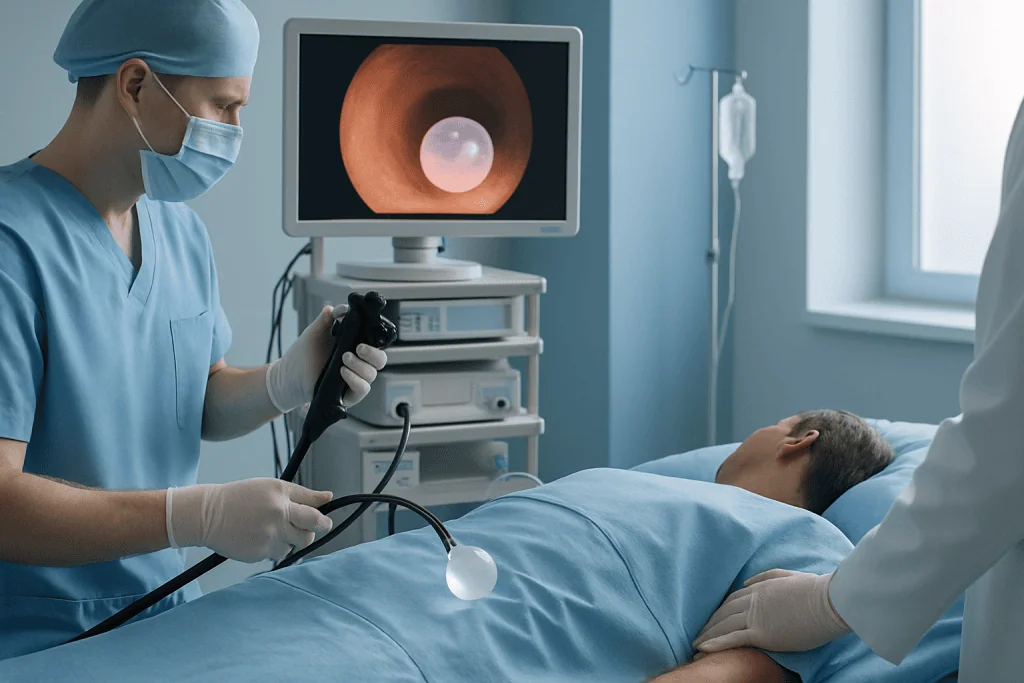
Most gastric balloons are placed during an upper endoscopy. A thin flexible tube with a camera is passed through the mouth into the stomach while the patient is sedated. The physician examines the esophagus, stomach and first part of the small intestine, then places the deflated balloon into the stomach and fills it with sterile fluid or gas, depending on the type of balloon selected. The balloon remains in place for a planned period, commonly several months, and is later removed endoscopically.
Some balloon systems are designed to be swallowed as a capsule and may not require traditional endoscopy for placement. The choice depends on the patient’s anatomy, medical history, local availability, physician recommendation and the specific balloon system being used. Regardless of type, the purpose is the same: to support weight loss by reducing food volume and giving patients a defined window to build healthier eating and activity patterns.
Unlike sleeve gastrectomy or gastric bypass, a gastric balloon does not remove stomach tissue, reroute the intestine or create permanent surgical changes. This makes it appealing to many patients who want a less invasive intervention. However, because it is temporary, the long-term result depends heavily on nutrition, physical activity, behavior change, medical follow-up and the patient’s ability to maintain new habits after removal.
Who May Need a Gastric Balloon?
A gastric balloon may be considered for adults who are overweight or living with obesity and who have not achieved sufficient, sustained weight loss through lifestyle measures alone. It is often discussed with patients who want a non-surgical approach, who are not candidates for bariatric surgery, or who need to lose weight before another medical procedure. It may also be considered for patients who have weight-related health concerns and would benefit from medically supervised weight reduction.
The evaluation begins with a detailed medical history. Your physician will ask about previous weight-loss attempts, eating patterns, reflux symptoms, medications, alcohol use, smoking, prior abdominal or stomach surgery, pregnancy plans, diabetes, hypertension, sleep apnea, liver disease, heart disease and other relevant conditions. A body mass index assessment is important, but it is not the only factor. Body composition, waist circumference, metabolic health and personal goals may also be reviewed.
Typical concerns that lead patients to ask about gastric balloon treatment include difficulty controlling portion size, feeling hungry soon after eating, repeated weight regain after dieting, reduced mobility due to weight, worsening blood sugar or blood pressure, snoring or suspected sleep apnea, fatty liver disease, joint pain and the desire to reduce risk before orthopedic, fertility or other medical treatments. Some patients are motivated by a recent diagnosis that has made weight loss more urgent.
Diagnosis and treatment planning may include blood tests, metabolic evaluation, nutritional assessment and, when appropriate, upper gastrointestinal endoscopy. Endoscopy is especially important when symptoms suggest reflux disease, gastritis, ulcers, hiatal hernia or other stomach conditions. The physician must make sure there are no findings that would make balloon placement unsafe or less suitable.
Not everyone is a candidate. A gastric balloon may not be appropriate for patients with certain large hiatal hernias, active stomach ulcers, severe esophagitis, previous stomach surgery that changes anatomy, bleeding disorders, severe liver disease with varices, inflammatory bowel conditions involving the upper digestive tract, pregnancy, active eating disorders or inability to commit to follow-up. Some medications, such as long-term blood thinners or anti-inflammatory drugs, may require special review. The final decision is individualized after a physician assessment.
Conditions and Indications a Gastric Balloon Can Address
The main indication for a gastric balloon is medically assisted weight loss in patients for whom a temporary, non-surgical device is appropriate. It may help patients reduce weight and improve obesity-related health risks when combined with structured dietary and lifestyle support.
Patients may consider a gastric balloon in several situations. Some have mild to moderate obesity and prefer a reversible option before considering surgery. Some have a higher surgical risk and need to lose weight before an operation such as joint replacement, hernia repair, fertility treatment or another planned procedure. Others have metabolic conditions, such as prediabetes, type 2 diabetes, high blood pressure, abnormal cholesterol levels or fatty liver disease, where even moderate weight reduction can be clinically meaningful.
A gastric balloon may also be used as part of a staged weight-management strategy. For example, a patient with significant obesity may need initial weight reduction to lower anesthesia risk or improve mobility before considering a more definitive bariatric procedure. In other cases, the balloon may be the preferred intervention when the patient’s goals, medical profile and expectations align with a temporary treatment.
It is important to understand what the balloon does not treat directly. It does not correct emotional eating by itself, and it does not replace medical treatment for diabetes, hypertension or sleep apnea. It also does not remove the need for balanced nutrition and physical activity. Its value is strongest when it is used as a structured support tool, allowing the patient to experience smaller portions, learn new meal patterns and work with professionals while appetite and stomach capacity are reduced.
How Gastric Balloon Treatment Is Performed
Gastric balloon treatment begins before the day of placement. The preparation phase is designed to confirm that the procedure is suitable, reduce avoidable risk and help you understand what the first days after placement will feel like. International patients are usually asked to share medical records, medication lists, previous endoscopy reports if available, and recent laboratory results before travel or during the initial hospital visit.
Initial Assessment and Planning
Your care team will review your weight history, medical conditions, medications, allergies, previous procedures and lifestyle patterns. A physician may request blood tests to evaluate metabolic status, liver and kidney function, blood count and other factors. Depending on symptoms and medical history, additional cardiac, pulmonary or endocrine evaluation may be recommended. Patients with reflux, abdominal pain, anemia, vomiting or previous stomach disease may need particular attention before proceeding.
A nutritional consultation is also central to preparation. The balloon changes how much you can eat, especially in the early weeks. Patients are typically guided through a staged diet that begins with liquids, advances to soft foods and then to small solid meals. Learning this plan before placement helps reduce anxiety and improves safety after the procedure.
Before the Procedure
Patients are usually instructed not to eat or drink for a set period before balloon placement. Your physician will provide specific guidance about diabetes medications, blood thinners, blood pressure medicines and other prescriptions. If sedation or anesthesia is planned, you will be assessed by an anesthesia team. The goal is to make the procedure comfortable while monitoring breathing, blood pressure, heart rhythm and oxygen levels.
On arrival, the team confirms your identity, procedure plan, consent and any changes in your health. For many patients, gastric balloon placement is performed as an outpatient procedure, meaning no overnight hospital stay is needed. Some patients may be observed longer, especially if they have nausea, dehydration risk or other medical considerations.
Placement of the Balloon
For an endoscopic balloon, the physician first examines the upper digestive tract using a flexible camera. This step helps identify inflammation, ulcers, narrowing, masses or anatomical issues that could affect treatment. If the stomach is suitable, the deflated balloon is passed into the stomach and filled to the planned volume with sterile liquid or gas. The filling volume is selected according to the balloon system and the patient’s anatomy.
The procedure itself is usually brief, often completed in less than an hour, although the total visit is longer because of preparation and recovery from sedation. After placement, patients are monitored while the sedation wears off. Nausea, cramping, bloating and a sensation of pressure are common in the first days as the stomach adapts to the balloon. Medications may be prescribed to reduce nausea, acid production and stomach spasms.
For selected swallowable balloon systems, placement may involve swallowing a capsule attached to a thin catheter. Imaging is used to confirm position before the balloon is filled. The catheter is then removed. Some of these balloons are designed to pass naturally after a defined period, while others require planned endoscopic removal. Your physician will explain which approach applies to your treatment.
Technology Used During Care
Gastric balloon treatment relies on modern diagnostic and procedural tools rather than surgery. High-resolution endoscopic imaging allows physicians to evaluate the stomach lining and place or remove the balloon with direct visualization. Anesthesia monitoring supports patient comfort and safety during sedation. Laboratory testing helps identify metabolic risks, anemia, inflammation or organ function concerns. Imaging may be used for certain balloon types to confirm correct placement or to assess symptoms if they occur.
Follow-up technology may include body composition analysis, digital nutrition tracking, remote consultations and structured clinical monitoring. These tools do not replace commitment, but they help the care team adjust nutrition, hydration, medication and activity recommendations based on the patient’s progress.
Removal of the Balloon
The balloon is temporary and must be removed at the appropriate time unless it is a system specifically designed to empty and pass naturally. For endoscopic removal, the patient is sedated, the physician inserts an endoscope, deflates the balloon and removes it through the mouth using specialized instruments. Removal is planned in advance because keeping a balloon longer than recommended can increase risk.
The period after removal is important. Some patients experience increased appetite as stomach capacity returns. Continued nutritional follow-up, physical activity and behavioral strategies are essential to maintaining the progress made during treatment. The most successful patients generally use the balloon period to practice a sustainable routine rather than relying on the device alone.
Why Acting Early Matters
Weight-related health issues often progress gradually. Blood pressure may rise, blood sugar may become more difficult to control, fatty liver disease may worsen and joint discomfort may limit movement. As activity declines, weight gain can become more difficult to reverse. Acting earlier can create an opportunity to interrupt this cycle before complications become more advanced.
For some patients, delaying treatment means continuing to struggle with repeated diets that lead to frustration and weight regain. For others, delay can affect eligibility for fertility treatment, orthopedic surgery or other medical care. When excess weight is contributing to sleep apnea, reflux, diabetes risk or cardiovascular strain, a supervised weight-loss plan may have benefits beyond appearance.
Early evaluation does not mean that every patient should have a gastric balloon. It means understanding your options before health risks become more complex. A physician may recommend lifestyle therapy, medication, a gastric balloon, bariatric surgery or another pathway. The right time to seek advice is when weight is affecting your health, daily life or future medical plans, and when self-directed efforts have not produced durable results.
There are also risks in choosing an intervention without proper evaluation. If a patient has an undiagnosed ulcer, severe reflux, a significant hiatal hernia or an eating disorder, balloon placement may be unsafe or ineffective. Acting early with a qualified medical team allows these issues to be identified and managed appropriately.
Benefits of Gastric Balloon Treatment
The benefits of a gastric balloon are greatest when the device is combined with medical supervision, nutrition planning and long-term behavior change.
| Benefit | What It Means for You |
|---|---|
| Non-surgical approach | The balloon is placed without incisions and without permanently changing the stomach or intestines, which may be suitable for patients who want a less invasive option. |
| Earlier fullness with smaller meals | Because the balloon occupies space in the stomach, many patients feel satisfied with reduced portions, especially during the active treatment period. |
| Structured period for lifestyle change | The months with the balloon can help patients practice new meal timing, portion control, hydration habits and activity routines with professional guidance. |
| Potential improvement in weight-related risks | Weight reduction may support better blood sugar, blood pressure, cholesterol, fatty liver markers, sleep quality and mobility, depending on the individual patient. |
| Temporary and reversible treatment | The balloon is removed after the planned period, making it different from bariatric operations that permanently alter digestive anatomy. |
| May support readiness for other care | For selected patients, weight loss before another procedure may help reduce operative risk or improve eligibility for planned treatment. |
Recovery Timeline After Gastric Balloon Placement
Recovery varies from patient to patient, but most people follow a staged pattern as the stomach adapts and eating gradually advances.
| Time Period | What Patients Can Expect |
|---|---|
| Day 1 | You may feel nausea, cramping, bloating, pressure or fatigue after sedation. Clear liquids are usually started slowly, and medications may be used to control symptoms. |
| First Week | The stomach adapts to the balloon. Nausea and discomfort often improve over several days. The diet usually progresses from liquids to thicker fluids or soft foods under medical guidance. |
| First Month | Most patients are eating small, structured meals. Nutrition counseling focuses on protein intake, hydration, avoiding high-calorie liquids and recognizing fullness cues. |
| During Balloon Therapy | Weight loss is monitored, activity is gradually increased and the care plan is adjusted. Follow-up helps address reflux, intolerance, constipation, food choices or plateaus. |
| After Removal | Appetite may increase, so maintenance planning becomes essential. Continued follow-up supports long-term habits and reduces the risk of weight regain. |
| Longer Term | Durable results depend on sustained nutrition, movement, sleep, stress management and medical care for obesity-related conditions. |
What Influences a Good Result?
The outcome of gastric balloon treatment depends on several factors, beginning with proper patient selection. A balloon is most effective when the patient’s body mass index, digestive anatomy, medical history, eating pattern and expectations align with what the treatment can realistically provide. Patients who expect the balloon to do all the work may be disappointed. Patients who view it as a structured tool for changing behavior are generally better positioned for meaningful progress.
Nutrition is one of the most important factors. The balloon restricts volume, but it does not automatically improve food quality. High-calorie liquids, frequent snacking, sweets, alcohol and soft processed foods can reduce the benefit because they may pass through the stomach more easily or add calories without creating fullness. A successful plan emphasizes adequate protein, vegetables as tolerated, fiber, measured portions, slow eating and consistent hydration.
Physical activity also matters, but it must be realistic. Many patients begin with walking and gradually add resistance training or supervised exercise as weight, stamina and joint comfort improve. Preserving muscle is important during weight loss. For patients with knee, hip or back pain, a tailored activity plan may be safer and more sustainable than a generic exercise program.
Medical follow-up affects both safety and results. Early nausea, vomiting, reflux, dehydration or constipation should be addressed promptly. If a patient cannot drink enough fluids or has persistent vomiting, medical evaluation is necessary. Rare complications, such as balloon intolerance, ulceration, deflation, migration or bowel obstruction, require timely attention. Clear communication with the clinical team is especially important for patients who travel internationally and may need follow-up across time zones.
Behavioral factors are equally important. Sleep deprivation, stress, emotional eating, shift work, depression, anxiety and social pressures can interfere with weight-loss maintenance. Some patients benefit from psychological or behavioral support, particularly if they have a long history of weight cycling or eating in response to emotions. A gastric balloon can reduce stomach capacity, but it cannot remove the emotional and environmental drivers of eating.
The removal phase should be planned from the beginning. The months after balloon removal are when patients must continue the habits they built during treatment. Ongoing medical nutrition therapy, periodic weight monitoring and clear strategies for travel, restaurants, holidays and stressful periods can help preserve results. For some patients, medication for weight management or another intervention may be considered if weight regain risk is high.
Why International Patients Choose Acibadem for Gastric Balloon Treatment
For patients traveling from the United States, Europe, the Middle East or other regions, choosing where to receive gastric balloon treatment involves more than comparing procedure availability. The experience depends on accurate assessment, safe endoscopic practice, clear communication, aftercare planning and the ability to coordinate medical travel responsibly.
Acibadem Hospitals provide gastric balloon treatment within JCI-accredited hospital settings, where patient safety, infection control, anesthesia standards and clinical processes are organized according to recognized international quality expectations. This is particularly relevant for a procedure that may seem simple but still requires careful evaluation, sedation planning, endoscopic skill and prompt management of side effects.
Care is typically coordinated by physicians experienced in gastroenterology, bariatric medicine, general surgery, endocrinology, nutrition and related specialties as needed. Not every patient requires every specialist, but access to a multidisciplinary structure is important. If a patient has diabetes, reflux disease, fatty liver disease, sleep apnea, prior surgery or complex medication needs, the treatment plan can be reviewed from more than one clinical perspective. Specialist boards and multidisciplinary discussions are used when complex cases require broader input.
Acibadem’s diagnostic pathway supports careful candidate selection. Endoscopic evaluation can identify stomach inflammation, ulcers, anatomical concerns or other findings that may change the plan. Laboratory testing and metabolic assessment help clarify risks and guide nutrition recommendations. When additional evaluation is needed, such as cardiology, pulmonology or endocrinology review, it can often be coordinated within the same hospital network.
The procedure is performed using modern endoscopic equipment that allows direct visualization of the upper digestive tract. Sedation or anesthesia is planned according to the patient’s health status, with monitoring throughout the procedure and recovery period. The goal is not only to place the balloon but to do so in a medically controlled environment where discomfort, dehydration risk, reflux symptoms and early intolerance can be managed appropriately.
International patient services are an important part of the care experience. Acibadem International supports patients with appointment scheduling, medical record transfer, language interpretation in more than 20 languages, airport and hospital coordination, accommodation guidance and communication with clinical departments. For a patient considering treatment abroad, this structure can make the process clearer and reduce the burden of navigating an unfamiliar health system.
Personalized planning is especially important for gastric balloon treatment because patients differ significantly in eating habits, work demands, travel schedules, medical conditions and follow-up needs. A patient who flies home shortly after placement requires clear instructions on hydration, medications, warning signs and how to reach the care team. A patient staying longer in Turkey may have additional in-person follow-up. A patient with diabetes needs careful medication review as food intake changes. These details affect safety and comfort.
Patients also choose Acibadem because gastric balloon treatment can be integrated with broader medical care. If testing identifies reflux disease, insulin resistance, thyroid dysfunction, liver concerns or another issue, these can be addressed rather than ignored. When a gastric balloon is not the best choice, physicians can discuss alternatives, including medical weight management or bariatric surgery when appropriate. A responsible recommendation is based on suitability, not simply on performing a procedure.
For international patients, continuity after returning home is part of the discussion. While in-person care with a local physician may be needed for urgent symptoms, Acibadem can help provide medical summaries, diet instructions and follow-up guidance. Patients are encouraged to maintain communication with both the Acibadem team and their local healthcare providers, particularly if they have chronic medical conditions or take prescription medications.
Taking the Next Step
A gastric balloon can be a valuable option for selected patients who need medically supported weight loss but are not ready for, or do not require, bariatric surgery. It offers a temporary reduction in stomach capacity and a structured opportunity to change eating patterns. The best results come from a clear plan: careful evaluation before placement, skilled procedural care, nutrition support during treatment and a maintenance strategy after removal.
If you are considering a gastric balloon abroad, the first step is not the procedure itself. It is a thoughtful medical review of your weight history, health risks, previous treatments, expectations and travel needs. A consultation or second opinion can help determine whether a gastric balloon is appropriate for you, whether another approach may be safer or more effective, and how your follow-up can be organized after you return home.
Acibadem’s teams can review your medical information, answer procedure-specific questions and help you understand what the treatment journey may involve before you make a decision. With the right preparation and realistic expectations, gastric balloon therapy can become part of a practical, medically guided path toward better weight control and improved health.
This information is general and is not a substitute for professional medical advice. Diagnosis and treatment recommendations should always be made by a qualified physician after an individual medical evaluation.
Preparation
- Before gastric balloon placement, patients are evaluated by a bariatric team and may need blood tests, endoscopy assessment, and anesthesia review. Eating and drinking are usually restricted for several hours before the procedure. Current medications and medical conditions should be discussed with the doctor in advance.
Aftercare
- After placement, patients start with liquids and gradually progress to soft and then regular foods under dietitian guidance. Nausea, cramps, or reflux may occur during the first few days and are usually managed with medication. Regular follow-up is important to monitor weight loss, nutrition, and balloon removal timing.
Turkey vs UK, Germany & USA
Gastric balloon costs vary by country because the procedure involves specialist assessment, endoscopic placement or supervised swallowing, follow-up care, and lifestyle support. Comparing destinations can help patients understand how pricing, access, hospital standards, and travel logistics may affect the overall experience.
The main differences between destinations relate to private healthcare pricing, what is included in the care package, access to experienced obesity specialists, and the level of support for international patients.
| Factor | Turkey | UK | Germany | USA |
|---|---|---|---|---|
| Price drivers | Package-based private care is common, with costs influenced by balloon type, endoscopy needs, and follow-up support. | Costs vary between private providers and may rise with consultations, diagnostics, and dietitian support billed separately. | Pricing is shaped by clinic setting, physician fees, diagnostics, and structured follow-up programmes. | Facility, specialist, anaesthesia, diagnostics, and follow-up fees can be billed separately, with wide insurance variability. |
| Hospital and specialist factors | International hospitals may offer multidisciplinary obesity teams and coordinated scheduling. | Care may be provided through private hospitals or specialist weight management clinics. | Care is often delivered in regulated hospital or outpatient endoscopy settings with specialist assessment. | Care may take place in hospital systems, ambulatory centres, or specialist obesity practices. |
| Accreditation and quality | Some hospitals, including JCI-accredited centres, follow international patient safety and care coordination standards. | Quality oversight depends on provider setting and national regulatory requirements. | Providers operate under national healthcare regulation and professional standards. | Accreditation varies by facility, with hospital and ambulatory centre standards differing by provider. |
| Waiting times | Private scheduling may allow coordinated appointments for consultation, placement, and early follow-up. | Access may depend on private availability or public pathway eligibility and referral processes. | Private appointments are generally planned after specialist review and diagnostic clearance. | Timing depends on provider availability, insurance approval when relevant, and pre-procedure clearance. |
| Travel and language logistics | International patient departments may support airport transfers, accommodation guidance, interpreters, and remote communication. | Travel needs are lower for local patients, while international patients may arrange logistics independently. | International patients may need to confirm language support and local accommodation arrangements. | Travel, accommodation, and local support can add to the overall patient experience and budget. |
| What a package may include | Consultation, selected tests, balloon placement, early follow-up, dietitian guidance, and patient coordination may be bundled. | Packages vary; dietitian visits, tests, medication, or balloon removal may be separate. | Packages may include assessment, procedure, monitoring, and nutrition advice depending on the provider. | Inclusions vary widely, and separate billing for facility and professional services is common. |
What affects your final cost
- Type of gastric balloon and whether placement is endoscopic or swallowable.
- Pre-procedure tests, specialist consultations, and anaesthesia or sedation requirements.
- Hospital or clinic accreditation, endoscopy facility standards, and obesity team experience.
- Follow-up schedule, dietitian support, medication for nausea or reflux, and removal planning when needed.
- Travel, accommodation, interpreter support, and companion arrangements for international patients.
- Any additional treatment required if the balloon is not suitable or if side effects need extra care.
Compare your options
Several options may support weight management, and the most appropriate choice depends on body mass profile, medical history, eating patterns, expectations, and specialist assessment. Suitability is decided by an obesity specialist or bariatric team.
| Option | What it is | Typical use | Key considerations |
|---|---|---|---|
| Endoscopic gastric balloon | A temporary balloon is placed in the stomach during an endoscopic procedure and later removed. | Used for patients seeking a non-surgical aid to reduce food intake alongside diet and behaviour changes. | Requires endoscopy, follow-up, lifestyle commitment, and planned removal. Nausea, reflux, or intolerance may occur. |
| Swallowable gastric balloon | A capsule-like balloon is swallowed and filled after position is checked, without standard endoscopy in suitable cases. | May be considered for selected patients who prefer a less invasive placement process. | Not suitable for everyone. Availability, anatomy, prior surgery, and safety checks are important. |
| Medical weight management | A supervised programme using nutrition, activity guidance, behavioural support, and sometimes medication. | Used alone or before and after balloon treatment to improve long-term habits. | Results depend strongly on adherence and ongoing monitoring. Medication suitability requires medical review. |
| Endoscopic sleeve gastroplasty | An endoscopic procedure that reduces stomach volume using internal suturing without removing part of the stomach. | May be considered for patients needing more durable restriction than a balloon but not seeking surgery. | Requires specialist expertise, endoscopic facilities, and structured follow-up. It is more involved than balloon treatment. |
| Bariatric surgery | Surgical procedures that alter stomach size or digestive pathway, such as sleeve gastrectomy or gastric bypass. | Usually considered for patients with more significant obesity or obesity-related health conditions. | Involves surgery, hospital stay, long-term nutritional monitoring, and careful risk assessment. |
Trusted care for international patients
General information only — not medical or financial advice. Final costs depend on the factors above and your individual case; request a free, personalised quote.
Medical Units
Guides for This Treatment
Frequently Asked Questions
What affects the cost of a gastric balloon?
Cost is influenced by the balloon type, placement method, hospital or clinic setting, specialist fees, pre-procedure tests, sedation needs, dietitian support, follow-up visits, and whether removal is included. Travel and accommodation can also affect the overall budget for international patients.
How can I get a personalised quote from Acibadem?
You can request a free consultation by sharing your medical history, weight management goals, previous stomach or oesophageal conditions, current medications, and any relevant test results. The clinical team can then review suitability and provide a personalised care plan and quote.
Does a gastric balloon package include follow-up care?
Package contents vary by provider. A comprehensive package may include assessment, procedure coordination, early monitoring, nutrition guidance, and removal planning when required. It is important to confirm exactly what is included before booking.
Is the cheapest gastric balloon option always the best choice?
Not necessarily. Patients should consider specialist experience, safety standards, endoscopy facility quality, emergency support, follow-up access, dietitian involvement, and clear communication, not only the headline fee.
Will I need extra tests before the procedure?
A specialist may request blood tests, endoscopic evaluation, imaging, or other checks depending on your history and symptoms. These tests help confirm whether gastric balloon treatment is safe and suitable for you.
Is this information medical or financial advice?
No. This is general educational information. Final suitability, treatment planning, and costs should be confirmed after specialist assessment and a personalised consultation.