Gastric Sleeve in Turkey: Treatment Guide
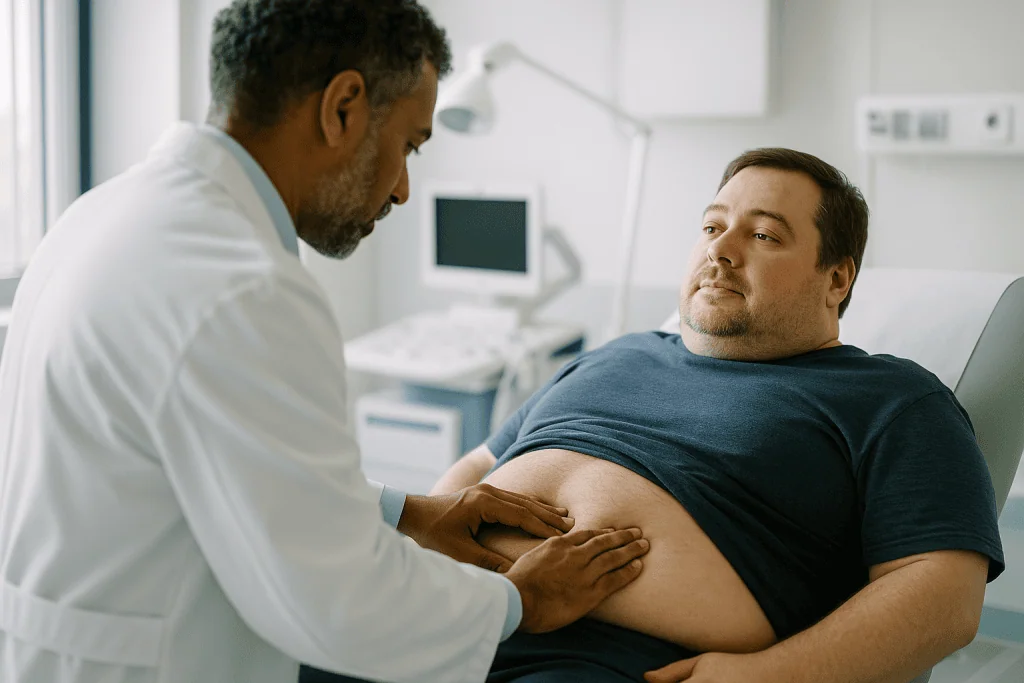
Gastric sleeve surgery is a weight-loss operation that reduces the size of the stomach to help limit food intake and support long-term obesity treatment. In Turkey, Acibadem plans gastric sleeve care through specialist evaluation, minimally invasive surgery when appropriate, and structured follow-up covering nutrition, recovery, and ongoing weight management.
This guide explains what to expect when considering gastric sleeve surgery in Turkey, from online evaluation and travel planning to surgery, recovery, lifestyle changes and follow-up. It is designed to help you make informed, confident decisions with a qualified bariatric team.
At a glance
- Procedure type: Laparoscopic bariatric surgery, also called sleeve gastrectomy
- Purpose: To support long-term weight loss by reducing stomach size and helping appetite control
- Anesthesia: General anesthesia
- Hospital stay: Usually a few nights, depending on your health and recovery
- Estimated recovery: Most patients recover gradually over several weeks, with staged diet progression
- Return to daily life: Light daily activities are often resumed within 1-2 weeks, with medical clearance
- Final result timeline: Weight loss develops progressively over 12-18 months and varies by patient
- Suitable department: Bariatric Surgery, General Surgery, Endocrinology, Nutrition and Dietetics
- International patient support: Online coordination, interpreters, airport transfers, accommodation guidance and remote follow-up
What is this treatment?
Gastric sleeve surgery, medically known as sleeve gastrectomy, is a bariatric procedure designed to support significant and sustained weight loss. During the operation, a large portion of the stomach is removed, leaving a narrow, sleeve-shaped stomach. This reduces the amount of food you can comfortably eat and may also influence hunger-related hormones, helping many patients feel satisfied with smaller portions.
The procedure is usually performed laparoscopically, using small incisions and a camera-guided technique. Because the digestive pathway is not rerouted, gastric sleeve is different from gastric bypass. However, it is still a major operation and requires careful preparation, experienced surgical care, and long-term commitment to nutrition, activity and follow-up.
At Acibadem International, gastric sleeve care is coordinated by bariatric surgery teams working with anesthesiology, nutrition and dietetics, internal medicine, endocrinology and other specialists when needed. For international patients, the process can begin before travel through a secure review of medical information, helping you understand whether this treatment may be appropriate before you make arrangements.
When is it recommended?

Gastric sleeve may be recommended for people living with obesity when medically supervised lifestyle changes, nutrition programs, physical activity and other non-surgical approaches have not produced sufficient or sustainable results. It may also be considered when excess weight is contributing to health problems such as type 2 diabetes, high blood pressure, sleep apnea, joint pain, fatty liver disease or reduced mobility.
Recommendations are based on a full medical assessment, not weight alone. Your doctor will consider your body mass index, obesity-related conditions, previous weight loss attempts, eating patterns, psychological readiness, current medications and overall surgical risk. Some patients may need additional evaluation by cardiology, pulmonology, endocrinology or psychiatry before a final decision is made.
Gastric sleeve is not a quick cosmetic solution. It is a medical treatment intended to help improve health and quality of life, but it works best when you are prepared to change how you eat, drink, move and follow medical advice. Your team will discuss realistic expectations, possible alternatives and the responsibilities that come with bariatric surgery.
Who is a good candidate?

A good candidate is usually someone with obesity who understands the benefits, limits and responsibilities of bariatric surgery. You should be ready to follow a staged diet after surgery, attend medical controls, take recommended supplements when prescribed, avoid harmful eating patterns and build healthier long-term habits. Emotional readiness and a supportive home environment can make recovery and lifestyle change easier.
You may need additional assessment if you have uncontrolled medical conditions, significant heart or lung disease, untreated eating disorders, active substance misuse, severe reflux symptoms or previous abdominal surgery. These factors do not always prevent surgery, but they may affect timing, technique, preparation or whether a different option is safer.
The final decision is always individualized. Your surgeon and medical team will review your test results, medical history, anesthesia risk and personal goals before recommending gastric sleeve, another bariatric procedure or a non-surgical treatment plan. This careful evaluation helps protect your safety and supports more realistic results.
Treatment options
For many patients, laparoscopic sleeve gastrectomy is the main option. It involves removing part of the stomach and creating a smaller stomach sleeve. Laparoscopic surgery generally allows smaller incisions than open surgery, but the appropriate technique depends on your anatomy, previous operations, surgical findings and your surgeon’s judgment.
In some cases, your team may discuss alternative bariatric procedures. Gastric bypass may be considered for selected patients, especially when reflux, diabetes patterns or previous weight loss history suggest it may be more suitable. Revision bariatric surgery may be considered for people who have had a previous weight loss procedure and are experiencing complications, insufficient weight loss or weight regain, but revision cases require particularly careful assessment.
Non-surgical or less invasive options may also be discussed for some patients, such as structured medical weight management, dietitian-led programs or endoscopic weight loss methods. These may be appropriate if surgery is not currently recommended, if you need to lose weight before surgery, or if your health profile suggests a different pathway. The goal is not to choose the fastest option, but the safest and most effective option for your situation.
Online evaluation before travel
Your journey can begin with an online evaluation through Acibadem International. You may be asked to share your medical history, current weight and height, previous weight loss attempts, medications, allergies, existing diagnoses, previous operations and recent test results. If available, reports from your family doctor, endocrinologist, cardiologist, sleep specialist or previous bariatric team can be helpful.
The preliminary review helps the medical team understand whether gastric sleeve may be appropriate and whether any additional tests should be planned after arrival. It can also identify issues that may affect travel timing, such as uncontrolled diabetes, anemia, heart symptoms, severe sleep apnea, blood clot history or medication adjustments. This step does not replace an in-person examination, but it allows better preparation.
After review, you may receive an outline of the recommended medical pathway, expected hospital process, approximate length of stay and what is typically included in the treatment arrangement. A final plan is confirmed only after your in-person consultation, examination and pre-operative tests in Turkey.
Before the treatment
Before gastric sleeve surgery, your team will perform a detailed evaluation to assess your readiness and reduce avoidable risks. This may include blood tests, imaging, electrocardiogram, anesthesia assessment and consultations with relevant specialists. Some patients may need additional investigations depending on age, symptoms, medical history or previous test results.
You will also meet the dietitian or receive nutrition guidance to prepare for surgery and understand the post-operative diet stages. You may be advised to stop smoking, limit alcohol, improve blood sugar control, increase gentle activity or adjust certain medications before the operation. Never stop prescribed medicines on your own; changes should be made only with medical guidance.
Practical preparation matters too. Bring comfortable clothing, your medical documents, a list of medications and any devices you use, such as a CPAP machine for sleep apnea if applicable. Arrange for a companion if possible, especially for the early recovery period. If you travel alone, the international patient team can help coordinate hospital logistics and communication support.
What happens during the treatment
On the day of surgery, you will be admitted and checked by the nursing, anesthesia and surgical teams. General anesthesia is used, so you will be asleep and pain-free during the operation. Safety checks are completed before surgery, including confirmation of your identity, planned procedure, allergies and relevant medical details.
During laparoscopic sleeve gastrectomy, the surgeon makes small abdominal incisions and uses specialized instruments to remove part of the stomach. The remaining stomach is shaped into a sleeve. Your surgical team may perform checks during the procedure to assess the staple line and reduce the risk of leakage, depending on the case and surgeon preference.
After surgery, you are taken to a recovery area where your breathing, blood pressure, pulse, oxygen level and comfort are monitored closely. You may have intravenous fluids, pain control, anti-nausea medication and blood clot prevention measures as advised by your medical team. Early gentle walking is usually encouraged when safe.
Hospital stay and discharge
After gastric sleeve surgery, you will stay in the hospital for observation, pain management, hydration support and early recovery. Your team will monitor your vital signs, incision sites, ability to drink fluids, nausea, mobility and overall comfort. Some patients may have imaging or other checks before starting or advancing liquids, depending on the hospital protocol and clinical situation.
Discharge is planned when your surgeon is satisfied that you are stable, able to drink as instructed, walking safely and understanding your home-care plan. You will receive guidance on diet stages, hydration, wound care, medications, activity, warning signs and the timing of your first control appointment. If you are an international patient, travel clearance will be discussed before you fly home.
It is important not to rush discharge or travel. Even if you feel well, the early period after bariatric surgery requires observation and clear instructions. Acibadem International coordinators can help align your medical appointments, hotel stay, interpreter support and transfer arrangements so that your discharge process is organized and calm.
Recovery timeline
Recovery after gastric sleeve is gradual. You will move through diet stages as advised by your bariatric team, usually beginning with clear or full liquids and progressing slowly toward pureed, soft and then more regular textures. The exact timeline may vary based on your surgeon’s protocol, your tolerance and your medical condition.
| Timeframe | What to expect |
|---|---|
| First 24 hours | Close monitoring, intravenous fluids, pain and nausea control, breathing exercises and gentle assisted walking when safe. |
| First week | Liquid diet, focus on hydration, short walks, wound care and awareness of warning signs. Fatigue and mild abdominal discomfort can occur. |
| Weeks 2-4 | Gradual diet progression according to your plan, increasing light activity, improved energy for many patients and continued attention to protein and fluids. |
| Months 1-3 | Ongoing weight loss, adaptation to smaller portions, follow-up with dietitian or doctor, and possible introduction of more structured exercise if cleared. |
| Final result | Weight loss continues at different speeds for each person and is usually assessed over 12-18 months, alongside health changes and lifestyle habits. |
Your recovery is not only physical. You may need time to adjust emotionally to new eating patterns, changing body image and social situations involving food. Regular follow-up, honest communication and support from your care team can help you manage challenges early.
What to avoid after treatment
After gastric sleeve surgery, avoid eating or drinking outside the plan given by your bariatric team. Drinking carbonated beverages, eating too quickly, skipping fluids, overeating, consuming high-sugar foods or returning to alcohol too early can cause discomfort and may interfere with recovery. You should also avoid using medications that irritate the stomach unless your doctor approves them.
Heavy lifting, strenuous exercise and long periods of immobility should be avoided until your doctor clears you. Gentle walking is usually encouraged because it supports circulation and recovery, but intense training should wait. If you are flying home, follow your team’s advice about hydration, movement during travel and blood clot prevention measures when recommended.
Smoking is strongly discouraged because it can affect healing and increase complication risk. You should also avoid comparing your weight loss speed with other patients. Different starting weights, health conditions, hormones, activity levels and adherence to nutrition plans can all influence progress.
Risks and possible complications
Gastric sleeve is commonly performed, but it remains major surgery and carries risks. Possible early complications include bleeding, infection, reaction to anesthesia, blood clots, breathing problems, nausea, dehydration, wound issues and leakage from the stomach staple line. Your medical team takes precautions to reduce these risks, but they cannot be eliminated completely.
Possible longer-term issues include reflux, narrowing of the sleeve, food intolerance, nutritional deficiencies, hair shedding, gallbladder problems, insufficient weight loss or weight regain. Some patients may need endoscopic treatment, medication, nutritional support or, rarely, another operation. Revision surgery may sometimes be considered, but it is more complex and requires careful evaluation.
Your individual risk depends on factors such as your weight, age, smoking status, diabetes control, heart and lung health, previous abdominal surgery and adherence to aftercare instructions. A transparent discussion with your surgeon helps you understand both the potential benefits and the possible complications before giving consent.
Warning signs: when to contact a doctor
Before you leave the hospital, your team will explain which symptoms are expected and which require urgent medical attention. If you are back at your hotel or have returned home, do not wait if something feels wrong. Contact your medical team or seek emergency care according to the instructions you received.
- Fever, chills or feeling increasingly unwell
- Severe or worsening abdominal, chest or shoulder pain
- Persistent vomiting or inability to keep fluids down
- Shortness of breath, fainting, rapid heartbeat or dizziness
- Redness, swelling, pus, opening or increasing pain at incision sites
- Signs of dehydration, such as very low urine output, dark urine or extreme weakness
- Leg swelling, calf pain or sudden chest discomfort
- Black stools, vomiting blood or unusual bleeding
- Severe reflux, difficulty swallowing or inability to progress fluids as advised
These symptoms do not always mean a serious complication is present, but they should be checked promptly. Early communication allows your doctor to decide whether you need medication adjustment, tests, hospital review or urgent treatment.
Results and expectations
Gastric sleeve can support meaningful weight loss and may improve obesity-related health conditions, but results vary. Surgery changes stomach capacity and may help appetite control, yet long-term success depends strongly on nutrition, activity, follow-up and behavior change. It is helpful to think of the operation as a powerful tool, not a standalone cure.
Weight loss is usually fastest in the early months and then slows over time. Plateaus can happen and do not automatically mean failure. Your team can help you review portion sizes, protein intake, fluid intake, physical activity, sleep, medications and emotional eating patterns if progress becomes difficult.
Some patients may experience loose skin after significant weight loss, while others may later consider body contouring procedures. A small number of patients may have insufficient weight loss, weight regain or troublesome reflux and may require further evaluation. Your doctor will guide you based on your health, symptoms and goals.
International patient travel planning
When planning gastric sleeve surgery in Turkey, allow enough time for arrival, consultation, pre-operative tests, surgery, hospital stay, early recovery and first control. Your exact schedule depends on your medical condition and the team’s recommendations. It is usually better to keep your return flight flexible until your doctor confirms you are safe to travel.
Acibadem International can assist with practical details such as appointment coordination, airport transfers, interpreter services, accommodation guidance and communication between you and the hospital. If you are traveling with a companion, they can also receive guidance on visiting arrangements and how to support you after discharge.
Before flying home, ask your team about walking during travel, hydration, medication timing, wound care and what to do if symptoms occur during your journey. Keep your discharge summary, operative report, medication list and emergency contact information in your hand luggage. After returning home, continue follow-up remotely and with your local physician when appropriate.
Cost and package information
The cost of gastric sleeve surgery in Turkey depends on several factors, including the hospital, surgeon’s evaluation, complexity of your case, required pre-operative tests, consultations with other specialists, anesthesia needs, length of hospital stay and whether additional treatments are required. Previous abdominal surgery, significant medical conditions or revision bariatric surgery can also influence the overall plan.
A typical treatment arrangement may include surgeon evaluation, standard pre-operative tests, anesthesia, operating room services, hospital stay, nursing care, medications used during hospitalization, dietitian guidance, interpreter support and early control appointments. International patient services may help coordinate transfers and accommodation guidance, depending on the package structure.
Items that may not be included can vary and should be clarified before you travel. Examples may include flights, hotel accommodation, companion expenses, additional consultations, unexpected extra tests, treatment of unrelated conditions, extended hospital stay or care needed after returning home. Always request a written explanation of what is included, what is excluded and what may change after in-person medical evaluation.
Why choose Acibadem
Acibadem International provides care for patients from many countries through JCI-accredited hospitals, experienced specialist teams and dedicated international patient services. For gastric sleeve surgery, this means your care can be coordinated across bariatric surgery, anesthesia, nutrition, internal medicine and other departments when needed.
For you as an international patient, clear communication is essential. Interpreter support, organized appointments, airport transfer coordination, accommodation guidance and remote follow-up help reduce uncertainty during a medical trip. The aim is to make each step understandable, from document review before travel to discharge planning and follow-up after you return home.
Choosing a bariatric center is not only about having surgery; it is about having a safe pathway, realistic counseling and ongoing support. Acibadem’s multidisciplinary approach helps ensure that your medical condition, expectations and long-term health needs are considered before a treatment recommendation is made.
Medical review and disclaimer
This guide has been reviewed by the Acibadem International medical team and is intended to provide general information for international patients considering gastric sleeve surgery in Turkey. It explains common steps, expectations and safety considerations, but it cannot cover every individual medical situation.
The information here does not replace a consultation with a qualified physician, surgeon, dietitian or other healthcare professional. Diagnosis, suitability, treatment choice, surgical technique, medication decisions and travel clearance require personal medical evaluation and review of your test results.
If you have urgent symptoms or concerns after surgery, contact your medical team or seek emergency care. Results vary from person to person, and no medical treatment can be guaranteed. Your doctor will help you understand the likely benefits, limitations and risks based on your own health profile.
Step by step
- Initial contact. You contact Acibadem International and share your interest in gastric sleeve surgery, along with basic information such as age, height, weight, country of residence and preferred travel timing.
- Medical record / photo submission. You provide medical history, current diagnoses, medication list, allergies, previous surgeries, recent test results and any relevant reports. Photos or imaging may be requested when medically useful.
- Preliminary medical review. The bariatric team reviews your information to understand whether gastric sleeve may be appropriate and whether additional specialist assessment may be needed after arrival.
- Treatment plan and quotation. You receive a preliminary treatment pathway and written information about the expected services, inclusions and possible additional requirements. Final decisions are made after in-person evaluation.
- Travel planning. International patient coordinators help organize appointments, interpreter needs, airport transfers and accommodation guidance so your medical trip is planned around your care schedule.
- Arrival. You arrive in Turkey and are welcomed according to your planned arrangements. You should keep your passport, medical documents and medication list easily accessible.
- In-person consultation. You meet your surgeon and care team for physical examination, review of medical history, discussion of expectations and confirmation of whether gastric sleeve is suitable for you.
- Pre-operative tests. You complete required laboratory tests, imaging, anesthesia assessment and any additional consultations recommended for your safety.
- Treatment. If you are cleared for surgery, gastric sleeve is performed under general anesthesia, usually with laparoscopic techniques when appropriate.
- Hospital stay. You remain in the hospital for monitoring, hydration, pain control, nausea management, walking support and guidance on the first diet stage.
- First control. Your surgeon or clinical team checks your recovery, incision sites, fluid tolerance and overall condition before confirming the next stage of your plan.
- Discharge / travel clearance. You are discharged with written instructions and travel advice. Your return flight should follow medical clearance rather than a fixed assumption.
- Remote follow-up. After returning home, you continue communication with the Acibadem team as advised and coordinate ongoing care with your local healthcare providers when needed.
Your checklist
- Valid passport and travel documents
- Complete medical history, including obesity-related conditions
- Current medication and supplement list
- Known allergies and previous reactions to anesthesia or medicines
- Details of previous surgeries, especially abdominal or bariatric procedures
- Recent blood tests, imaging, endoscopy or specialist reports if available
- Information about diabetes, blood pressure, sleep apnea, heart or lung conditions
- Current symptoms such as reflux, swallowing difficulty, abdominal pain or vomiting
- Height, weight history and previous weight loss attempts
- Smoking, alcohol and lifestyle information
- Contact details for your local doctor or treating specialists
- Insurance documents or payment-related information if applicable
Key takeaways
- Gastric sleeve may suit people with obesity who have not achieved sufficient weight loss with non-surgical methods and who are ready for lifelong lifestyle changes.
- You should plan enough time in Turkey for consultation, pre-operative tests, surgery, early recovery and medical travel clearance before flying home.
- Recovery includes a gradual diet plan, hydration, walking, wound care and regular follow-up with your bariatric team.
- Possible risks include bleeding, infection, leakage, blood clots, reflux, nutritional deficiencies and the possibility of insufficient or regained weight loss.
- Your final treatment plan, safety assessment and suitability can only be confirmed after a physician evaluation and review of your medical history.
Frequently asked questions
Am I suitable for gastric sleeve surgery?
Suitability depends on your weight, body mass index, obesity-related conditions, previous weight loss attempts, eating patterns and overall health. Your surgeon will also consider anesthesia risk, medications, previous operations and readiness for long-term lifestyle changes. A final decision can only be made after medical evaluation.
How long should I stay in Turkey for gastric sleeve?
You should plan enough time for consultation, pre-operative tests, surgery, hospital stay, early recovery and first control. The exact length of stay depends on your health, recovery and travel clearance. Your return flight should ideally remain flexible until your doctor confirms it is safe.
Is gastric sleeve painful?
You should not feel pain during surgery because it is performed under general anesthesia. After surgery, abdominal discomfort, gas-related shoulder pain, nausea or tiredness can occur, especially in the early days. Your team will provide pain control and recovery instructions to help you stay comfortable.
When can I return to work after gastric sleeve?
Many patients return to light work after a short recovery period, but this varies by your job, energy level and medical progress. Desk-based work may be possible sooner than physically demanding work. Your surgeon will advise when it is safe for you to resume work and exercise.
What will I be able to eat after surgery?
You will follow a staged diet, usually starting with liquids and gradually moving to pureed, soft and then more regular foods. Portion sizes will be much smaller, and hydration and protein intake become very important. Your dietitian or bariatric team will give a detailed plan based on your progress.
Can I regain weight after gastric sleeve?
Yes, weight regain can happen if eating habits, portion control, activity and follow-up are not maintained, or due to individual biological factors. Gastric sleeve is a tool that supports weight loss, but it does not remove the need for long-term lifestyle care. If regain occurs, your team can help assess the causes and options.
What affects the cost of gastric sleeve in Turkey?
Cost is influenced by your medical needs, required tests, hospital stay, consultations, anesthesia, surgical complexity and whether additional care is needed. Package inclusions can vary, so it is important to ask what is included and what may be billed separately. A final treatment plan is confirmed after in-person evaluation.
Is it safe to travel abroad for bariatric surgery?
Medical travel can be safe when it is well planned and performed in an accredited hospital with qualified specialists, proper pre-operative assessment and clear aftercare. You should understand the risks, allow enough recovery time and keep communication open with your team. Acibadem International supports international patients with coordination, interpreters and follow-up planning.
Will gastric sleeve improve diabetes or blood pressure?
Some patients experience improvement in obesity-related conditions such as type 2 diabetes, high blood pressure, sleep apnea or joint discomfort after weight loss. However, results vary and medications should never be stopped without your doctor's approval. Your condition should be monitored regularly after surgery.
Will I need vitamins after gastric sleeve?
Many patients require nutritional monitoring and supplements after bariatric surgery to help prevent deficiencies. The exact supplements and follow-up tests depend on your diet, blood results and medical team's recommendations. Long-term follow-up is important even when you feel well.
Add us as a Preferred Source to see more of our trusted health content across Google Search, AI Overviews and Discover.

More Patient Guides

Day Surgery in Turkey: Can You Leave Hospital the Same Day?
Day surgery in Turkey often lets you go home the same day if your procedure and recovery are suitable and your doctor…
11 min read
General Anesthesia in Turkey: How to Prepare and What Happens Before You Sleep
General anesthesia in Turkey helps you sleep safely through surgery. Learn preparation, recovery, risks, and travel planning in Istanbul.
11 min read
Choosing Between Outpatient and Inpatient Treatment in Turkey: What Affects the Decision
Choosing Between Outpatient and Inpatient Treatment in Turkey depends on your procedure, health, recovery needs and travel plans.
11 min read