

Gastric Sleeve in Turkey: Recovery Timeline and Aftercare

After gastric sleeve surgery in Turkey, you typically stay in hospital for two to four days, then remain nearby for early follow-up before your surgeon confirms you are fit to fly. Initial recovery takes roughly two to four weeks, with your diet progressing in supervised stages from liquids to soft foods. Long-term aftercare — nutrition, hydration and vitamin monitoring — continues for months after you return home.
If you are planning a gastric sleeve in Turkey, your first questions are probably practical ones: how long will you be in hospital, when can you fly home, and what happens to your eating in those first weeks? Those answers shape your flights, your time off work, and how much help you will need once you are back.
This guide explains what a gastric sleeve involves, who it may suit, how recovery usually progresses, and what aftercare looks like once you leave Turkey. It also covers the parts most guides skip: what a quotation actually depends on, what to check about a hospital before you commit, and why the weeks after you land home matter as much as the operation itself.
At a glance
- Procedure type: Laparoscopic bariatric surgery that permanently reduces stomach size
- Purpose: To support significant weight loss and help manage obesity-related health conditions
- Anaesthesia: General anaesthesia
- Hospital stay: Usually 2–4 days, depending on your recovery and medical needs
- Estimated recovery: Initial recovery in 2–4 weeks; diet progresses in stages over several weeks
- Return to daily life: Light activities often resume within 1–2 weeks, depending on your job and progress
- Final result timeline: Weight loss develops gradually over months and depends on follow-up and lifestyle
- Suitable department: Bariatric Surgery / General Surgery with multidisciplinary obesity care
- International patient support: Interpreter services, airport–hotel–hospital transfers, accommodation guidance, and remote follow-up support
What is this treatment?
Gastric sleeve surgery, also called sleeve gastrectomy, is a bariatric procedure that removes a large part of the stomach, leaving a narrow, tube-shaped pouch. The smaller stomach means you feel full with much smaller meals, which makes a structured eating plan easier to sustain. The change is permanent: the removed portion of stomach is not put back.
This is not a cosmetic procedure. It is metabolic and weight-loss surgery, considered when excess weight is affecting your health or contributing to conditions such as type 2 diabetes, high blood pressure, sleep apnoea, joint problems or reduced mobility. The operation is almost always performed laparoscopically — through several small incisions rather than one large cut — which is one reason the hospital stay is measured in days rather than weeks.
If you are considering a gastric sleeve in Turkey, the surgery is only the middle of the pathway. Safe treatment also means a full pre-operative assessment, an anaesthesia review, post-operative monitoring, a staged diet plan, and follow-up that continues after you fly home. A hospital that treats the operation as a one-off event, rather than a pathway, is offering you less than you need. You can read more about how Acibadem structures this pathway on the gastric sleeve surgery treatment page.
When is it recommended?
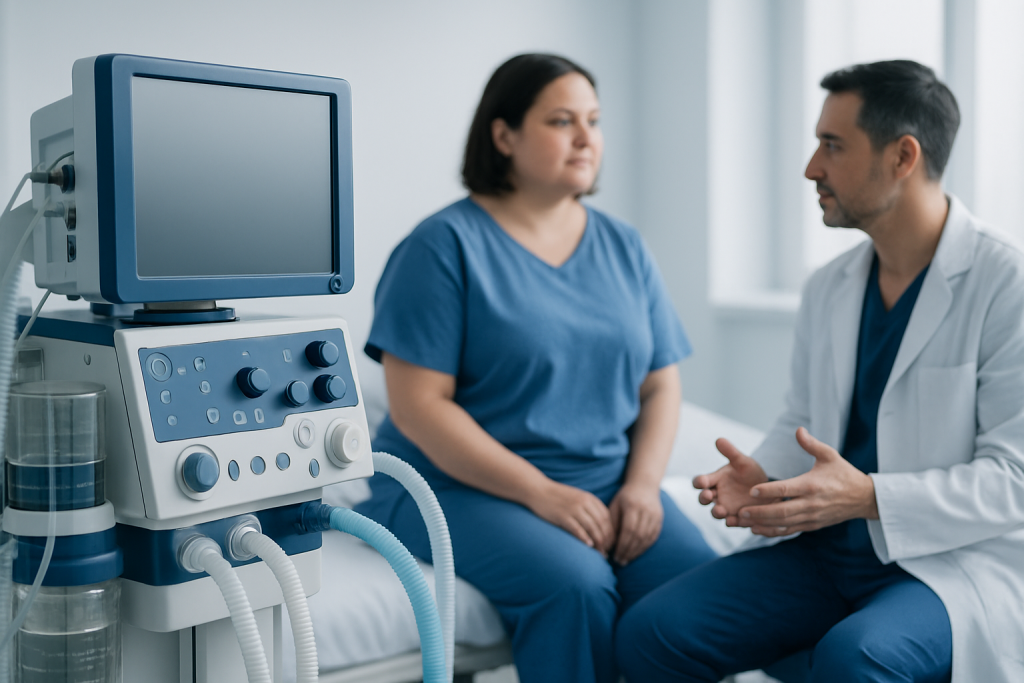
A gastric sleeve may be recommended when obesity is significantly affecting your health and non-surgical approaches have not produced lasting benefit. Doctors weigh your body mass index, weight-related medical conditions, previous weight-loss attempts, eating patterns and overall readiness for surgery. No single number decides it on its own.
The operation is usually discussed with people who need a durable tool for weight reduction and who understand that surgery works best when combined with long-term changes in nutrition, activity and follow-up. Where obesity is contributing to metabolic conditions, the sleeve may be considered as part of a wider plan to improve health and daily functioning — not as a standalone fix.
Recommendation is always individual. Some people are well suited to a sleeve gastrectomy. Others are better served by a different bariatric procedure, or need medical, nutritional or psychological issues addressed first before any operation can be considered safely.
Who is a good candidate?

You may be a candidate if you meet accepted bariatric surgery criteria, have obesity that is affecting your health or quality of life, and are medically fit for anaesthesia after assessment. Just as important: good candidates understand that the operation is one part of treatment, and that lasting results depend on what happens in the months and years afterwards.
The assessment looks well beyond weight. Your team reviews your medical history, current medications, previous abdominal surgery, reflux symptoms, eating patterns, smoking status, alcohol use and emotional relationship with food. Significant reflux matters in particular, because a sleeve can worsen it in some patients — which is one reason a different procedure such as a gastric bypass is sometimes recommended instead.
A good candidate is prepared for structured follow-up: slower eating, smaller portions, hydration targets, vitamin monitoring and gradual lifestyle change. If you are pregnant, planning pregnancy soon, or have untreated major medical or psychological conditions, the timing of surgery usually needs to be reconsidered until it is safer.
Treatment options
The main procedure in this guide is laparoscopic sleeve gastrectomy. It does not reroute the intestines, which keeps the anatomy simpler than some other bariatric operations, though careful follow-up remains essential. Depending on your assessment, a surgeon may instead discuss:
- Laparoscopic sleeve gastrectomy — the standard gastric sleeve
- Gastric bypass or mini gastric bypass, sometimes preferred where reflux or specific metabolic goals are prominent
- Revisional bariatric surgery for selected patients with previous weight-loss operations
- Non-surgical options such as a gastric balloon or structured medical weight management when surgery is not the right next step
Most sleeves are performed laparoscopically, but very rarely a different surgical approach is needed based on anatomy or findings during the operation. If you have had prior bariatric surgery or significant reflux, a standard sleeve may not be the recommendation at all. The final plan always follows a surgeon’s assessment, not a menu.
Is gastric sleeve surgery in Turkey safe?
This is the question international patients ask most, and it deserves a straight answer: safety is not a property of a country. It is a property of the specific hospital, the surgical team, the thoroughness of your assessment, and the follow-up structure around you. Turkey has hospitals performing bariatric surgery at high international standards, and it has providers that cut corners. The same is true of most countries with large medical travel sectors.
What you can do is judge the pathway you are being offered. Reasonable markers include: a genuine pre-operative medical review before any date is confirmed; a named bariatric surgery department rather than a general clinic offering many unrelated procedures; in-hospital monitoring for several days rather than same-day or next-day discharge; a written aftercare and diet plan; and a defined route for follow-up after you return home. A provider that quotes a date and price before seeing any medical history is telling you something about its process.
Be equally cautious about the question “which country is best?” There is no honest single answer. Standards vary more within countries than between them, so the useful comparison is between specific hospitals and specific pathways — not flags on a map.
Online evaluation before travel
Before travelling for a gastric sleeve in Turkey, an online evaluation lets the medical team check whether the procedure may be suitable for you. You will usually be asked for your medical history, current weight and height, medication list, previous operations, and any known conditions such as diabetes, heart disease, sleep apnoea or reflux.
You may also be asked for recent blood tests, imaging, endoscopy reports if available, or letters from your current doctors. This first review does not replace an in-person consultation — nothing does — but it helps the team plan safely and flag whether more information is needed before you book anything.
For international patients this stage is also practical. It clarifies the expected hospital stay, the tests likely to be repeated after arrival, and which records you should bring in hard copy. It is also the point to ask how interpreter support, transfers and appointment coordination work, so your trip is planned around the medical schedule rather than the other way round.
Before the treatment
In the days or weeks before surgery, you may be asked to follow a specific pre-operative eating plan, stop smoking and limit alcohol. Some medicines, including blood thinners and certain supplements, may need adjusting — but any change to prescription medication is a decision for your treating physicians, never something to do on your own.
After arrival, you will have in-person consultations and pre-operative tests: blood work, a heart assessment, imaging where needed, an anaesthesia review, and sometimes evaluation by nutrition or other specialists depending on your health profile. The purpose is twofold — confirming the surgery is appropriate, and reducing avoidable risk.
Prepare for recovery before the operation happens. Understand the diet stages in advance, pack loose comfortable clothing, plan your time off work, and confirm how follow-up will run after you go home. Patients who do this find the first weeks far more manageable. A separate guide covers what to pack for hospital and recovery in Turkey in detail.
What happens during the treatment
The operation is performed under general anaesthesia, so you are asleep throughout. In most cases the surgeon works laparoscopically through several small abdominal incisions, inserting a camera and instruments, then dividing and stapling the stomach into a narrow sleeve. The removed portion is taken out and the remaining staple line is checked carefully.
The exact steps and duration vary with your anatomy, previous surgery and findings during the operation. Your anaesthesia and surgical teams monitor you continuously.
Afterwards you move to a recovery area, then to your room once stable. Early pain control, hydration, breathing exercises and walking are all part of immediate post-operative care, and your team begins guiding you through the first stage of your new nutrition plan while you are still in hospital.
Hospital stay and discharge
Most patients stay in hospital for two to four days. During that time the team monitors pain, hydration, mobility, nausea and your ability to manage the recommended liquid intake, with blood tests or other checks as needed. Walking soon after surgery is actively encouraged: it supports circulation, breathing and bowel recovery.
Before discharge you receive instructions on incision care, fluid targets, medicines and diet progression. Because you are travelling internationally, the team also weighs the timing of your flight — being ready to leave hospital and being ready to fly are two different thresholds, and they are assessed separately.
You are discharged when your doctors are satisfied with your recovery and confident you understand the aftercare plan. Make sure you leave with your discharge summary, your first control appointment confirmed, and your written diet and medication instructions in a language you can use.
Recovery timeline
Recovery is gradual. Expect tiredness, abdominal soreness, and an adjustment period while your body adapts to very small volumes of fluid and food. That is normal — but progress should move steadily forward under medical guidance, and your surgeon and dietitian will tell you when to move between diet stages rather than leaving you to guess.
| Timeframe | What to expect |
|---|---|
| First 24 hours | Monitoring in hospital, walking with support, controlled pain, small sips of approved fluids, close observation for early complications. |
| First week | Fatigue, bloating, mild abdominal discomfort and reduced appetite are common. A strict liquid-stage diet applies, and hydration becomes the main daily task. |
| Weeks 2–4 | Strength gradually returns and light daily activities resume. Diet progresses in stages under professional advice while incisions continue healing. |
| Months 1–3 | Weight loss becomes more noticeable. Many patients tolerate a wider range of foods in small portions, though eating too quickly or drinking poorly still causes discomfort. |
| Longer term | Weight loss and health changes develop over many months. Progress is linked to follow-up, eating habits, activity, and nutritional and vitamin monitoring. |
Recovery speed varies from person to person, especially if you have other medical conditions or previous abdominal surgery. For a more granular breakdown, see the dedicated week-by-week gastric sleeve recovery timeline. If you are travelling from abroad, keep your schedule flexible in the first days after discharge — even patients healing well tire faster than they expect.
What to avoid after treatment
Aftercare is largely about avoiding what strains healing or promotes dehydration and nausea. Your surgeon will give you a structured plan, but in general the early weeks mean no heavy lifting, no intense exercise, no smoking, no alcohol, and no foods outside your current diet stage.
Equally important are eating mechanics: avoid eating quickly, taking large bites, drinking large amounts at once, or combining eating and drinking if your team asks you to separate them. Ignoring these instructions is the most common cause of pain, vomiting and poor tolerance in the first months. Following the diet progression carefully is not a suggestion — it is the core of aftercare.
If your flight home falls soon after surgery, avoid overexertion during the journey and plan to move regularly. Ask your care team when flying is appropriate in your case, which medications to keep in your hand luggage, and whether compression measures are advisable for you.
Risks and possible complications
Like any operation, a gastric sleeve carries risk. General surgical risks include bleeding, infection, anaesthesia-related reactions, blood clots and delayed recovery. Risks specific to bariatric surgery include leakage from the staple line, narrowing of the sleeve, dehydration, persistent nausea or vomiting, new or worsened reflux, and nutritional deficiencies if aftercare is not followed.
Many patients recover without complications, but balanced expectations matter. Weight loss also varies: some people lose more slowly than hoped, some regain weight later, and some eventually need further treatment. None of this can be predicted with certainty for an individual before assessment.
Careful patient selection, thorough preparation, experienced surgical teams and consistent follow-up all support safer care — but every operation carries risk, and your own medical history shapes your personal risk profile. That is precisely why a full physician evaluation comes before any decision, not after it. Your discharge instructions will set out clearly which symptoms need prompt medical review during recovery; keep those instructions and your discharge summary accessible both in Turkey and at home.
Going home: aftercare once you return
Discharge from hospital is not the end of treatment. Plan to stay in Turkey until your surgeon has completed at least one post-operative review and confirmed you are fit to travel — the right length of stay is individual, and the guide on how long to stay in Turkey after gastric sleeve surgery explains what that decision depends on.
Once home, aftercare continues on three tracks. First, diet: your staged progression from liquids to soft foods to a stable long-term pattern runs over weeks, with your dietitian’s instructions as the reference. Second, monitoring: bariatric patients need ongoing attention to protein intake, hydration and vitamin levels, usually including blood tests arranged locally. Third, communication: remote follow-up with your surgical team covers your progress, your questions, and any adjustments to the plan.
Before you travel, decide who will handle what at home — your GP, a local dietitian, the Turkish team remotely, or a combination. Sorting this out in advance is far easier than improvising it during week two. The guide on preparing for recovery once you return home covers this handover in detail.
Results and expectations
A gastric sleeve can support meaningful weight loss and may help improve obesity-related conditions, but results are neither immediate nor identical between patients. Appetite and portion size change early; weight loss and broader health changes develop gradually over the following months.
Keep expectations honest. Surgery changes stomach size — it does not automatically resolve eating behaviours, emotional triggers or lifestyle patterns. Long-term progress is strongly connected to regular follow-up, meal structure, protein and hydration targets, physical activity and vitamin monitoring.
Some patients are very satisfied with their progress; others need extra nutritional support, closer management, or further treatment later. If weight loss stalls or symptoms such as reflux become troublesome, a bariatric team can reassess the plan — this is a normal part of long-term bariatric care, not a failure.
Cost: what a quotation actually depends on
You will find plenty of headline prices for a gastric sleeve in Turkey online. Treat them as marketing, not information. A meaningful figure only exists after a medical review, because the cost of your treatment depends on your overall health, the complexity of your case, the tests you need before surgery, whether additional specialists are involved, your room type, and how long you need to stay in hospital and in Turkey afterwards.
For international patients, a package typically covers core hospital services: the surgeon’s fee, anaesthesia, operating theatre use, routine in-hospital nursing care and standard post-operative checks. Depending on the provider, some travel coordination may be included as well.
What is often not included: flights, hotel accommodation outside the hospital, companion expenses, an extended stay if recovery takes longer, treatment of unrelated conditions, extra tests requested after arrival, intensive care if unexpectedly required, long-term medications and supplements, and follow-up care in your home country. Before committing, ask for a written breakdown of what is included, what is excluded, and what could change the final quotation. A provider unwilling to put that in writing has answered your question anyway.
Why choose Acibadem
Travelling abroad for bariatric surgery requires both medical expertise and reliable coordination. At Acibadem, your care involves bariatric surgeons, anaesthesiologists, internists, dietitians, imaging teams, nursing staff and patient coordinators working within one pathway — because a gastric sleeve is not only an operation, but a sequence of assessment, surgery, recovery support, nutritional guidance and monitoring after discharge.
For international patients, the practical layer matters too: interpreter support, transfer coordination, accommodation guidance and remote follow-up communication help you stay informed at each stage rather than piecing the journey together yourself.
The most important point remains unchanged, however: what matters first is whether the treatment is medically appropriate for you, and that can only be established through a full physician evaluation.
Medical review and disclaimer
This guide has been medically reviewed by the Acibadem International medical team. It provides general, practical information about gastric sleeve surgery, recovery and aftercare for people considering treatment in Turkey.
It does not replace a consultation, diagnosis or personalised treatment plan from a qualified physician. Suitability for bariatric surgery depends on your medical history, examination findings, test results and a full assessment of risks, benefits and alternatives, which only a treating doctor can carry out.
Step by step
- Initial contact. You contact the international patient team to ask about gastric sleeve treatment, the process in Turkey, and the likely timeline.
- Medical record submission. You share your medical history, height and weight, medication list, previous surgery details, and relevant reports or test results.
- Preliminary medical review. The bariatric team reviews your information to assess whether a gastric sleeve may be suitable and whether more records are needed.
- Treatment plan and quotation. You receive a preliminary treatment outline, expected length of stay, and a written quotation explaining included services.
- Travel planning. Flights, accommodation, transfers and dates are arranged with guidance from the international patient coordinators.
- Arrival. After arriving in Turkey, you are assisted with transfers and practical check-in arrangements for your hospital visit.
- In-person consultation. You meet your surgeon and care team for examination, a discussion of risks and benefits, and confirmation that surgery is appropriate.
- Pre-operative tests. Blood work, anaesthesia evaluation and other tests confirm readiness for surgery.
- Treatment. You undergo gastric sleeve surgery under general anaesthesia, usually through a laparoscopic approach.
- Hospital stay. You remain in hospital for monitoring, pain management, walking, hydration support and the first stage of dietary recovery.
- First control. Your team checks your recovery, reviews fluid intake and symptoms, and confirms your next diet and activity instructions.
- Discharge and travel clearance. You are discharged with written aftercare guidance and advised when it is safe for you to travel home.
- Remote follow-up. After returning home, you remain in contact with the team for recovery updates, questions and ongoing follow-up planning.
Your checklist
- Passport and travel documents
- Full medical history summary
- Current medication list, including supplements
- Known allergies or previous reactions to medicines or anaesthesia
- List of previous surgeries or hospitalisations
- Current symptoms and weight-related health conditions
- Recent blood test results, if available
- Relevant imaging, endoscopy, sleep study or specialist reports if available
- Details of smoking and alcohol use
- Emergency contact information
- Insurance information if relevant to your travel planning
- Any previous weight-loss treatment records or bariatric assessments
Key takeaways
- A gastric sleeve may suit you if you meet bariatric criteria and are ready for long-term lifestyle change — suitability is confirmed only after full assessment.
- Plan for a hospital stay of several days and additional time in Turkey for early follow-up before flying home.
- Recovery runs on staged nutrition, hydration, walking, wound care and regular medical review.
- Temporary fatigue, abdominal discomfort and reduced appetite are normal early on; your discharge instructions explain which symptoms need prompt review.
- Long-term progress depends on follow-up, eating habits, activity, and vitamin and nutritional monitoring — arrange your home aftercare before you travel.
Frequently asked questions
How much is gastric sleeve surgery in Turkey?
There is no single honest figure, because the cost depends on your medical complexity, required tests, hospital stay length, room type and what the package includes. Headline prices online usually exclude flights, accommodation, extended stays and any unexpected care. Ask any provider for a written, itemised quotation that states what is included, what is excluded, and what could change the final amount.
Is gastric sleeve surgery safe in Turkey?
Safety depends on the specific hospital and team, not the country. Turkey has hospitals performing bariatric surgery to high standards and providers that do not. Judge the pathway: a genuine pre-operative assessment, a dedicated bariatric department, several days of in-hospital monitoring, written aftercare, and structured follow-up after you return home are the markers that matter.
Which is the best hospital in Turkey for gastric sleeve surgery?
No single hospital is objectively “the best”, and claims otherwise are marketing. What you can compare is substance: the experience of the bariatric team, multidisciplinary support including dietitians, the thoroughness of pre-operative assessment, in-hospital monitoring standards, and how follow-up is organised once you leave. A hospital strong on all of these is a sound choice regardless of rankings.
How long do I need to stay in Turkey after gastric sleeve surgery?
Plan for the hospital stay of around two to four days plus additional days for at least one post-operative review before your surgeon confirms travel fitness. The exact length is individual and depends on your recovery, your health conditions and the length of your flight home, so build flexibility into your booking.
What will I be able to eat after gastric sleeve surgery?
Your diet progresses in stages, usually starting with approved liquids, moving to purées and soft foods, and later to a stable long-term eating pattern in small portions. The timing between stages is individual and set by your surgeon and dietitian — following their sequence closely is one of the most important parts of aftercare.
When can I return to normal daily activities?
Light daily activities often resume within one to two weeks, though fatigue is common at first. Desk-based work usually restarts sooner than physical work, and strenuous exercise or heavy lifting waits longer. Your own timeline depends on your healing and your doctor’s advice.
Is it safe to fly home after gastric sleeve surgery?
Fly only after your treating team confirms you are recovering well enough to travel. That decision weighs your mobility, hydration, pain control and overall condition. During the flight itself, plan to move regularly and keep your medicines and discharge summary in your hand luggage.
Could I need further treatment after a gastric sleeve?
Some patients later need additional nutritional support, closer follow-up, treatment for reflux, or revisional surgery, depending on their progress. This does not happen to everyone, but bariatric care is long-term by nature — the operation is the start of the pathway, not the end of it.
Add us as a Preferred Source to see more of our trusted health content across Google Search, AI Overviews and Discover.

Update history
- PublishedJune 22, 2026
- Medical review approvedAugust 31, 2026
- Last content updateAugust 31, 2026
References2
- NHS — Weight loss surgery — nhs.uk
- MedlinePlus — Weight loss surgery — medlineplus.gov
More Patient Guides

HoLEP in Turkey: How It Compares With TURP and What Recovery Involves
HoLEP in Turkey treats enlarged prostate tissue with laser enucleation; learn how it compares with TURP, recovery, travel and follow-up.
13 min read
Porcelain Veneers in Turkey: Who Is Suitable and How Many Visits Are Needed?
Porcelain veneers in Turkey can enhance tooth shape and colour in two visits for suitable patients after a personalised dental assessment.
14 min read
How to Prepare for a Sedation Procedure in Turkey
Prepare safely for a sedation procedure in Turkey with guidance on fasting, medicines, travel, recovery and follow-up.
12 min read
Treatment Delays in Turkey: What Happens If Tests or Recovery Change Your Schedule
Treatment delays in Turkey can happen if tests or recovery change your plan. Learn how to manage appointments, travel, accommodation and follow-up.
8 min read