

How Long to Stay in Turkey After Gastric Sleeve Surgery
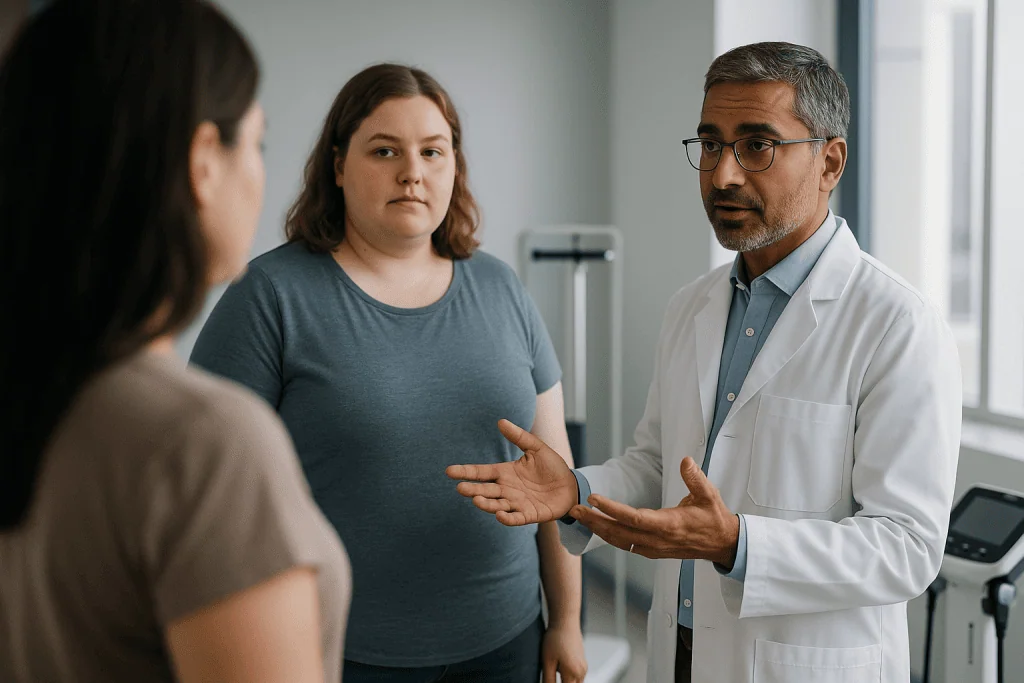
Plan to stay in Turkey about 5 to 7 days after gastric sleeve surgery in straightforward cases, though some people need longer. That usually means 2 to 4 nights in hospital, then a few more days nearby for an early follow-up visit and travel clearance. Book your return flight only once your treating team says flying is appropriate.
You have a surgery date, and now you are staring at flight options wondering which return date is safe to book. It is one of the first practical questions international patients ask, and the honest answer is that it depends on how your recovery goes.
This guide explains how long you may need to stay in Turkey after gastric sleeve surgery, and why that time matters for safe recovery, follow-up, and travel clearance. You will also find practical advice on your hospital stay, what daily recovery looks like, warning signs to watch for, and how to plan your journey home.
At a glance
- Procedure type: Minimally invasive bariatric surgery, usually laparoscopic
- Purpose: To support weight loss by reducing stomach size and helping portion control
- Anesthesia: General anesthesia
- Hospital stay: Usually 2-4 nights, depending on recovery and medical needs
- Estimated recovery: Initial recovery takes about 1-2 weeks; internal healing continues over several weeks
- Return to daily life: Many people resume light daily activities within 1-2 weeks if recovery is smooth
- Final result timeline: Weight loss develops gradually over months with diet, activity, and follow-up
- Suitable department: Bariatric Surgery / General Surgery with multidisciplinary obesity care
- International patient support: Interpreter services, airport-city-hospital transfers, accommodation guidance, and remote follow-up support
What is this treatment?
Gastric sleeve surgery, also called sleeve gastrectomy, is a bariatric procedure that reduces the size of your stomach. During the operation, a large portion of the stomach is removed, leaving a narrow sleeve-shaped stomach. This helps you feel full sooner and supports long-term weight loss when combined with lifestyle and dietary changes.
For international patients, one of the most common practical questions is not only whether the surgery is suitable, but also how long you should remain in Turkey afterward. The answer depends on your overall health, how smoothly your surgery and early recovery go, and whether your surgeon is satisfied that you are fit to travel.
In most cases, your stay after gastric sleeve surgery includes the operation itself, a short hospital admission, early walking and breathing exercises, fluid intake monitoring, pain and nausea control, and one or more checks before discharge and travel clearance. At Acibadem International, this process is coordinated through bariatric teams and international patient services so you have medical and practical guidance throughout your stay.
When is it recommended?
Gastric sleeve surgery may be recommended if you have obesity that is affecting your health or quality of life, especially if non-surgical methods such as diet, exercise, and medically supervised weight management have not provided lasting results. It may also be considered if you have weight-related conditions such as type 2 diabetes, sleep apnea, high blood pressure, or joint problems.
The decision is not based on weight alone. Your surgical team will also look at your eating habits, previous attempts at weight loss, emotional readiness, long-term commitment to follow-up, and any medical conditions that could affect safety before or after surgery.
If you are traveling from abroad, the team will also consider whether you can safely manage the journey, complete pre-operative checks, and remain in Turkey for the recommended observation and follow-up period. The goal is not simply to perform surgery, but to support a safe and realistic treatment pathway.
Who is a good candidate?
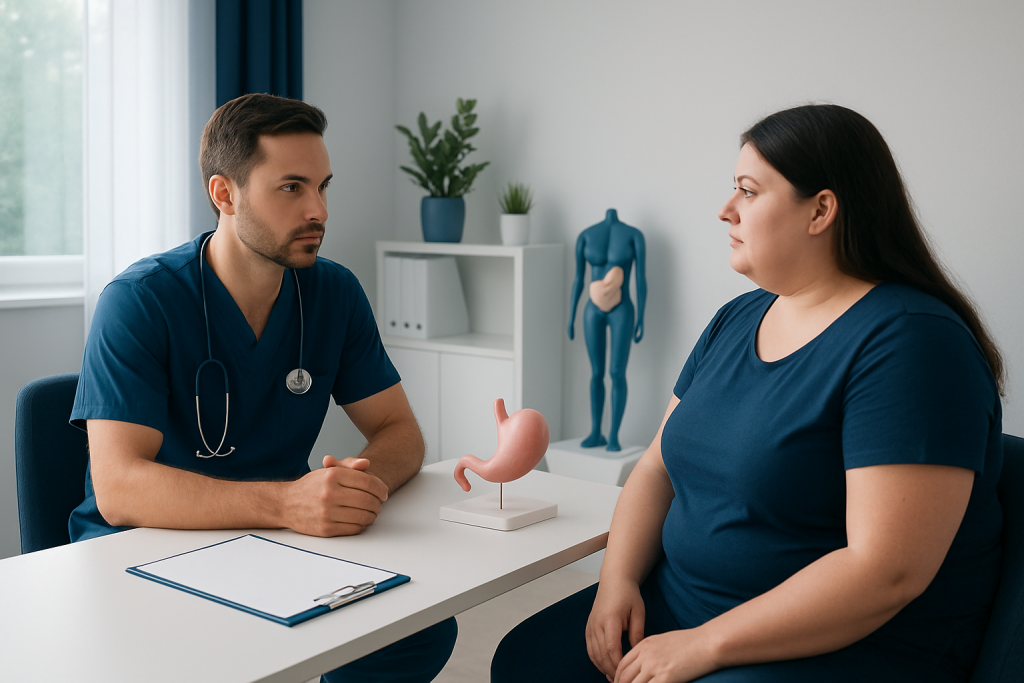
You may be a good candidate for gastric sleeve surgery if you meet bariatric assessment criteria, understand that this is a tool rather than a stand-alone cure, and are willing to follow a structured program after surgery. This usually includes a staged diet, hydration goals, vitamin and supplement guidance, physical activity, and regular medical follow-up.
Good candidates are generally able to participate actively in recovery. That means you can walk soon after surgery, follow fluid instructions, report symptoms clearly, and stay in Turkey for the advised period rather than trying to fly home too early.
A full evaluation is essential because not everyone is suitable for the same operation. Some patients may benefit more from another bariatric procedure, while others may need medical optimization first. Previous abdominal surgery, reflux symptoms, medication use, smoking, and certain health conditions can all influence the plan.
- You should be prepared for long-term dietary and lifestyle changes.
- You should understand the need for follow-up after returning home.
- You may need support from family or a companion during early recovery and travel.
Treatment options
The main treatment discussed in this guide is sleeve gastrectomy. It is commonly performed laparoscopically through small incisions, which usually supports faster mobilization and a shorter hospital stay than open surgery. However, the exact approach depends on your anatomy, medical history, and the surgeon’s judgment during planning.
Not every patient is best served by a sleeve. In some cases, another bariatric option may be more suitable, particularly if you have severe reflux, prior bariatric surgery, or specific metabolic goals. Your surgeon may discuss alternatives as part of the evaluation, because choosing the right procedure can affect recovery, follow-up, and long-term outcomes.
Your treatment plan may involve several specialist inputs, not only surgery. Bariatric care often includes nutritional assessment, anesthesia review, internal medicine evaluation where needed, and post-operative diet education. At Acibadem International, multidisciplinary planning is an important part of helping international patients prepare safely and understand how long they should remain in Turkey after the operation.
Online evaluation before travel
Before you travel, you can usually begin with an online medical review. This helps the bariatric team understand your health background, confirm whether gastric sleeve surgery may be appropriate, and estimate how long you may need to remain in Turkey. It also reduces uncertainty before booking flights and accommodation.
You may be asked to share your medical history, current weight and height, medication list, previous surgery details, and any relevant test results. If you have conditions such as diabetes, sleep apnea, heart disease, reflux, or a history of blood clots, these details are especially important because they may affect safety, preparation, and travel advice.
An online review is useful, but it is not the same as final approval for surgery. Once you arrive, your in-person consultation, physical assessment, and tests will confirm the plan. If new findings arise, the timeline or treatment approach may need to change for your safety.
Before the treatment
Once your preliminary plan is made, you will receive instructions for the days before surgery. These may include guidance on eating and drinking, smoking cessation, alcohol avoidance, medication adjustments, and whether you need any additional tests before travel. Following these instructions closely helps reduce avoidable risks.
When you arrive in Turkey, you will usually have an in-person consultation and pre-operative assessments. These commonly include blood tests, heart evaluation where needed, anesthesia review, and sometimes imaging or endoscopy depending on your history and your surgeon’s protocol. The purpose is to confirm that surgery is appropriate and to reduce the chance of unexpected problems.
You should also prepare practically for recovery. Bring loose clothing, comfortable walking shoes, your regular medications in original packaging, and a clear record of your medical history. If possible, arrange to have a responsible adult accompany you or be available during the early stages of your trip, especially if you are traveling long distance.
What happens during the treatment
Gastric sleeve surgery is usually performed under general anesthesia and most often by a laparoscopic technique. Several small incisions are made in the abdomen, and the surgeon removes a large section of the stomach, creating a smaller tube-shaped stomach. The exact surgical steps and duration vary from person to person.
After the operation, you will be monitored closely as you wake from anesthesia. Your team will check your pain level, breathing, circulation, nausea, and early mobility. Walking as soon as it is medically appropriate is an important part of recovery because it supports circulation and helps reduce some post-operative risks.
In the first day or days after surgery, your clinical team will focus on hydration, comfort, breathing exercises, and the gradual start of your post-operative diet according to your surgeon’s and dietitian’s guidance. Before you are discharged or cleared to travel later, your doctors will want to see that your recovery is progressing as expected.
Hospital stay and discharge
After gastric sleeve surgery, you will usually remain in hospital for about 2 to 4 nights. The exact length depends on how you recover from anesthesia, how well you tolerate fluids, your mobility, pain and nausea control, and whether you have any underlying conditions that need closer observation.
For international patients, the total stay in Turkey is usually longer than the hospital stay itself. Many people remain in the country for several additional days after discharge so they can attend an early follow-up visit, continue recovery in nearby accommodation, and receive travel clearance before flying home. In many straightforward cases, this means a total stay of around 5 to 7 days after surgery, though some patients may need longer.
Discharge does not mean recovery is complete. It means your team believes you are medically stable enough to continue the next phase of recovery outside the hospital, with clear instructions on fluids, movement, medications, wound care, and when to seek help. You should not arrange your return flight until your treating team advises that travel is appropriate.
Recovery timeline
Your recovery timeline after gastric sleeve surgery depends on your health before surgery, the smoothness of the operation, and how well you tolerate early fluids and movement. Most international patients feel better day by day, but fatigue, abdominal discomfort, and low energy are common in the early period.
The timeline below is a general guide only. Your surgeon and dietitian will give you personalized instructions, especially for fluid intake, staged nutrition, supplements, and activity. Travel plans should always follow medical advice rather than a fixed schedule.
| Timeframe | What to expect |
|---|---|
| First 24 hours | Monitoring in hospital, pain and nausea control, early walking, breathing exercises, and careful assessment of hydration and overall stability. |
| First week | Usually includes hospital discharge, liquid diet progression as instructed, fatigue, mild to moderate discomfort, short walks, and a follow-up review before travel if you are visiting from abroad. |
| Weeks 2-4 | Energy often gradually improves. Many people return to light daily activities, continue staged dietary progression, and focus on hydration, supplements, and avoiding strain. |
| Months 1-3 | Ongoing adaptation to new eating patterns, progressive weight loss, and regular follow-up to monitor nutrition, tolerance, and overall health. |
| Final result | Weight loss and health changes develop over months rather than days. Long-term outcomes depend on surgery, food choices, activity, follow-up, and individual factors. |
Even if you feel reasonably well after a few days, internal healing is still ongoing. That is why it is important to follow restrictions, attend scheduled follow-up, and contact your medical team if symptoms do not improve or new concerns appear.
What to avoid after treatment
After gastric sleeve surgery, avoid trying to return to normal eating too quickly. Your stomach needs time to heal, and advancing your diet too fast can lead to pain, nausea, vomiting, and poor recovery. Follow the staged nutrition plan exactly as given by your surgeon and dietitian.
You should also avoid dehydration, smoking, alcohol, and strenuous physical effort in the early recovery period unless your medical team tells you otherwise. Long periods of immobility should be avoided as well, especially during travel, because gentle movement supports circulation and recovery.
Do not ignore symptoms simply because you are away from home. If you develop increasing pain, repeated vomiting, fever, breathing difficulty, or signs of poor fluid intake, contact your treating team promptly. If you have already returned home, seek local medical help and inform your Acibadem International care team so follow-up can be coordinated.
Risks and possible complications
Like any major surgery, gastric sleeve surgery carries risks. These can include bleeding, infection, anesthesia-related problems, blood clots, leakage from the staple line, narrowing, reflux symptoms, dehydration, nutritional issues, and delayed recovery. Some risks are uncommon but serious, which is why careful selection, experienced teams, and close follow-up matter.
Your personal risk depends on factors such as your weight, age, smoking status, existing medical conditions, mobility, previous operations, and how well you follow instructions before and after surgery. International travel adds practical considerations too, especially if you are considering a long flight shortly after surgery.
Most patients recover without major issues, but no responsible team can promise a complication-free course or a guaranteed weight-loss result. In some situations, further treatment, re-admission, or additional procedures may be needed. Honest pre-operative counseling is an important part of safe bariatric care.
Warning signs: when to contact a doctor
Contact your doctor or surgical team urgently if you notice symptoms that could suggest a complication. If symptoms are severe or rapidly worsening, seek emergency medical attention without delay.
- Fever or chills
- Worsening abdominal pain or pain that is not controlled as expected
- Persistent vomiting or inability to keep fluids down
- Signs of dehydration such as dizziness, very dark urine, or very low urine output
- Shortness of breath, chest pain, or fainting
- Rapid heartbeat or unusual weakness
- Redness, swelling, discharge, or increasing pain around incision sites
- Calf pain or leg swelling
- Any sudden change that makes you feel significantly unwell
If you are an international patient staying in Turkey, keep your hospital contact details accessible at all times. If you have already traveled home, contact your local doctor or emergency service and inform your Acibadem International team so your records and follow-up advice can be shared promptly.
Results and expectations
Gastric sleeve surgery can support significant weight loss and improvement in obesity-related health problems, but results develop gradually and vary from person to person. The operation changes stomach size, yet long-term success still depends on your eating habits, hydration, activity, sleep, emotional support, and continued follow-up.
It is also important to set realistic expectations about the stay in Turkey. Leaving too early is not a sign of faster recovery. A safer plan is to remain long enough for hospital care, early observation, mobility, diet progression, and a final check with your surgeon. For many patients, that means about 5 to 7 days after surgery, though your doctor may recommend more time if needed.
Some patients lose weight steadily and adapt smoothly, while others need extra nutritional support, more time to tolerate fluids, or closer monitoring after discharge. Recovery is individual, and your care plan should reflect that rather than a one-size-fits-all timeline.
International patient travel planning
When planning your trip, allow time not only for the operation but also for pre-operative checks and post-operative review. Booking flights with flexible change options can be helpful because medical timelines sometimes shift. If you are traveling a long distance, it is wise to discuss flight duration, stopovers, mobility needs, and companion support before finalizing arrangements.
Many international patients stay in Turkey for roughly 5 to 7 days after gastric sleeve surgery, but some may need a longer stay depending on recovery, medical history, and surgeon preference. You should ask specifically when your first follow-up is expected, when travel clearance is usually considered, and what symptoms could delay your return home.
Acibadem International supports overseas patients with practical coordination such as interpreter services, transfer arrangements, accommodation guidance, and remote follow-up planning. This can make the process smoother, especially when you are managing surgery, recovery, and travel logistics at the same time.
Cost and package information
The cost of gastric sleeve surgery in Turkey can vary according to several factors. These include the complexity of your case, your pre-existing medical conditions, the tests required before surgery, the length of hospital stay, the type of room, whether extra consultations are needed, and whether any unexpected medical needs arise during recovery.
For international patients, a treatment package often includes core hospital services related to the planned procedure, such as surgeon and anesthesia fees, operating room use, standard in-hospital care, and some routine tests and follow-up appointments. Practical support such as transfer coordination or interpreter assistance may also be part of the service structure, depending on the program offered.
Items that are not always included can vary and may involve flights, personal travel expenses, companion costs, hotel accommodation outside the hospital, extended stays, treatment for unrelated conditions, extra investigations beyond the standard plan, or additional care needed because of complications or special medical requirements. Before you travel, ask for a written outline of what is included, what is not included, and what circumstances could change the final cost.
Why choose Acibadem
For bariatric care, choosing a provider is about more than the operation itself. You need a hospital system that can support evaluation, anesthesia, surgery, nursing care, nutrition guidance, and follow-up in a coordinated way. Acibadem International offers access to JCI-accredited hospitals and multidisciplinary teams experienced in caring for patients traveling from abroad.
International patients often value clear communication and practical coordination as much as medical expertise. Interpreter support, transfer planning, accommodation guidance, and remote follow-up can help make your treatment journey more manageable, especially when you are recovering away from home.
Just as importantly, a responsible center will give you balanced information. That includes explaining who may benefit from gastric sleeve surgery, how long you may need to stay in Turkey, what recovery involves, and why final travel timing should always be based on physician assessment rather than convenience alone.
Medical review and disclaimer
This guide has been medically reviewed by the Acibadem International medical team. It is intended to help you understand general expectations around staying in Turkey after gastric sleeve surgery, including recovery, follow-up, and travel planning.
The information here is for general educational purposes only and does not replace a personal consultation, diagnosis, or treatment plan. Every patient is different, and suitability for gastric sleeve surgery, as well as the recommended length of stay in Turkey, can only be confirmed after evaluation by a qualified physician.
If you are considering treatment, you should share your complete medical history and follow the advice given by your surgical and anesthesia teams. If symptoms arise before or after travel, seek timely medical attention.
Step by step
- Initial contact. You contact the international patient team with your interest in gastric sleeve surgery and questions about timing, travel, and expected stay in Turkey.
- Medical record / photo submission. You share your medical history, current measurements, medication list, previous surgery details, and any relevant reports requested for bariatric review.
- Preliminary medical review. The bariatric team reviews your information to assess whether gastric sleeve surgery may be suitable and whether additional tests or precautions may be needed.
- Treatment plan and quotation. You receive a preliminary treatment outline, expected hospital timeline, estimated stay in Turkey, and a written explanation of included and excluded services.
- Travel planning. You arrange flights and accommodation with enough flexibility for pre-operative checks, hospital stay, recovery, and surgeon-approved return travel.
- Arrival. After arriving in Turkey, transfer and practical support can help you settle in and prepare for your in-person assessments.
- In-person consultation. You meet the surgeon and care team, discuss goals and risks, review your history in detail, and confirm whether the planned operation is appropriate.
- Pre-operative tests. You complete the necessary tests and anesthesia assessment so the team can confirm that surgery can proceed safely.
- Treatment. You undergo gastric sleeve surgery under general anesthesia, most often by a laparoscopic approach.
- Hospital stay. You remain in hospital for monitoring, early mobilization, fluid tolerance assessment, pain and nausea control, and discharge preparation.
- First control. After discharge or before travel, you attend an early follow-up review to check wounds, hydration, mobility, and general recovery progress.
- Discharge / travel clearance. Your surgeon advises when you are fit to travel based on your recovery rather than a fixed calendar date.
- Remote follow-up. After returning home, you continue follow-up for diet progression, symptom monitoring, supplements, and long-term bariatric care guidance.
Your checklist
- Passport and travel documents
- Full medical history, including chronic conditions
- Current medication list
- Known drug, food, or latex allergies
- Details of previous surgeries or hospitalizations
- Current symptoms, including reflux, sleep apnea, or digestive complaints
- Recent blood test results, if available
- Any relevant imaging, endoscopy, or specialist reports
- Height, weight, and recent weight history
- Contact details for your local doctor
- Health insurance details, if relevant to your travel
- Companion information, if someone will travel with you
Key takeaways
- Many international patients stay in Turkey around 5-7 days after gastric sleeve surgery, but your surgeon may advise longer if needed.
- This stay usually covers your operation, hospital recovery, early mobility, diet progression, and a first follow-up check before flying home.
- You should not base travel plans on the surgery date alone; your medical condition, hydration, pain control, and mobility matter.
- A safe return home depends on surgeon clearance, not just feeling well enough to travel.
- You will need ongoing dietary guidance and remote follow-up after leaving Turkey.
- Seek urgent medical advice if you develop fever, worsening abdominal pain, breathing trouble, dehydration, or persistent vomiting.
Frequently asked questions
How long do I usually need to stay in Turkey after gastric sleeve surgery?
Many international patients stay around 5 to 7 days after gastric sleeve surgery in Turkey. This often includes the operation, 2 to 4 nights in hospital, and a short period nearby for recovery and follow-up before flying home. Your surgeon may advise a longer stay if you have medical conditions or if recovery is slower than expected.
Can I fly home a few days after gastric sleeve surgery?
You should only fly home when your treating surgeon says it is safe. Feeling better is not the only factor; hydration, mobility, pain control, wound status, and overall recovery all matter. Flying too soon after major surgery may increase risk and can make it harder to manage early complications.
Why do I need to stay in Turkey after leaving the hospital?
Leaving the hospital does not mean recovery is complete. A short stay nearby allows time for early monitoring, adjustment to fluids, mobility, and a follow-up check before travel. It also gives you easier access to your surgical team if symptoms develop in the first days after discharge.
Is 5 to 7 days always enough after gastric sleeve surgery?
No, it is only a common general range for straightforward cases. Some patients need more time because of medical history, slower fluid intake, nausea, fatigue, long-haul travel considerations, or the need for extra observation. Your final timeline should be individualized by your doctor.
Will I need someone to travel with me?
It is not always mandatory, but many patients find it helpful to have a companion, especially for long-distance travel and the first days after discharge. A companion can assist with practical tasks, mobility, and communication. If you plan to travel alone, discuss this with the care team in advance.
What kind of follow-up happens before I return home?
You will usually have at least one early review focused on wound checks, hydration, mobility, pain control, and diet progression. Your team may also reinforce medication and supplement instructions and confirm when flying is reasonable. The exact follow-up schedule depends on your surgeon and your recovery.
What happens after I go back to my home country?
Recovery continues after you return home, and ongoing follow-up is important. You may need remote contact regarding nutrition stages, hydration, supplements, activity, and any symptoms. In some cases, you may also be advised to coordinate with a local doctor for longer-term monitoring.
What factors can change the total cost of treatment?
Cost can be influenced by your medical complexity, required tests, hospital stay length, room type, additional consultations, and any extra care needed during recovery. Travel-related expenses such as flights and accommodation outside the hospital may also affect your overall budget. Always ask for a clear written breakdown of what is included and excluded.
Is gastric sleeve surgery safe for international patients?
It can be safe when you are properly evaluated, treated in an appropriate hospital setting, and followed carefully before and after surgery. Safety depends on factors such as your health status, the experience of the multidisciplinary team, and whether you follow travel and recovery advice. No surgery is risk-free, which is why honest assessment and follow-up are essential.
When can I return to normal daily activities?
Many people return to light daily activities within 1 to 2 weeks if recovery is uncomplicated. However, energy levels often vary, and you may tire more easily at first. More demanding exercise and heavier physical activity usually need to wait until your surgeon says it is safe.
Will I see final results before I leave Turkey?
No, final weight-loss results take months, not days. Your stay in Turkey is focused on the operation, immediate recovery, and safe discharge planning rather than visible final outcomes. Long-term results depend on healing, diet progression, physical activity, and regular follow-up.
What if I feel unwell after I return home?
If you develop concerning symptoms after returning home, seek local medical care promptly and inform your Acibadem International team. Early communication can help your doctors share relevant treatment details and guide next steps. Do not wait for a routine follow-up if symptoms are urgent or worsening.
Add us as a Preferred Source to see more of our trusted health content across Google Search, AI Overviews and Discover.

Update history
- PublishedJune 22, 2026
- Medical review approvedAugust 25, 2026
- Last content updateAugust 24, 2026
References2
- Sleeve gastrectomy: MedlinePlus medlineplus.gov
- Blood Clots and Travel: What You Need to Know: CDC cdc.gov
More Patient Guides

HoLEP in Turkey: How It Compares With TURP and What Recovery Involves
HoLEP in Turkey treats enlarged prostate tissue with laser enucleation; learn how it compares with TURP, recovery, travel and follow-up.

Porcelain Veneers in Turkey: Who Is Suitable and How Many Visits Are Needed?
Porcelain veneers in Turkey can enhance tooth shape and colour in two visits for suitable patients after a personalised dental assessment.

How to Prepare for a Sedation Procedure in Turkey
Prepare safely for a sedation procedure in Turkey with guidance on fasting, medicines, travel, recovery and follow-up.

Treatment Delays in Turkey: What Happens If Tests or Recovery Change Your Schedule
Treatment delays in Turkey can happen if tests or recovery change your plan. Learn how to manage appointments, travel, accommodation and follow-up.