Transverse Colon: A Complete Medical Overview
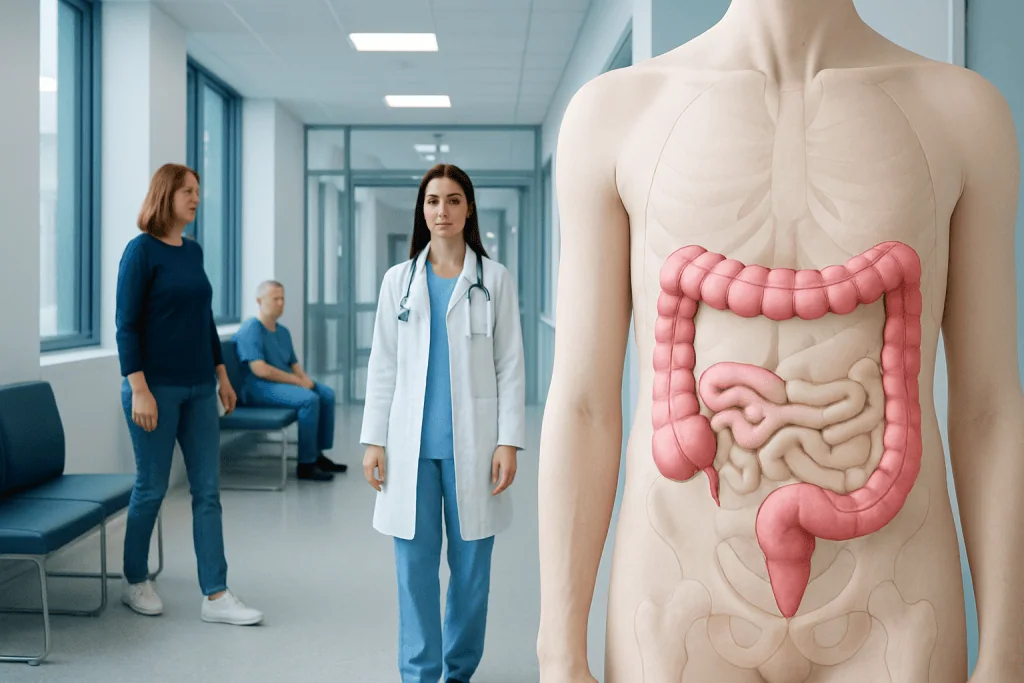
The transverse colon is the horizontal part of the large intestine between the ascending and descending colon. Its main roles are moving stool forward and helping absorb water and electrolytes.
Key Takeaways
- The transverse colon is the horizontal part of the large intestine between the ascending and descending colon.
- Its main roles are moving stool forward and helping absorb water and electrolytes.
- Problems in the transverse colon may cause pain, bloating, changes in bowel habits, bleeding, or unexplained weight loss.
- Diagnosis may involve physical examination, blood tests, stool tests, imaging, or colonoscopy.
- Treatment depends on the cause and may range from diet changes and medicines to endoscopic or surgical care.
- Persistent symptoms or alarm signs such as rectal bleeding should be assessed by a doctor.
The transverse colon is the middle section of the large intestine, running across the upper abdomen from right to left. It helps move intestinal contents forward, absorbs water and salts, and can be affected by common colon conditions such as inflammation, polyps, blockage, or cancer.
Overview: what the transverse colon is
The transverse colon is the middle, horizontal segment of the colon, or large intestine. It extends from the right side of the abdomen near the liver to the left side near the spleen, connecting the ascending colon to the descending colon. In simple terms, it is one of the main passageways through which digested material travels after it leaves the small intestine.
This part of the bowel sits in the upper abdomen and is attached by a fold of tissue called the mesocolon, which helps support it while allowing some movement. Because of its position and mobility, the transverse colon may be involved in a range of digestive symptoms and bowel conditions, from temporary constipation to inflammatory disease or growths such as polyps.
Understanding the transverse colon is helpful because symptoms in this area are not always easy to identify by location alone. Pain may be felt across the upper or central abdomen, and disorders affecting this section can overlap with symptoms from the stomach, gallbladder, pancreas, or small intestine. A careful medical assessment helps determine the true cause.
How the transverse colon works
After food is digested and nutrients are absorbed in the small intestine, the remaining material passes into the large intestine. The transverse colon helps continue this process by moving the contents forward through rhythmic muscular contractions. These movements help form stool and guide it toward the left side of the colon.
Another important role of the transverse colon is absorption. The large intestine reclaims water and certain electrolytes from intestinal contents, helping the body maintain fluid balance. As this happens, the stool becomes more solid. The colon also contains bacteria that help break down some remaining material and contribute to gut health.
Normal function depends on coordinated muscle activity, healthy nerve signaling, good blood supply, and an intact bowel lining. When one of these is disrupted, symptoms such as bloating, constipation, diarrhea, or abdominal discomfort can develop. In some people, symptoms arise from functional issues rather than structural disease, while in others there may be inflammation, obstruction, or other clear abnormalities.
Common conditions that can affect the transverse colon
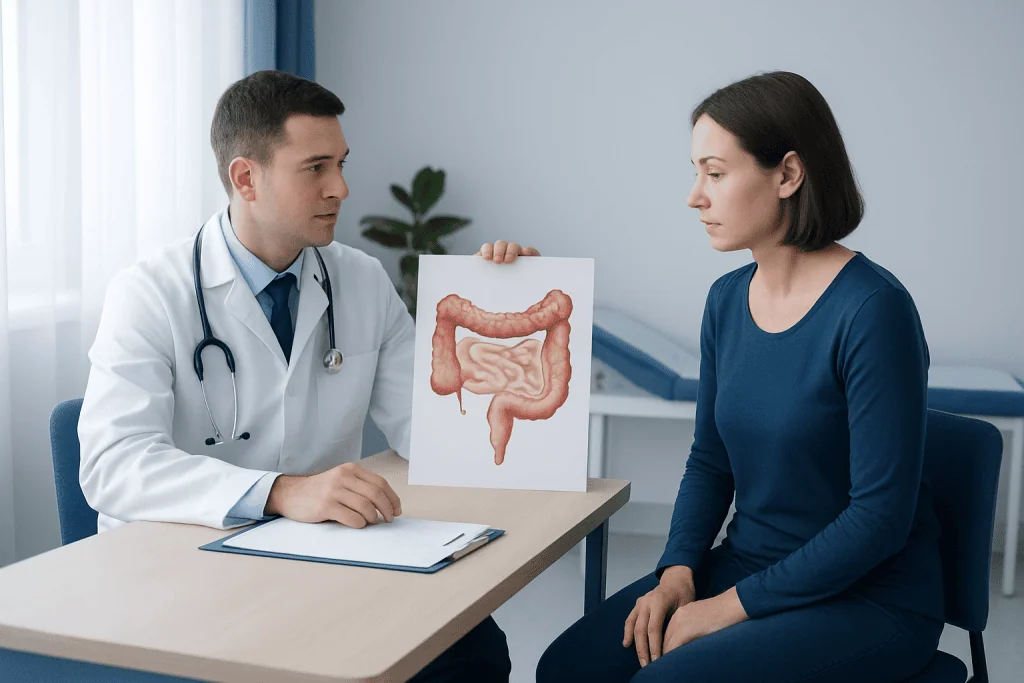
The transverse colon can be affected by many of the same conditions seen in other parts of the colon. These include constipation, infectious colitis, inflammatory bowel disease, diverticular disease, ischemic colitis, benign polyps, and colorectal cancer. Because the colon functions as one continuous organ, a condition may involve only the transverse colon or extend into nearby segments.
Inflammatory conditions may cause pain, diarrhea, urgency, mucus, or bleeding. For example, inflammatory bowel diseases such as Crohn’s disease can involve different parts of the digestive tract, including sections of the colon. Infections may develop after foodborne illness, travel, or antibiotic use and can irritate the colon lining.
Structural problems can also occur. Polyps are growths on the inner lining of the colon; many are benign, but some can become cancerous over time. A volvulus, or twisting of the bowel, is less common in the transverse colon than in some other areas, but it can occur and requires urgent care. Cancer in this region may be harder to detect early because symptoms can be vague, which is why screening is important.
Some people with ongoing upper abdominal symptoms may ultimately be found to have a disorder outside the colon, such as colon cancer in another segment or a non-colonic digestive condition. This is one reason doctors look at the full clinical picture rather than focusing on location alone.
Symptoms linked to transverse colon problems
Symptoms vary depending on the underlying cause. Common complaints include abdominal pain or cramping, bloating, a sense of fullness, excess gas, constipation, diarrhea, or alternating bowel habits. Because the transverse colon lies across the upper abdomen, discomfort may be felt in the middle or upper belly rather than only low down.
Some symptoms suggest irritation or inflammation of the bowel lining. These may include urgency, mucus in the stool, nausea, reduced appetite, or fatigue. Blood in the stool can occur with hemorrhoids and other causes, but it may also signal inflammation, polyps, or cancer and should not be ignored.
Certain features are especially important to report to a doctor. These include unexplained weight loss, ongoing change in bowel habits, fever, vomiting, anemia, black stools, or pain that is severe or steadily worsening. In older adults or those with a family history of colorectal cancer, even mild but persistent symptoms deserve prompt evaluation.
- Abdominal pain across the upper or middle abdomen
- Bloating or visible abdominal distention
- Constipation, diarrhea, or alternating bowel habits
- Rectal bleeding or blood mixed with stool
- Unexplained fatigue, weight loss, or loss of appetite
Causes and risk factors
Many different factors can contribute to problems in the transverse colon. Temporary symptoms may result from dehydration, low fiber intake, dietary intolerance, stress, or recent infection. Other causes are more persistent, including inflammatory bowel disease, chronic constipation, prior abdominal surgery, reduced bowel motility, and age-related changes.
Risk factors for polyps and colorectal cancer include increasing age, a family history of colorectal cancer or certain hereditary syndromes, smoking, heavy alcohol use, obesity, low physical activity, and diets high in processed meat and low in fiber. Personal history also matters. Someone who has had colon polyps before may need closer follow-up with screening or surveillance colonoscopy.
Vascular problems such as reduced blood flow to the bowel can affect part of the colon, especially in people with cardiovascular disease or low blood pressure episodes. Rarely, autoimmune or systemic diseases may involve the colon. Because symptoms can overlap so much, identifying risk factors helps guide testing and next steps.
How doctors diagnose transverse colon disorders
Diagnosis begins with a medical history and physical examination. A doctor will ask about the pattern of symptoms, bowel habits, diet, medications, family history, recent travel, and any red-flag signs such as weight loss or bleeding. Blood tests may help check for anemia, infection, inflammation, or dehydration, and stool tests may look for infection or hidden blood.
Imaging can be useful when symptoms suggest blockage, inflammation, or another structural issue. Depending on the situation, a doctor may request abdominal X-rays, ultrasound, CT scan, or MRI. These tests can show bowel wall thickening, masses, dilation, twisting, or complications that need urgent treatment.
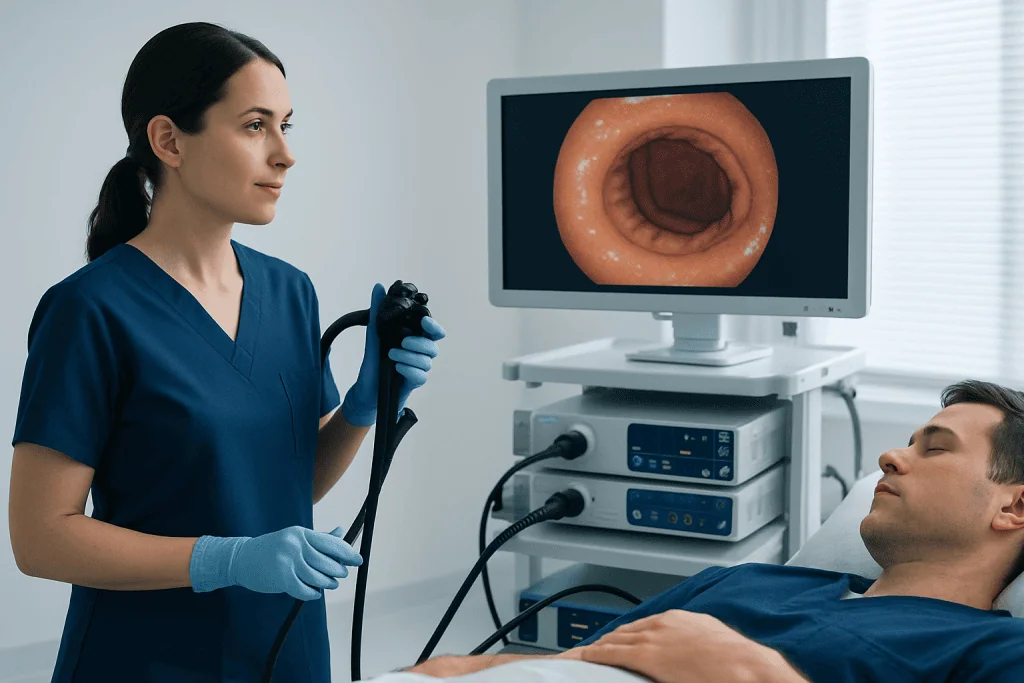
Colonoscopy remains one of the most important tests for evaluating the colon. It allows the doctor to examine the inner lining directly, remove some polyps, and take biopsies if needed. For people with symptoms such as bleeding, unexplained bowel changes, or concern for growths, colonoscopy often provides the clearest answers. If surgery or advanced treatment is being considered, additional consultation with gastroenterology or colorectal surgery may be recommended.
Treatment options and ongoing care
Treatment depends entirely on the cause. Mild constipation or functional symptoms may improve with changes in diet, hydration, activity level, and routine. Infections may need supportive care or, in selected cases, targeted medication. Inflammatory conditions may be treated with medicines that reduce inflammation or control the immune response under specialist supervision.
If polyps are found, they can often be removed during colonoscopy. This lowers the chance that some types of polyps will progress to cancer. When a suspicious mass or confirmed tumor is present, treatment may involve surgery and sometimes additional oncology care. In appropriate cases, colon cancer treatment may include a planned combination of surgery, systemic therapy, and follow-up monitoring.
Emergency treatment is needed when there is bowel obstruction, perforation, uncontrolled bleeding, or severe ischemia. For selected structural diseases or cancers involving the bowel, colorectal surgery may be part of care. Some patients also benefit from support through gastroenterology services for long-term symptom management, surveillance, and prevention planning.
Near the end of evaluation and treatment planning, patients may wish to seek care in a center with coordinated expertise. Acibadem International’s multidisciplinary specialists and JCI-accredited hospitals diagnose and treat colon conditions for international patients, with care tailored to the individual diagnosis and overall health status.
Prevention, self-care, and when to seek medical care
Not every transverse colon problem can be prevented, but many bowel complaints improve with healthy daily habits. A balanced diet with adequate fiber, regular fluid intake, physical activity, and not delaying bowel movements can support normal colon function. Limiting tobacco and excess alcohol and maintaining a healthy body weight may also lower the risk of colorectal disease over time.
Screening matters even when a person feels well. Colon cancer and many polyps may cause no symptoms early on, so age-appropriate colorectal screening is an important form of prevention. People with a family history of colorectal cancer, hereditary syndromes, inflammatory bowel disease, or previous polyps may need earlier or more frequent screening based on their doctor’s advice.
Medical care should be sought promptly for rectal bleeding, black stools, severe or persistent abdominal pain, vomiting, ongoing change in bowel habits, fever, fainting, or unexplained weight loss. Emergency care is especially important if the abdomen becomes swollen and painful, stool and gas stop passing, or symptoms are accompanied by weakness or dehydration. Even when symptoms seem mild, persistent digestive changes deserve professional assessment rather than self-diagnosis.
Frequently asked questions
What is the transverse colon?
The transverse colon is the middle part of the large intestine. It runs across the upper abdomen and connects the ascending colon on the right to the descending colon on the left.
What does the transverse colon do?
It helps move digested material through the large intestine while absorbing water and electrolytes. This process helps form stool and supports fluid balance in the body.
Can the transverse colon cause upper abdominal pain?
Yes. Because the transverse colon lies across the upper and central abdomen, problems in this area can cause discomfort there. However, upper abdominal pain can also come from other organs, so proper evaluation is important.
What symptoms may suggest a problem in the transverse colon?
Possible symptoms include bloating, abdominal cramping, constipation, diarrhea, a change in bowel habits, or blood in the stool. Symptoms do not point to one diagnosis on their own, so persistent changes should be checked by a doctor.
How is a transverse colon disorder diagnosed?
Doctors usually begin with a medical history, examination, and basic blood or stool tests. Depending on the symptoms, imaging or colonoscopy may be needed to look at the colon directly and take biopsies if necessary.
Can problems in the transverse colon be treated?
Yes, treatment is often possible and depends on the cause. Some conditions improve with diet and medication, while others may require endoscopic treatment, close monitoring, or surgery.
When should someone seek medical care for colon symptoms?
Medical care is advised for ongoing bowel changes, unexplained weight loss, rectal bleeding, or persistent abdominal pain. Urgent care is needed for severe pain, vomiting, black stools, fainting, or signs of bowel blockage.
References
- National Institute of Diabetes and Digestive and Kidney Diseases
- American College of Gastroenterology
- National Cancer Institute
- Centers for Disease Control and Prevention
- World Health Organization
This article is for general information only and is not a substitute for professional medical advice. Please consult a qualified doctor about your individual situation.
Persistent digestive symptoms? Get evaluated in Turkey
JCI-accredited · board-certified surgeons · reply within 24h
Add us as a Preferred Source to see more of our trusted health content across Google Search, AI Overviews and Discover.

More from the Health Library

Antiandrogens: A Complete Medical Overview

Signs Iron Pills Are Working — Explained by Medical Evidence, Not Myths

DVT Stockings: A Complete Medical Overview

Ozempic Face — Explained by Medical Evidence, Not Myths

Infant Rapid Breathing: A Complete Medical Overview

Chronic Inflammation: What Patients Need to Know
Gastroenterology Specialists at Acibadem

Dr. Türker Egesel
Gastroenterology
Prof. Dr. Yaşar Çolak
Gastroenterology
Prof. Dr. Yusuf Serdar Sakin
Gastroenterology
Prof. Dr. Züleyha Akkan Çetinkaya
Gastroenterology