

104 Fever: An Evidence-Based Guide for Patients

A 104 fever is a high fever and may require prompt medical advice, especially in infants, older adults, or people with chronic illness. The number on the thermometer matters, but associated symptoms such as breathing trouble, confusion, dehydration, stiff neck, or seizure matter just as much.
Key Takeaways
- A 104 fever is a high fever and may require prompt medical advice, especially in infants, older adults, or people with chronic illness.
- The number on the thermometer matters, but associated symptoms such as breathing trouble, confusion, dehydration, stiff neck, or seizure matter just as much.
- Most fevers are caused by infections, but some medicines, inflammatory conditions, or heat-related illness can also raise body temperature.
- Home care may include fluids, rest, light clothing, and fever-reducing medicines when appropriate, but aspirin should not be given to children unless a doctor advises it.
- Emergency care is important if a person is difficult to wake, has severe breathing problems, shows signs of meningitis, or has a seizure.
A 104 fever means a body temperature of about 104°F (40°C), which is considered a high fever. It is often caused by infection and is not always dangerous by itself, but it should be assessed in the context of age, symptoms, and how long it lasts.
Overview: What a 104 Fever Means
A 104 fever refers to a body temperature of 104°F (40°C). This is a high fever. In many cases, fever is the body’s normal response to infection, helping the immune system react. The temperature itself is only one part of the picture, however. A person’s age, overall health, other symptoms, and how long the fever lasts all help determine how concerning it is.
Many patients understandably worry that a 104 fever automatically means something life-threatening. That is not always the case. Viral illnesses such as influenza and some bacterial infections can cause temperatures in this range. At the same time, a high fever should not be ignored, especially in babies, young children, older adults, pregnant people, or anyone with a weakened immune system.
Body temperature can also vary depending on how it is measured. Oral, ear, forehead, rectal, and underarm readings may differ slightly. Rectal temperatures are generally considered the most accurate in infants. If a reading seems inconsistent with how the person looks or feels, it is reasonable to repeat the measurement using the device correctly.
Symptoms That May Occur With a High Fever
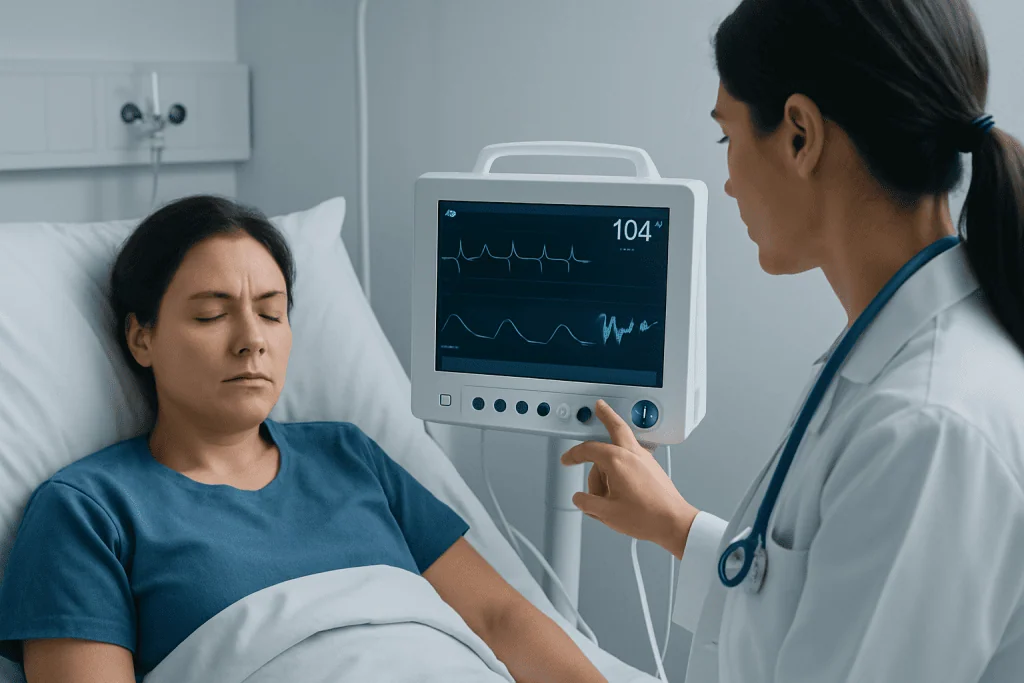
A high fever can cause a range of symptoms. Many people feel chills, sweating, body aches, headache, fatigue, poor appetite, and thirst. Children may become clingy, less active, or irritable. Some people feel very uncomfortable even with a relatively modest fever, while others appear to cope reasonably well with a higher temperature.
It is important to watch for symptoms that suggest the underlying illness may be more serious than an uncomplicated viral infection. These include shortness of breath, chest pain, severe sore throat with trouble swallowing, persistent vomiting, signs of dehydration, rash, confusion, stiff neck, or severe abdominal pain. In young children, warning signs can include poor feeding, unusual sleepiness, trouble waking, fewer wet diapers, or a weak cry.
Fever can occasionally trigger a febrile seizure in some young children. These seizures are usually brief and can be frightening to witness. Although many febrile seizures do not lead to long-term problems, any first seizure or prolonged seizure needs urgent medical assessment.
- Common fever symptoms: chills, sweating, aches, tiredness, headache
- Concerning symptoms: breathing difficulty, confusion, dehydration, stiff neck, seizure
- Child-specific signs: poor feeding, unusual drowsiness, reduced urination, persistent crying
Common Causes and Risk Factors

Infections are the most common cause of a 104 fever. These may be viral, such as influenza, COVID-19, or other respiratory viruses, or bacterial, such as pneumonia, urinary tract infection, strep throat, or skin infections. Some gastrointestinal infections can also lead to high fever, especially if there is significant inflammation or dehydration.
Not all fevers come from infection. Inflammatory or autoimmune conditions, reactions to certain medicines, recent immunization, and heat-related illness can also raise body temperature. A true heat illness is different from a typical infection-related fever and can become dangerous quickly, particularly after heavy exertion or exposure to high environmental temperatures.
Some people are at greater risk of complications from high fever or the illness causing it. This includes infants under 3 months, adults over 65, people with heart or lung disease, diabetes, kidney disease, cancer, or reduced immunity from medicines or medical conditions. In these groups, a doctor may recommend earlier evaluation even if the symptoms seem mild at first. If fever occurs together with cough, breathing symptoms, or chest discomfort, evaluation may include checking for pneumonia.
How Doctors Evaluate a 104 Fever
Diagnosis begins with a careful history and physical examination. A clinician will ask when the fever started, how it was measured, what symptoms came with it, whether there has been recent travel or sick contacts, and what medicines have been taken. In children, hydration, activity level, breathing effort, and feeding are especially important clues.
Further tests depend on the likely cause. Some patients may need blood tests, urine tests, throat swabs, or chest imaging. If a serious infection is possible, rapid evaluation helps identify the source and guide treatment. For example, breathing symptoms may lead to chest X-ray assessment, while persistent abdominal symptoms may require abdominal ultrasound in selected cases.
Doctors do not treat the number alone; they treat the person and the underlying condition. A patient with a 104 fever who is alert, drinking fluids, and improving may need very different care from someone with a lower fever who is confused, short of breath, or severely dehydrated.
Treatment Options and Home Care
Treatment for a 104 fever depends on the cause. For many viral illnesses, supportive care is the main approach. This usually includes rest, adequate fluids, and fever-reducing medicine when needed for comfort. Common over-the-counter options may be appropriate when used as directed and when a doctor or pharmacist considers them safe for the person’s age and health conditions. Children should not be given aspirin unless specifically advised by a medical professional because of the risk of Reye syndrome.
Cooling measures should be gentle. Light clothing, a comfortable room temperature, and fluids are usually helpful. Ice baths or very cold showers are not recommended because they can cause shivering, which may raise body temperature further and increase discomfort. Alcohol rubs should also be avoided.
If the fever is caused by a bacterial infection, treatment may include antibiotics. If symptoms suggest more serious infection, significant dehydration, or complications, hospital care may be needed. In some situations, doctors may recommend intravenous therapy to replace fluids or deliver medicines. Persistent fever with severe cough, chest findings, or low oxygen may need more focused treatment related to bronchitis or lower respiratory infection after evaluation.
- Encourage frequent small amounts of fluids
- Use medicines only as directed for age and health status
- Dress in light clothing and avoid overheating
- Monitor urine output, alertness, and breathing
When to Seek Medical Care
Prompt medical advice is recommended for any infant younger than 3 months with a temperature of 100.4°F (38°C) or higher. For older children and adults, a 104 fever warrants attention if it does not come down, lasts more than a few days, returns repeatedly, or occurs with concerning symptoms. It is also wise to contact a doctor sooner for pregnant patients, older adults, or people with immune suppression or major chronic disease.
Emergency care is needed if the person has severe trouble breathing, blue lips, chest pain, confusion, a seizure, a stiff neck, a spreading purple or bruise-like rash, signs of severe dehydration, or cannot stay awake. These symptoms can point to a more serious illness and should not be managed at home.
Parents and caregivers should trust their instincts. If a child looks much sicker than expected, is hard to wake, is not drinking, or seems to be worsening despite home care, immediate medical evaluation is appropriate. If needed, doctors may use blood tests and other examinations to look for bacterial infection, inflammation, or dehydration.
Prevention, Self-Care, and Follow-Up
Not every fever can be prevented, but some steps lower the risk of the infections that commonly cause high fever. Regular handwashing, staying up to date with recommended vaccines, covering coughs, and avoiding close contact with people who are clearly unwell can help reduce spread. During hot weather or strenuous exercise, hydration and avoiding overheating are important to prevent heat-related illness.
At home, keeping a thermometer available and knowing how to use it correctly can make decisions easier. It helps to write down the temperature, the time it was checked, any medicines taken, and symptoms such as cough, vomiting, rash, or reduced urination. This information can be useful if a doctor needs to assess the illness.
Most fevers improve as the underlying problem resolves, but follow-up matters if symptoms persist or new warning signs appear. Near the end of the care pathway, some patients may benefit from specialist evaluation depending on the source of the fever. Acibadem International’s multidisciplinary specialists and JCI-accredited hospitals diagnose and treat conditions associated with high fever for international patients when further assessment is needed.
Frequently asked questions
Is a 104 fever dangerous?
A 104 fever is considered high, but the temperature alone does not always mean a dangerous condition. The person’s age, medical history, and symptoms such as breathing difficulty, confusion, dehydration, or seizure are very important. High fever deserves careful attention and sometimes prompt medical assessment.
Should a 104 fever always be treated in the emergency room?
Not always. Some people with a 104 fever can be safely managed after speaking with a doctor, especially if they are drinking fluids, alert, and improving. Emergency care is important if there are severe symptoms, a very young infant, or signs of serious illness.
What can be done at home for a 104 fever?
General home care includes fluids, rest, light clothing, and using fever-reducing medicine if a healthcare professional considers it appropriate for the person’s age and health status. The person should be observed for hydration, breathing, alertness, and new symptoms. Very cold baths and alcohol rubs should be avoided.
Can a viral infection cause a 104 fever?
Yes. Viral illnesses such as influenza and other respiratory infections can sometimes cause a 104 fever. Even so, bacterial infections and other medical problems are also possible, so persistent fever or concerning symptoms should be checked by a doctor.
When should a child with a 104 fever see a doctor?
A child should be assessed promptly if the fever is accompanied by poor drinking, unusual sleepiness, trouble breathing, a seizure, stiff neck, rash, or signs of dehydration. Any baby younger than 3 months with a temperature of 100.4°F or higher needs immediate medical evaluation. Parents should also seek help if the child seems much worse than expected or the fever lasts more than a few days.
How accurate are thermometer readings?
Thermometer readings can vary by device and body site. Rectal temperatures are usually the most accurate in infants, while oral and ear readings may be reliable in older children and adults when taken correctly. If a result seems unexpected, repeating the measurement according to the instructions can help.
References
- Centers for Disease Control and Prevention
- American Academy of Pediatrics
- National Health Service
- Mayo Clinic
- World Health Organization
This article is for general information only and is not a substitute for professional medical advice. Please consult a qualified doctor about your individual situation.
Explore treatments in Turkey — costs, top hospitals & a free quote
JCI-accredited · board-certified surgeons · reply within 24h

More from the Health Library



Related Specialists

Prof. Dr. Can Çalışkan
Gastrointestinal Oncology Unit Clinical Service
Dr. Işıl Kesimci
Intensive Care
Prof. Dr. Metehan Özen
Pediatric Infectious Diseases
Dr. Mehmet Fatih Özkan
Emergency Service