Causes of Cramps on Feet: An Evidence-Based Guide for Patients

Foot cramps are sudden, involuntary muscle contractions that often affect the arch, toes, or sole. Common triggers include overuse, dehydration, prolonged standing, tight footwear, and electrolyte imbalance.
Key Takeaways
- Foot cramps are sudden, involuntary muscle contractions that often affect the arch, toes, or sole.
- Common triggers include overuse, dehydration, prolonged standing, tight footwear, and electrolyte imbalance.
- Recurring cramps may be associated with nerve compression, circulation problems, pregnancy, diabetes, or certain medicines.
- Gentle stretching, hydration, supportive shoes, and reviewing activity habits can help prevent many episodes.
- Medical advice is important if cramps are frequent, severe, happen with weakness or numbness, or disturb sleep regularly.
The causes of cramps on feet are usually temporary and related to muscle fatigue, dehydration, footwear, or overuse, but they can also be linked to nerve problems, circulation issues, medicines, or underlying health conditions. Most foot cramps improve with stretching and self-care, yet frequent, severe, or one-sided symptoms should be assessed by a doctor.
Overview: what foot cramps are and why they happen
The causes of cramps on feet most often involve a muscle that suddenly tightens and cannot relax for a short time. This can happen in the arch, the toes, or the sole, and it may last from a few seconds to several minutes. In many people, the reason is not dangerous and relates to everyday factors such as overuse, dehydration, awkward foot position, or footwear that strains the muscles.
Foot cramps are different from general foot pain. A cramp is typically abrupt, intense, and associated with a visibly or noticeably tight muscle. Soreness may remain afterward, but the cramp itself is usually short-lived. They can occur during exercise, after long periods of standing, or at night when the foot points downward in bed.
Although many episodes are harmless, repeated cramps can sometimes point to a broader issue affecting muscles, nerves, blood flow, or metabolism. The overall pattern matters: how often they happen, whether both feet are involved, what the person was doing at the time, and whether there are other symptoms such as swelling, tingling, or weakness.
Common causes of cramps on feet
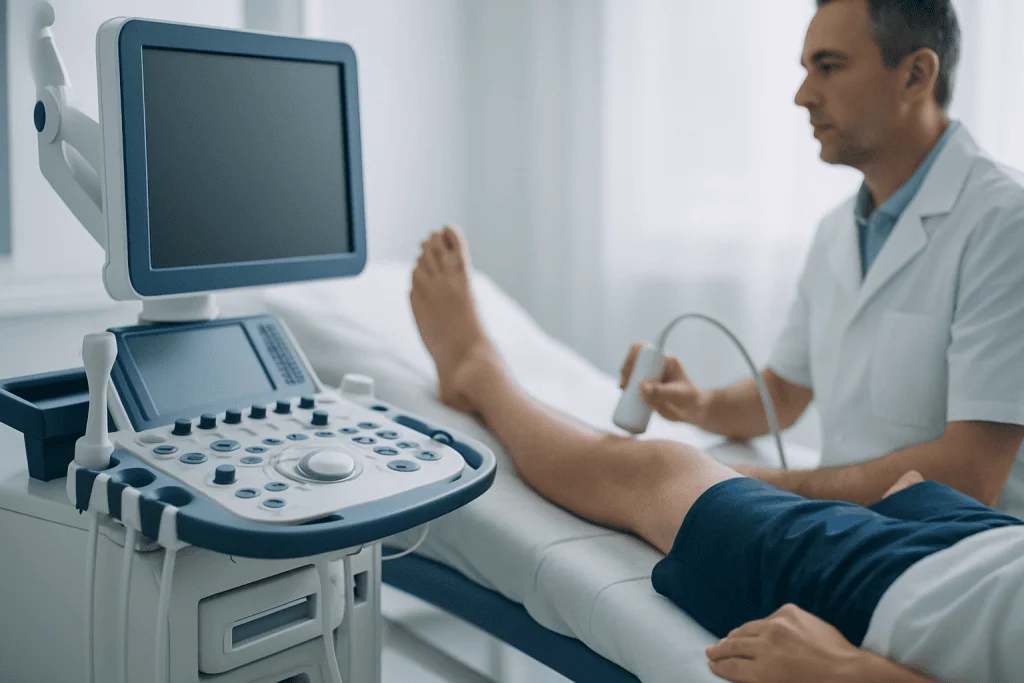
Several day-to-day factors can trigger foot cramps. Muscle fatigue is one of the most common. The small muscles of the foot work continuously to maintain balance and posture, so they can become overworked after walking long distances, running, standing for hours, or changing exercise routines. A muscle that is tired is more likely to contract involuntarily.
Dehydration is another frequent cause. When the body loses fluid through heat, sweating, illness, or not drinking enough, normal muscle function may be disrupted. Electrolytes such as sodium, potassium, calcium, and magnesium also help muscles contract and relax properly. Not everyone with cramps has an electrolyte problem, but fluid and mineral imbalance can be part of the picture, especially after strenuous activity or during hot weather.
Footwear can play a major role. Shoes that are tight, narrow in the toe box, unsupportive, or poorly fitted may strain the muscles and tendons of the foot. High heels can also shorten certain muscle groups and shift pressure to the front of the foot, making cramps more likely in some people.
Other common contributors include prolonged sitting with the foot pointed, sleeping positions that keep the toes downward, flat feet or high arches, and lack of stretching. In some cases, a person can identify a pattern, such as cramps after exercise, during travel, or at night after a busy day.
- Overuse or unaccustomed exercise
- Dehydration or heat exposure
- Inadequate recovery after physical activity
- Tight or poorly supportive shoes
- Foot posture issues, including high arches or flat feet
- Nighttime foot position that keeps the muscles shortened
Less obvious medical causes and risk factors

When cramps happen often, it is reasonable to look beyond simple fatigue. Nerve irritation can trigger cramping, especially if it affects the signals traveling from the spine or lower leg to the foot muscles. Conditions involving nerve compression or peripheral nerve damage may cause cramps along with burning, tingling, or numbness. For example, people with diabetic neuropathy may notice foot discomfort, altered sensation, and muscle symptoms together.
Circulation problems are another possibility, though they do not always cause classic cramping. Reduced blood flow to the legs can produce pain or tightness with walking that improves with rest. Some people describe this as cramping. If symptoms occur with activity, cold feet, skin color changes, or slow-healing wounds, a vascular assessment may be needed.
Certain medicines can contribute as well. Diuretics, some cholesterol-lowering drugs, and other medications may be associated with muscle cramps in some patients. Pregnancy can also increase the chance of cramps, partly because of changes in circulation, fluid balance, and muscle demands. Underactive thyroid disease, kidney disease, liver disease, and poorly controlled diabetes are examples of medical conditions that may make cramps more likely.
Age is a recognized risk factor, as muscles and connective tissues may become less flexible over time. People with high training loads, jobs that require standing, or chronic foot strain are also more vulnerable. In a smaller number of cases, recurring cramps may be linked to a neurological or musculoskeletal issue that needs further evaluation, especially if weakness is present. If symptoms suggest a nerve problem, a doctor may consider evaluation for issues such as peripheral neuropathy.
How symptoms can help identify the cause
The pattern of cramping often offers clues. Cramps during or after exercise commonly suggest fatigue, dehydration, or inadequate conditioning. Nighttime cramps may be related to muscle shortening during sleep, heavy daytime use, or less obvious medical triggers. Cramps limited to one foot may point to local strain, footwear problems, or a structural issue, while cramps in both feet may be more consistent with systemic causes such as dehydration, medication effects, or metabolic conditions.
Associated symptoms matter. Swelling, redness, warmth, or significant tenderness may suggest inflammation or another problem rather than a simple cramp. Numbness, pins-and-needles, back pain, or shooting pain can indicate nerve involvement. Weakness, trouble lifting the foot, or repeated tripping are not typical features of an ordinary foot cramp and should be assessed.
Some people describe a lumping or curling of the toes, especially in the arch or forefoot. This can occur when the small intrinsic foot muscles spasm. If this happens repeatedly, a clinician may consider whether foot mechanics, tendon tightness, or pressure from footwear is contributing. If there is persistent pain between episodes, it may be useful to evaluate other causes of foot pain rather than assuming every episode is a cramp.
Diagnosis: when doctors investigate further
Doctors usually diagnose foot cramps based on the history and a physical examination. They may ask when the cramps started, how often they happen, how long they last, what seems to trigger them, and whether they occur during exercise, at rest, or at night. Information about fluid intake, recent illness, shoe type, exercise habits, and medications can be very helpful.
The physical exam may include checking muscle strength, reflexes, foot structure, circulation, and sensation. This helps distinguish simple muscle cramping from problems involving nerves, tendons, joints, or blood vessels. If another cause is suspected, blood tests may be used to look at electrolyte levels, kidney function, blood sugar, thyroid function, or other markers depending on the person’s symptoms and medical history.
Further testing is not needed for every patient. However, recurring or unexplained symptoms may lead to additional studies, such as electromyography (EMG) to assess nerve and muscle function, or imaging if a structural problem is suspected. If symptoms suggest poor blood flow, a vascular evaluation may be appropriate. The goal is to identify any treatable underlying factor rather than simply treating the cramp itself.
Treatment options and practical relief
Immediate relief usually focuses on relaxing the affected muscle. Gentle stretching often helps. Pulling the toes upward toward the shin can stretch the arch and sole, while standing carefully and shifting weight may ease a cramp in some cases. Light massage and a short walk can also help the muscle release. Some people prefer warmth to relax the area, while others find a cool pack helpful afterward if soreness remains.
Longer-term treatment depends on the cause. If dehydration or heavy sweating is a factor, improving fluid intake may reduce episodes. When footwear contributes, choosing shoes with a wider toe box, good arch support, and cushioning can make a noticeable difference. People who exercise may benefit from warm-up routines, gradual progression, recovery days, and regular calf and foot stretching.
If a medicine appears to be contributing, a doctor or pharmacist can review options; medicines should not be stopped without professional guidance. For recurring cramps linked to a medical condition, treatment is aimed at the underlying issue, such as improving diabetes control, correcting a thyroid problem, or managing nerve compression. In selected cases, specialist care in physical therapy and rehabilitation may help improve flexibility, gait, and muscle balance. When symptoms are part of a broader foot or leg problem, orthopedic or neurological assessment may be recommended.
Acibadem International’s multidisciplinary specialists and JCI-accredited hospitals diagnose and treat foot cramping when it is related to nerve, musculoskeletal, or metabolic conditions in international patients.
Prevention and self-care habits that may help
Preventing foot cramps often starts with simple routines. Regular stretching of the calves, toes, and arches may reduce muscle tightness. Many people benefit from gently stretching before bed, especially if they often have nighttime cramps. Building activity gradually can also help the foot muscles adapt without becoming overworked.
Hydration is important throughout the day, particularly during exercise or hot weather. Supportive footwear matters as well. Shoes that fit properly and match the person’s activity can reduce strain on the forefoot and arch. If standing for long periods is unavoidable, changing position, taking short walking breaks, and using cushioned support may be useful.
Self-care also includes paying attention to broader health. Managing conditions such as diabetes, reviewing medicines regularly, and addressing posture or gait issues may lower the risk of recurrence. Some patients with persistent biomechanical strain may benefit from evaluation by specialists in orthopedics and traumatology if standard measures do not help.
- Stretch the feet and calves regularly, especially after exercise and before sleep
- Increase activity gradually rather than making sudden changes
- Drink enough fluids, especially in heat or during physical activity
- Wear well-fitted, supportive shoes
- Take breaks from prolonged standing or fixed foot positions
- Seek medical review for recurrent cramps or possible medication side effects
When to seek medical care
Most isolated foot cramps do not require urgent care. However, medical advice is important if cramps become frequent, severe, or disruptive to sleep, or if they do not improve with hydration, stretching, and footwear changes. A doctor should also assess cramps that are always on one side or seem to be getting worse over time.
Prompt medical attention is needed if cramps happen with weakness, numbness, loss of coordination, swelling, skin discoloration, or significant pain between episodes. These features can suggest nerve, circulation, or other conditions that need more than routine self-care. A person should also seek help if cramps begin after starting a new medicine or occur along with symptoms of dehydration or illness.
It is especially sensible to discuss recurring foot cramps with a clinician if the person has diabetes, kidney disease, thyroid disease, pregnancy-related concerns, or a known neurological condition. A careful evaluation can help rule out important causes and guide effective treatment.
Frequently asked questions
What are the most common causes of cramps on feet?
The most common causes are muscle fatigue, dehydration, prolonged standing, exercise overload, and shoes that strain the foot. Cramps can also happen at night when the foot stays in a pointed position for a long time.
Can dehydration really cause foot cramps?
Yes. Dehydration can affect how muscles and nerves function, which may make cramping more likely. It is more commonly a factor after sweating, heat exposure, vomiting, diarrhea, or inadequate fluid intake.
Are foot cramps a sign of low potassium or magnesium?
Sometimes, but not always. Electrolyte imbalance can contribute to cramps, especially in people who are dehydrated, have prolonged illness, or use certain medicines. Many foot cramps, however, are related to overuse, foot mechanics, or posture rather than a specific deficiency.
Why do foot cramps happen at night?
Nighttime cramps may happen because the muscles shorten when the toes point downward during sleep. They may also be more noticeable after a day of walking, standing, or exercise. In some cases, frequent night cramps are linked to pregnancy, medicines, or underlying health conditions.
How can a person stop a foot cramp quickly?
Gently stretching the foot often helps, especially by pulling the toes upward toward the shin. Light massage, standing carefully, or taking a few steps may also relax the muscle. If soreness remains after the cramp passes, warmth or a cool pack may be soothing.
When should foot cramps be checked by a doctor?
A doctor should assess foot cramps if they are frequent, severe, one-sided, or regularly disturb sleep. Medical review is also important if cramps happen with weakness, numbness, swelling, skin color changes, or trouble walking.
This article is for general information only and is not a substitute for professional medical advice. Please consult a qualified doctor about your individual situation.
Explore treatments in Turkey — costs, top hospitals & a free quote
JCI-accredited · board-certified surgeons · reply within 24h
Add us as a Preferred Source to see more of our trusted health content across Google Search, AI Overviews and Discover.
Check your numbers in seconds
BMI, calories, due date, blood pressure and 30+ more clinical calculators — free, instant, doctor-reviewed ranges.

More from the Health Library

Central Diabetes Insipidus: What Patients Need to Know

Epidemic: A Complete Medical Overview

MCHC: What Patients Need to Know

Ankle Bursa: A Complete Medical Overview

Thoughts — Explained by Medical Evidence, Not Myths