Ectropion — Explained by Medical Evidence, Not Myths

Ectropion most often affects the lower eyelid and is more common with aging. Typical symptoms include watering, irritation, redness, dryness, and sensitivity of the eye surface.
Key Takeaways
- Ectropion most often affects the lower eyelid and is more common with aging.
- Typical symptoms include watering, irritation, redness, dryness, and sensitivity of the eye surface.
- The condition may result from age-related lid laxity, scarring, facial nerve weakness, or other structural problems.
- Treatment can include lubricating eye care, taping in selected cases, or surgery to restore normal eyelid position.
- Medical review is important if symptoms are persistent, vision changes occur, or the eye becomes painful or repeatedly infected.
Ectropion is a condition in which the eyelid, usually the lower lid, turns outward so it no longer rests properly against the eye. This can lead to watering, dryness, irritation, and exposure of the eye surface, but effective treatment is available once the cause is identified.
Overview
Ectropion is an outward turning of the eyelid, most often the lower eyelid. When the lid no longer sits closely against the eye, tears do not spread and drain in the usual way. As a result, the eye may become watery, dry, irritated, or inflamed at the same time.
This is not simply a cosmetic issue. The eyelid helps protect the cornea, the clear front surface of the eye, and helps keep it moist. If the lid is turned outward, the eye surface can be exposed for longer periods, which may increase discomfort and the risk of infection or damage if the problem is not addressed.
Ectropion can develop gradually with age or occur because of scarring, facial nerve weakness, previous surgery, trauma, or less commonly a growth or skin condition affecting the eyelid. In many people, the condition is treatable, and care is guided by the exact cause and how much the eye surface is affected.
How ectropion affects the eye
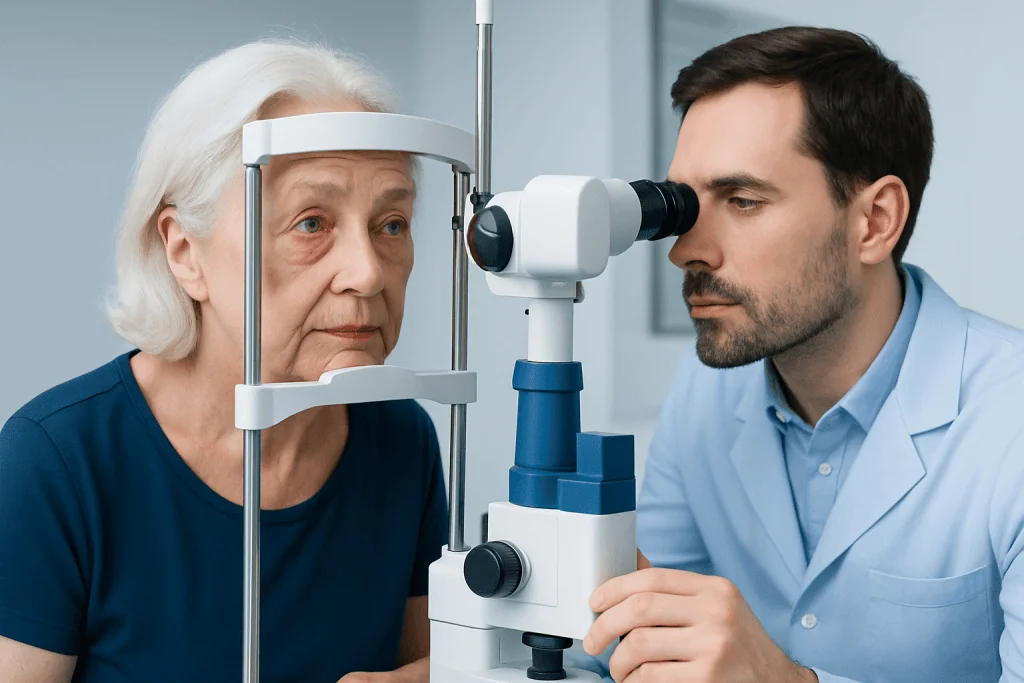
The eyelids do more than blink. They spread tears across the eye, help tears drain through tiny openings called puncta, and protect the eye from dryness, dust, and minor injury. In ectropion, the punctum may no longer touch the eye properly, so tears spill onto the cheek instead of draining normally.
This is why a person can have both excessive tearing and dryness at the same time. Tears may overflow because drainage is poor, yet the eye surface may still dry out because the lid is not distributing the tear film evenly. The exposed inner eyelid lining can also become red and irritated.
If exposure is more severe, the cornea may become inflamed. That can lead to light sensitivity, a gritty sensation, blurred vision, or pain. Because these symptoms overlap with other dry eye and eyelid problems, a proper eye examination helps confirm whether ectropion is the main cause.
Symptoms

Symptoms of ectropion often start gradually. Some people first notice watery eyes or a need to wipe the eye frequently. Others feel irritation, burning, or a sensation as though something is in the eye. Symptoms can affect one eye or both, depending on the cause.
Common symptoms include:
- Excess tearing or tears running down the cheek
- Dryness, burning, or stinging
- Redness of the eye or eyelid
- Grittiness or foreign-body sensation
- Mucus discharge or crusting
- Sensitivity to wind or light
- Blurred vision that improves after blinking or lubrication
In more advanced cases, the eye surface may become inflamed or infected. Recurrent conjunctivitis, soreness, or trouble closing the eye completely can occur. If the cornea is affected, symptoms may become more urgent because the transparent front of the eye needs consistent protection to remain healthy.
Causes and risk factors
The most common type of ectropion is involutional ectropion, which is related to aging. Over time, the supporting tissues and tendons of the eyelid may loosen. As that support weakens, the lower lid can sag away from the eye, especially in older adults.
Another cause is cicatricial ectropion, which happens when scarring or skin tightening pulls the lid outward. This may follow injury, burns, previous eyelid or facial surgery, radiation, or chronic skin disease. Facial nerve weakness, including after Bell’s palsy or other nerve conditions, can also reduce the muscle tone needed to keep the eyelid in place. In some cases, a mechanical problem such as a lump or swelling on the eyelid physically pulls it down.
Less often, ectropion is present from birth. Risk may be higher in people with long-term sun damage, prior eye operations, chronic eyelid inflammation, or conditions that affect facial movement. Because the management depends on the underlying reason, clinicians focus not only on the lid position but also on what is causing it.
Diagnosis
Ectropion is usually diagnosed during a clinical eye examination. A doctor looks at the eyelid position, lid tone, blink function, and whether the punctum is correctly positioned to drain tears. The eye surface is also checked for dryness, scratches, inflammation, or signs of infection.
The examination often includes gently pulling on the eyelid to assess laxity, asking the patient to close the eyes tightly, and evaluating facial nerve function. If scarring is suspected, the surrounding skin and eyelid tissue are examined carefully. When symptoms overlap with other conditions, the doctor may also consider conjunctivitis or other ocular surface disorders.
Additional tests are not always needed, but they may be helpful in selected cases. For example, if a growth, facial nerve disorder, or a more complex eyelid problem is suspected, further ophthalmic assessment may be arranged. The goal is to identify whether the problem is age-related, scar-related, paralytic, mechanical, or congenital, because treatment choices differ across these types.
Treatment options
Treatment for ectropion depends on the cause, the severity of symptoms, and whether the cornea is at risk. For mild cases or while awaiting a procedure, doctors often recommend lubricating eye drops during the day and ointment at night. These do not correct the eyelid position, but they can reduce dryness, irritation, and exposure-related damage.
If inflammation or infection is present, treatment may also include short-term medical therapy chosen by an eye specialist. In some people, temporary measures such as eyelid taping may help protect the eye. However, lasting improvement usually requires correcting the position of the eyelid itself, particularly when lid laxity or structural change is the main issue.
Surgery is commonly used when symptoms are persistent, the eyelid is significantly turned out, or the eye surface is threatened. The procedure may tighten the lower eyelid, repair a tendon, release scar tissue, or add a skin graft when skin shortage is the cause. Depending on the situation, this can be approached through oculoplastic surgery or another targeted eyelid repair procedure. If related facial problems are involved, a specialist may also evaluate whether broader eye surgery planning is needed.
People with complex cases may benefit from care involving ophthalmology, oculoplastic surgery, dermatology, or neurology. Near the end of the care pathway, patients seeking international evaluation may also learn that Acibadem International’s multidisciplinary specialists in JCI-accredited hospitals diagnose and treat ectropion and related eyelid disorders for international patients.
Self-care and prevention
Not all cases of ectropion can be prevented, especially those related to aging or nerve problems. Still, simple measures can help protect the eye and reduce irritation. Regular use of lubricating drops or ointment, avoiding rubbing the eyes, and shielding the eyes from wind and dust may improve comfort.
It is also helpful to manage underlying skin or eye conditions early. Chronic eyelid inflammation, untreated dryness, or repeated infections can worsen symptoms and make the eye surface more vulnerable. People who have had facial surgery, trauma, or radiation should report new watering or eyelid drooping promptly so it can be assessed before the eye becomes more irritated.
General eye health habits matter as well:
- Use prescribed eye lubricants as directed
- Protect the eyes outdoors with glasses or sunglasses
- Seek assessment for persistent redness or discharge
- Follow post-surgical care instructions carefully after eyelid or facial procedures
- Address symptoms of related ocular surface disease, including dry eye, with professional guidance
Self-care can reduce discomfort, but it should not replace evaluation when the eyelid position is clearly abnormal. Because prolonged exposure can affect the cornea, ongoing symptoms deserve medical attention.
When to seek medical care
A person should arrange medical assessment if the eyelid appears turned outward, tearing is persistent, or the eye feels chronically dry, irritated, or red. Even when symptoms seem mild, an eye examination is worthwhile because the condition can gradually expose the eye surface to damage.
More urgent review is needed if there is eye pain, worsening redness, discharge, increasing light sensitivity, or changes in vision. These signs can suggest corneal involvement or infection, which require prompt treatment. Medical care is also important if ectropion begins after facial weakness, injury, surgery, or a new skin lesion around the eyelid.
Many eyelid problems can look similar, so professional assessment helps clarify whether symptoms are due to ectropion, entropion, infection, or another cause. Early treatment is often simpler and can improve comfort while reducing the chance of complications.
Frequently asked questions
What is ectropion?
Ectropion is a condition in which the eyelid, usually the lower lid, turns outward away from the eye. This prevents the eyelid from protecting the eye surface properly and can interfere with normal tear drainage.
Is ectropion serious?
Ectropion is often manageable, but it should not be ignored. If the eyelid remains turned outward, the eye surface can become dry, irritated, infected, or in some cases damaged, especially if the cornea is exposed.
What causes ectropion?
The most common cause is age-related loosening of the eyelid tissues. Other causes include scarring, facial nerve weakness, previous surgery, trauma, skin disease, or less commonly a lump that pulls the eyelid downward.
Can ectropion go away on its own?
If ectropion is caused by a temporary issue, such as short-term facial weakness or swelling, improvement may be possible as the underlying problem recovers. However, age-related or structural ectropion usually does not correct itself and often needs medical treatment.
How is ectropion treated?
Treatment may begin with lubricating drops or ointment to protect the eye and ease irritation. If the eyelid position is significantly abnormal or symptoms continue, surgery is often recommended to restore the eyelid to a more normal position.
When should someone see a doctor for ectropion?
A doctor should evaluate persistent tearing, dryness, redness, or a visibly outward-turning eyelid. Urgent care is important if there is pain, discharge, light sensitivity, or changes in vision, because these can signal corneal irritation or infection.
References
- American Academy of Ophthalmology
- National Eye Institute
- Mayo Clinic
- Merck Manual Professional Edition
This article is for general information only and is not a substitute for professional medical advice. Please consult a qualified doctor about your individual situation.
Explore treatments in Turkey — costs, top hospitals & a free quote
JCI-accredited · board-certified surgeons · reply within 24h