Emotional Damage Meme: An Evidence-Based Guide for Patients

The emotional damage meme is a cultural phrase, not a clinical mental health term. Most people view memes as humor, but context matters and some people may feel upset, ashamed, or triggered.
Key Takeaways
- The emotional damage meme is a cultural phrase, not a clinical mental health term.
- Most people view memes as humor, but context matters and some people may feel upset, ashamed, or triggered.
- Persistent distress, anxiety, sleep changes, or social withdrawal after online interactions should not be ignored.
- Healthy digital habits, boundaries, and supportive conversations can reduce the emotional impact of online content.
- A doctor or mental health professional can help if symptoms interfere with daily life or safety.
The emotional damage meme is an internet joke popularized in short videos and social media, not a medical diagnosis. However, if meme-based teasing, online harassment, or repeated reminders of painful experiences cause real distress, it can affect emotional well-being and may deserve professional support.
Overview: What the Emotional Damage Meme Means
The emotional damage meme usually refers to a humorous reaction used online after an awkward, embarrassing, or disappointing moment. In everyday use, people often post or say it to exaggerate a minor setback for comic effect. In that sense, it is part of internet culture rather than a medical term.
Still, jokes do not affect everyone in the same way. A meme can feel harmless to one person and upsetting to another, especially if it is used during bullying, repeated teasing, or after a painful personal experience. The emotional response depends on the person’s history, current stress level, social context, and how the content is shared.
For patients and families, the important point is simple: the meme itself is not a diagnosis, but the feelings it may bring up can be real. If online content contributes to sadness, anxiety, shame, anger, or social withdrawal, it is reasonable to take those reactions seriously and seek support when needed.
Why a Meme Can Have a Real Emotional Effect
Humor can reduce tension, create connection, and help people cope with everyday stress. Memes often work because they are brief, relatable, and easy to share. In many situations, they are part of normal social communication and do not cause harm.
However, digital content can also intensify emotions. Repeated exposure, public comments, mockery in group chats, or posts that target someone’s appearance, relationships, school or work performance, or personal trauma may lead to embarrassment and distress. Online interactions can feel especially powerful because they may be fast, visible to many people, and difficult to escape.
People with existing mental health concerns may be more sensitive to stressful online experiences. For example, individuals living with depression or anxiety may notice stronger emotional reactions, lower self-esteem, or a tendency to replay upsetting exchanges. This does not mean they are overreacting; it means context and vulnerability matter.
Children, teenagers, and young adults may also be more affected because peer approval often plays a large role in development. Even adults can experience significant emotional strain when humor crosses into humiliation or exclusion.
Common Emotional and Physical Reactions
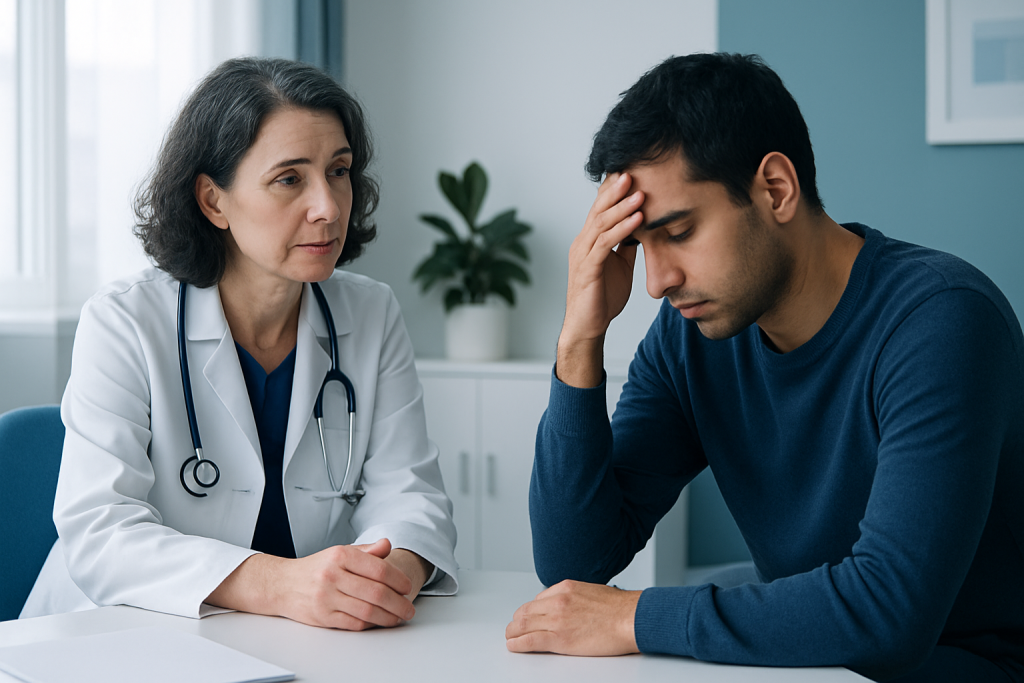
When a meme or online joke feels hurtful, the reaction may be emotional, physical, or both. Some people feel briefly annoyed and move on, while others continue thinking about the event for hours or days. Stronger responses are more likely when the content touches on a personal insecurity or a past difficult experience.
Possible reactions include sadness, shame, irritability, anger, worry, and difficulty concentrating. Some people avoid social media, group conversations, school, or work after a painful online interaction. Others become preoccupied with checking comments, replaying what happened, or trying to control how they are perceived.
Stress can also show up physically. Sleep problems, headaches, muscle tension, stomach discomfort, racing heart, and fatigue may occur during emotionally intense periods. These symptoms are not specific to meme-related distress, but they can be part of a broader stress response.
- Feeling upset long after the joke has passed
- Changes in sleep or appetite
- Loss of confidence or self-consciousness
- Avoiding friends, class, work, or online spaces
- Repeatedly checking posts, comments, or messages
- Feeling unsafe, trapped, or humiliated online
When Humor Crosses Into Harm
The difference between a harmless joke and a harmful experience often lies in consent, repetition, and power dynamics. A shared joke among friends may feel lighthearted when everyone is comfortable. The same phrase can become damaging if it is used to single someone out, dismiss feelings, or continue a pattern of ridicule.
Online harassment may include insulting comments, reposting private information, mocking videos, coordinated teasing, or repeated tagging meant to embarrass someone. If a person feels pressured to laugh along despite feeling hurt, the emotional impact can deepen. This is especially important when the content spreads quickly or remains online.
At times, meme-related distress may overlap with broader mental health concerns such as persistent anxiety, low mood, panic symptoms, or trauma-related reactions. In these situations, support may include counseling, behavioral strategies, and in some cases assessment for conditions such as anxiety disorder. The goal is not to pathologize internet culture, but to recognize when real symptoms are developing.
How Doctors and Mental Health Professionals Evaluate Distress
There is no medical test for the emotional damage meme itself. Instead, clinicians look at the person’s symptoms, how long they have lasted, what triggered them, and whether daily functioning has changed. They may ask about sleep, mood, school or work performance, social withdrawal, concentration, appetite, and any history of stress, bullying, trauma, or mental health conditions.
An evaluation may also explore digital habits. For example, a clinician might ask how much time is spent online, whether upsetting content is being revisited, and whether the person feels safe in their online environment. This helps identify practical steps that may reduce ongoing stress.
In some cases, a mental health assessment is recommended to look for depression, anxiety, panic symptoms, adjustment difficulties, or trauma-related concerns. If there are neurological symptoms such as unusual fainting spells, severe headaches, or major changes in behavior, additional medical evaluation may be appropriate to rule out other causes.
Assessment is not about judging someone’s reaction to a joke. It is about understanding whether emotional symptoms are temporary and manageable, or whether they have become significant enough to benefit from structured care.
Treatment, Support, and Healthy Coping Strategies
Support depends on the severity of symptoms. Mild distress may improve with rest, reduced exposure to upsetting content, and conversations with trusted friends or family. Naming the experience clearly can help: a person may say that something posted as humor actually felt embarrassing, invalidating, or overwhelming.
When symptoms last or interfere with life, professional support can be useful. Talk therapy may help a person manage anxious thoughts, reduce shame, improve coping skills, and rebuild confidence. For some patients, psychotherapy offers a structured way to process online stress, bullying, or deeper emotional triggers.
Self-care strategies can also reduce the impact of digital stress:
- Take breaks from platforms or mute triggering accounts
- Limit repeated viewing of upsetting posts
- Use privacy settings, blocking, and reporting tools
- Keep regular sleep, meals, movement, and offline routines
- Talk with a trusted person instead of carrying the stress alone
- Save evidence if harassment may need to be reported
If symptoms are more intense, a clinician may recommend a broader psychiatric evaluation to assess mood, anxiety, stress-related symptoms, and treatment options. In selected cases, care may include counseling combined with medical follow-up. The best plan is individualized and based on the person’s symptoms, safety, and goals.
Prevention and Digital Self-Care
It is not realistic to avoid all upsetting online content, but it is possible to reduce risk. A helpful approach is to treat digital spaces like any other environment: if a setting repeatedly harms well-being, boundaries are appropriate. Curating feeds, leaving hostile group chats, and limiting doom-scrolling can make a meaningful difference.
Parents and caregivers can support children and teens by keeping communication open rather than relying only on monitoring. Asking how online humor feels, whether teasing seems welcome or uncomfortable, and who a child can talk to if something goes wrong can encourage early help-seeking. Adults also benefit from checking in with their own stress responses instead of dismissing them.
Protective habits include maintaining offline relationships, sleep routines, physical activity, and time away from screens. People who already live with mental health conditions may benefit from discussing digital triggers during regular care. If needed, more comprehensive mental health support can help strengthen resilience and day-to-day coping.
Near the end of the care pathway, some patients seek coordinated evaluation and treatment in a multidisciplinary setting. Acibadem International’s specialists and JCI-accredited hospitals provide diagnosis and treatment for international patients when emotional symptoms require professional assessment.
When to Seek Medical Care
Medical or mental health care should be considered if distress continues beyond a short period, returns repeatedly, or starts to affect school, work, relationships, sleep, eating, or daily functioning. It is also important to seek help if online experiences trigger panic, persistent low mood, severe anxiety, or memories of past trauma.
Urgent help is needed if a person talks about self-harm, suicide, feeling hopeless, or being unable to stay safe. The same is true if there is severe agitation, confusion, inability to function, or threats from others online or offline. In these situations, immediate support from emergency services, a local crisis resource, or a qualified clinician is appropriate.
For children and teens, parents should seek professional advice when a young person becomes withdrawn, refuses school, shows major mood changes, or seems frightened to go online or interact socially. Early support can prevent symptoms from becoming more severe and can help families respond calmly and effectively.
Frequently asked questions
Is the emotional damage meme a medical condition?
No. The emotional damage meme is an internet phrase used for humor and exaggeration, not a diagnosis. What may need attention is the person's actual emotional response, especially if distress is persistent or disruptive.
Can a meme really affect mental health?
Yes, in some situations. Most memes are harmless, but repeated teasing, cyberbullying, or content that touches on painful experiences can contribute to anxiety, shame, sadness, or stress-related symptoms.
How can someone tell whether they are overreacting?
A useful question is whether the reaction is brief and manageable or whether it keeps interfering with sleep, mood, concentration, relationships, or daily responsibilities. If symptoms continue, seeking support is reasonable regardless of whether others think the content was 'just a joke.'
What should parents do if a child is upset by online jokes or memes?
Parents can start by listening calmly and taking the child's feelings seriously. It helps to review what happened, save evidence if needed, use platform safety tools, and seek professional guidance if the child becomes withdrawn, anxious, or reluctant to attend school or socialize.
What treatments help with meme-related emotional distress?
Treatment focuses on the symptoms rather than the meme itself. Support may include therapy, stress management, healthier digital boundaries, and evaluation for anxiety, depression, or trauma-related symptoms when appropriate.
When is urgent help necessary?
Urgent help is needed if someone expresses suicidal thoughts, self-harm, hopelessness, or an inability to stay safe. Emergency support is also important if there is severe panic, confusion, major behavioral change, or credible threats from others.
References
- World Health Organization
- American Psychiatric Association
- Centers for Disease Control and Prevention
- National Institute of Mental Health
- American Academy of Pediatrics
This article is for general information only and is not a substitute for professional medical advice. Please consult a qualified doctor about your individual situation.
Explore treatments in Turkey — costs, top hospitals & a free quote
JCI-accredited · board-certified surgeons · reply within 24h
Add us as a Preferred Source to see more of our trusted health content across Google Search, AI Overviews and Discover.

More from the Health Library

Mongolian Spot: What Patients Need to Know

Shingles in the Eye: An Evidence-Based Guide for Patients
Abdominal Binder: A Complete Medical Overview

Hamstring: A Complete Medical Overview
Acupressure Mat: An Evidence-Based Guide for Patients