Levitra: What Patients Need to Know

Levitra contains vardenafil, a medicine used to treat erectile dysfunction. It does not increase sexual desire and works only with sexual stimulation.
Key Takeaways
- Levitra contains vardenafil, a medicine used to treat erectile dysfunction.
- It does not increase sexual desire and works only with sexual stimulation.
- Levitra can interact with nitrates and some heart, blood pressure, and antifungal medicines.
- Common side effects are often mild, but chest pain, vision changes, or a prolonged erection need urgent medical care.
- A doctor can help determine whether erectile dysfunction may be linked to heart disease, diabetes, hormone issues, or stress.
Levitra is a prescription medication used to treat erectile dysfunction by improving blood flow to the penis during sexual stimulation. Patients considering levitra should understand how it works, who should avoid it, and when medical advice is especially important.
Overview: What Levitra Is and What It Does
Levitra is a brand name for vardenafil, a prescription medicine used to treat erectile dysfunction (ED). In simple terms, it helps some men achieve and maintain an erection firm enough for sexual activity. It does this by supporting blood flow to the penis when a person is sexually stimulated.
Levitra belongs to a group of medicines called phosphodiesterase type 5 (PDE5) inhibitors. Other medicines in this group work in a similar way, but the exact timing, food effects, and side effect profile can differ from person to person. Because of this, a medicine that works well for one patient may not be the best choice for another.
It is important for patients to know that levitra is not an aphrodisiac and does not automatically cause an erection. Sexual arousal is still needed. It also does not cure the underlying cause of ED, which may be related to circulation, nerve function, hormones, emotional health, medication side effects, or chronic disease.
Erectile dysfunction itself can sometimes be a sign of a broader health issue rather than an isolated problem. In some patients, it may be linked with vascular disease, diabetes, or stress-related conditions. For this reason, medical assessment can be useful even when the main concern seems limited to sexual performance.
How Levitra Works and How It Is Usually Taken
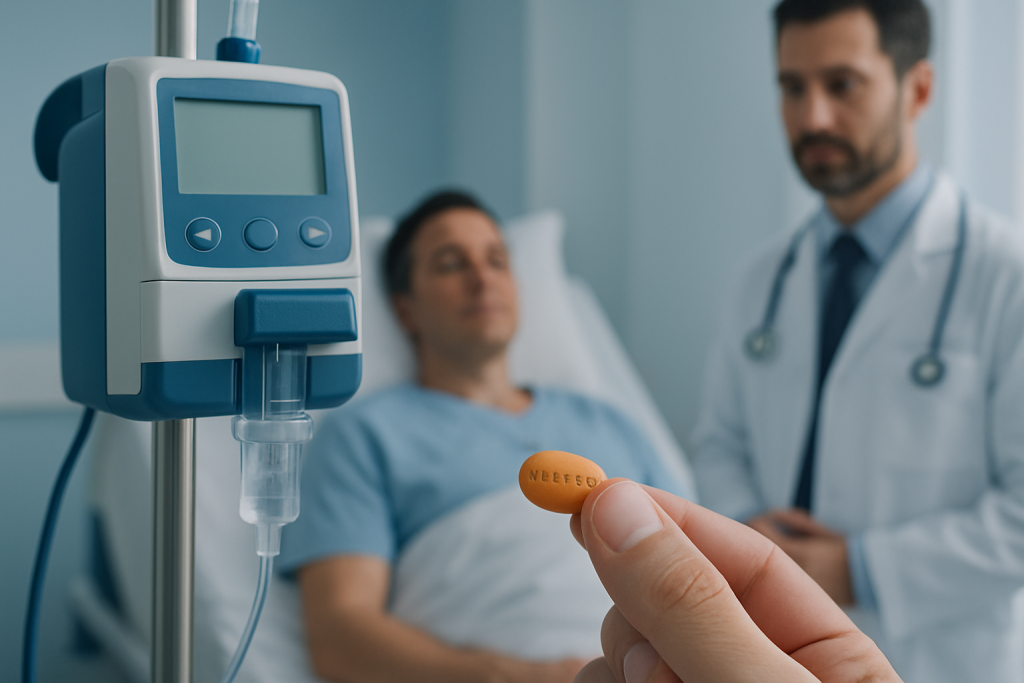
During sexual stimulation, the body releases chemical signals that relax muscles and widen blood vessels in the penis. Levitra helps strengthen this natural process by blocking PDE5, an enzyme that can reduce the erection response. When PDE5 is inhibited, blood flow can improve and the erection response may be easier to achieve.
Doctors usually prescribe levitra to be taken before planned sexual activity, rather than as a daily medicine. The exact timing and dose depend on the patient’s age, overall health, liver function, other medications, and prior response to ED treatment. Patients should follow the prescribing clinician’s instructions carefully and should not take more than prescribed.
Food may affect how quickly the medicine starts to work in some people. Heavy or fatty meals can sometimes delay onset. Alcohol may also make erections more difficult and can increase certain side effects such as dizziness or low blood pressure, so moderation is generally advised.
If levitra does not seem to work the first time, that does not always mean it is ineffective. Correct timing, adequate sexual stimulation, and review of other health factors all matter. A doctor may reassess whether another approach to erectile dysfunction or a different treatment plan is more appropriate.
Who May Benefit and Who Should Not Use It

Levitra may be considered for adult men diagnosed with erectile dysfunction. It can be helpful when ED is related to blood vessel changes, diabetes, stress, aging, or certain medical conditions. However, it is not suitable for everyone, and a prescription is important because safety depends on a person’s cardiovascular health and medication list.
Patients who take nitrate medicines should not use levitra. This includes nitrate tablets, sprays, or patches often used for angina, because combining them can cause a dangerous drop in blood pressure. Levitra also may not be appropriate for people advised to avoid sexual activity because of unstable heart disease.
Caution is also needed in men with significant liver disease, severe kidney problems, certain rhythm disorders, a history of fainting related to low blood pressure, or inherited eye conditions affecting the retina. People taking alpha-blockers, some antiarrhythmic medicines, antifungal drugs, certain antibiotics, or HIV medications may need special review due to possible interactions.
Levitra is not intended for women or children. It should also not be used recreationally or mixed with other ED medicines unless specifically directed by a doctor. For men whose ED may reflect hormonal or prostate-related concerns, evaluation in a urology assessment can help guide safe treatment choices.
Possible Side Effects and Drug Interactions
Like all prescription medicines, levitra can cause side effects. Common ones include headache, facial flushing, nasal congestion, indigestion, and dizziness. Some patients also notice back discomfort or changes in how they feel after meals. These effects are often temporary, but any persistent or troublesome symptom should be discussed with a clinician.
Less common but more serious problems can occur. These include a sudden drop in blood pressure, chest pain, fainting, sudden hearing changes, sudden vision loss, or an erection lasting too long. A prolonged erection can damage tissue and is considered a medical emergency if it lasts more than four hours.
Interactions are one of the most important safety issues with levitra. Nitrates are the best-known dangerous interaction, but other medicines can also raise risk. These include some medicines for heart rhythm, some blood pressure medicines, certain antibiotics and antifungals, and drugs that affect how the liver breaks down vardenafil.
Patients should also tell their doctor about supplements, herbal products, and recreational substances. Even when a product is sold over the counter, it may affect blood pressure or contain hidden PDE5 inhibitors. For this reason, self-treating ED without professional review is not recommended.
Why Medical Evaluation Matters Before Starting Levitra
Erectile dysfunction is sometimes an early clue to other health conditions. Because erections depend on healthy blood vessels, nerves, hormones, and emotional well-being, ED may appear before symptoms of cardiovascular disease become obvious. A clinician may suggest checking blood pressure, blood sugar, cholesterol, testosterone levels, or other markers based on the person’s history.
A medical evaluation also helps distinguish occasional erection difficulties from persistent ED. Relationship stress, anxiety, sleep problems, depression, smoking, alcohol use, and medication side effects can all contribute. Treating the underlying issue may improve sexual function and overall health at the same time.
Doctors may review whether symptoms suggest related conditions such as diabetes, vascular disease, or low testosterone. In some patients, a more complete men’s health review is useful, especially when ED starts suddenly, progresses quickly, or occurs with reduced libido, urinary symptoms, or fatigue. Some men may benefit from additional evaluation in a comprehensive medical check-up.
When erectile dysfunction does not improve with first-line treatment, other options may be discussed. Depending on the cause, management may include lifestyle changes, counseling, medication adjustment, or specialist care. In selected cases, a doctor may also evaluate for penile prosthesis treatment if non-surgical approaches are ineffective or unsuitable.
Practical Self-care and Safer Use Tips
Patients can improve both safety and treatment results by using levitra exactly as prescribed. It should not be shared with another person, even if they have similar symptoms. A medicine that is safe for one patient may be risky for someone with a different heart history, medication list, or underlying condition.
Healthy lifestyle habits can support erectile function and may enhance the effect of treatment. These include stopping smoking, limiting excess alcohol, being physically active, managing stress, sleeping well, and controlling chronic conditions such as diabetes, high blood pressure, and high cholesterol. Weight management and a balanced diet may also help vascular health.
It is helpful to keep expectations realistic. ED medicines can improve the physical response to stimulation, but they do not solve relationship difficulties, performance anxiety, or emotional distress on their own. Open communication with a partner and, when appropriate, support from a mental health professional or sex therapist may be beneficial.
Patients should also avoid buying ED medicines from unverified online sources. Counterfeit products may contain the wrong ingredient, the wrong dose, or contaminants. A licensed clinician and regulated pharmacy remain the safest route for diagnosis and treatment.
When to Seek Medical Care
Medical care should be sought promptly if a person develops chest pain, severe dizziness, fainting, shortness of breath, sudden vision loss, or sudden hearing changes after taking levitra. Emergency help is also needed for an erection lasting more than four hours, because this can cause permanent damage if not treated quickly.
A non-urgent medical appointment is appropriate if levitra is not working consistently, causes bothersome side effects, or if erection problems are becoming more frequent. Patients should also speak to a doctor if they have erectile dysfunction together with low sex drive, urinary symptoms, new fatigue, pelvic pain, or signs of anxiety or depression.
For some men, ED can be an early warning sign of blood vessel disease or other systemic illness. That is why new or worsening symptoms deserve proper evaluation rather than repeated self-medication. If needed, multidisciplinary specialists at Acibadem International and its JCI-accredited hospitals evaluate and treat international patients with sexual health and related medical concerns.
If symptoms occur alongside features of other conditions such as diabetes or cardiovascular disease, doctors may recommend broader assessment and treatment planning. This can include targeted review for diabetes or cardiovascular risk factors depending on the patient’s history and examination findings.
Frequently asked questions
What is levitra used for?
Levitra is used to treat erectile dysfunction in adult men. It helps improve blood flow to the penis during sexual stimulation, which can make it easier to get and keep an erection.
Is levitra the same as viagra?
No, they are not the same medicine, although both belong to the PDE5 inhibitor group and treat erectile dysfunction. Levitra contains vardenafil, while Viagra contains sildenafil, and they may differ in timing, food effects, and side effects for some patients.
Can levitra be taken with heart medication?
Some heart medicines can interact dangerously with levitra, especially nitrates used for chest pain. Patients with heart disease should only use levitra after a doctor reviews their medication list and confirms it is safe.
What are the most common levitra side effects?
Common side effects include headache, flushing, stuffy nose, indigestion, and dizziness. These are often mild, but any severe, persistent, or unusual symptom should be discussed with a healthcare professional.
How quickly does levitra work?
The onset can vary from person to person, and food or alcohol may affect timing. Patients should follow their doctor’s instructions on when to take it and remember that sexual stimulation is still required for it to work.
When should someone not use levitra?
Levitra should not be used with nitrates and may be unsafe in some people with significant heart rhythm problems, low blood pressure, or certain eye conditions. A doctor should review personal medical history before prescribing it.
This article is for general information only and is not a substitute for professional medical advice. Please consult a qualified doctor about your individual situation.
Explore treatments in Turkey — costs, top hospitals & a free quote
JCI-accredited · board-certified surgeons · reply within 24h
Add us as a Preferred Source to see more of our trusted health content across Google Search, AI Overviews and Discover.
Check your numbers in seconds
BMI, calories, due date, blood pressure and 30+ more clinical calculators — free, instant, doctor-reviewed ranges.

More from the Health Library

Pfo Heart: What Patients Need to Know

Pinched Nerve in Shoulder: What Patients Need to Know

Tantrum: What Patients Need to Know

Lemon Water Body Cleanse — Explained by Medical Evidence, Not Myths

Mons Pubis Male: What Patients Need to Know