Tap Water: A Complete Medical Overview

Most municipal tap water is safe when it is properly treated, tested, and delivered through well-maintained systems. Water quality can be affected by local infrastructure, household plumbing, old pipes, private wells, and temporary contamination events.
Key Takeaways
- Most municipal tap water is safe when it is properly treated, tested, and delivered through well-maintained systems.
- Water quality can be affected by local infrastructure, household plumbing, old pipes, private wells, and temporary contamination events.
- Boiling, certified filters, or bottled water may be appropriate in specific situations, but the best option depends on the problem present.
- Infants, older adults, pregnant people, and anyone with a weakened immune system may need extra caution with tap water.
- Persistent digestive symptoms, signs of dehydration, or concerns about possible contamination should be discussed with a qualified doctor.
Tap water is generally safe to drink when it comes from a well-managed public water system that is regularly treated and monitored. However, its quality can vary by location, plumbing, storage conditions, and local contamination events, so it is helpful to understand when tap water is safe, when extra precautions are sensible, and when symptoms may need medical attention.
Overview: What Tap Water Means for Health
Tap water is water delivered through a public or private plumbing system for drinking, cooking, bathing, and other daily uses. In many places, municipal tap water is treated to remove harmful microorganisms and reduce chemical contaminants, making it safe for most healthy people to drink. Even so, the safety of tap water is not identical everywhere, because source water, treatment methods, aging infrastructure, and home plumbing can all influence final water quality.
From a health perspective, tap water is more than a convenience. It supports hydration, temperature regulation, digestion, kidney function, and overall daily wellbeing. In some areas, it may also contain beneficial minerals such as calcium and magnesium, and some public systems add fluoride to help reduce tooth decay. These features can make tap water a practical and healthy choice when quality standards are met.
Questions about tap water often arise after changes in taste, odor, or color, local news about contamination, or symptoms such as diarrhea after travel or home plumbing issues. It is important to know that unusual water appearance does not always mean danger, and clear water is not always free of contaminants. Reliable answers usually come from local water quality reports, certified testing, and medical evaluation when symptoms are present.
What Affects Tap Water Quality
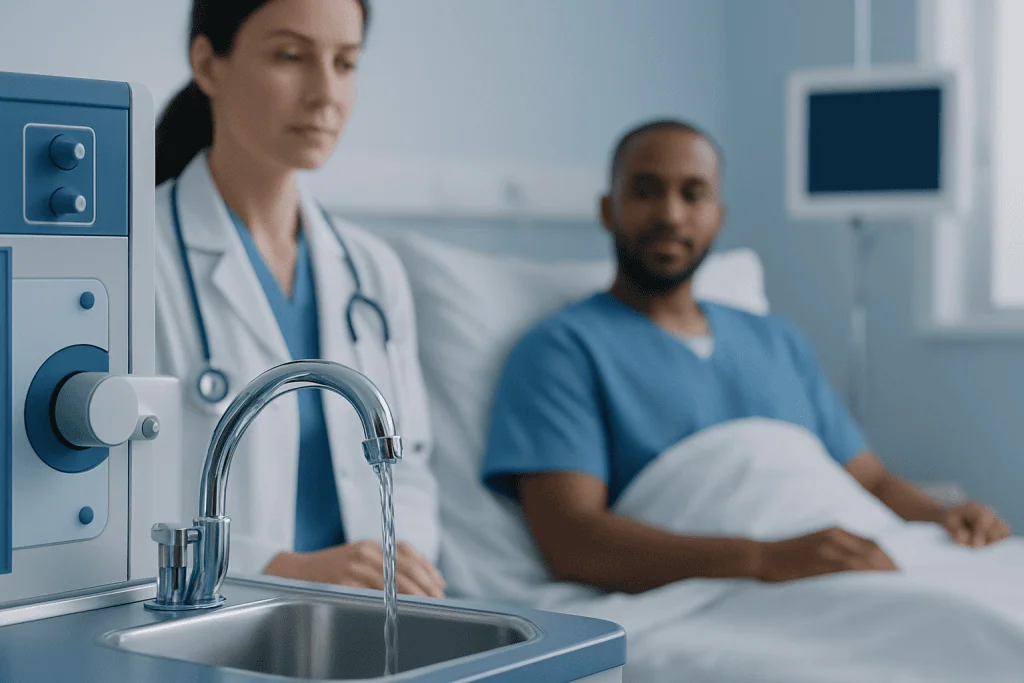
Tap water quality begins with its source. Water may come from rivers, lakes, reservoirs, or underground aquifers. Each source can be affected differently by natural minerals, agricultural runoff, industrial pollutants, sewage leaks, heavy rains, or drought. Public water systems usually treat these sources through filtration and disinfection, but unexpected events can still affect quality for short periods.
The distribution system also matters. Water can leave a treatment plant in good condition but change as it moves through pipes. Older infrastructure may contribute rust, sediment, or, in some buildings, lead from old plumbing materials. Within a home, low-use taps, poorly maintained water tanks, or aging internal pipes can also affect the water that reaches the glass.
Common factors that influence tap water quality include:
- Microorganisms such as bacteria, viruses, and parasites
- Chemicals including nitrates, pesticides, or industrial compounds
- Metals such as lead, copper, or iron from pipes or source water
- Disinfection byproducts formed during water treatment
- Mineral content that changes taste, hardness, or scaling
- Short-term events such as floods, pipe breaks, or boil-water advisories
Private well water deserves special mention because it is not usually monitored in the same way as municipal supplies. People who rely on wells may need regular testing for bacteria, nitrates, and local contaminants, especially after storms, flooding, nearby construction, or changes in taste or smell.
Possible Health Benefits and Common Concerns

For most people, the main benefit of tap water is dependable hydration without added sugar, calories, or caffeine. Choosing water over sugary drinks may support oral health, weight management, and metabolic health. In communities where fluoride is added at recommended levels, tap water can also contribute to cavity prevention, especially in children and adolescents.
Minerals in tap water may slightly contribute to daily intake, depending on the local supply. Hard water contains more calcium and magnesium, which are not harmful for most people, though they may affect taste and leave deposits on appliances. Softened water may contain more sodium, which can be relevant for people on sodium-restricted diets, depending on the softening system used.
Concerns about tap water usually focus on contamination, taste, odor, and long-term exposure. Short-term contamination can cause stomach upset or diarrhea if infectious organisms are present. Long-term exposure concerns may involve lead, nitrates, or certain industrial chemicals, although the degree of risk depends on the contaminant level, exposure duration, age, and individual health status.
It is also helpful to distinguish between aesthetic issues and health issues. Chlorine smell, cloudiness from air bubbles, or hard-water scale can be unpleasant but are not always dangerous. By contrast, repeated gastrointestinal illness, known plumbing lead risks, or official warnings from local authorities deserve closer attention and may require testing or temporary changes in drinking water sources.
Symptoms That May Be Linked to Unsafe Water
Unsafe tap water does not always cause immediate symptoms, but when symptoms occur they often involve the digestive system. Drinking water contaminated with infectious organisms may lead to nausea, vomiting, abdominal cramps, diarrhea, or fever. These symptoms can begin within hours or over several days, depending on the cause.
Some people are more vulnerable to complications from waterborne illness. Infants and young children can become dehydrated quickly. Older adults, pregnant people, and those with weakened immune systems may be at greater risk from infections that healthy adults recover from more easily. In these groups, even mild symptoms deserve prompt attention.
Contaminants such as lead or nitrates may not cause obvious symptoms right away, which is why prevention and testing are important. Lead exposure is especially concerning in children because it can affect development over time. Nitrate exposure is a particular concern for infants, especially when formula is prepared with contaminated water.
If diarrhea is severe, prolonged, or associated with blood, dehydration, or fever, medical evaluation is important. Depending on the symptoms, doctors may evaluate for infectious causes and related digestive conditions such as gastroenteritis or consider whether supportive treatment like IV hydration therapy is needed in cases of significant fluid loss.
How Tap Water Safety Is Evaluated
Public water systems are typically monitored through routine testing for microbial contamination, disinfectant levels, and selected chemicals or metals. Many regions provide annual or periodic consumer water quality reports. These reports can help households understand what has been measured, whether standards were met, and whether any short-term advisories have been issued.
At the household level, practical clues may prompt further checking. A sudden metallic taste, brown or blue-green discoloration, unusual odor, or recurring stomach illness in more than one household member can justify contacting the water supplier or arranging certified water testing. If a home has very old plumbing, recent plumbing work, or prolonged periods of stagnant water in the pipes, testing may be especially useful.
Testing decisions should match the concern. For example, lead testing may be most relevant in older buildings, while bacterial testing is a priority for private wells or after flooding. People using private wells often benefit from a routine schedule for water testing, rather than waiting for symptoms to appear. If repeated illness suggests infection, doctors may order stool tests or blood tests and, when needed, gastroenterology evaluation to look for the cause.
Boil-water advisories should always be taken seriously. During an advisory, local health authorities usually explain whether water should be boiled for drinking, cooking, brushing teeth, or infant formula preparation. Boiling helps with many infectious risks, but it does not remove all chemical contaminants, so the right response depends on the specific issue identified.
Ways to Reduce Risk at Home
Simple household steps can reduce uncertainty about tap water. If water has been sitting in the pipes for several hours, running the cold tap briefly before drinking may help flush stagnant water. Using cold water for cooking and drinking is generally preferred, because hot water is more likely to dissolve metals from plumbing. Water used for infant formula should follow local public health advice, especially when nitrate or lead concerns exist.
Home filtration can be helpful, but the type of filter matters. Not all filters remove the same contaminants. A filter certified for lead may not remove bacteria, and a basic taste-and-odor filter may do little for nitrates or other chemicals. Filters also need regular replacement according to the manufacturer’s instructions; an old filter may become less effective over time.
Possible approaches include:
- Checking the local water quality report regularly
- Testing home water when there are plumbing risks or quality concerns
- Following boil-water notices without delay
- Using certified filters targeted to the contaminant of concern
- Maintaining private wells and testing them routinely
- Choosing a safe temporary alternative water source during contamination events
People with ongoing digestive symptoms after suspected exposure may need medical assessment, especially if symptoms persist after changing the water source. In some situations, doctors may investigate infections or other digestive disorders and recommend supportive care. If severe dehydration develops or persistent symptoms raise concern for another underlying condition, a broader internal medicine assessment may be appropriate, including internal medicine care.
Special Considerations for Infants, Pregnancy, and Weakened Immunity
Some groups need extra caution with tap water. Infants are particularly sensitive to dehydration from diarrhea and may also be at risk from contaminants such as nitrates. If there are questions about water safety, parents should seek guidance before using tap water for formula preparation. In many situations, local public health advice provides the most practical next step.
During pregnancy, hydration is important, and safe tap water is usually a good option. However, if there is a known local contamination issue, using a safer temporary source may be sensible until the problem is resolved. Pregnant people should also be cautious about gastrointestinal illness because vomiting and diarrhea can lead to dehydration more quickly.
People with weakened immune systems, including those receiving cancer treatment, living with certain chronic illnesses, or taking immune-suppressing medicines, may be more vulnerable to infections from contaminated water. In these cases, a doctor may recommend stricter precautions during outbreaks, travel, or local water advisories.
Travelers should remember that tap water standards differ from one place to another. Even where water is officially treated, unfamiliar organisms may still trigger digestive symptoms. If symptoms become significant, doctors may evaluate for infectious causes and for dehydration-related problems that sometimes overlap with broader diarrhea-related illness.
When to Seek Medical Care
Medical care is appropriate if symptoms after drinking tap water are severe, persistent, or affecting a person at higher risk. Warning signs include repeated vomiting, diarrhea lasting more than a few days, high fever, blood in the stool, severe abdominal pain, dizziness, confusion, or signs of dehydration such as very dark urine, minimal urination, or unusual sleepiness. Infants, older adults, and people with chronic medical conditions should be assessed sooner rather than later.
Medical advice is also sensible when there has been known exposure to contaminated water, especially if official notices mention lead, nitrates, sewage contamination, or industrial chemicals. Even without symptoms, a clinician may recommend testing or monitoring in some situations, particularly for children or pregnant people.
If a person has ongoing concerns about water safety and health effects, evaluation may involve symptom review, physical examination, and selective testing. Near the end of the care pathway, specialist input may be helpful depending on the issue. Acibadem International’s multidisciplinary specialists and JCI-accredited hospitals diagnose and treat health concerns related to dehydration, infections, and digestive symptoms in international patients.
Frequently asked questions
Is tap water safe to drink every day?
In many areas, yes. Tap water is usually safe when it comes from a properly treated and monitored public system, but safety can vary by location, infrastructure, and temporary contamination events. Local water reports and public health advisories are the best guides.
How can a person tell if tap water is unsafe?
Tap water may be unsafe even if it looks normal, so appearance alone is not enough. Sudden changes in taste, smell, or color, repeated stomach illness, official boil-water notices, or concerns about old plumbing are reasons to check with the local supplier or arrange certified testing.
Does boiling tap water make it safe?
Boiling can kill many harmful microorganisms, so it is useful during some contamination events. However, boiling does not remove all chemicals or metals and may not be the right solution for every problem. The best response depends on what is contaminating the water.
Is filtered tap water better than regular tap water?
It can be, but only if the filter is designed for the specific concern and is maintained properly. Different filters remove different contaminants, so choosing a certified product for lead, microbes, or other issues is important. A poorly matched or expired filter may offer limited benefit.
Should infants drink tap water?
Infants need special caution, especially when tap water is used to prepare formula. In areas with known nitrate, lead, or microbial concerns, parents should follow local health advice and speak with a pediatric clinician if unsure. Safe water choice is especially important in early infancy.
Can tap water cause diarrhea?
Yes, if it is contaminated with bacteria, viruses, or parasites. Diarrhea linked to unsafe water may occur with nausea, cramping, vomiting, or fever. If symptoms are severe, prolonged, or cause dehydration, medical care is important.
When should a person get tested after possible water contamination?
Testing may be useful when there has been a known contamination event, symptoms after exposure, or concern about old pipes, private wells, or flooding. The type of testing depends on the suspected problem, such as bacteria, lead, or nitrates. A doctor or local health authority can help guide the next steps.
References
- World Health Organization
- U.S. Environmental Protection Agency
- Centers for Disease Control and Prevention
- American Academy of Pediatrics
- European Centre for Disease Prevention and Control
This article is for general information only and is not a substitute for professional medical advice. Please consult a qualified doctor about your individual situation.
Explore treatments in Turkey — costs, top hospitals & a free quote
JCI-accredited · board-certified surgeons · reply within 24h
Add us as a Preferred Source to see more of our trusted health content across Google Search, AI Overviews and Discover.

More from the Health Library

Fructose Intolerance: A Complete Medical Overview

First Aid: A Complete Medical Overview

Esophageal Atresia: A Complete Medical Overview

50kg: Symptoms, Causes, and Treatment — Complete Patient Guide

Purple Coloured Feet — Explained by Medical Evidence, Not Myths