Non Blanchable: A Complete Medical Overview
Non blanchable skin does not fade or whiten when pressed. It is commonly linked to early pressure injury, especially over bony areas.
Key Takeaways
- Non blanchable skin does not fade or whiten when pressed.
- It is commonly linked to early pressure injury, especially over bony areas.
- Persistent discoloration should be assessed in the context of pain, warmth, swelling, and skin breakdown.
- People with limited mobility, diabetes, vascular disease, or fragile skin have higher risk.
- Early pressure relief, skin protection, and medical assessment can help prevent worsening.
Non blanchable skin means an area of redness or discoloration does not turn pale when gentle pressure is applied. It is most often discussed as an early warning sign of skin damage, especially pressure-related injury, but it can also be seen with bruising, inflammation, infection, or reduced blood flow.
Overview: What non blanchable means
Non blanchable describes skin that stays red, purple, blue, or darker than the surrounding area when gentle pressure is applied. In healthy skin, pressing briefly with a finger often pushes blood out of tiny vessels, making the area look lighter for a moment before normal color returns. When the color does not fade, it suggests that the skin and tissues may be inflamed, injured, or affected by bleeding under the skin or changes in circulation.
This term is especially important in the assessment of pressure-related skin damage. A non blanchable area over the tailbone, heels, hips, elbows, or other bony points may be an early sign of pressure injury. In clinical practice, this is often called non blanchable erythema in lighter skin tones, while in darker skin tones it may appear as persistent purple, blue, or deepened discoloration rather than obvious redness.
Non blanchable skin is not a diagnosis by itself. It is a physical finding that must be interpreted along with symptoms, medical history, mobility, skin color, and whether the area is painful, warm, swollen, firm, or beginning to break down. Because causes vary, proper evaluation helps guide the right treatment and helps prevent more serious tissue injury.
How to recognize non blanchable skin
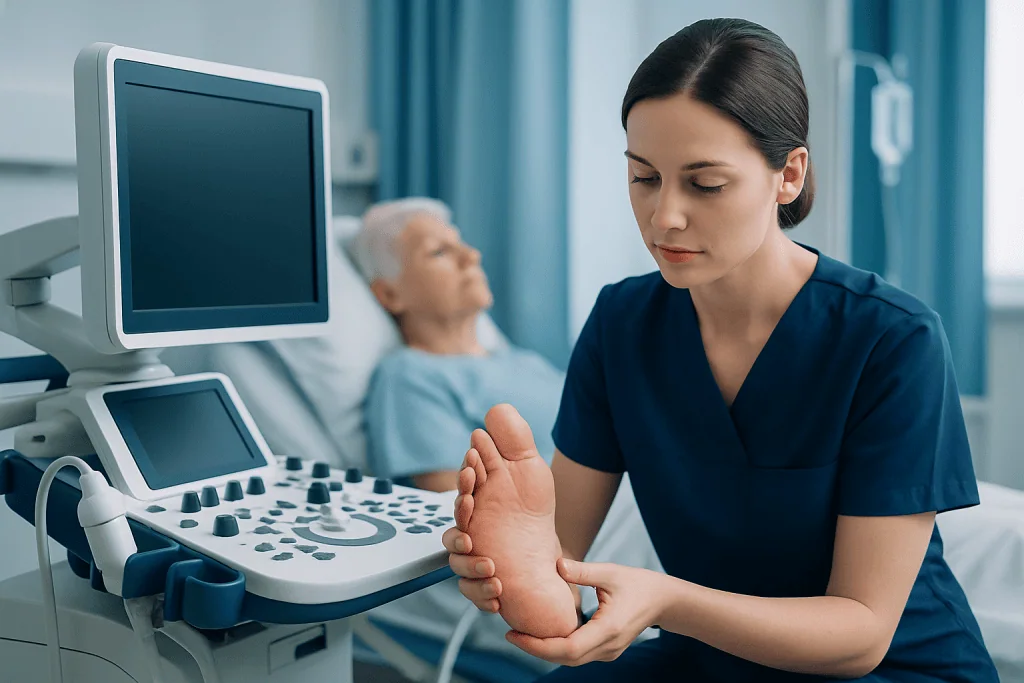
The simplest blanch test is gentle fingertip pressure on the affected area for a few seconds. If the color fades and then returns, the skin is blanchable. If the color remains the same, the skin is non blanchable. This check should be done carefully and does not replace a professional skin assessment, especially when the skin is fragile or painful.
Appearance can differ by skin tone. In lighter skin, non blanchable areas may look red or pink. In medium to darker skin, they may appear purple, blue, darker brown, gray, or simply different from nearby skin. Sometimes the first clue is not color alone but a localized area that feels warmer, cooler, firmer, softer, tender, or itchy.
Other changes can help distinguish a harmless temporary mark from tissue stress or injury. Warning signs include a spot that remains after changing position, pain when touched, swelling, a shiny surface, blistering, or a patch that gradually enlarges. If the area is over a pressure point and the person has been sitting or lying in one position for long periods, pressure injury becomes a stronger possibility.
- Common pressure points include the heels, ankles, hips, tailbone, buttocks, shoulder blades, elbows, and back of the head.
- In wheelchair users, areas under the sitting bones are particularly vulnerable.
- Under medical devices, non blanchable marks can form beneath masks, tubing, casts, or splints.
Causes and risk factors
Pressure is one of the most common reasons skin becomes non blanchable. When constant pressure, friction, or shear reduces blood flow to skin and deeper tissues, cells may not receive enough oxygen. If this continues, tissue damage can begin before an open wound appears. This is why non blanchable discoloration is treated seriously, even when the skin surface is still intact.
Non blanchable skin may also result from bruising, small-vessel bleeding, inflammation, infection, allergic reactions, burns, or vascular problems. For example, a bruise usually will not blanch because blood has leaked outside blood vessels into the tissue. Some rashes are blanchable early on and become non blanchable if bleeding, severe inflammation, or tissue damage develops. Circulatory disorders can also alter skin color and healing. Related conditions may include varicose veins or peripheral artery disease, depending on the location and symptoms.
Certain people are more likely to develop pressure-related non blanchable areas. Risk rises with limited mobility, paralysis, recent surgery, advanced age, incontinence, dehydration, poor nutrition, fever, reduced sensation, diabetes, vascular disease, and prolonged use of tight or poorly fitted medical devices. The risk is also higher when a person cannot feel discomfort well enough to change position.
In clinical care, professionals also look for factors that make skin fragile or slow healing. These include chronic illness, smoking, low body weight or marked obesity, edema, and medications such as steroids. People living with diabetes may be at special risk because nerve damage and circulation changes can make pressure injury harder to notice in its early stages.
Why non blanchable pressure injury matters
A non blanchable area can represent the earliest visible stage of pressure injury. At this stage, the skin may still be intact, but the tissue underneath has already been stressed enough to show persistent discoloration. Without pressure relief and protective care, the area can worsen and progress to blistering, skin breakdown, or a deeper wound.
Pressure injuries develop when pressure is too intense, lasts too long, or combines with friction and shear. Shear happens when the skin stays in place but deeper tissues move, such as when a person slides down in bed. Moisture from sweating or incontinence can weaken the skin barrier and make injury more likely. These mechanisms are important because the skin may look only mildly changed at first, while deeper damage is more advanced.
Recognizing non blanchable skin early helps prevent complications such as pain, infection, delayed recovery, reduced mobility, and prolonged wound care needs. The goal is not simply to watch the spot, but to reduce pressure, protect the skin, review contributing factors, and monitor whether the area improves or becomes more concerning. In some cases, wound care teams or specialists in wound care may be involved when there is uncertainty or progression.
How doctors evaluate it
Evaluation begins with a careful history and physical examination. A doctor or nurse will ask when the discoloration started, whether it changes with pressure or repositioning, and whether there is pain, itching, numbness, fever, swelling, trauma, or drainage. They will also review mobility, recent surgery, chronic diseases, medications, and use of devices such as braces, oxygen masks, or catheters that may create pressure points.
The skin is examined for color, temperature, tenderness, firmness, moisture, and signs of breakdown. In darker skin tones, clinicians pay special attention to texture and temperature changes because redness may be less visible. The location of the mark often offers clues: a persistent spot over a bony prominence suggests pressure injury, while a diffuse rash, a traumatic bruise, or signs of infection may point in other directions.
Further testing is not always needed, but it may be helpful when the cause is unclear or there are signs of a broader problem. Depending on the situation, a clinician might assess circulation, blood sugar control, nerve function, or infection. If blood flow problems are suspected, studies related to vascular surgery or circulation assessment may be relevant. When a non blanchable area is part of a complex wound, imaging or specialist review may occasionally be needed to check for deeper tissue involvement.
Treatment and day-to-day care
Treatment depends on the cause. If pressure injury is suspected, the first step is to remove or reduce pressure on the area. This may mean turning regularly in bed, changing sitting position often, using cushions or pressure-redistributing mattresses, and making sure heels or other vulnerable areas are offloaded. The skin should be kept clean and dry, and rubbing or massaging the discolored area should be avoided because this can worsen tissue damage.
Supportive skin care is important. Gentle cleansing, moisturizing dry skin, and protecting skin from excess moisture can help preserve the barrier. If clothing, footwear, tubing, or braces are contributing, they may need adjustment. When nutrition, hydration, or blood sugar control are factors, addressing them is part of treatment. In people with reduced mobility or complex medical needs, care plans often involve nurses, rehabilitation teams, and sometimes specialists in physical therapy and rehabilitation to improve safe movement and pressure relief.
If the area is due to a bruise, management may focus on observation, protection, and checking for medication-related bleeding risk or injury. If infection, inflammatory skin disease, or circulation problems are suspected, treatment is directed at that underlying condition. Open wounds, blisters, spreading redness, foul odor, fever, or severe pain require medical assessment rather than home management alone.
Near the end of the care pathway, some people may benefit from coordinated specialist review, particularly if there are several contributing factors such as immobility, diabetes, nerve problems, or vascular disease. Acibadem International’s multidisciplinary specialists and JCI-accredited hospitals diagnose and treat patients with skin, wound, vascular, and rehabilitation needs, including international patients who need coordinated evaluation.
Prevention and self-care
Prevention focuses on protecting skin from sustained pressure, friction, shear, and moisture. For people who spend long periods in bed or in a chair, routine position changes are central. The exact schedule depends on the person’s health and support surfaces, but frequent movement is generally better than prolonged pressure in one spot. Family caregivers may benefit from guidance on safe repositioning techniques to reduce shear.
Daily skin checks can help detect early changes before an open sore forms. Good lighting is helpful, and areas over bony points and under devices should be inspected carefully. In darker skin tones, touch can be as important as sight: a warmer, firmer, or more tender patch may be an early clue. Keeping skin clean, managing moisture, and choosing well-fitting clothing and footwear also support prevention.
General health habits matter as well. Adequate hydration, balanced nutrition, and control of chronic conditions such as diabetes can support skin integrity and healing. People with reduced sensation in the feet or legs should inspect their skin regularly and seek advice on pressure protection. If mobility has changed after illness, injury, or surgery, an early rehabilitation plan can lower the risk of pressure-related damage.
- Change position regularly and avoid staying on one pressure point for long periods.
- Use cushions, mattresses, or heel protectors if recommended by a clinician.
- Inspect skin daily, especially over bony areas and beneath medical devices.
- Keep skin clean and dry, and address incontinence promptly.
- Ask a healthcare professional for help if a mark does not improve after pressure is relieved.
When to seek medical care
Medical advice is appropriate if a non blanchable area does not improve after pressure is relieved, or if the cause is uncertain. Prompt evaluation is especially important for people with diabetes, poor circulation, reduced mobility, spinal cord injury, or inability to feel pain normally, because skin damage can progress without obvious discomfort.
Urgent assessment is recommended if the area becomes increasingly painful, swollen, warm, or dark; if a blister or open wound forms; or if there are signs of infection such as drainage, odor, fever, or spreading redness. Care should also be sought after significant trauma, when bruising is extensive, or when unexplained non blanchable spots appear in several places.
If there are symptoms suggesting poor blood flow, such as a cold limb, severe color change, numbness, or sudden worsening pain, the person should seek prompt medical attention. Early assessment can help distinguish pressure injury from bruising, vascular problems, infection, or other causes, and it can reduce the chance of complications.
Frequently asked questions
What does non blanchable mean?
Non blanchable means a discolored area of skin does not turn pale or lighter when gentle pressure is applied. It is a clinical sign that can point to pressure-related skin damage, bruising, inflammation, or other tissue changes.
Is non blanchable skin always a pressure ulcer?
No. Although it is a classic early sign of pressure injury, non blanchable skin can also occur with bruises, bleeding under the skin, inflammation, infection, or circulation problems. The location, symptoms, and medical history help determine the cause.
How can someone check if skin is blanchable?
A common method is to apply gentle fingertip pressure for a few seconds and then release. If the color fades and returns, it is blanchable; if the color stays the same, it is non blanchable. This check should be done carefully and should not replace a professional assessment when there is concern.
What does non blanchable skin look like on darker skin tones?
It may not appear bright red. Instead, the area can look darker brown, purple, blue, gray, or simply different from nearby skin. Warmth, firmness, tenderness, or swelling may be important clues when color changes are subtle.
Can non blanchable skin go away?
Yes, it can improve if the underlying cause is identified early and managed properly. For pressure-related changes, reducing pressure quickly and protecting the skin may allow recovery before breakdown occurs. Improvement should be monitored, and persistent or worsening areas need medical review.
Should a non blanchable area be massaged?
No, not if pressure injury is suspected. Massaging a vulnerable area can worsen tissue damage. It is safer to reduce pressure, protect the skin, and seek professional advice if the area does not improve.
When is non blanchable skin an urgent concern?
It becomes more urgent if there is blistering, an open wound, drainage, fever, severe pain, a rapidly darkening area, or signs of poor circulation such as a cold or numb limb. People with diabetes, poor mobility, or vascular disease should seek assessment early because complications can develop more easily.
References
- National Pressure Injury Advisory Panel
- Mayo Clinic
- MedlinePlus
- National Institute of Diabetes and Digestive and Kidney Diseases
- World Health Organization
This article is for general information only and is not a substitute for professional medical advice. Please consult a qualified doctor about your individual situation.
Explore treatments in Turkey — costs, top hospitals & a free quote
JCI-accredited · board-certified surgeons · reply within 24h
Add us as a Preferred Source to see more of our trusted health content across Google Search, AI Overviews and Discover.

More from the Health Library
White Tongue — Explained by Medical Evidence, Not Myths
Acupressure — Explained by Medical Evidence, Not Myths

Fat Butt — Explained by Medical Evidence, Not Myths
Wet Dream: An Evidence-Based Guide for Patients

Tonsil Stones: A Complete Medical Overview