Naat Test — Explained by Medical Evidence, Not Myths

A naat test detects the DNA or RNA of an infectious organism. PCR is one type of nucleic acid amplification test, but not all NAATs are identical.
Key Takeaways
- A naat test detects the DNA or RNA of an infectious organism.
- PCR is one type of nucleic acid amplification test, but not all NAATs are identical.
- NAATs are commonly used for respiratory infections, sexually transmitted infections, and some other infectious diseases.
- Results must be interpreted together with symptoms, exposure history, and timing of the test.
- A positive result usually means the targeted organism was found, while a negative result does not always completely rule out infection.
A naat test is a laboratory method that looks for the genetic material of a virus, bacterium, or other microorganism. It is widely used because it can detect infection with high accuracy, often even when only a small amount of the germ is present.
Overview: what a NAAT test actually means
A naat test, short for nucleic acid amplification test, is a laboratory test that detects the genetic material of a germ such as a virus or bacterium. Instead of looking mainly for the body’s immune response, it looks for pieces of the organism itself. This makes it especially useful when clinicians need a direct and sensitive way to confirm whether a specific infection is present.
The term can sound technical, but the basic idea is simple: the test finds very small amounts of DNA or RNA by making many copies of them in the laboratory until they can be measured. Because of this amplification step, a naat test can often detect infection earlier or more reliably than some other methods, depending on the condition being tested.
Many people recognize PCR from public discussions about respiratory infections. PCR is one type of NAAT, but it is not the only one. Other amplification methods also fall under the NAAT umbrella. In practice, doctors choose the exact method based on the infection, the sample type, and the laboratory’s validated testing system.
What NAAT tests are used for
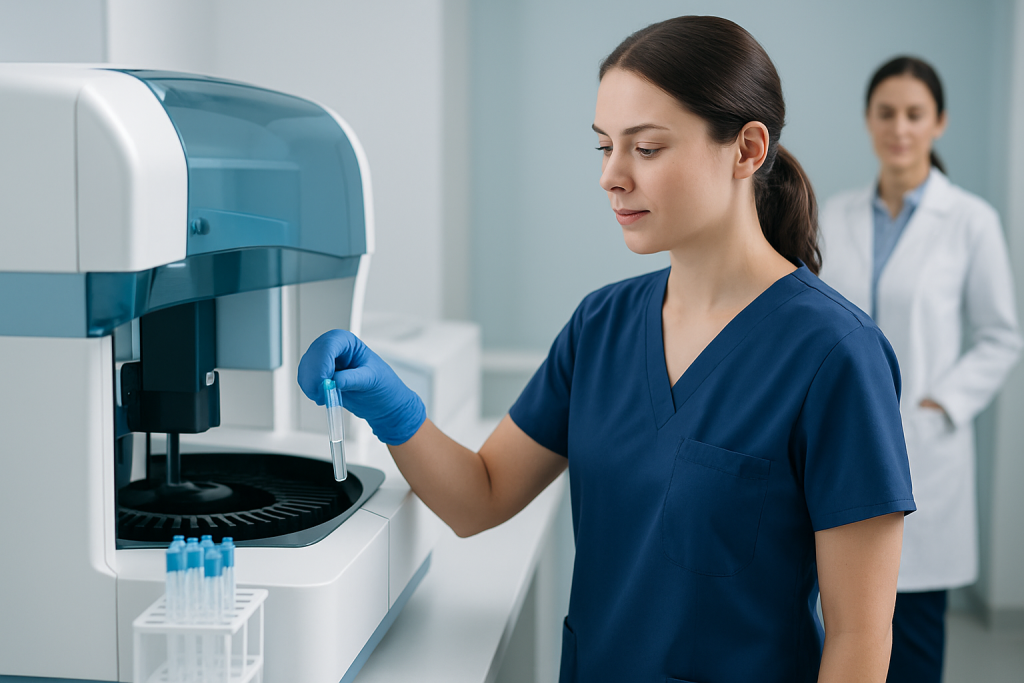
NAATs are most often used to diagnose infectious diseases. They are especially valuable when the suspected organism is difficult to grow in culture, may be present in low amounts, or needs to be identified quickly to guide care. A clinician may order a naat test to confirm a diagnosis, investigate symptoms, or screen for certain infections in people who may not have symptoms.
Common uses include testing for respiratory viruses, sexually transmitted infections, and some bacterial illnesses. For example, a clinician may use a NAAT to help evaluate influenza or other viral respiratory illnesses, or to test urine or swab samples for sexually transmitted infections such as gonorrhea or chlamydia. Depending on the medical setting, NAATs may also support testing for tuberculosis and other targeted infections.
The sample depends on the condition being evaluated. It may be collected from the nose or throat, urine, blood, sputum, or a swab from the cervix, vagina, urethra, or another area. The right sample and correct collection technique are important because even a highly sensitive test works best when the specimen is taken from the correct site at the right time.
How a NAAT test works and why it matters

The science behind a naat test is based on amplification. If a sample contains even a tiny amount of a germ’s genetic material, the laboratory uses chemical processes to copy that material repeatedly. Once enough copies are made, specialized instruments detect a signal showing whether the target organism is present.
This approach matters because some infections may be hard to detect with a microscope or may not grow easily in routine culture. NAATs can therefore provide accurate answers from small samples and can often shorten the time to diagnosis. Faster identification may help a doctor decide whether treatment is needed, whether isolation precautions are appropriate, or whether further testing should be done.
Even so, accuracy is not the same as perfection. Test performance depends on the quality of the sample, the stage of illness, and what the test is designed to detect. A NAAT only looks for the organism or gene targets included in that specific assay. It does not automatically test for every possible infection or explain the cause of symptoms if another condition is responsible.
NAAT vs PCR vs other tests
One common source of confusion is the relationship between NAAT and PCR. PCR, or polymerase chain reaction, is a specific type of NAAT. In other words, all PCR tests are NAATs, but not all NAATs are PCR. Laboratories may also use other nucleic acid amplification methods that are designed for speed, automation, or different sample types.
Compared with antigen tests, NAATs are generally more sensitive because they amplify genetic material. Antigen tests look for proteins from the germ and may be useful in some settings, but they can miss infection when the amount of organism is low. Compared with antibody tests, NAATs are more direct for diagnosing active infection because antibody tests usually show the immune system’s response rather than the organism itself.
Compared with culture, NAATs can be faster and may detect organisms that are difficult to grow. However, culture can still be important in some cases because it may allow additional analysis, such as confirming antibiotic susceptibility. For that reason, doctors sometimes combine a naat test with other laboratory methods rather than relying on one test alone.
- NAAT: detects genetic material of the organism
- PCR: one well-known type of NAAT
- Antigen test: detects proteins from the organism
- Antibody test: detects the body’s immune response
- Culture: tries to grow the organism in the laboratory
Understanding results: positive, negative, and limits
A positive naat test usually means the test detected the target genetic material. In many situations, this strongly supports the diagnosis of that infection. Still, the meaning can vary by disease. For some infections, a positive result may reflect active infection; for others, it may need to be interpreted with symptoms, examination findings, and sometimes repeat testing.
A negative result generally means the target was not detected in the sample provided. However, a negative test does not always completely rule out infection. The sample may have been collected too early or too late, the wrong site may have been tested, or the amount of organism may have been below the test’s detection threshold. This is one reason clinicians consider timing and exposure history when interpreting a result.
False positives and false negatives are uncommon but possible. Laboratory quality controls reduce these risks, but no test is perfect. When the result does not fit the clinical picture, a doctor may recommend repeating the test, performing a different type of test, or investigating other causes of symptoms. In some settings, broader evaluation through check-up and diagnostic assessment may be appropriate.
How to prepare and what to expect
Preparation for a naat test depends on the type of sample. For a nasal or throat swab, there is usually little preparation beyond following the collector’s instructions. For urine testing, a clinician may ask for a first-catch urine sample and may advise not urinating for a certain period beforehand. For genital swabs, patients may be told to avoid certain products or timing that could affect the sample.
The collection itself is usually brief. A nasal swab may feel uncomfortable for a few seconds, while urine collection is noninvasive. Blood draws involve a small needle, and some swab tests may cause mild temporary discomfort. Most people can return to normal activities immediately after the sample is taken.
Results may be available the same day or may take longer depending on the test platform and laboratory workflow. Patients should ask how and when they will receive results, and what steps to take while waiting. If a doctor suspects a contagious infection, the person may be advised to limit close contact with others until the result is known.
Treatment, prevention, and follow-up after a NAAT test
A naat test itself is diagnostic, not therapeutic. Treatment depends on the infection found, the person’s symptoms, medical history, and whether complications are present. Viral infections may call for supportive care or, in selected cases, antiviral treatment. Bacterial infections may require antibiotics, but the choice should be guided by a qualified clinician rather than self-medication.
If the NAAT identifies a sexually transmitted infection, treatment may also involve partner notification, follow-up testing, and advice about reducing reinfection risk. If it identifies a respiratory infection, supportive care, rest, hydration, and steps to reduce spread may be recommended. In some cases, further specialist evaluation may be needed, including infectious diseases care or advanced laboratory testing when diagnosis is uncertain.
Prevention depends on the specific illness. Practical measures may include hand hygiene, safer sex practices, staying up to date with recommended vaccines, avoiding close contact when ill, and seeking testing promptly after concerning symptoms or known exposure. Near the end of the care pathway, if a diagnosis is complex or symptoms are persistent, patients may benefit from coordinated specialist care. Acibadem International’s multidisciplinary specialists and JCI-accredited hospitals diagnose and treat infectious and related conditions for international patients.
When to seek medical care
Medical advice should be sought when symptoms suggest infection and are significant, persistent, or worsening. Examples include high fever, shortness of breath, dehydration, severe sore throat, pelvic pain, burning with urination, unusual discharge, or symptoms after a known exposure. Prompt evaluation is especially important for infants, older adults, pregnant people, and anyone with a weakened immune system.
Immediate care is important for emergency warning signs such as trouble breathing, chest pain, confusion, fainting, blue lips, severe weakness, or signs of severe dehydration. For sexually transmitted infections, medical care should also be arranged if there is pelvic pain, testicular pain, fever, or concern about pregnancy-related complications. A doctor can decide whether a naat test is the right next step and whether treatment should begin before results are available.
Frequently asked questions
What does NAAT stand for?
NAAT stands for nucleic acid amplification test. It is a laboratory method used to detect the genetic material of a virus, bacterium, or other microorganism.
Is a PCR test the same as a NAAT test?
PCR is a type of NAAT, but the two terms are not completely interchangeable. NAAT is the broader category, while PCR is one specific amplification method within that category.
What infections can a naat test detect?
A naat test can detect many infections, depending on the assay used. Common examples include respiratory viral infections and sexually transmitted infections such as chlamydia and gonorrhea.
Can a naat test be wrong?
Like all medical tests, a naat test can occasionally produce a false negative or false positive. The chance is reduced by proper sample collection, correct timing, and good laboratory quality control, but results still need to be interpreted in context.
Does a negative NAAT mean there is definitely no infection?
Not always. A negative result means the test did not detect the target organism in that sample, but infection can still be missed if testing was done too early, the sample site was not ideal, or the amount of organism was very low.
How long does it take to get NAAT results?
Timing varies by the type of test and the laboratory. Some results may be available within hours, while others can take a day or longer.
This article is for general information only and is not a substitute for professional medical advice. Please consult a qualified doctor about your individual situation.
Explore treatments in Turkey — costs, top hospitals & a free quote
JCI-accredited · board-certified surgeons · reply within 24h
Add us as a Preferred Source to see more of our trusted health content across Google Search, AI Overviews and Discover.

More from the Health Library

Asplenia: A Complete Medical Overview

Postpartum Rage: What Patients Need to Know

Liver Spots — Explained by Medical Evidence, Not Myths

Blood in Stool: A Complete Medical Overview

Vicodin: A Complete Medical Overview