Jaw Is Wired Shut: What Patients Need to Know

A jaw may be wired shut to stabilize fractures or protect healing after certain jaw procedures. Patients usually need a liquid or blended diet and should follow their surgeon's nutrition instructions closely.
Key Takeaways
- A jaw may be wired shut to stabilize fractures or protect healing after certain jaw procedures.
- Patients usually need a liquid or blended diet and should follow their surgeon's nutrition instructions closely.
- Good mouth care, swelling control, and keeping emergency wire cutters or instructions nearby may be part of care planning.
- Healing time varies, but regular follow-up is important to check alignment, bite, and recovery.
- Urgent medical attention is needed for breathing trouble, choking, uncontrolled vomiting, or severe worsening pain or swelling.
If a jaw is wired shut, it usually means the upper and lower teeth are being held together to keep the jaw still while it heals after a fracture or surgery. Most patients can recover well with careful nutrition, oral hygiene, pain control, and regular follow-up.
Overview: what it means when a jaw is wired shut
If a person’s jaw is wired shut, the upper and lower teeth are temporarily secured together so the jaw cannot move much. This is a form of maxillomandibular fixation, sometimes called intermaxillary fixation. It is used to keep the jaw bones stable while they heal after a fracture, injury, or certain operations involving the upper or lower jaw.
Although many people still use the phrase “wired shut,” modern treatment may involve wires, elastic bands, arch bars, screws, or other fixation devices. The exact method depends on the location of the injury, the patient’s bite, dental health, and whether surgery was needed. In some cases, a surgeon may use plates and screws internally instead of wiring the teeth together for the entire healing period.
For patients, the main day-to-day effects are limited mouth opening, a liquid or blended diet, and extra attention to mouth care. The experience can feel unfamiliar at first, but clear instructions and regular review help most people manage safely. When jaw injuries are more complex, the care plan may overlap with evaluation for jaw fractures or related facial trauma treatment.
Why a jaw may need to be wired shut
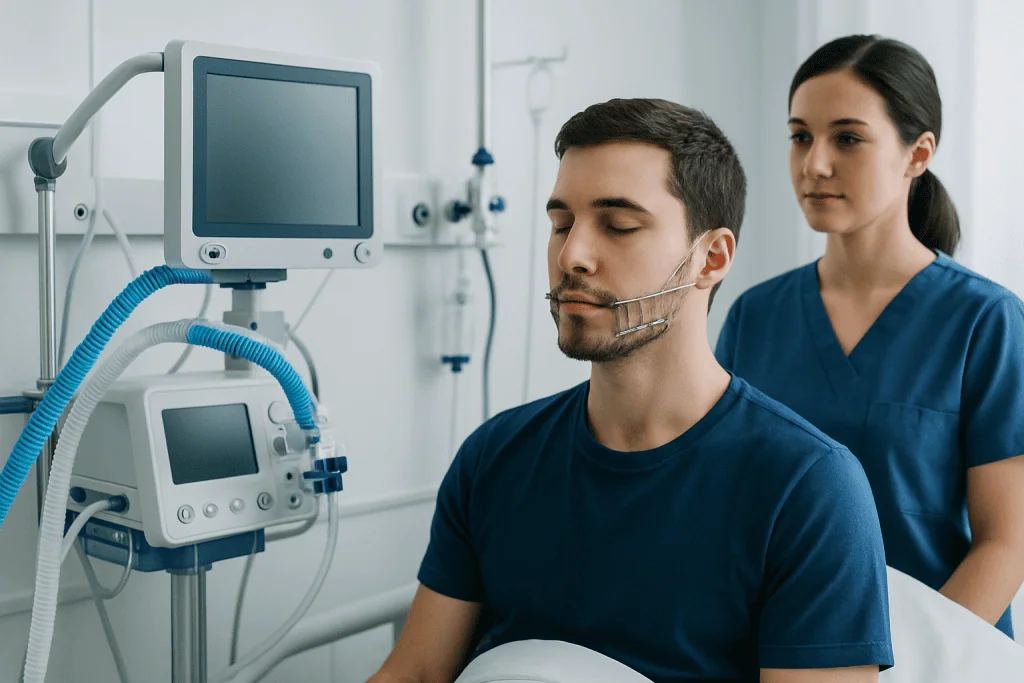
The most common reason is a broken jaw, also called a mandibular or maxillary fracture. Immobilizing the jaw helps the broken bone ends stay in the right position so they can heal. Wiring may also be used after corrective jaw surgery, after repair of facial injuries, or less commonly for selected dental and oral-maxillofacial conditions.
Doctors choose this approach when stability is especially important and when the bite needs to be maintained in a precise position. In some people, jaw wiring is used on its own. In others, it is combined with surgery to realign the bones and secure them with small plates or screws.
Not every jaw problem requires fixation. The decision depends on the type of fracture, whether the bones are displaced, if teeth fit together properly, and whether there are other injuries. Specialists in oral and maxillofacial surgery or ENT may discuss options such as corrective jaw surgery or fracture stabilization techniques when planning care.
What patients usually feel and notice

It is normal to have facial pain, swelling, bruising, and difficulty speaking clearly in the first days after injury or surgery. Because the jaw cannot open normally, eating is limited to liquids or very smooth blended foods. Some people also notice drooling, lip dryness, trouble sleeping comfortably, or a feeling of pressure in the cheeks and jaw joints.
Temporary weight loss can happen if calorie intake drops, so nutrition is an important part of recovery. Mild changes in the way the teeth meet may also be noticed early on, especially while swelling is still present. The care team monitors whether the bite is lining up as expected.
Symptoms that are not expected include increasing shortness of breath, repeated vomiting, a sudden feeling of choking, high fever, worsening swelling, foul-smelling drainage, or pain that rapidly gets worse instead of improving. These can suggest a complication and should not be ignored.
- Common short-term issues: swelling, pain, limited speech, difficulty cleaning the mouth
- Nutrition-related concerns: dehydration, constipation, unintended weight loss
- Possible complications: infection, poor alignment, loose hardware, delayed healing
Daily living with a wired jaw
Recovery is often easier when patients prepare for the practical side of daily life. Meals usually need to be sipped through a straw only if the care team allows it; in some situations, a cup, spoon, or syringe is preferred. Foods generally need to be smooth enough to pass without chewing. Soups, milk-based drinks, yogurt drinks, blended vegetables, pureed beans, smoothies, and protein-rich supplements are often used, but recommendations should match medical and dental advice.
Hydration matters just as much as calories. Small, frequent meals can be more manageable than trying to drink a large amount at once. A dietitian may help plan enough protein, vitamins, and energy for healing. If swallowing is difficult or there is concern about nutrition, the medical team may suggest more structured support.
Oral hygiene remains important even when brushing is limited. Patients may be advised to rinse gently after meals, use any prescribed mouthwash, clean visible tooth surfaces carefully with a soft brush, and keep lips moist. Sleeping with the head elevated may reduce swelling, and avoiding smoking and alcohol can support healing.
Many teams also explain what to do in an emergency, especially if nausea or vomiting occurs. Some patients are told to keep wire cutters or another release tool available, while others have elastic bands that can be removed differently. Instructions vary, so the treating surgeon’s guidance should always take priority.
How doctors diagnose and monitor the problem
Before deciding whether a jaw should be wired shut, doctors usually ask how the injury happened, where the pain is located, and whether the bite feels different. They examine the face, mouth, teeth, gums, and jaw movement. Numbness of the lip or chin, bleeding in the mouth, missing teeth, and changes in facial shape can help point to the type of injury.
Imaging is usually needed to confirm the diagnosis and plan treatment. This may include X-rays, panoramic dental imaging, or CT scanning, especially when fractures are complex or involve the middle of the face. Imaging helps show whether the bone is broken in more than one place and whether surgery is needed.
Follow-up visits are a key part of diagnosis and recovery, not just the initial assessment. During these visits, the team checks healing, swelling, bite alignment, oral hygiene, and weight or hydration status. If needed, they may adjust elastics, review pain control, or assess whether a related condition such as temporomandibular joint disorders is contributing to ongoing symptoms.
Treatment options and how long recovery may take
Treatment depends on the cause. A simple, well-aligned fracture may be managed with fixation and close observation, while a displaced or complex fracture may require surgery. Surgical repair often uses plates and screws placed inside the mouth or through small facial incisions to hold the bone in the correct position.
When the jaw is wired shut, the fixation may stay in place for several weeks, but there is no single timeline for everyone. Healing time depends on age, general health, the exact fracture pattern, smoking status, and whether there are other injuries. After the fixation is removed or loosened, jaw movement is often gradually reintroduced.
Recovery can include pain management, anti-inflammatory measures, and exercises recommended by the surgeon once it is safe to begin. Some people benefit from coordinated care involving oral and maxillofacial surgeons, dentists, dietitians, and rehabilitation specialists. In selected patients, treatment may involve maxillofacial surgery or evaluation by teams experienced in facial bone repair.
Near the end of treatment, the team assesses whether the bite feels normal, the bones are healing, and mouth opening is returning appropriately. Acibadem International’s multidisciplinary specialists in JCI-accredited hospitals diagnose and treat jaw injuries and related facial conditions for international patients when specialist care is needed.
When to seek medical care
Patients should contact a doctor promptly if they cannot drink enough fluids, are losing significant weight, have increasing pain, or feel that the teeth no longer fit together the way they did after treatment. New numbness, bad breath with pus-like drainage, fever, or a loose wire or elastic also deserves medical review.
Emergency care is needed right away for difficulty breathing, repeated vomiting, choking, major bleeding, chest pain, or swelling that is quickly worsening. These symptoms can signal airway risk or another urgent complication. If the surgeon has given emergency release instructions, those steps should be followed exactly while seeking immediate medical help.
Even without an emergency, patients should not wait if something feels clearly different from the recovery plan explained by the care team. Early review can often prevent more serious problems and may make treatment adjustments simpler.
Frequently asked questions
How long is a jaw usually wired shut?
The timeline varies depending on the injury or surgery, but fixation often remains in place for several weeks. The treating surgeon decides the duration based on bone healing, bite alignment, and overall recovery.
Can someone talk if the jaw is wired shut?
Yes, but speech is usually less clear and may feel tiring at first. Swelling, pain, and limited jaw movement can affect pronunciation, but many people adapt over time.
What can a person eat when the jaw is wired shut?
Most patients need liquids or very smooth blended foods that do not require chewing. A doctor or dietitian may suggest protein-rich drinks, pureed soups, smoothies, and other calorie-dense options to support healing.
Is it dangerous to vomit with a wired jaw?
Vomiting can be serious because the mouth cannot open normally. Patients should follow the surgeon's emergency instructions, seek urgent medical help if vomiting occurs repeatedly, and contact emergency services right away if there is choking or breathing difficulty.
Will the jaw go back to normal after the wires come off?
Many patients recover good function, but the return to normal can be gradual. Jaw stiffness, mild discomfort, and reduced mouth opening may improve with time and guided exercises if the care team recommends them.
Does wiring the jaw always mean surgery was done?
No. Some jaw injuries are treated with wiring or elastics without open surgery, while others need an operation to realign and fix the bones internally. The treatment choice depends on the type and severity of the problem.
References
- American Association of Oral and Maxillofacial Surgeons
- National Institute of Dental and Craniofacial Research
- Mayo Clinic
- MedlinePlus
- American Dental Association
This article is for general information only and is not a substitute for professional medical advice. Please consult a qualified doctor about your individual situation.
Joint and spine care in Turkey — expert assessment & treatment
JCI-accredited · board-certified surgeons · reply within 24h
Check your numbers in seconds
BMI, calories, due date, blood pressure and 30+ more clinical calculators — free, instant, doctor-reviewed ranges.

More from the Health Library



Related Specialists

Dr. Cem Burak Kalaycı
Radiology
Embriyolog Burcu Aksu Türan
Vitro Fertilization and Reproductive Medicine Center
Assoc. Prof. Dr. Yüksel Erdal
Neurology
Assoc. Prof. Dr. Yusuf Karakaş
Medical Oncology