

Non Surgical Hair Restoration
Non surgical hair restoration supports hair density and scalp health using personalized medical, injectable, or regenerative options without transplant surgery. It is suitable for selected patients with early or moderate hair thinning.
Quick answer
Non-surgical hair restoration is a personalized treatment approach for early or moderate hair thinning that aims to improve hair density and support scalp health without transplant surgery. At Acibadem in Turkey, evaluation by specialists helps identify the cause of shedding and plan suitable options such as medical therapies, scalp injections, or regenerative treatments with follow-up to monitor response.
Considering Non Surgical Hair Restoration
Hair thinning can be emotionally difficult, even when it is medically “early” or “moderate.” Many patients describe a gradual change: a widening part, a more visible scalp under bright light, a receding hairline, increased shedding in the shower, or less density when styling the hair. For some, hair loss begins after stress, illness, childbirth, weight change, medication, or hormonal shifts. For others, it follows a family pattern and progresses slowly over time.
When you are researching care abroad, the decision can feel even more complex. You may be wondering whether you truly need treatment, whether medication is enough, whether injections are safe, whether results will look natural, or whether you are being advised to have a hair transplant too early. These are reasonable concerns. Hair restoration should begin with a clear diagnosis, a realistic understanding of what can and cannot be achieved, and a plan that fits your pattern of hair loss, medical history, age, expectations, and long-term goals.
Non surgical hair restoration is designed for selected patients who still have active hair follicles and want to support hair density, reduce shedding, improve scalp health, or slow progression without transplant surgery. It may be used as a first-line approach for early hair thinning, as a maintenance strategy for patients not yet ready for surgery, or as part of a broader plan before or after hair transplantation. The most important step is determining whether your hair follicles are miniaturizing, temporarily shedding, inflamed, hormonally affected, nutritionally stressed, or permanently lost. Each situation requires a different approach.
At Acibadem, non surgical hair restoration is approached as a medical treatment, not simply a cosmetic service. Dermatology, aesthetic medicine, endocrinology, nutrition, and other specialties may be involved when needed, particularly when hair loss may be related to hormonal imbalance, thyroid disease, anemia, autoimmune disease, medication effects, or systemic illness. This diagnostic discipline is essential because successful hair restoration depends not only on stimulating hair growth, but also on identifying the reason hair is thinning in the first place.
What Is Non Surgical Hair Restoration?
Non surgical hair restoration refers to medical, injectable, regenerative, and supportive treatments used to improve hair density and scalp condition without removing and transplanting hair follicles. Unlike hair transplantation, which relocates follicles from a donor area to thinning or bald areas, non surgical treatments aim to preserve existing hair, strengthen miniaturized follicles, prolong the growth phase of the hair cycle, and address underlying contributors to shedding.
The treatment plan may include topical medications, oral medications, platelet-rich plasma therapy, scalp injections, regenerative approaches, light-based stimulation, scalp care, nutritional correction, and lifestyle guidance. In many patients, a combination of therapies is more effective than a single method because hair loss often has more than one driver. For example, a patient may have genetic-pattern thinning combined with low iron stores or increased shedding after a period of illness. Treating only one factor may lead to incomplete improvement.
Common medical options may include topical minoxidil, which supports the hair growth cycle and can be used in both men and women when appropriate. Oral medications such as finasteride or dutasteride may be considered for selected male patients with androgenetic alopecia, and sometimes in carefully selected female patients under specialist supervision. Anti-androgen medications may be used for certain women with hormone-related hair thinning. These medications require an individualized discussion about benefits, potential side effects, reproductive considerations, and long-term use.
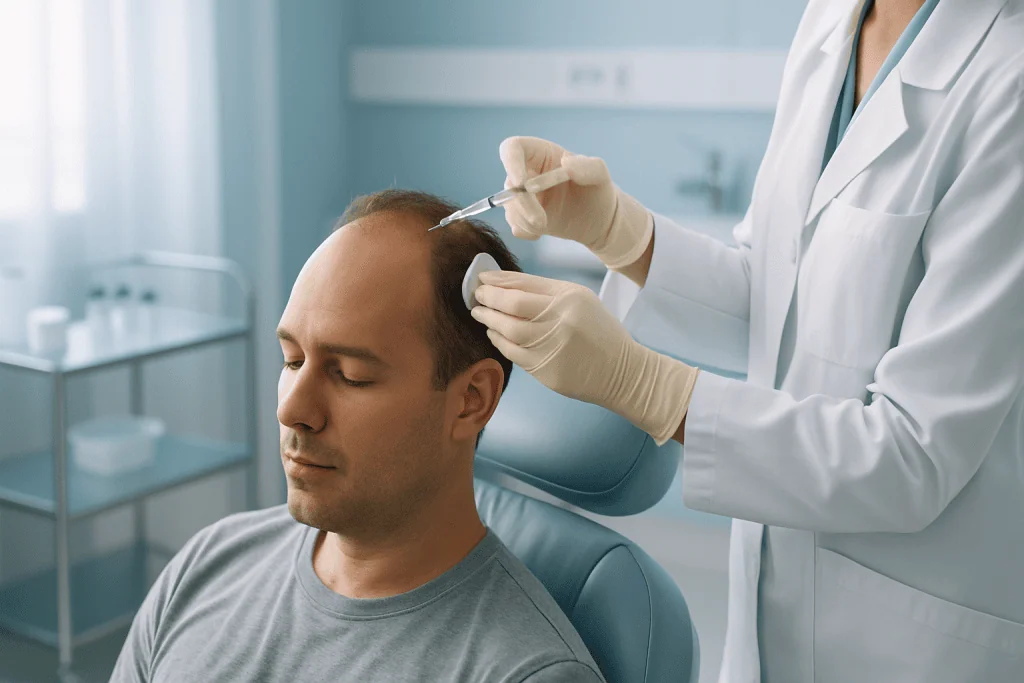
Injectable and regenerative treatments may include platelet-rich plasma, often known as PRP. In PRP therapy, a small amount of the patient’s blood is processed to concentrate platelets, which contain growth-factor signals involved in tissue repair and follicle activity. The prepared plasma is then injected into targeted areas of the scalp. Other injectable scalp treatments may include nutrient-based or medical formulations selected according to the clinical situation. Evidence varies by treatment type, and not every regenerative option is suitable for every patient. A careful consultation helps determine whether a proposed therapy is supported by your diagnosis and goals.
Non surgical hair restoration is usually a gradual process. Hair grows in cycles, and visible improvement typically takes months rather than days. The goal is often to reduce shedding first, then improve hair caliber, coverage, and styling density over time. For some patients, the best outcome is stabilization of hair loss. For others, especially those with early thinning and responsive follicles, visible thickening may be achievable. The plan should be honest, medically appropriate, and reassessed over time.
Who May Need Non Surgical Hair Restoration?
Non surgical hair restoration may be considered for people who are noticing hair thinning but still have functioning follicles in the affected areas. It is most commonly used for early or moderate androgenetic alopecia, also called male or female pattern hair loss. In men, this may appear as recession at the temples, thinning at the crown, or a combination of both. In women, it often appears as diffuse thinning over the top of the scalp with preservation of the frontal hairline, although patterns vary.
Patients may seek treatment because of increased shedding, reduced ponytail volume, a widening center part, a visible scalp in photos, changes in hair texture, or difficulty covering thinning areas. Some patients come for evaluation after being told they are too early for a hair transplant. Others have had a transplant and want to protect their existing native hair. Non surgical care can also be useful for patients who are medically not ready for surgery, prefer a less invasive approach, or want to understand all options before deciding on transplant surgery.
Diagnosis begins with a detailed medical history. Your physician will ask when the hair loss began, whether it is sudden or gradual, whether shedding is diffuse or localized, and whether there are symptoms such as itching, burning, scaling, pain, or redness. Family history, menstrual or hormonal changes, pregnancy, menopause, weight changes, diet, stress, recent illness, surgery, medications, supplements, and previous hair treatments are important. In international patients, it is helpful to bring prior laboratory tests, medication lists, photos showing progression, and any previous hair restoration records.
A scalp and hair examination is central to diagnosis. Doctors may use magnification or digital scalp imaging to assess follicle density, hair shaft thickness, miniaturization, inflammation, scaling, and the balance between thick terminal hairs and finer vellus-like hairs. This helps distinguish pattern hair loss from temporary shedding, scarring alopecia, inflammatory scalp disease, traction alopecia, and other conditions. In selected cases, laboratory tests may assess iron status, thyroid function, vitamin levels, androgen profile, inflammatory markers, or other medical factors. Rarely, a scalp biopsy may be recommended if scarring alopecia or another complex diagnosis is suspected.
Non surgical hair restoration is most appropriate when there is a treatable cause, active miniaturization, recent shedding, or enough remaining follicular activity to respond. It is less effective in areas that have been completely bald for many years, where follicles are no longer viable. In those cases, hair transplantation or other cosmetic strategies may be more relevant. A responsible treatment plan will clarify whether non surgical care is expected to improve density, slow progression, prepare the scalp for surgery, or maintain results after another intervention.
Conditions and Indications Treated
Non surgical hair restoration may address several types of hair and scalp concerns. The most common indication is androgenetic alopecia. This inherited, hormone-sensitive condition causes hair follicles to gradually miniaturize, producing thinner and shorter hairs over time. Early treatment may help preserve existing hair and slow visible progression.
Telogen effluvium is another common reason patients seek evaluation. This condition involves increased shedding after a trigger such as fever, infection, childbirth, significant emotional stress, rapid weight loss, iron deficiency, surgery, or medication change. In many cases, the shedding improves once the trigger is corrected, but medical evaluation is important to confirm the diagnosis and avoid unnecessary procedures.
Women with hair thinning related to hormonal imbalance, polycystic ovary syndrome, perimenopause, or menopause may benefit from a treatment plan that combines hair-directed therapy with appropriate medical assessment. Nutritional deficiencies, particularly low iron stores, inadequate protein intake, vitamin D deficiency, and certain restrictive diets, may also contribute to shedding or poor hair quality. Correcting these issues can be an important part of restoring a healthier hair cycle.
Scalp inflammation can interfere with hair growth and comfort. Conditions such as seborrheic dermatitis, psoriasis, folliculitis, and certain autoimmune scalp disorders may require medical treatment before or alongside hair restoration. Inflammatory or scarring alopecias require particular caution because the priority is to control disease activity and prevent permanent follicle damage. Injectable regenerative treatments are not appropriate for every inflammatory condition, and diagnosis should guide timing and choice of therapy.
Non surgical treatment may also be used as maintenance after hair transplantation. A transplant moves healthy follicles into thinning areas, but it does not stop ongoing miniaturization of native hair. Patients who are genetically prone to hair loss may need ongoing medical management to protect non-transplanted hair and maintain a balanced appearance over time. This is especially important in younger patients, whose pattern of hair loss may continue to evolve.
Some patients seek non surgical restoration for hair quality rather than visible baldness. They may have brittle hair, reduced shine, scalp sensitivity, or seasonal shedding. In these cases, the physician’s role is to distinguish normal variation from treatable hair loss and to avoid overtreatment. Not every shedding episode requires injections or long-term medication; sometimes targeted correction of scalp disease, nutrition, or hair care practices is the most appropriate first step.
How Non Surgical Hair Restoration Is Performed
The process begins with consultation and diagnosis. Your physician reviews your history, examines your scalp, evaluates the pattern and severity of hair loss, and determines whether additional tests are needed. For international patients, some initial assessment may begin before travel through medical records, photographs, and remote communication with the international patient team. However, the final treatment plan usually depends on in-person scalp examination and, when needed, laboratory results.
Preparation depends on the treatment selected. If blood tests are recommended, they may be performed before therapy begins. Patients may be asked to share all medications, supplements, allergies, bleeding tendencies, pregnancy plans, and previous reactions to anesthetics or injections. If PRP or other injection-based treatment is planned, your doctor may advise avoiding certain anti-inflammatory medications before the session if medically safe, because they may interfere with platelet activity or increase bruising. Patients should not stop prescribed medication without medical approval.
For topical or oral medical treatment, the procedure is not a single appointment but a structured plan. The physician explains how to use the medication, expected timing, possible side effects, and when follow-up is needed. Consistency is important. Some treatments may cause temporary shedding early in the course as follicles transition through the hair cycle, which can be alarming if not explained in advance. Your doctor should provide guidance on what is expected and what should prompt contact.
For PRP therapy, a small blood sample is taken from the patient, similar to a routine blood draw. The sample is processed in a sterile system to separate and concentrate platelet-rich plasma. The scalp is cleaned, and a local anesthetic or comfort measures may be used depending on sensitivity and treatment area. The prepared plasma is then injected into the thinning regions of the scalp using fine needles at carefully spaced points. The aim is to deliver concentrated platelet-derived signals close to follicles that may still be biologically active.
Other scalp injection therapies may involve medically selected solutions delivered in small amounts to the scalp. The content and frequency depend on the indication, physician judgment, and local regulatory standards. Patients should be cautious about non-medical claims or undefined “cocktails.” A reputable clinic should be able to explain what is being used, why it is appropriate, what evidence supports it, and what risks may apply.
Technology supports diagnosis, planning, and monitoring. Magnified scalp imaging and digital documentation can help measure hair density, miniaturization, and scalp condition over time. Laboratory diagnostics help identify medical contributors such as iron deficiency, thyroid dysfunction, or hormonal imbalance. In some patients, light-based scalp therapy may be considered as an adjunct to stimulate follicle activity through low-intensity light exposure. Sterile preparation systems and precise injection techniques are important for safety in injectable treatments. These technologies do not replace medical judgment; they help the clinical team make better-informed decisions and track whether the plan is working.
A typical injection session may take less than an hour, though the full visit may be longer when consultation, preparation, photography, or blood processing is included. Medical therapy requires ongoing use and periodic review. Many patients need a series of sessions for injectable treatments, followed by maintenance at intervals determined by response and diagnosis. Because hair growth is slow, evaluation is usually based on changes over several months rather than immediate appearance.
Recovery after non surgical treatment is usually brief. After injections, patients may have temporary scalp tenderness, redness, pinpoint bleeding, swelling, or mild headache. These effects usually settle quickly. Most patients can return to normal daily activities soon, although the physician may recommend avoiding strenuous exercise, alcohol, harsh hair products, heat styling, swimming, or scalp massage for a short period. After topical or oral medication, there is typically no downtime, but monitoring for irritation, unwanted hair growth, sexual side effects, breast tenderness, mood changes, menstrual changes, dizziness, or other symptoms may be relevant depending on the medication used.
Follow-up is part of the treatment, not an optional extra. Your physician may compare standardized photographs, scalp imaging, shedding history, and hair measurements. If there is no meaningful response after an appropriate period, the plan may be adjusted. Sometimes the diagnosis changes as new information appears. For example, ongoing shedding despite treatment may lead to further investigation for nutritional deficiency, thyroid disease, autoimmune disease, medication-related shedding, or chronic scalp inflammation.
Why Acting Early Matters
Hair follicles respond best when they are still alive and capable of producing hair. In pattern hair loss, follicles miniaturize gradually. At first, they produce thinner hairs; later, the growth phase shortens and coverage declines. If treatment begins while follicles are still active, there may be a better opportunity to preserve density and improve hair caliber. Waiting until an area is completely bald can limit non surgical options.
Early evaluation also matters because not all hair loss is genetic. Sudden shedding can be a sign of iron deficiency, thyroid disease, autoimmune disease, medication effects, major stress, or nutritional imbalance. Scalp symptoms such as pain, burning, scaling, pustules, or redness may indicate inflammation that needs medical treatment. Delaying diagnosis in scarring alopecia can be particularly harmful because once follicles are destroyed, regrowth is limited.
Another risk of delay is emotional and practical. Patients may spend months or years trying unproven products without understanding the cause of their hair loss. They may start and stop treatments inconsistently, which makes it difficult to assess what works. A structured medical plan allows expectations to be set early: which treatments are appropriate, how long they should be tried, when results are assessed, and when a surgical option should be discussed.
Acting early does not mean rushing into every available treatment. It means getting an accurate diagnosis and choosing a measured plan. Some patients need reassurance and monitoring. Others need medication, scalp treatment, nutritional correction, or injection therapy. The right timing depends on the condition, the pace of progression, and the patient’s personal goals.
Potential Benefits of Non Surgical Hair Restoration
The benefits of non surgical hair restoration depend on the diagnosis, treatment method, and consistency of follow-up, but the main goals are summarized below.
| Benefit | What It Means for You |
|---|---|
| Preserving existing hair | Treatment may help slow miniaturization and support follicles that are still active, especially in early or moderate pattern hair loss. |
| Improving hair density and caliber | Responsive follicles may produce thicker, stronger hairs over time, improving coverage and styling volume. |
| Reducing excessive shedding | When shedding is related to a treatable trigger, medical evaluation and targeted therapy may help the hair cycle recover. |
| Avoiding or delaying surgery in selected cases | Patients who are not ready for transplantation may use non surgical care to stabilize hair loss or improve density while monitoring progression. |
| Supporting transplant planning or maintenance | Non surgical therapy may help protect native hair before or after hair transplantation and contribute to a more stable long-term appearance. |
| Minimal downtime | Most treatments allow a quick return to daily activities, making them practical for international patients with limited time abroad. |
Recovery Timeline After Non Surgical Hair Restoration
Recovery is usually straightforward, although visible hair improvement follows the natural hair cycle and takes time.
| Time Period | What Patients Can Expect |
|---|---|
| Day 1 | After injections, mild redness, tenderness, swelling, or pinpoint marks may occur. Most patients return to routine activities with simple aftercare instructions. |
| First Week | Scalp sensitivity usually settles. Patients may be advised to avoid harsh products, intense heat, swimming, or vigorous scalp massage for a short time. |
| First Month | Visible density changes are usually limited. Some patients notice reduced shedding, while others may experience temporary shedding as follicles cycle. |
| First Three to Six Months | Early improvements in shedding, hair texture, or coverage may become more noticeable if the follicles respond and treatment is used consistently. |
| Longer Term | Maintenance may be needed, particularly for genetic-pattern hair loss. Progress is monitored with photos, scalp imaging, and clinical follow-up. |
Factors That Influence a Good Result
The most important factor is diagnosis. Non surgical hair restoration works best when the treatment matches the cause of hair loss. Pattern hair loss, telogen effluvium, inflammatory scalp disease, traction-related thinning, nutritional deficiency, and scarring alopecia are different conditions. A therapy that helps one may be ineffective or inappropriate for another.
The stage of hair loss also matters. Early thinning generally has more responsive follicles than long-standing bald areas. Patients with visible miniaturized hairs may have more opportunity for thickening than patients with smooth, shiny scalp where follicles are no longer functioning. This is why scalp examination and imaging are valuable before choosing a plan.
Consistency strongly affects outcomes. Topical and oral treatments must be used as prescribed, often for months before full assessment. Stopping treatment too early may lead to loss of benefit. Injectable therapies may require a planned series and maintenance. Patients who travel internationally should discuss how follow-up will be handled after returning home, including whether local laboratory monitoring or shared care with a physician in their country is needed.
General health plays a significant role. Iron deficiency, thyroid imbalance, inadequate protein intake, crash dieting, chronic inflammation, poorly controlled medical conditions, sleep disruption, and smoking may affect hair growth. Stress does not explain every case of hair loss, but severe physical or emotional stress can shift follicles into a shedding phase. Addressing these factors may improve the response to hair-directed treatments.
Medication selection must be individualized. Some medications are not suitable during pregnancy or when planning pregnancy. Certain oral treatments require careful discussion in women of childbearing potential. Men considering medications that affect androgen pathways should understand potential side effects and monitoring. A good result is not only about visible hair density; it also requires treatment that is safe and acceptable for the patient’s life stage and health profile.
Realistic expectations are essential. Non surgical therapy can be valuable, but it does not create new follicles in completely bald areas the way transplantation can redistribute follicles. Results are gradual and variable. Some patients experience noticeable improvement, some achieve stabilization, and some need a different diagnosis or additional treatment. High-quality care includes honest reassessment rather than continuing a plan that is not helping.
Hair care practices can either support or undermine treatment. Tight hairstyles, frequent chemical processing, excessive heat, aggressive brushing, and chronic scalp irritation may contribute to breakage or traction-related thinning. Your physician may recommend gentler styling, treatment for dandruff or inflammation, and scalp care that supports the medical plan. These measures are not substitutes for medical therapy when needed, but they can improve comfort and reduce avoidable damage.
Why International Patients Choose Acibadem
For patients considering non surgical hair restoration abroad, the quality of medical evaluation is as important as the treatment itself. Acibadem’s approach is built around diagnosis-driven care in JCI-accredited hospitals and clinics, with access to physicians experienced in hair and scalp conditions, modern diagnostic pathways, and coordinated support for international patients. The aim is to determine why hair loss is occurring and to design a treatment plan that is medically appropriate, practical, and aligned with the patient’s expectations.
International patients often arrive with mixed information from online research, previous consultations, product recommendations, and social media claims. At Acibadem, consultation focuses on clarifying the clinical picture. Scalp examination, magnified imaging, standardized photography, laboratory testing when indicated, and review of medical history help separate genetic-pattern hair loss from temporary shedding, inflammatory disease, nutritional issues, or hormone-related concerns. When another specialty is relevant, such as endocrinology, gynecology, nutrition, or internal medicine, multidisciplinary input can be coordinated.
Treatment planning is individualized. A patient with early male pattern thinning may need a different plan from a woman with postpartum shedding, a patient with scalp inflammation, or someone who has already undergone hair transplantation. Physicians discuss medical therapy, injectable or regenerative options, supportive care, monitoring, expected timeframes, and when surgery may or may not be appropriate. This is especially important for younger patients, where preserving donor hair and planning for future progression require careful judgment.
Advanced technology is used to support clinical decision-making rather than to replace it. Digital scalp assessment can help document baseline density and miniaturization. Laboratory diagnostics can reveal correctable contributors. Sterile preparation and injection systems support safety for treatments such as PRP. Follow-up photography and scalp measurements help track whether the plan is producing the intended effect. For international patients, objective documentation is useful because changes can be subtle and gradual.
Acibadem International provides dedicated assistance for patients traveling from abroad, including communication in more than 20 languages, appointment coordination, medical record transfer, hospital navigation, and support with travel-related arrangements. This coordination can be particularly valuable for hair restoration patients because treatment may involve consultation, testing, procedure sessions, and follow-up planning. Patients can receive clear instructions before arrival and a structured plan for what should happen after returning home.
The hospital environment also matters. Non surgical hair restoration involves injections, prescription medications, and medical evaluation; it should be performed with appropriate safety standards, sterile protocols, and physician oversight. In a hospital-based healthcare group, patients have access to broader medical resources if a systemic cause of hair loss is suspected or if additional evaluation is needed. This can be reassuring for patients who want aesthetic improvement without compromising medical safety.
Choosing care abroad should not mean accepting a one-size-fits-all package. The right plan may be simple, such as correcting a deficiency and monitoring shedding. It may involve medication and scalp treatment. It may include PRP or another injectable approach. It may also conclude that transplantation should be considered later, or that a different diagnosis must be treated first. A thoughtful recommendation respects both the science of hair growth and the personal importance hair can have for confidence, identity, and daily life.
Taking the Next Step
Non surgical hair restoration can be an effective option for selected patients with early or moderate hair thinning, especially when the cause is accurately diagnosed and treatment is started while follicles remain active. It may help reduce shedding, improve hair caliber, support scalp health, and preserve density without transplant surgery. The process requires patience, consistency, and realistic expectations because hair grows slowly and results develop over months.
If you are unsure whether your hair loss is temporary, genetic, hormonal, inflammatory, or related to another health issue, a specialist consultation can help clarify your options. For international patients, sharing photographs, medical history, laboratory results, and prior treatments before travel can make the evaluation more efficient and focused. A second opinion may also be useful if you have been advised to proceed directly to surgery or if you have tried multiple treatments without a clear diagnosis.
At Acibadem, the goal is to provide a medically grounded plan that reflects your hair loss pattern, health status, lifestyle, and long-term goals. Whether your best option is medical therapy, regenerative treatment, scalp care, monitoring, or a future transplant discussion, the first step is understanding what is happening at the follicle level and what can reasonably be improved.
This information is general and is not a substitute for professional medical advice. Diagnosis and treatment recommendations should always be made by a qualified physician after personal evaluation.
Preparation
- A specialist evaluates the pattern and cause of hair loss, medical history, medications, and scalp condition. Blood tests or dermatologic assessment may be requested when needed. Patients may be advised to avoid blood thinners, alcohol, and certain supplements before injectable treatments.
Aftercare
- Mild redness, tenderness, or swelling can occur briefly after scalp injections. Patients are usually advised to avoid washing the hair, heavy exercise, sauna, and harsh hair products for the first day. Follow-up sessions may be planned to maintain or improve results over time.
Turkey vs UK, Germany & USA
Non surgical hair restoration can include medical, injectable, regenerative, and scalp-support treatments tailored to the cause and stage of hair thinning. Costs and patient experience vary by treatment plan, clinic setting, follow-up needs, and international travel logistics.
This comparison outlines common factors that may influence the overall cost and experience of non surgical hair restoration in different destinations.
| Factor | Turkey | UK | Germany | USA |
|---|---|---|---|---|
| Cost structure | Often offered as international patient packages with consultation, treatment planning, and selected services bundled | Usually priced through private clinics or specialist dermatology settings with separate charges for visits and treatments | Typically structured through specialist clinics or hospital outpatient departments with itemized diagnostic and treatment fees | Commonly itemized, with specialist consultation, procedures, medications, and follow-up billed separately |
| Clinic and hospital setting | Private hospitals and aesthetic or dermatology units may provide coordinated care; some hospitals hold JCI accreditation | Private dermatology and aesthetic medicine clinics are common; hospital-based care may involve separate referral pathways | Dermatology-led clinics and hospital outpatient services are available, often with detailed diagnostic assessment | Wide range from dermatology practices to aesthetic medicine centers; facility type can strongly affect fees |
| Specialist factors | Cost may vary by dermatologist or hair restoration specialist experience, diagnostic approach, and protocol used | Fees may reflect consultant seniority, location, and whether ongoing review is included | Pricing may depend on physician specialization, testing, and the use of prescription or regenerative protocols | Provider credentials, clinic location, and treatment technology are major cost drivers |
| Waiting times | Private appointments for international patients are often coordinated in advance, subject to specialist availability | Private access can be faster than public pathways, but popular specialists may have waiting lists | Private specialist appointments may be planned ahead; timing depends on clinic capacity and diagnostic needs | Access varies widely by city, insurance status, and clinic demand |
| Travel and language logistics | International patient departments may support airport transfers, hotel coordination, interpreters, and remote communication | Travel is straightforward for regional patients; international language support depends on the clinic | Major cities often support international patients, though interpreter services may need arrangement | Long-distance travel and accommodation can add significantly to the overall experience and cost |
| Package inclusions | Packages may include consultation, scalp assessment, selected treatment sessions, medicines or aftercare guidance, and coordination services | Packages vary; medicines, blood tests, or follow-up reviews may be charged separately | Diagnostic tests, prescriptions, and follow-up may be itemized depending on the provider | Consultation, procedures, medicines, and monitoring are commonly separated unless a clinic package is offered |
What affects your final cost:
- Cause and stage of hair thinning
- Type of non surgical option recommended
- Number and frequency of treatment sessions needed
- Whether laboratory tests, scalp imaging, or hormone assessment are required
- Specialist experience and clinic or hospital setting
- Medicines, topical products, maintenance care, and follow-up plan
- Travel, accommodation, interpreter support, and international patient services
Compare your options
Non surgical hair restoration is personalized after assessment of the scalp, hair loss pattern, medical history, and expectations. Suitability for each option is decided by a specialist.
| Option | What it is | Typical use | Key considerations |
|---|---|---|---|
| Prescription medical therapy | Topical or oral medicines used to slow hair thinning and support existing follicles | Often used for early or moderate pattern hair loss or as maintenance care | Requires medical review, adherence over time, and monitoring for suitability and side effects |
| Platelet-rich plasma therapy | A treatment using a prepared sample from the patient’s own blood, injected into the scalp | May be considered for selected patients with active thinning and viable follicles | Usually requires a treatment course and maintenance; results vary by diagnosis and follicle health |
| Scalp mesotherapy or injectable support | Microinjections of selected supportive substances into the scalp, depending on local regulations and specialist protocol | May be used as an adjunct for scalp vitality and hair density support in suitable candidates | Ingredients, evidence, and protocols vary; it should be performed by qualified medical professionals |
| Regenerative scalp treatments | Specialist-led protocols intended to support the scalp environment and follicle activity without transplant surgery | Considered for selected patients after diagnosis, sometimes alongside medical therapy | Availability and regulatory status vary; patients should ask what product or method is being used and why |
| Low-level light therapy | Device-based light treatment applied to the scalp to support hair growth activity | May be used at home or in clinic as part of a maintenance program | Requires consistent use and realistic expectations; device quality and medical guidance matter |
| Scalp care and deficiency management | Treatment of scalp inflammation, dandruff, nutritional deficiency, or hormonal contributors where present | Important when hair shedding is linked to scalp disease, stress, nutrition, medication, or medical conditions | Diagnostic testing may be needed; correcting the underlying factor can be essential before aesthetic treatment |
Trusted care for international patients
General information only — not medical or financial advice. Final costs depend on the factors above and your individual case; request a free, personalised quote.
Medical Units
Available at These Hospitals



Frequently Asked Questions
What affects the cost of non surgical hair restoration?
The final cost depends on the diagnosis, treatment option, session frequency, medicines, laboratory tests, scalp analysis, specialist fees, and follow-up plan. Travel and accommodation may also affect the total for international patients.
How can I get a personalised quote?
You can request a free consultation and share scalp photos, medical history, previous treatments, and any test results. A specialist team can then recommend whether non surgical hair restoration is suitable and prepare a personalised plan and quote.
Is non surgical hair restoration cheaper than a hair transplant?
It may involve a lower initial treatment commitment because surgery is not performed, but ongoing maintenance can influence the total cost over time. The right comparison depends on your hair loss stage, goals, and specialist assessment.
Are medicines and follow-up included in the package?
Inclusions vary by package. Some plans may include consultation, scalp assessment, selected treatment sessions, aftercare guidance, or coordination services, while medicines, tests, and maintenance reviews may be separate.
Will I need more than one treatment type?
Many patients benefit from a combined plan, such as medical therapy with injectable or scalp-support treatments. A specialist decides suitability after examining the cause and pattern of hair thinning.
Is this medical or financial advice?
No. This information is educational only and does not replace medical or financial advice. A free consultation is recommended to receive a personalised assessment, treatment plan, and quote.