Willpower — Explained by Medical Evidence, Not Myths

Willpower is a form of self-regulation, not a fixed personality trait. Brain functions such as attention, planning, and impulse control play a central role in willpower.
Key Takeaways
- Willpower is a form of self-regulation, not a fixed personality trait.
- Brain functions such as attention, planning, and impulse control play a central role in willpower.
- Stress, poor sleep, depression, anxiety, chronic pain, and some medical conditions can weaken self-control.
- Habits, routines, and environment often matter more than relying on motivation alone.
- Persistent difficulty with concentration, urges, or behavior change may deserve medical or psychological evaluation.
Willpower definition: willpower is the ability to direct attention, emotions, and behavior toward a goal, especially when facing distraction, discomfort, or temptation. Medical evidence shows it is not simply a matter of character; it is influenced by brain networks, sleep, stress, mood, physical health, and daily habits.
Overview: the medical meaning of willpower
The simplest willpower definition is the ability to manage thoughts, emotions, and actions in service of a longer-term goal. In everyday life, this may mean resisting an impulse, staying focused on a task, following a treatment plan, or continuing a healthy routine even when motivation is low. Medical and psychological research usually describes this as self-regulation or self-control, rather than as a moral strength or weakness.
Evidence-based medicine does not treat willpower as an all-or-nothing personal trait. Instead, it sees self-control as a skill supported by several brain functions, especially attention, working memory, emotional regulation, and decision-making. These functions can work well in one setting and less well in another. A person may show excellent willpower at work, for example, but struggle with eating habits, sleep routines, or digital distractions at home.
This matters because myths about willpower can create unnecessary shame. Difficulty changing behavior does not automatically mean a person is lazy, weak, or careless. Sleep loss, stress hormones, depression, anxiety, chronic illness, pain, substance use, certain medications, and neurodevelopmental differences can all affect the ability to pause, plan, and follow through.
A more useful way to understand willpower is as a combination of brain-based skills and life circumstances. From this perspective, improvement is often possible through better routines, supportive environments, treatment of underlying health issues, and practical strategies that reduce the need for constant moment-to-moment resistance.
How the brain supports self-control
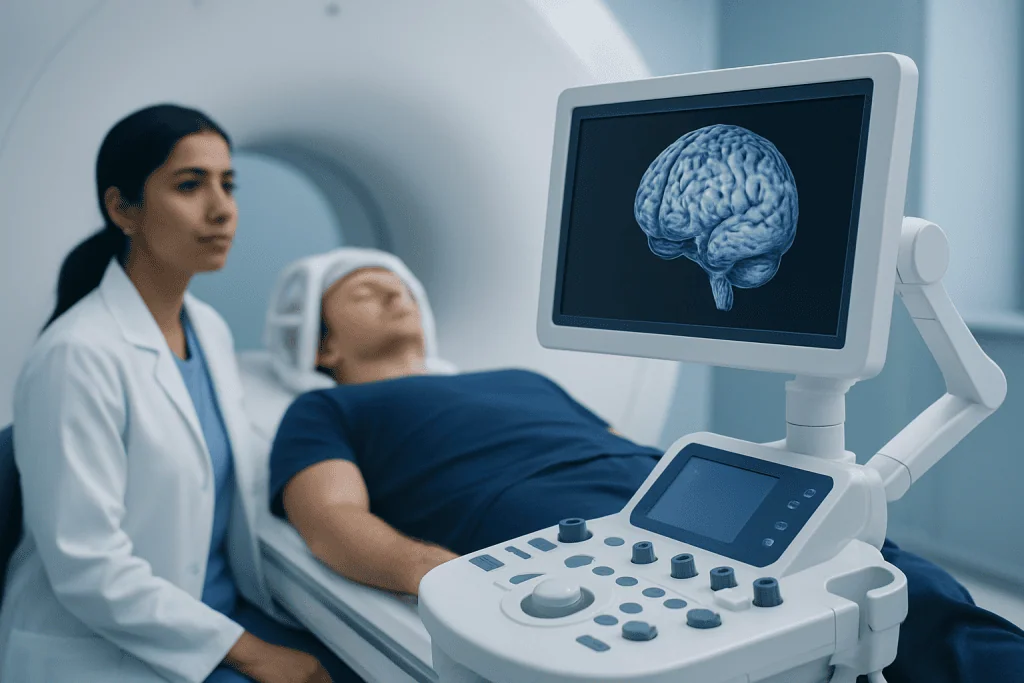
Willpower depends on communication between brain systems involved in reward, emotion, memory, and executive function. Executive functions are higher-level mental skills that help a person focus attention, hold information in mind, plan ahead, switch between tasks, and stop an automatic response. These processes are strongly linked to networks in the frontal regions of the brain, which help balance short-term impulses against long-term goals.
Reward pathways are also important. Behaviors such as eating, checking a phone, gambling, shopping, or using substances can trigger quick feelings of relief or pleasure. The brain naturally learns from these rewards. When a reward is immediate and a goal is distant, self-control can become harder. This is why behavior change often improves when the healthy choice is made easier, more visible, or more immediately rewarding.
Emotion regulation also shapes willpower. People often assume self-control fails only during temptation, but strong emotions can be just as disruptive. Anger, sadness, loneliness, frustration, and overwhelm can narrow attention and push the brain toward quick relief rather than careful judgment. In this sense, willpower is not separate from emotional health; it depends on it.
Research also shows that self-control changes over time rather than remaining constant throughout the day. Fatigue, decision overload, hunger, pain, conflict, and poor sleep can reduce mental flexibility and patience. That does not mean a person has “used up” all willpower in a simple mechanical way. It means brain resources and coping capacity can become strained, making planning and restraint less reliable.
Why willpower can feel strong one day and weak the next

Many people notice that self-control is inconsistent. They may follow a routine for weeks, then suddenly struggle. This pattern is common and often reflects normal changes in stress, sleep, physical symptoms, or environment rather than a lack of commitment. The brain performs best when basic needs are met. When those needs are not met, attention and impulse control usually suffer first.
Sleep is one of the strongest influences. Even short-term sleep deprivation can affect concentration, reaction time, mood, and decision-making. A person who is tired may feel more drawn to immediate comfort, whether that means skipping exercise, overeating, delaying important tasks, or having difficulty controlling irritability. Similarly, high stress can keep the body in a more reactive state, making it harder to pause and choose a response carefully.
Health conditions can also affect willpower. Depression may reduce energy, pleasure, and motivation. Anxiety can flood attention with threat-related thoughts. Attention-deficit/hyperactivity disorder may impair sustained focus, task initiation, and impulse control. Substance use disorders change reward pathways and can make urges feel more compelling than intentions. In some cases, related conditions such as depression or anxiety disorders may need direct assessment and treatment.
Physical factors should not be overlooked. Chronic pain, hormonal changes, blood sugar fluctuations, medication side effects, and neurological illness can all influence self-regulation. For this reason, persistent struggles with concentration or behavior change are best understood in context. A broad medical view is often more helpful than simply trying harder.
Myths about willpower that medical evidence does not support
One common myth is that people either have willpower or they do not. In reality, self-control varies by task, setting, stress level, and health status. A person may be highly disciplined in caregiving, school, or work while finding another area unusually difficult. This does not mean they are inconsistent in character; it means self-regulation is specific and influenced by context.
Another myth is that strong willpower means never feeling temptation. Medical evidence suggests the opposite: many people with good self-management still experience urges, fatigue, and internal conflict. What often differs is not the absence of temptation but the systems they use to respond to it. These systems may include routines, reminders, therapy, social support, and changing the environment so fewer difficult choices are required.
A third myth is that failure to change behavior is always a motivation problem. Sometimes the real issue is an untreated condition, unrealistic goals, or a plan that depends too heavily on memory and emotion in difficult moments. For example, someone trying to sleep better, eat differently, or reduce alcohol use may need structured support rather than more guilt. In some situations, evaluation for ADHD or another condition can clarify why effort alone has not worked.
Finally, many people believe willpower should solve complex health problems by itself. It usually cannot. Lasting change is more likely when biology, psychology, and environment are addressed together. This is why evidence-based care focuses on practical tools, underlying causes, and gradual progress rather than on blame.
Ways to strengthen willpower in daily life
Self-control usually improves when healthy behavior becomes easier to repeat. Clear routines reduce the mental effort of deciding what to do next. For example, preparing meals in advance, placing medicines where they are visible, setting a regular bedtime, or scheduling exercise with a friend can support follow-through. These steps matter because they reduce reliance on motivation at the exact moment temptation or fatigue appears.
Breaking goals into small, specific actions is also helpful. Broad goals such as “be healthier” or “be more disciplined” are often too vague for the brain to act on consistently. A more effective plan might be “walk for 10 minutes after lunch on weekdays” or “put the phone in another room after 10 p.m.” Small wins help build confidence and allow habits to become more automatic over time.
Attention management is another key strategy. Multitasking, constant notifications, and clutter can drain mental resources. Many people do better when they use a short task list, silence nonessential alerts, and work in planned time blocks with breaks. Stress-reduction skills such as breathing exercises, mindfulness, and regular physical activity may also improve emotional regulation, making impulses easier to manage.
Support can be especially important when habits are tied to mood, eating patterns, sleep, or substance use. Depending on the situation, a doctor may recommend psychotherapy, cognitive behavioral therapy, or structured care for sleep, mood, or addiction. Treatment does not replace willpower; it strengthens the skills and conditions that make self-control more possible.
When difficulty with willpower may point to a health issue
Sometimes what seems like poor willpower is actually a sign of a medical or mental health concern. If a person repeatedly cannot start tasks, stay organized, control urges, manage spending, regulate eating, or stop using a substance despite serious consequences, a deeper evaluation may help. These patterns can be linked to mood disorders, anxiety, ADHD, obsessive-compulsive symptoms, trauma-related conditions, sleep disorders, or substance use disorders.
Changes in cognition or behavior that are new, sudden, or clearly worsening deserve particular attention. Problems with memory, confusion, personality change, severe impulsivity, or major shifts in sleep and appetite may reflect neurological, hormonal, metabolic, or psychiatric causes. In older adults, family members may notice these changes before the individual does.
Doctors may assess sleep quality, mood symptoms, stress, substance use, medications, medical history, and daily functioning. In some cases, they may suggest laboratory testing, a neurological assessment, or referral to specialists. If concerns involve concentration, memory, or behavior regulation, tools such as neurological evaluation may be part of a broader workup.
Near the end of the care pathway, some patients benefit from coordinated support. Acibadem International’s multidisciplinary specialists and JCI-accredited hospitals evaluate related neurological and mental health concerns for international patients when clinically appropriate.
When to seek medical care
Medical advice can be helpful if self-control problems are persistent, distressing, or affecting health, relationships, work, or school. A person should consider professional evaluation if they have repeated difficulty with focus, organization, emotional outbursts, compulsive behaviors, binge eating, insomnia, or urges to use alcohol or drugs. Help is also appropriate if lifestyle changes have repeatedly failed despite sincere effort and structured planning.
Prompt medical attention is especially important if there are warning signs such as severe depression, panic, self-harm thoughts, suicidal thoughts, confusion, sudden personality change, blackouts, or risky behavior that threatens safety. These symptoms should not be dismissed as simple weakness or poor discipline.
Parents should seek advice when a child or teenager has ongoing impulsivity, major school difficulties, emotional dysregulation, or behavior changes that interfere with daily life. Early support can improve coping skills and reduce unnecessary frustration.
In emergencies, such as suicidal intent, overdose, severe agitation, or sudden neurological symptoms, emergency services should be contacted immediately. For non-emergency concerns, a primary care doctor, neurologist, psychiatrist, or psychologist can help identify causes and recommend the most appropriate treatment plan.
Frequently asked questions
What is the best willpower definition?
A practical willpower definition is the ability to regulate thoughts, feelings, and actions in order to reach a goal. It includes resisting impulses, staying focused, and continuing helpful behaviors even when they are uncomfortable or inconvenient.
Is willpower the same as motivation?
No. Motivation is the desire to do something, while willpower is the ability to follow through when distractions, emotions, or temptations appear. A person can feel motivated but still struggle with self-control if they are stressed, sleep-deprived, or dealing with a health issue.
Can willpower be improved?
Yes, in many cases it can be strengthened. People often do better when they create routines, break goals into smaller steps, improve sleep, reduce stress, and treat any underlying mental or physical health condition.
Why do I have willpower in some areas but not others?
Self-control is highly context-dependent. Different tasks place different demands on attention, emotion regulation, memory, and reward processing, so a person may function very well in one area while struggling in another.
Can poor sleep affect willpower?
Yes. Poor sleep can reduce attention, patience, decision-making, and emotional regulation, which may make impulses harder to manage. Many people notice more difficulty with food choices, screen use, irritability, and procrastination when they are tired.
When is poor willpower a sign of a medical problem?
It may suggest a health concern when it is persistent, clearly worsening, or causing major problems in daily life. Conditions such as depression, anxiety, ADHD, sleep disorders, substance use disorders, and some neurological or hormonal problems can affect self-control.
This article is for general information only and is not a substitute for professional medical advice. Please consult a qualified doctor about your individual situation.
Explore treatments in Turkey — costs, top hospitals & a free quote
JCI-accredited · board-certified surgeons · reply within 24h
Add us as a Preferred Source to see more of our trusted health content across Google Search, AI Overviews and Discover.

More from the Health Library

Ins Eye: A Complete Medical Overview

Subarachnoid Hemorrhage: A Complete Medical Overview

Stork Bite: What Patients Need to Know

Enamel: What Patients Need to Know

Peppermint Tea: A Complete Medical Overview