Greasy Hair: What Patients Need to Know

Greasy hair is usually related to normal scalp oil production, but buildup and scalp conditions can make it worse. Hair type, hormones, sweating, frequent touching, and styling products all influence how quickly hair looks oily.
Key Takeaways
- Greasy hair is usually related to normal scalp oil production, but buildup and scalp conditions can make it worse.
- Hair type, hormones, sweating, frequent touching, and styling products all influence how quickly hair looks oily.
- Gentle cleansing, appropriate shampooing frequency, and avoiding heavy products on the scalp often help.
- Persistent greasy hair with dandruff, irritation, odor, or shedding may be linked to a treatable scalp disorder.
- A dermatologist can help if home care is not improving symptoms or if scalp inflammation is present.
Greasy hair is most often caused by excess scalp oil, product buildup, or washing habits that do not match a person's hair and scalp needs. While it is usually manageable with scalp-focused care, persistent oiliness with itching, redness, flaking, or hair loss may need medical evaluation.
Overview
Greasy hair means the hair looks or feels oily because sebum, the scalp’s natural oil, builds up faster than it is removed. In many people, this is not a disease. It is a common cosmetic and comfort concern influenced by natural oil production, daily habits, hair texture, environment, and scalp health.
Sebum has an important role. It helps protect the scalp, supports the skin barrier, and adds some softness and shine to the hair shaft. Problems begin when oil becomes excessive for a person’s hair type or when oil mixes with sweat, dead skin cells, and styling products, making the hair appear limp, separated, or unclean soon after washing.
Greasy hair can affect confidence, but it is often manageable with simple changes in scalp care. At the same time, repeated oiliness with itching, redness, flaking, or soreness may suggest an underlying scalp condition rather than a routine grooming issue. Looking at greasy hair through the lens of scalp health—not just hair appearance—can help patients find more effective solutions.
Why Hair Becomes Greasy
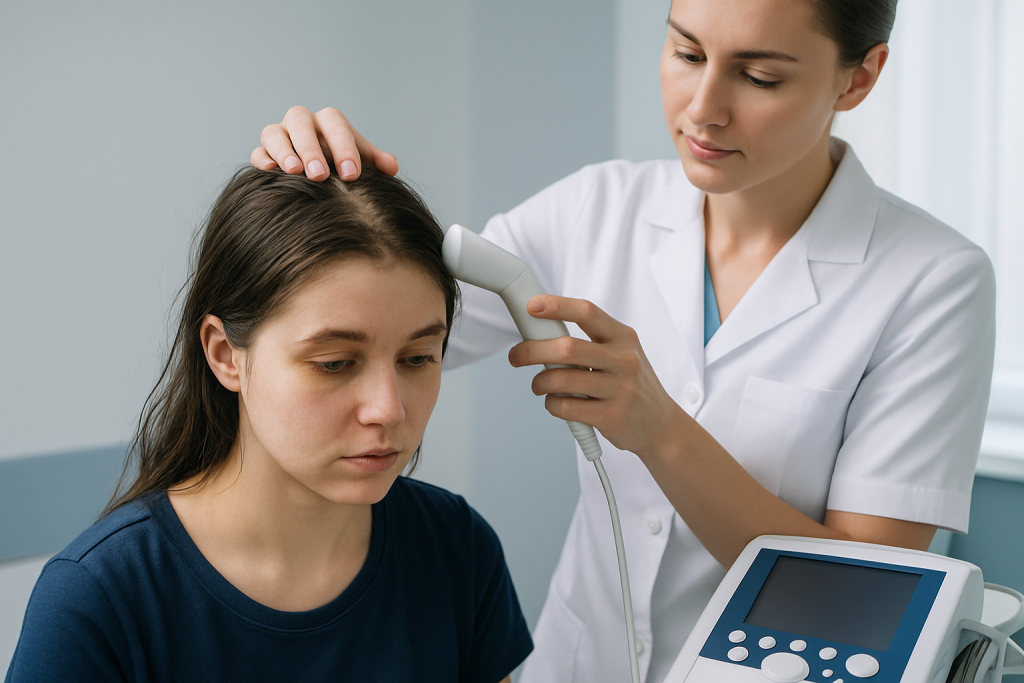
The scalp contains sebaceous glands attached to hair follicles. These glands produce sebum, and the amount varies from person to person. Some people naturally make more oil, especially during adolescence and young adulthood, when hormones strongly influence sebaceous gland activity. Genetics also play a major role.
Oil can seem worse when it travels quickly from the scalp onto fine or straight hair. People with fine hair often notice greasy hair sooner because there is less hair volume to absorb and disguise oil. In contrast, thick, curly, or textured hair may not look oily as quickly, although the scalp can still feel greasy.
Greasiness is not always due to oil alone. Product residue, dry shampoo buildup, infrequent shampooing, or incomplete rinsing can coat the scalp and hair. Sweat, humidity, wearing hats for long periods, and frequent touching or brushing can spread oil and make the hair look greasy sooner.
Sometimes the problem is not simply overproduction of oil but scalp inflammation. Conditions such as dandruff and seborrheic dermatitis can create a combination of oiliness, flakes, and irritation. In these situations, treating the scalp condition is more useful than only washing the hair more often.
Common Signs and Related Symptoms

The most obvious sign of greasy hair is hair that looks shiny, flat, or clumped together soon after washing. Some patients describe the scalp as heavy, sticky, or uncomfortable by the end of the day. Others notice that hairstyles do not hold well and the roots lose volume quickly.
Additional symptoms can help distinguish simple oiliness from a scalp disorder. Itching, visible flakes, redness, tenderness, unpleasant odor, or acne-like bumps around the hairline suggest that the scalp may be irritated or inflamed. Greasy scales rather than dry white flakes can be a clue to seborrheic dermatitis.
Some people also report increased shedding. Mild daily hair fall is normal, but visible thinning, broken hairs, or patchy loss should not be ignored. Hair shedding may occur because of inflammation, harsh hair care practices, or an unrelated medical issue that needs proper evaluation.
- Hair looks oily within hours or a day of washing
- Roots appear flat or separated
- Scalp feels itchy, sticky, or uncomfortable
- Flakes or greasy scales are present
- There is scalp redness, soreness, or increased shedding
Causes and Risk Factors
Several everyday factors can contribute to greasy hair. Overuse of heavy conditioners, oils, waxes, or serums near the roots is a frequent reason. Dry shampoo can be helpful between washes, but repeated use without proper cleansing may build up on the scalp and trap oil, sweat, and dead skin.
Washing habits also matter. Shampooing too infrequently can allow noticeable buildup, but overly aggressive washing with harsh products may irritate the scalp and lead to a cycle of discomfort and rebound oiliness in some people. Water temperature, incomplete rinsing, and using products not suited to scalp type can all play a part.
Hormonal changes are another factor. Puberty, menstrual cycle variation, stress-related changes, and some endocrine conditions may affect sebum production. Diet alone is not usually the sole cause, but overall lifestyle patterns, sweating, and stress can influence scalp symptoms in susceptible individuals.
Medical causes should be considered when greasy hair is accompanied by inflammation or persistent symptoms. Dandruff, seborrheic dermatitis, psoriasis, fungal overgrowth, and some forms of folliculitis can all affect the scalp. A dermatologist may recommend evaluation through a clinical skin exam and, if needed, guidance on dermatology care when a scalp disorder is suspected.
How Doctors Evaluate Persistent Greasy Hair
Most cases of greasy hair do not require testing, but a medical review is helpful when symptoms are persistent, severe, or associated with irritation. A doctor will usually ask when the oiliness started, how often the hair is washed, what products are used, whether flaking or itching is present, and whether there is any recent hair loss or change in health.
The scalp examination is often the most important step. A clinician may look for redness, greasy yellowish scale, dandruff, inflamed follicles, patches of psoriasis, signs of infection, or areas of thinning. This helps separate routine scalp oiliness from inflammatory or infectious conditions.
In selected cases, additional assessment may be needed. If the history suggests a hormonal issue, nutrient deficiency, or another medical problem contributing to scalp symptoms or hair loss, the doctor may recommend further evaluation. Patients with significant shedding may also benefit from assessment focused on the causes of hair loss.
A clear diagnosis matters because treatment depends on the cause. More washing is not always the answer, especially when the scalp is inflamed. Targeted treatment can improve both comfort and the appearance of the hair more effectively than repeated trial and error.
Treatment and Daily Care Options
The best approach to greasy hair usually combines practical hair-care changes with treatment of any scalp condition. Many patients do well with a gentle shampoo used often enough to control oil without irritating the scalp. Frequency varies by person; some benefit from daily washing, while others do better every other day or according to exercise and climate.
Products should be chosen for the scalp as well as the hair. Lightweight shampoos and conditioners are often more suitable than rich, oil-based formulas. Conditioner is usually best applied to the mid-lengths and ends rather than the scalp. Styling creams, serums, and oils should be used sparingly near the roots.
If dandruff or scalp inflammation is present, medicated shampoos may be advised by a doctor or pharmacist. Depending on the diagnosis, treatment may include antifungal, anti-inflammatory, or keratolytic ingredients. Patients with persistent redness, scale, or itching may need a personalized plan through hair and scalp assessment or specialist skin evaluation, even when the main concern first appears to be only greasy hair.
It also helps to review habits that spread oil or residue. Touching the hair frequently, sharing brushes that are not cleaned, sleeping on unwashed pillowcases, and using very hot water can all worsen the problem. For international patients who need multidisciplinary assessment of scalp and hair concerns, Acibadem International’s specialists in JCI-accredited hospitals provide diagnosis and treatment in a coordinated setting.
Prevention and Self-care
Preventing greasy hair starts with understanding the difference between the scalp and the hair shaft. The scalp may need regular cleansing, while the ends may still need moisture. Tailoring products and routines to each part of the hair can reduce both excess oil and unnecessary dryness.
Simple routine changes often help. Washing after heavy sweating, rinsing thoroughly, cleaning brushes and combs regularly, and avoiding heavy products on the roots can reduce buildup. People who use dry shampoo should treat it as a temporary aid rather than a replacement for shampooing.
Patients with ongoing scalp flaking may benefit from learning about dandruff treatment options if over-the-counter care is not enough. Good self-care does not mean harsh scrubbing. Gentle fingertip massage during shampooing is usually better than vigorous scratching, which can irritate the scalp and worsen inflammation.
- Use a gentle shampoo suited to oily scalps
- Apply conditioner mainly to the hair lengths and ends
- Rinse products thoroughly from the scalp
- Limit heavy oils, waxes, and creams at the roots
- Wash hats, pillowcases, and hair tools regularly
- Avoid scratching or picking at the scalp
When to Seek Medical Care
Medical advice is appropriate when greasy hair does not improve despite reasonable home care, especially if symptoms continue for weeks. Patients should also seek care if the scalp is itchy, painful, red, or covered with thick flakes or greasy scales. These signs may point to a scalp condition that needs targeted treatment.
Prompt evaluation is also important if there is noticeable hair thinning, patchy hair loss, pustules, bleeding from scratching, or a strong scalp odor. These symptoms can occur with inflammation, infection, or other disorders that are not solved by changing shampoo alone.
Children, pregnant patients, and people with chronic skin conditions may benefit from professional guidance before trying repeated products or medicated treatments. A qualified doctor or dermatologist can recommend the safest next steps and help create a scalp-care plan that fits the person’s age, hair type, and overall health.
Frequently asked questions
Is greasy hair a sign of poor hygiene?
Not usually. Greasy hair often reflects natural scalp oil production, hair type, hormones, or product buildup rather than poor hygiene. Some people simply need a different washing schedule or more suitable products for their scalp.
How often should greasy hair be washed?
There is no single correct schedule. Some people with oily scalps do well with daily washing, while others prefer every other day. The goal is to remove oil and buildup without causing irritation, so the best routine depends on scalp sensitivity, hair texture, exercise, and climate.
Can dry shampoo make greasy hair worse?
It can if it is used repeatedly without proper washing. Dry shampoo may temporarily absorb surface oil, but residue can build up on the scalp and hair over time. This may make the scalp feel heavier, itchier, or more congested.
Why does my hair get greasy only one day after washing?
This can happen when the scalp naturally produces more sebum, especially in people with fine or straight hair. Heavy styling products, incomplete rinsing, sweating, or frequent touching can also make hair look oily quickly. If the scalp is itchy or flaky as well, an underlying scalp condition may be contributing.
Can greasy hair cause hair loss?
Greasy hair itself does not usually cause hair loss. However, scalp inflammation, scratching, buildup, or conditions such as seborrheic dermatitis can contribute to shedding or make hair concerns more noticeable. Ongoing hair thinning should be assessed by a doctor.
When should a person see a doctor for greasy hair?
A doctor should be consulted if greasy hair is persistent and does not improve with routine care, or if there is itching, redness, pain, flaking, odor, or increased shedding. Medical review is also wise when there are bald patches, sores, or signs of infection. A proper diagnosis can guide more effective treatment.
References
- American Academy of Dermatology
- National Institute of Arthritis and Musculoskeletal and Skin Diseases
- Mayo Clinic
- NHS
- Cleveland Clinic
This article is for general information only and is not a substitute for professional medical advice. Please consult a qualified doctor about your individual situation.
Hair transplant in Turkey — costs, graft counts & a free assessment
JCI-accredited · board-certified surgeons · reply within 24h

More from the Health Library



Related Specialists

Prof. Dr. Nesliar Eser Kutsal
Gastroenterology
Dr. Cüneyt Uçar
Emergency Service
Dr. Mutlu Duran
Otorhinolaryngology
Dr. Sevil Elçin Kızılok
Pediatrics