

Emphysema vs COPD: Key Differences and How Doctors Tell Them Apart

Emphysema is a subtype of COPD, not a completely different disease. COPD is diagnosed mainly with spirometry, while emphysema is often identified by imaging and clinical pattern.
Key Takeaways
- Emphysema is a subtype of COPD, not a completely different disease.
- COPD is diagnosed mainly with spirometry, while emphysema is often identified by imaging and clinical pattern.
- Both conditions can cause shortness of breath, cough, wheezing, and reduced exercise tolerance.
- Smoking is the most common risk factor, but air pollution, workplace exposures, and alpha-1 antitrypsin deficiency can also contribute.
- Treatment often overlaps and may include inhalers, pulmonary rehabilitation, vaccines, and smoking cessation support.
- New or worsening breathlessness, chest pain, bluish lips, or confusion need prompt medical attention.
Emphysema and COPD are not separate opposites: emphysema is one form of COPD, while COPD is the broader diagnosis for chronic airflow limitation, often including chronic bronchitis as well. Doctors tell them apart by combining symptoms, smoking or exposure history, breathing tests, and imaging that shows how much lung tissue damage is present.
Emphysema vs COPD at a glance
When people compare emphysema vs COPD, the most important point is simple: emphysema is a type of COPD. COPD, or chronic obstructive pulmonary disease, is an umbrella term for long-term lung diseases that limit airflow. Emphysema refers specifically to damage in the air sacs of the lungs, while chronic bronchitis refers to long-term inflammation of the airways with mucus production.
This means a person can have COPD with emphysema, COPD with chronic bronchitis, or features of both. In everyday conversation, the terms are sometimes used interchangeably, but doctors use them more precisely because the pattern of lung damage can affect symptoms, testing, and treatment decisions.
Here is a practical side-by-side comparison:
- COPD: A broad diagnosis describing persistent airflow obstruction, usually caused by smoking or long-term exposure to lung irritants.
- Emphysema: A structural lung condition in which the walls of the air sacs are damaged, reducing the lungs’ ability to exchange oxygen efficiently.
- Main diagnostic tool for COPD: Spirometry or other pulmonary function tests that show obstructed airflow.
- Main clue for emphysema: Imaging, especially chest CT, plus examination findings and breathing test results.
- Common overlap: Many people with emphysema meet the definition of COPD.
Rather than asking which one is “worse,” clinicians usually ask which disease features are dominant. That approach helps tailor treatment to the person’s main problems, such as breathlessness, mucus, frequent flare-ups, or low oxygen levels.
What each term means inside the lungs
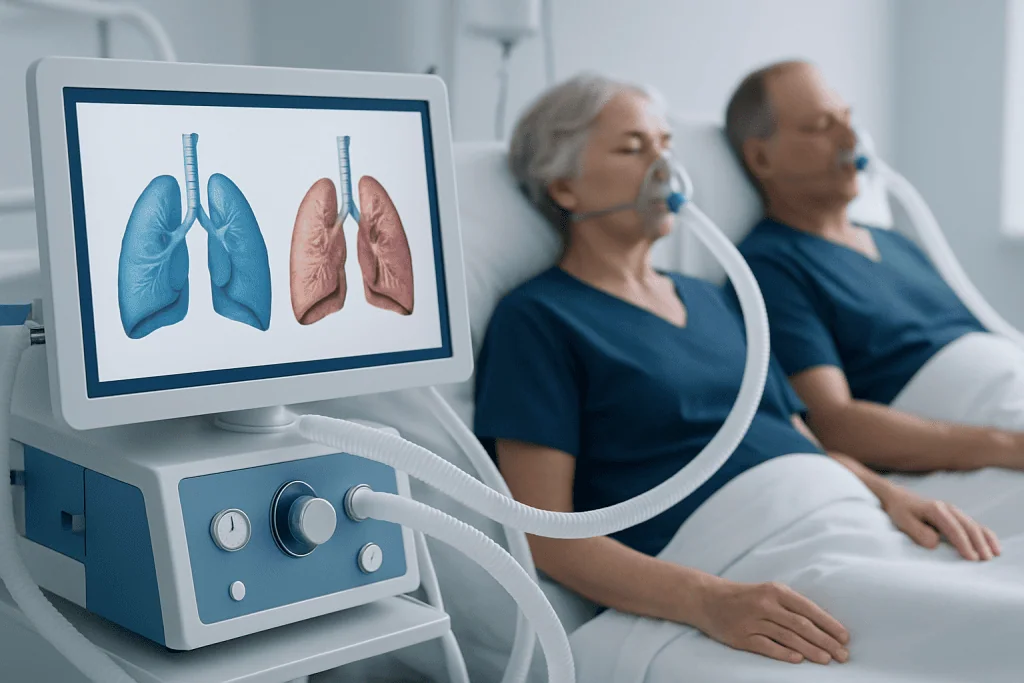
COPD describes a long-term narrowing of airflow that is not fully reversible. The obstruction usually develops gradually over years. It can involve inflammation in the airways, excess mucus, and destruction of lung tissue. Because several processes can happen at once, COPD is considered a syndrome rather than a single uniform disease.
Emphysema is more specific. In emphysema, the tiny air sacs called alveoli lose their normal shape and elasticity. Their walls break down, creating larger, less efficient air spaces. As a result, air can become trapped in the lungs, especially during exhalation, and the surface area available for oxygen exchange becomes smaller.
This difference helps explain symptoms. People with emphysema may notice increasing shortness of breath, particularly during physical activity, because damaged alveoli make breathing less efficient. People with chronic bronchitis-predominant COPD may have more daily cough and phlegm. Many patients, however, have a mixed picture that includes both.
Doctors may also use the term phenotype, meaning the pattern the disease takes in a particular person. One patient may have emphysema-dominant COPD with severe breathlessness and little cough, while another may have frequent chest infections and mucus production with less obvious emphysema on imaging.
Symptoms and everyday clues that can overlap

Emphysema and other forms of COPD often cause similar symptoms, which is one reason the terms can be confusing. The most common symptom is progressive shortness of breath, especially during walking, climbing stairs, or other routine activities. Over time, even daily tasks may require more effort.
Other possible symptoms include a chronic cough, wheezing, chest tightness, fatigue, and reduced exercise tolerance. Some people produce a lot of mucus, while others do not. In emphysema-dominant disease, breathlessness may be more noticeable than cough at first.
Doctors also ask about patterns over time. COPD symptoms typically develop slowly and may worsen during flare-ups, often triggered by respiratory infections or air pollution. During these episodes, cough, sputum, and breathlessness may suddenly increase.
Symptoms alone cannot confirm whether someone has emphysema, chronic bronchitis, or another lung problem such as asthma. Similar complaints can occur with heart disease, recurrent infections, lung cancer, or other respiratory conditions. That is why formal testing is important when symptoms are persistent.
Causes and risk factors doctors consider
Smoking is the leading cause of both emphysema and COPD. Tobacco smoke injures the airways and alveoli over time, leading to inflammation, excess mucus, and destruction of lung tissue. The risk rises with long-term exposure, but susceptibility varies from person to person, so not everyone with the same smoking history develops the same disease pattern.
Other exposures matter too. Secondhand smoke, indoor biomass fuel smoke, urban air pollution, and workplace dusts or chemical fumes can all contribute. Occupational exposure is particularly relevant in jobs involving mining, construction, metal work, or industrial chemicals.
Doctors also ask about family history and early-onset disease. A genetic condition called alpha-1 antitrypsin deficiency can cause emphysema, sometimes at a younger age or in people who have never smoked. When emphysema appears unexpectedly early or is especially severe, clinicians may recommend testing for this inherited deficiency.
Age is another factor, because cumulative lung damage often becomes more noticeable later in life. However, the disease is not an inevitable part of aging. Recognizing avoidable exposures and seeking early evaluation can make a meaningful difference in symptom control and long-term lung health.
How clinicians tell them apart
The clearest way doctors distinguish emphysema from the broader diagnosis of COPD is by combining function tests with structure-based imaging. COPD is confirmed when spirometry shows persistent airflow obstruction. This test measures how much air a person can force out in one second and how much they can exhale overall. It is the foundation of diagnosis because it shows how well the air moves through the lungs.
Emphysema, by contrast, is often identified when imaging shows characteristic damage to the alveoli and overinflation of the lungs. A chest X-ray may suggest emphysema, but a CT scan is more detailed and can reveal the distribution and extent of tissue destruction. Imaging helps explain why two people with similar spirometry results may feel very different.
Clinicians also use the physical exam and medical history. They ask about smoking, occupational exposures, family history, cough, mucus production, exercise limitation, prior flare-ups, and weight changes. On examination, they may hear wheezing, note prolonged exhalation, or see signs of hyperinflation. Oxygen levels may be checked with pulse oximetry, and arterial blood gas testing may be needed in selected cases.
Additional tests are sometimes used to complete the picture. Full pulmonary function testing can measure lung volumes and diffusion capacity, which is often reduced in emphysema because gas exchange is impaired. If symptoms seem out of proportion or another condition is possible, doctors may arrange bronchoscopy or advanced chest imaging, or assess the heart to rule out a cardiac cause of breathlessness.
What to do for each case: treatment and long-term management
Treatment for emphysema and COPD overlaps because both involve chronic airflow limitation and reduced breathing efficiency. The main goals are to ease symptoms, improve activity levels, prevent flare-ups, and slow further damage. Stopping smoking is the single most important step for people who smoke, regardless of which COPD pattern is dominant.
Doctors may recommend bronchodilator inhalers to open the airways, inhaled corticosteroids for selected patients, vaccines to reduce infection risk, and prompt treatment of flare-ups. Pulmonary rehabilitation is especially valuable. These structured programs combine exercise, breathing strategies, and education to help people function better in everyday life. In some cases, oxygen therapy is prescribed if oxygen levels remain low.
When emphysema is the dominant issue, management may focus more on breathlessness, air trapping, nutrition, and preserving exercise capacity. When chronic bronchitis features are more prominent, mucus control and flare-up prevention may need more attention. People with severe disease may be evaluated for procedures such as lung volume reduction surgery or, in select cases, lung transplant.
Treatment is individualized, because no single plan fits everyone. Near the end of the care pathway, some patients seek multidisciplinary evaluation at specialized centers. Acibadem International’s multidisciplinary specialists and JCI-accredited hospitals diagnose and treat respiratory conditions for international patients, including advanced COPD assessment when needed.
Self-care, prevention, and living well with chronic lung disease
Even when lung damage cannot be fully reversed, daily habits can improve quality of life. Smoking cessation remains central. Avoiding secondhand smoke, limiting exposure to dust and fumes, and improving indoor air quality can also reduce ongoing irritation. If breathing symptoms interfere with sleep, exercise, or routine tasks, follow-up care should not be delayed.
Regular physical activity, tailored to the person’s ability, helps maintain endurance and muscle strength. Many people benefit from learning pursed-lip breathing and energy-conservation strategies. Eating enough nutritious food is important as well, since advanced emphysema can increase the effort of breathing and affect body weight.
Preventive care matters. Annual influenza vaccination and other recommended vaccines can lower the risk of serious respiratory infections. Patients should also understand their action plan for worsening symptoms, including when to contact a clinician if cough, phlegm, wheezing, or breathlessness changes quickly.
Follow-up appointments allow the care team to review inhaler technique, track lung function, adjust medications, and monitor for complications. Some people may need imaging or specialist review over time, especially if symptoms change, flare-ups become frequent, or another condition is suspected.
When to seek medical care
Medical evaluation is appropriate if a person has persistent shortness of breath, a chronic cough, wheezing, frequent chest infections, or reduced tolerance for daily activity. These symptoms do not always mean COPD or emphysema, but they deserve proper assessment, especially in current or former smokers and in people with long-term exposure to fumes or dust.
Prompt care is important if breathing becomes suddenly worse, mucus changes color or amount, fever develops, or routine inhalers stop helping as expected. These may be signs of an exacerbation or infection that needs treatment. New symptoms should not be self-diagnosed, because conditions such as pneumonia, asthma, blood clots, or heart problems can mimic a COPD flare.
Emergency care is needed for severe breathlessness at rest, bluish lips or fingertips, confusion, fainting, chest pain, or inability to speak in full sentences. These are warning signs that oxygen levels may be low or that another urgent problem could be present.
Early diagnosis often leads to more effective symptom control and a clearer plan. If symptoms are ongoing, a clinician may arrange spirometry, imaging such as chest X-ray, or referral to a respiratory specialist to determine whether the picture fits emphysema, chronic bronchitis, another form of COPD, or a different condition entirely.
Frequently asked questions
Is emphysema the same as COPD?
No. Emphysema is one type of COPD, while COPD is the broader diagnosis for chronic airflow obstruction. Many people with COPD have emphysema, chronic bronchitis, or a combination of both.
Can someone have emphysema without being diagnosed with COPD?
They can, especially early on or if imaging shows emphysema before airflow obstruction is clearly documented on spirometry. However, many people with emphysema eventually meet the criteria for COPD if airflow limitation becomes persistent.
How do doctors confirm COPD?
Doctors usually confirm COPD with spirometry, a breathing test that measures airflow. They combine the results with symptoms, exposure history, and sometimes imaging or additional lung function tests.
What test shows emphysema best?
A chest CT scan usually shows emphysema more clearly than a plain chest X-ray. CT can reveal the location and extent of alveolar damage and help explain symptoms that may not be obvious from spirometry alone.
Are the treatments for emphysema and COPD different?
There is a lot of overlap. Both may be treated with smoking cessation support, inhalers, pulmonary rehabilitation, vaccines, and flare-up prevention. The exact plan depends on which symptoms and disease features are most prominent.
Can emphysema or COPD be cured?
Neither condition is usually considered curable, because damaged lung tissue does not fully return to normal. Still, treatment can reduce symptoms, improve daily function, and help slow further lung damage.
When should a person with COPD symptoms seek urgent help?
Urgent help is needed for severe breathing difficulty, blue lips, confusion, chest pain, fainting, or sudden worsening that does not improve promptly. These symptoms may signal low oxygen levels or another serious medical problem.
References
- Global Initiative for Chronic Obstructive Lung Disease
- American Lung Association
- National Heart, Lung, and Blood Institute
- Centers for Disease Control and Prevention
- World Health Organization
This article is for general information only and is not a substitute for professional medical advice. Please consult a qualified doctor about your individual situation.
Emphysema in Turkey — costs, top hospitals & a free quote
JCI-accredited · board-certified surgeons · reply within 24h

More from the Health Library



Related Specialists

Dr. Abdurrahman Şaban
Pulmonology
Dr. Büşra Nur Enez Baş
Acibadem Life Clinical Service
Dr. Azad Bairamovi
Inpatient Clinic Physicians Clinical Service
Dr. Aykut Ayyıldız
Intensive Care