Organs on Right Side of Body: An Evidence-Based Guide for Patients

The right side of the body contains important organs in the chest, abdomen, and pelvis. The liver and gallbladder are major right upper abdominal organs, while the appendix is usually in the right lower abdomen.
Key Takeaways
- The right side of the body contains important organs in the chest, abdomen, and pelvis.
- The liver and gallbladder are major right upper abdominal organs, while the appendix is usually in the right lower abdomen.
- Pain on the right side does not always come from the nearest organ; muscles, nerves, and referred pain can also be involved.
- Symptoms such as severe pain, fever, breathing trouble, jaundice, or vomiting need prompt medical evaluation.
- Doctors use the location of symptoms, examination findings, blood tests, and imaging to identify the cause.
The organs on right side of body include the liver, gallbladder, right lung, right kidney, part of the large and small intestines, and the appendix in the lower right abdomen. Understanding where these organs sit can help patients describe symptoms more clearly, but a doctor is needed to identify the true cause of pain or discomfort.
Overview: Which organs are on the right side of the body?
The organs on right side of body vary by body region. In the right side of the chest, the main organ is the right lung. In the right upper abdomen are the liver and gallbladder, along with parts of the intestine and nearby blood vessels and ducts. Lower down, the right kidney sits toward the back, and the appendix is usually found in the right lower abdomen.
There are also structures that cross the middle but may cause symptoms on the right. These include parts of the small intestine, large intestine, diaphragm, urinary tract, muscles, ribs, and nerves. In females, the right ovary and right fallopian tube are also on the right side of the pelvis.
Knowing the basic map of right-sided organs can make symptoms easier to describe. Still, the same symptom can have different causes, and some organs cause pain away from their exact location. That is why right-sided pain should be understood as a clue, not a diagnosis.
A practical map of the right side: chest, upper abdomen, lower abdomen, and pelvis
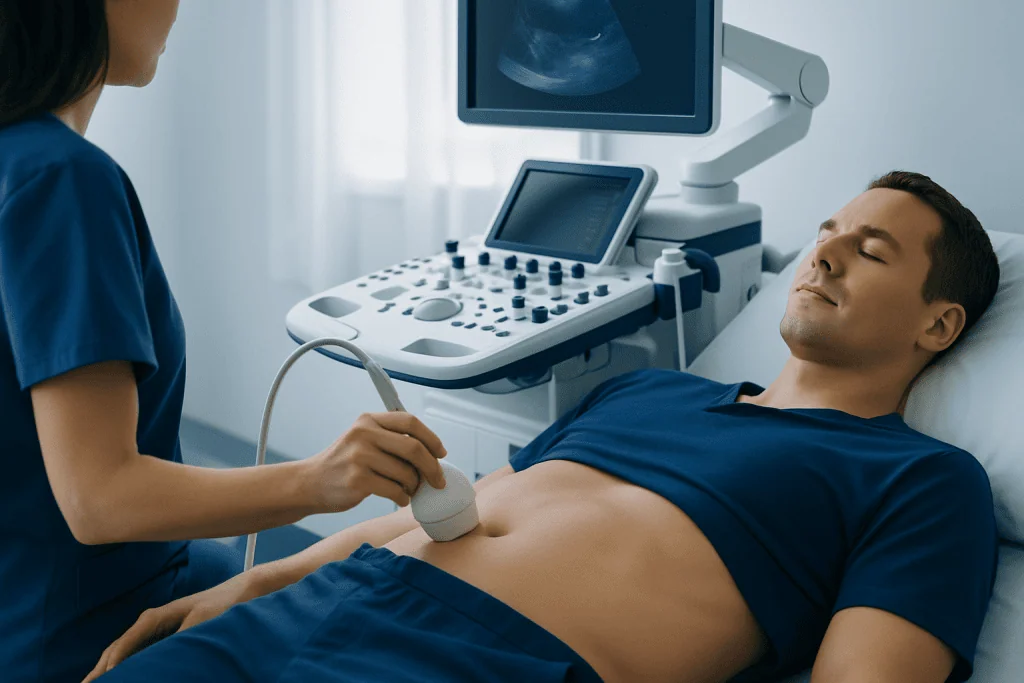
One useful way to understand the right side is to divide it into body regions. This can help patients communicate where they feel pain, fullness, pressure, or tenderness. Doctors often think in these same regions when considering likely causes.
On the right side of the chest, the right lung occupies most of the space. The lower edge of the right chest meets the diaphragm, the breathing muscle that separates the chest from the abdomen. Just below that area, in the right upper abdomen, the liver is the largest organ. The gallbladder sits tucked under the liver. The upper part of the large intestine and some small intestine also lie nearby.
Farther down, the right lower abdomen commonly contains the appendix, the lower small intestine, and part of the colon. Toward the back of the abdomen, the right kidney and right ureter are important structures. In the pelvis, the bladder is more central, but right-sided pelvic organs may include the right ovary and right fallopian tube in females.
- Right chest: right lung, pleura, ribs, chest wall muscles
- Right upper abdomen: liver, gallbladder, bile ducts, part of the colon, part of the small intestine
- Right flank/back: right kidney, right ureter, muscles and nerves
- Right lower abdomen: appendix, cecum, small intestine, part of the colon
- Right pelvis: pelvic muscles, bladder area, and in females the right ovary and fallopian tube
Main right-sided organs and what they do
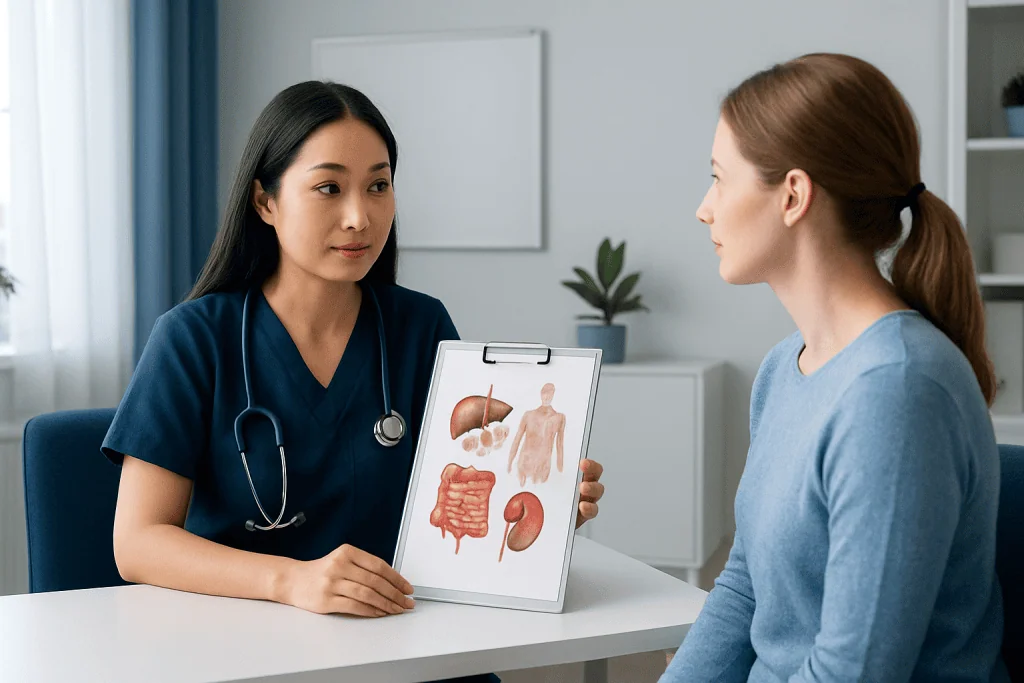
The liver is the largest solid organ on the right side. It helps process nutrients, stores energy, makes proteins, and removes waste products from the blood. Because it sits high in the right abdomen under the ribs, liver-related symptoms may be felt as right upper abdominal discomfort, fullness, or tenderness. Conditions affecting this area can include gallbladder disease and liver disease such as liver cancer, although many causes of pain are much more common and less serious.
The gallbladder is a small sac under the liver that stores bile, a fluid that helps digest fats. Gallbladder problems can cause pain in the right upper abdomen, especially after fatty meals, and sometimes nausea or vomiting. In some people, pain may spread to the back or right shoulder.
The right lung helps oxygen enter the blood and removes carbon dioxide. Problems involving the lung or its lining may cause chest pain, shortness of breath, cough, or pain that feels worse with deep breathing. The right kidney, located toward the back under the lower ribs, filters blood and makes urine. Kidney-related symptoms may include flank pain, urinary changes, fever, or nausea.
The appendix is a small pouch attached to the large intestine, usually in the right lower abdomen. It may become inflamed in appendicitis, which can cause worsening abdominal pain, nausea, fever, and tenderness. The intestines themselves also occupy parts of the right abdomen and can cause cramping, bloating, constipation, or diarrhea depending on the condition.
Why the location of pain does not always tell the whole story
Many patients assume pain always comes from the organ directly underneath it. In reality, the body is more complex. Nerves can carry signals in ways that make pain feel as though it is coming from another area. For example, gallbladder irritation may be felt in the right shoulder blade, and kidney pain may be felt in the side or groin rather than exactly over the kidney.
Muscles, joints, and nerves are also common causes of right-sided discomfort. A strained abdominal wall muscle, rib irritation, spinal problem, or pinched nerve can mimic internal organ pain. Digestive causes such as gas, constipation, or intestinal cramping may shift location as the bowel moves.
This is why doctors look at the whole pattern of symptoms rather than just one spot. They ask when the pain started, whether it is sharp or dull, what makes it better or worse, whether meals affect it, and whether there are associated symptoms such as fever, cough, urinary burning, or jaundice. A symptom map helps, but it is only one part of the evaluation.
Common symptoms linked to right-sided organs
Symptoms vary depending on which organ or tissue is involved. Right upper abdominal pain may suggest a problem involving the liver, gallbladder, bile ducts, or nearby intestine. Right flank pain may point more toward the kidney or surrounding muscles. Right chest pain may arise from the lung, pleura, chest wall, or even the upper abdomen.
Patients may notice associated symptoms that help narrow the possibilities. Nausea after meals may fit better with gallbladder irritation. Burning urination or blood in the urine may suggest the urinary tract. Cough, fever, or breathlessness may indicate a lung or pleural cause. Jaundice, which is yellowing of the skin or eyes, can suggest bile duct or liver involvement and should be assessed promptly.
- Gallbladder or bile ducts: right upper abdominal pain, nausea, vomiting, pain after eating, jaundice
- Liver: fullness under the right ribs, fatigue, swelling, jaundice
- Kidney or ureter: flank pain, fever, urinary urgency, blood in urine
- Appendix: pain that often settles in the right lower abdomen, loss of appetite, nausea, fever
- Right lung or pleura: chest pain, cough, shortness of breath, pain with deep breathing
- Muscles or ribs: pain with movement, lifting, twisting, or pressing on the area
Because symptoms can overlap, self-diagnosis has limits. The safest approach is to watch for patterns and seek medical advice when symptoms are severe, persistent, or accompanied by warning signs.
How doctors evaluate right-sided pain or discomfort
Medical evaluation begins with a focused history and physical examination. A clinician will ask where the symptom is felt, how long it has been present, how it started, and whether there are triggers such as meals, exercise, cough, or urination. The doctor may gently examine the abdomen, chest, back, and pelvis to check for tenderness, swelling, guarding, or signs of infection.
Blood and urine tests may be used to look for inflammation, infection, anemia, liver enzyme changes, bile duct blockage, or kidney problems. When imaging is needed, ultrasound is often useful for the liver, gallbladder, kidneys, and pelvis. CT scans may be used when appendicitis, kidney stones, or other abdominal conditions are suspected. A chest X-ray may help if the symptoms suggest a lung problem, while more detailed studies such as MRI scanning can sometimes clarify complex findings.
Some patients may need endoscopic or specialist evaluation. For example, persistent digestive symptoms may lead to review by a gastroenterology team, and urinary symptoms may need a urology assessment. If a structural problem is found, doctors explain which treatments are appropriate, ranging from observation and medicine to procedures or surgery such as appendectomy or gallbladder surgery when clearly indicated.
Prevention, self-care, and keeping symptoms in context
Not every right-sided symptom can be prevented, but general health habits can lower risk for some common causes. Staying hydrated supports kidney function. A balanced diet, regular physical activity, and maintaining a healthy weight may reduce the risk of gallbladder disease and some liver conditions. Safe lifting and core strength can also help reduce muscle strain in the chest, back, and abdomen.
For mild, short-lived discomfort, rest, hydration, and avoiding heavy meals may be reasonable while monitoring symptoms. It can help to note the exact location, timing, and triggers of pain. Tracking whether discomfort follows meals, movement, deep breathing, or urination can give doctors useful clues.
Self-care should not replace proper assessment when symptoms are significant. Over-the-counter pain relief may mask an important problem, especially if pain is worsening. If abdominal pain is persistent, severe, or paired with fever, vomiting, jaundice, breathing difficulty, or faintness, medical review is important rather than waiting at home.
When to seek medical care
Prompt medical attention is important for severe or rapidly worsening pain on the right side of the body. This is especially true if pain is accompanied by fever, repeated vomiting, shortness of breath, chest pain, confusion, fainting, a swollen abdomen, or yellowing of the eyes or skin. Pain in the right lower abdomen with tenderness and nausea can need urgent evaluation because appendicitis is one possible cause.
Medical review is also appropriate for right flank pain with fever or blood in the urine, chest pain that worsens with breathing, or symptoms that keep returning. In females, sudden right-sided pelvic pain should be assessed, particularly if there is pregnancy, dizziness, or abnormal bleeding.
Even when the cause is not urgent, persistent symptoms deserve proper diagnosis. Multidisciplinary specialists at Acibadem International and its JCI-accredited hospitals evaluate right-sided chest, abdominal, kidney, and digestive conditions for international patients using examination, imaging, and tailored treatment planning.
Frequently asked questions
What organs are on the right side of the body?
The right side includes the right lung, liver, gallbladder, right kidney, parts of the small and large intestines, and usually the appendix in the right lower abdomen. In females, the right ovary and right fallopian tube are also on the right side of the pelvis.
Is the appendix always on the right side?
In most people, the appendix is located in the right lower abdomen. Its exact position can vary somewhat, which is one reason appendicitis symptoms do not always look the same from person to person.
Can right-sided pain come from something other than an organ?
Yes. Muscles, ribs, spine, and nerves are common causes of pain on the right side. Sometimes pain is also referred from another area, meaning it is felt in one place but starts elsewhere.
Why does the right side hurt after eating?
Pain after eating can have several causes, including gallbladder problems, indigestion, stomach or intestinal irritation, and sometimes liver or bile duct conditions. A pattern of pain in the right upper abdomen after fatty meals is one reason a doctor may consider the gallbladder.
How do doctors know which right-sided organ is causing symptoms?
Doctors use the exact location of symptoms, associated signs such as fever or urinary changes, the physical exam, and tests such as blood work, urine tests, ultrasound, CT, or chest imaging. The goal is to match the symptom pattern to the most likely body system and confirm it safely.
When should a person worry about pain on the right side?
Pain should be assessed urgently if it is severe, worsening, or linked with fever, vomiting, chest pain, breathing trouble, fainting, jaundice, or blood in the urine. Persistent or recurrent pain should also be discussed with a qualified doctor even if it seems mild.
References
- National Institute of Diabetes and Digestive and Kidney Diseases
- MedlinePlus
- National Health Service
- Mayo Clinic
- American College of Radiology
This article is for general information only and is not a substitute for professional medical advice. Please consult a qualified doctor about your individual situation.
Persistent digestive symptoms? Get evaluated in Turkey
JCI-accredited · board-certified surgeons · reply within 24h
Add us as a Preferred Source to see more of our trusted health content across Google Search, AI Overviews and Discover.

More from the Health Library

Psychedelic: An Evidence-Based Guide for Patients

Dobutamine: What Patients Need to Know

Thoracentesis: An Evidence-Based Guide for Patients

Labetalol: A Complete Medical Overview

Ene Mas: What Patients Need to Know