Vaginal Bleeding Explained: Causes, Management, and When to See a Doctor

Vaginal bleeding is not always an emergency, but unexpected bleeding should be assessed in context. Common causes include periods, hormonal imbalance, pregnancy-related conditions, fibroids, polyps, infection, and medication effects.
Key Takeaways
- Vaginal bleeding is not always an emergency, but unexpected bleeding should be assessed in context.
- Common causes include periods, hormonal imbalance, pregnancy-related conditions, fibroids, polyps, infection, and medication effects.
- Bleeding after menopause, very heavy bleeding, or bleeding with severe pain, fainting, or pregnancy needs prompt medical attention.
- Diagnosis may include a pelvic exam, pregnancy test, blood tests, ultrasound, and sometimes biopsy or hysteroscopy.
- Treatment depends on the cause and may involve watchful waiting, medication, hormonal therapy, or procedures.
Vaginal bleeding may be part of a normal menstrual cycle, but it can also happen for reasons such as hormonal changes, pregnancy, infections, medicines, or conditions affecting the uterus or cervix. The meaning depends on when the bleeding occurs, how heavy it is, and whether it comes with symptoms like pain, dizziness, or bleeding after menopause.
What vaginal bleeding can mean
Vaginal bleeding is bleeding that comes from the vagina or the reproductive tract. In many cases, it is related to menstruation and is completely expected. In other situations, however, bleeding happens outside the usual cycle, after sex, during pregnancy, or after menopause, and this is when the cause needs closer attention.
The most important question is not simply whether bleeding is present, but when it happens, how much there is, and what other symptoms occur with it. Light spotting between periods may have a different explanation than soaking pads quickly, passing large clots, or bleeding with pelvic pain or dizziness.
Doctors often use the term abnormal uterine bleeding for bleeding that is unusually heavy, lasts longer than expected, comes at irregular times, or occurs after periods have stopped. Although many causes are not dangerous, abnormal bleeding should not be ignored, especially if it is new, repeated, or affects daily life.
How to recognize normal vs. abnormal bleeding
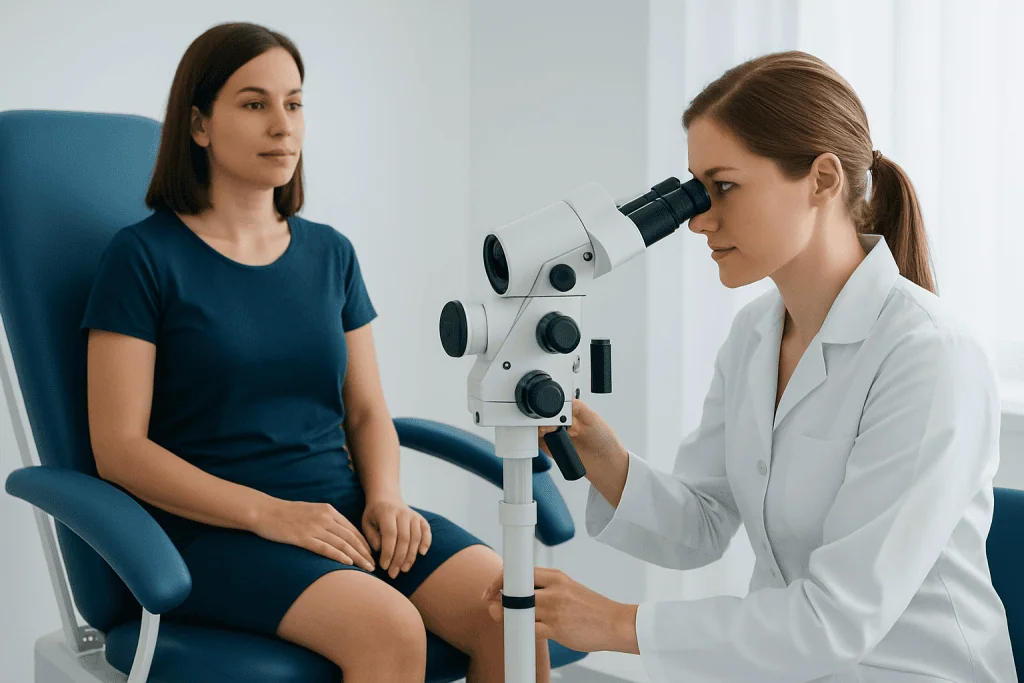
Normal menstrual bleeding usually follows a pattern that is fairly predictable for that person. A cycle may vary from one individual to another, but it often comes every few weeks, lasts several days, and gradually becomes lighter. Some cramping and mild fatigue can be normal as well.
Bleeding may be considered abnormal if it happens between periods, after sexual intercourse, during pregnancy, after menopause, or if it is much heavier or longer than usual. Some people notice frequent spotting, while others have sudden heavy flow with clots. Bleeding that leads to weakness, shortness of breath, or lightheadedness can suggest significant blood loss and should be evaluated promptly.
It can help to keep track of:
- When the bleeding starts and stops
- How many pads or tampons are used
- Whether clots are present
- Any pain, fever, discharge, or dizziness
- Recent sexual activity, pregnancy possibility, new medications, or contraceptive changes
This information can make it easier for a doctor to identify the likely cause and decide which tests are needed.
Common causes of vaginal bleeding
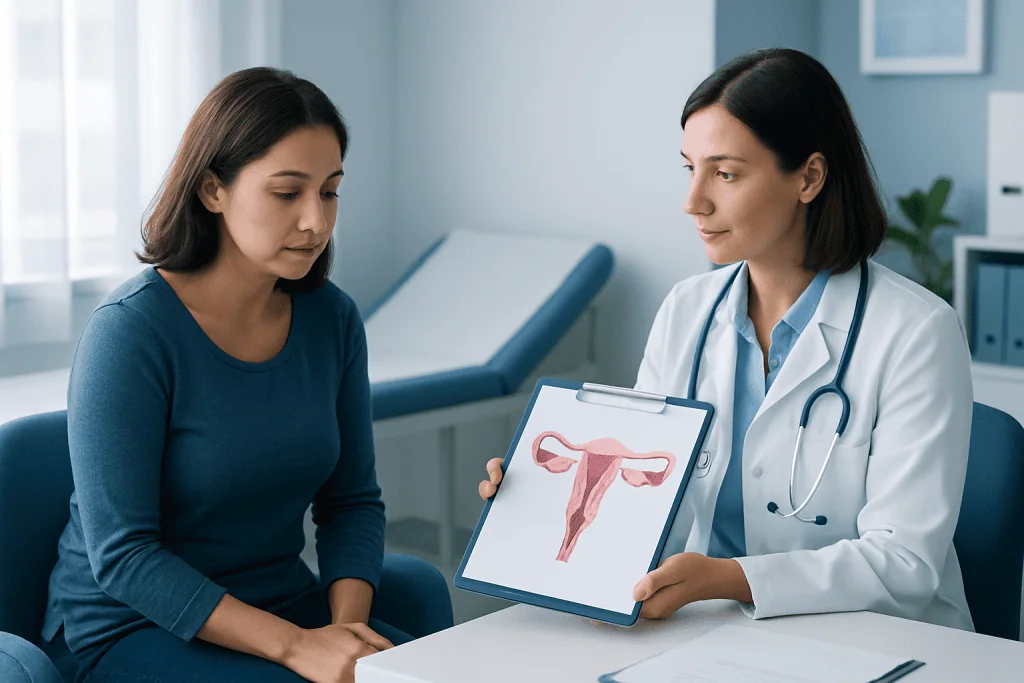
There is no single cause of vaginal bleeding. One of the most common reasons is a change in hormone levels. This may happen during adolescence, around menopause, after starting or stopping hormonal birth control, or with conditions that affect ovulation. Irregular shedding of the uterine lining can lead to spotting or heavy, unpredictable periods.
Structural conditions in the uterus or cervix can also cause bleeding. These include uterine fibroids, endometrial polyps, adenomyosis, and cervical irritation. Fibroids and polyps are common and may lead to heavy periods, pressure symptoms, or bleeding between cycles. In some cases, doctors may evaluate for uterine fibroids or other benign growths.
Infections of the cervix or uterus, sexually transmitted infections, and inflammation can cause bleeding, especially after intercourse. Certain medications, particularly blood thinners and some hormonal treatments, may increase bleeding as well. Less commonly, abnormal bleeding can be linked to thyroid disease, bleeding disorders, or problems involving the lining of the uterus, including precancerous changes or cancer.
Bleeding after menopause deserves special attention because it is not considered normal. While the cause may be vaginal dryness or a benign polyp, postmenopausal bleeding can also be a sign of endometrial thickening or cancer and should be assessed without delay.
Pregnancy-related bleeding and other important situations
Bleeding in pregnancy is relatively common, especially early on, but it should always be taken seriously. Light spotting may occur around implantation or from cervical sensitivity. Still, bleeding in pregnancy can also signal miscarriage, ectopic pregnancy, or problems with the placenta later in pregnancy, so medical advice is important.
For someone who could be pregnant, even mild unexpected bleeding may prompt a pregnancy test. This is important because an ectopic pregnancy can begin with bleeding and pelvic pain and may become dangerous if not treated quickly. Heavy bleeding, one-sided pain, shoulder pain, fainting, or severe weakness are urgent warning signs.
Bleeding after sex is another situation that should not be dismissed if it is repeated. Sometimes it relates to dryness, minor trauma, or infection, but it can also be linked to cervical polyps or changes that require examination. Likewise, bleeding after menopause should always be investigated rather than assumed to be part of aging.
How doctors diagnose the cause
Diagnosis starts with a careful history. A doctor will usually ask about menstrual patterns, the amount of bleeding, pregnancy possibility, pelvic pain, medication use, contraception, recent procedures, and any history of fibroids, polyps, or gynecologic conditions. Age matters too, because the most likely causes differ in teenagers, reproductive-age adults, and those after menopause.
A physical and pelvic exam may help identify bleeding from the cervix, vagina, or uterus. Depending on the situation, tests may include a pregnancy test, blood tests to look for anemia or hormone-related causes, and screening for infection. If bleeding is prolonged or heavy, a complete blood count is often useful to see whether blood loss has affected iron levels or overall health.
Imaging is often helpful. Pelvic ultrasound is commonly used to look at the uterus, ovaries, and uterine lining. In selected cases, a doctor may recommend hysteroscopy to examine the inside of the uterus directly, or an endometrial biopsy to sample the lining, especially for postmenopausal bleeding or risk factors for endometrial disease. Some patients may also be assessed for related conditions such as endometriosis when pain and bleeding patterns suggest it.
Treatment and management options
Treatment depends entirely on the cause, the severity of bleeding, and the patient’s age, reproductive goals, and overall health. In some cases, no immediate treatment is needed beyond monitoring, especially if the bleeding is brief, mild, and linked to a known trigger such as a contraceptive change. In other situations, treatment is needed to stop heavy bleeding, correct anemia, or address an underlying condition.
Medical management may include iron supplementation for blood loss, nonhormonal medicines to reduce bleeding, treatment for infection, or hormonal therapies such as contraceptive pills, progesterone-containing treatments, or other hormone-based options. These are commonly used when bleeding is related to ovulatory dysfunction or benign uterine causes. If heavy periods are ongoing, doctors may discuss broader approaches to gynecology treatment tailored to the cause.
When a structural problem is responsible, procedures may be recommended. Polyps can sometimes be removed, and fibroids may be managed with different medical or surgical options. For some people, a doctor may suggest hysteroscopy to diagnose and treat bleeding from inside the uterus, or discuss options related to myomectomy when fibroids are causing major symptoms.
If cancer or precancerous changes are suspected, referral to specialists is essential. The goal is not only to stop the bleeding but also to treat the underlying condition safely and appropriately.
Self-care, monitoring, and prevention
Not every episode of vaginal bleeding can be prevented, but there are practical ways to monitor symptoms and protect health. Keeping a menstrual diary or using a cycle-tracking app can reveal changes in frequency, duration, and heaviness that might otherwise be missed. This is especially useful when bleeding becomes irregular over time rather than all at once.
People who have heavy periods may benefit from paying attention to signs of iron deficiency, such as unusual fatigue, pale skin, headaches, or reduced exercise tolerance. A doctor can advise whether blood tests or iron support are needed. It is also sensible to take medicines exactly as directed, particularly hormonal contraceptives and blood thinners, because missed doses or interactions can affect bleeding patterns.
Routine gynecologic care also matters. Cervical screening, evaluation of new pelvic symptoms, and discussing any unexpected bleeding early can help identify problems before they become more disruptive. Near the end of the care pathway, some international patients may choose specialist assessment at centers such as Acibadem International, where multidisciplinary teams in JCI-accredited hospitals diagnose and treat gynecologic conditions.
When to seek medical care
Medical care should be sought promptly for vaginal bleeding that is very heavy, happens during pregnancy, occurs after menopause, or comes with severe pain, fever, fainting, chest symptoms, or marked weakness. These features may point to significant blood loss, infection, pregnancy complications, or another condition that needs urgent attention.
A non-urgent but timely appointment is appropriate for repeated spotting between periods, bleeding after sex, cycles that are becoming much heavier or more irregular, or symptoms that interfere with work, sleep, or daily activities. Even when the cause turns out to be benign, evaluation can improve quality of life and reduce the risk of anemia.
It may help to seek urgent assessment if any of the following happen:
- Soaking through pads or tampons rapidly for several hours
- Passing large clots with dizziness or weakness
- Bleeding after menopause
- Bleeding with a positive pregnancy test
- Severe pelvic or abdominal pain
- Fainting, shortness of breath, or pale, clammy skin
When in doubt, it is safer to speak with a qualified doctor rather than wait for symptoms to settle on their own.
Frequently asked questions
Is vaginal bleeding always related to a period?
No. Vaginal bleeding can happen for many reasons besides menstruation, including hormonal changes, pregnancy, infection, uterine growths, medication effects, or postmenopausal changes. The timing, amount, and associated symptoms help doctors understand whether it is likely to be normal or abnormal.
When is vaginal bleeding considered abnormal?
Bleeding is often considered abnormal if it happens between periods, after sex, during pregnancy, after menopause, or if a period becomes much heavier, longer, or more frequent than usual. A change from a person's typical pattern is often an important clue. Recurrent or unexplained bleeding should be assessed by a doctor.
Should spotting between periods be a concern?
Occasional light spotting can happen with ovulation, hormonal contraception, or temporary hormone fluctuations. However, repeated spotting or spotting with pain, unusual discharge, or postmenopausal status deserves medical evaluation. It is best not to assume it is harmless if it keeps happening.
What causes heavy vaginal bleeding?
Heavy bleeding may be linked to fibroids, polyps, hormonal imbalance, adenomyosis, bleeding disorders, certain medicines, or pregnancy-related conditions. Sometimes there is more than one contributing factor. Because heavy bleeding can lead to anemia, it should be discussed with a healthcare professional.
Is bleeding after menopause normal?
No, bleeding after menopause is not considered normal and should always be evaluated. The cause may be something benign, such as thinning vaginal tissues or a polyp, but it can also signal changes in the uterine lining that require investigation. Early assessment is important.
What tests might be needed for vaginal bleeding?
Common tests include a pregnancy test, blood tests, pelvic examination, and ultrasound. Depending on age and symptoms, a doctor may also recommend cervical testing, infection screening, hysteroscopy, or an endometrial biopsy. The exact evaluation depends on the pattern of bleeding and individual risk factors.
When should someone go to urgent care or the emergency department?
Urgent care is important for very heavy bleeding, bleeding during pregnancy, bleeding with severe pain, fainting, shortness of breath, or signs of shock such as weakness and clammy skin. Bleeding after menopause also needs prompt medical attention, though not always emergency care. If symptoms feel severe or rapidly worsen, immediate assessment is the safest choice.
References
- World Health Organization
- American College of Obstetricians and Gynecologists
- National Institute for Health and Care Excellence
- Centers for Disease Control and Prevention
- Office on Women's Health
This article is for general information only and is not a substitute for professional medical advice. Please consult a qualified doctor about your individual situation.
Explore treatments in Turkey — costs, top hospitals & a free quote
JCI-accredited · board-certified surgeons · reply within 24h
Check your numbers in seconds
BMI, calories, due date, blood pressure and 30+ more clinical calculators — free, instant, doctor-reviewed ranges.