Bone Diseases: Diagnosis, Outlook, and Modern Treatment Approaches

Bone diseases include metabolic, inflammatory, infectious, genetic, benign, and cancer-related conditions. Symptoms may include bone pain, fractures, deformity, swelling, height loss, or reduced mobility.
Key Takeaways
- Bone diseases include metabolic, inflammatory, infectious, genetic, benign, and cancer-related conditions.
- Symptoms may include bone pain, fractures, deformity, swelling, height loss, or reduced mobility.
- Diagnosis often combines medical history, physical examination, blood tests, imaging, and sometimes bone biopsy.
- Treatment is based on the cause and may involve medicines, nutrition, physical therapy, surgery, or specialist care.
- Early evaluation can help prevent complications such as fractures, chronic pain, and disability.
Bone diseases are a group of conditions that affect bone strength, structure, growth, or repair. The outlook depends on the exact cause, but many bone diseases can be managed effectively with early diagnosis, targeted treatment, and long-term follow-up.
Overview: what bone diseases are
Bone diseases are conditions that change the way bones form, grow, remodel, or heal. Some reduce bone density and make fractures more likely, while others cause inflammation, infection, abnormal bone shape, or tumors. Because bone is living tissue that constantly renews itself, problems can develop from hormonal imbalance, aging, injury, immune disorders, genetics, infection, or cancer.
The term does not refer to one single illness. It includes common conditions such as osteoporosis, osteomalacia, Paget disease of bone, osteomyelitis, and some benign or malignant bone tumors. Certain disorders start in the bone itself, while others affect bone secondarily through the blood, hormones, kidneys, or cancer that has spread from another part of the body.
Outlook varies widely. Some bone diseases are chronic but manageable over many years, especially when found early. Others require urgent assessment because they can lead to fractures, spinal compression, infection spread, or progressive bone destruction. For this reason, a careful diagnosis is the most important first step before treatment decisions are made.
Common types and how they differ
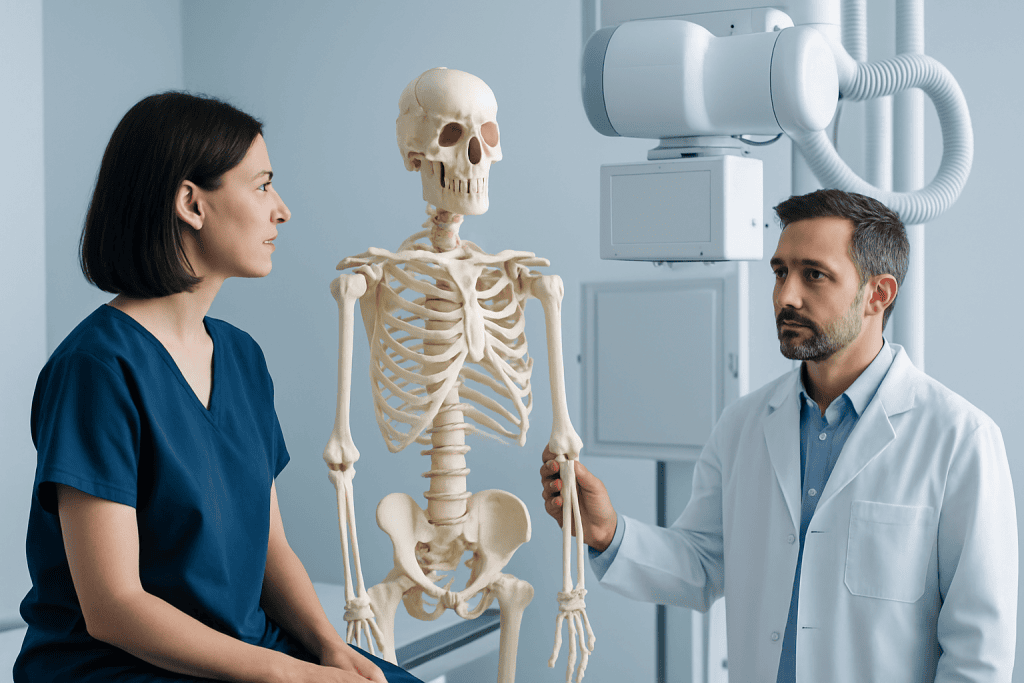
Bone diseases are often easier to understand when grouped by their cause. Metabolic bone diseases affect mineral balance and bone turnover. Osteoporosis makes bones thinner and more fragile, while osteomalacia is related to poor bone mineralization, often from vitamin D deficiency or problems with absorption. Paget disease changes the normal cycle of bone breakdown and rebuilding, leading to enlarged but weaker bone in some areas.
Inflammatory and infectious causes can also damage bone. Osteomyelitis is a bone infection that may result from bacteria entering the bloodstream, spreading from nearby tissue, or reaching bone after trauma or surgery. Inflammatory conditions such as rheumatoid arthritis may not begin in bone, but they can affect nearby bone and joints over time.
Some bone diseases are related to tumors. These may be benign growths, primary bone cancers, or cancers that spread to bone from elsewhere in the body. When bone pain is persistent, especially at night or with swelling, doctors may consider evaluation for bone cancer. Other conditions involve the joints and surrounding bone, including osteoporosis and disorders that require broader orthopedic assessment.
- Metabolic: osteoporosis, osteomalacia, Paget disease
- Infectious: osteomyelitis
- Genetic or developmental: osteogenesis imperfecta and other rare disorders
- Tumor-related: benign tumors, primary bone cancer, metastatic bone disease
- Secondary bone disease: due to kidney disease, endocrine disorders, or some medicines
Symptoms and possible complications
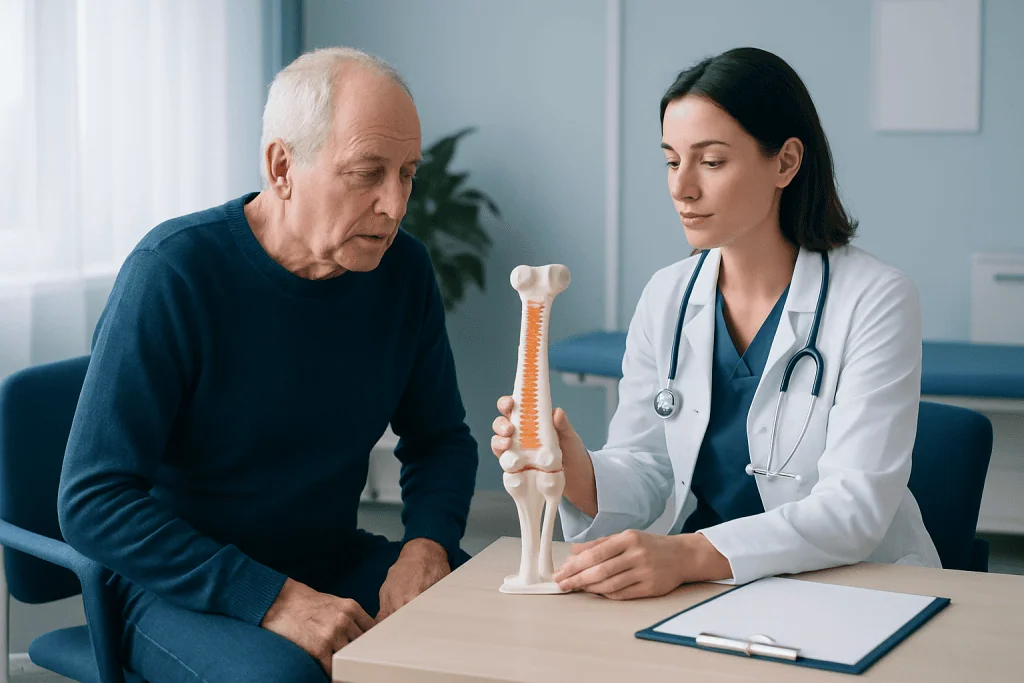
Symptoms depend on which bone is affected, how quickly the problem develops, and whether surrounding joints, nerves, or muscles are involved. Some people have no early symptoms and learn about a bone disease only after a fracture or an abnormal imaging test. Others notice ongoing bone pain, tenderness, a change in posture, loss of height, limping, stiffness, or reduced ability to walk and exercise.
Warning signs may include repeated fractures after minor trauma, persistent back pain, swelling over a bone, warmth or redness if infection is present, or visible deformity. In children, bone disease may present as delayed growth, bowed legs, difficulty walking, or repeated breaks. In older adults, a first low-impact fracture can be an important clue that bone strength has already declined.
Complications can be serious if diagnosis is delayed. Fragility fractures may affect the hip, wrist, or spine and can reduce mobility and independence. Untreated infection can damage bone and surrounding tissue. Tumor-related disease can weaken bone enough to cause structural failure. Even when the condition is not life-threatening, chronic pain and loss of function can have a major impact on quality of life.
Causes and risk factors
Many bone diseases develop from a combination of risk factors rather than one single cause. Aging is a major factor because bone mass naturally declines over time. Hormonal changes, especially after menopause, can accelerate bone loss. Poor intake or absorption of calcium and vitamin D may impair bone mineralization. Long-term immobility can also weaken bones because normal weight-bearing activity helps maintain bone strength.
Medical conditions and medicines are also important. Kidney disease, thyroid or parathyroid disorders, intestinal malabsorption, inflammatory diseases, and some cancers can affect bone turnover. Long-term use of corticosteroids is a well-known risk factor for osteoporosis and fractures. Smoking and heavy alcohol use can further reduce bone quality and delay healing.
Infections may follow trauma, surgery, open wounds, or bloodstream spread. Genetic bone disorders may be present from childhood. Family history can influence both rare inherited conditions and more common problems such as osteoporosis. A clinician may also review fall risk, nutritional status, exercise habits, prior fractures, and other diseases such as arthritis that can limit movement and affect skeletal health indirectly.
How bone diseases are diagnosed
Diagnosis starts with a detailed history and physical examination. The doctor asks about the location and pattern of pain, previous fractures, infection symptoms, family history, medications, and any change in height, posture, or mobility. A physical exam can reveal deformity, tenderness, swelling, weakness, gait changes, or signs of systemic illness.
Imaging is central to evaluation. Standard X-rays can show fractures, deformity, bone destruction, or abnormal thickening. Bone density testing helps assess osteoporosis risk and monitor treatment response. Depending on the suspected condition, doctors may also use MRI, CT, bone scans, or advanced imaging to evaluate marrow, soft tissue, infection spread, or possible tumors. In some cases, specialist MRI scanning helps clarify whether bone, joint, or surrounding tissues are involved.
Blood and urine tests can identify vitamin D deficiency, calcium or phosphate imbalance, kidney function problems, inflammation, infection markers, or tumor-related changes. If infection or cancer is suspected, a biopsy may be needed to examine tissue directly. Accurate diagnosis is essential because treatment for low bone density, infection, and tumor-related bone disease is very different, even when symptoms appear similar.
Modern treatment approaches
Treatment depends on the specific bone disease, the severity of damage, age, general health, and whether the main goal is to reduce pain, prevent fractures, clear infection, or treat a tumor. For metabolic bone disease, treatment may include dietary improvement, vitamin D and calcium optimization, fall prevention, exercise guidance, and prescription medicines that support bone strength or slow bone breakdown. Ongoing monitoring is often needed because bone changes occur gradually over time.
If infection is the cause, treatment generally involves targeted antibiotics and close follow-up. Some people also need drainage or surgery if dead bone or implanted material is involved. When the problem affects alignment, stability, or causes severe fractures, orthopedic procedures may be recommended. Depending on the case, this can include fracture fixation or orthopedic surgery to restore function and reduce further damage.
Tumor-related bone disease may require a multidisciplinary plan involving orthopedic surgeons, radiologists, pathologists, medical oncologists, and rehabilitation specialists. Management can include biopsy, surgery, systemic cancer treatment, or supportive procedures to stabilize fragile bone. For selected patients, evaluation through bone marrow transplantation may be relevant in specific blood cancers that affect the skeleton rather than in routine bone disorders. If symptoms relate to advanced joint damage around diseased bone, some patients may also benefit from knee replacement or another reconstructive procedure after careful assessment.
Rehabilitation is an important part of modern care. Physical therapy can improve balance, posture, muscle strength, and confidence with movement. Pain management may include medicines, activity modification, braces in selected cases, and supervised exercise. The overall aim is not only to treat the disease itself but also to preserve independence and day-to-day quality of life.
Prevention, self-care, and long-term outlook
Not every bone disease can be prevented, but many people can lower their risk of complications. Daily habits matter. A balanced diet with adequate calcium and vitamin D, regular weight-bearing and muscle-strengthening exercise, and avoiding smoking support lifelong bone health. Home safety measures, vision checks, and balance training can also reduce the risk of falls and fractures.
Self-care should be individualized. People with low bone density may need guidance on safe exercise, posture, and lifting techniques. Those recovering from infection, fracture, or surgery often benefit from a stepwise rehabilitation plan rather than prolonged inactivity. Anyone taking long-term steroids or living with kidney, thyroid, or digestive disorders may need periodic review of bone health.
Long-term outlook depends on the underlying diagnosis and how early it is addressed. Osteoporosis and many other chronic bone diseases can often be managed successfully with regular follow-up and adherence to treatment. More complex cases, including tumors or severe deformity, may need coordinated specialist care over time. Near the end of the care pathway, international patients may seek assessment at centers such as Acibadem International, where multidisciplinary specialists in JCI-accredited hospitals diagnose and treat bone-related conditions.
When to seek medical care
Medical evaluation is advisable for bone pain that persists, worsens at night, or returns repeatedly without a clear explanation. A doctor should also assess any fracture that occurs after a minor fall or routine activity, since this may suggest underlying bone weakness. Early assessment is especially important for older adults, children with growth or walking concerns, and people with a history of cancer, chronic steroid use, or immune problems.
Urgent care is needed for sudden severe pain after injury, inability to bear weight, visible deformity, fever with bone pain, increasing redness or swelling, numbness, or signs of spinal compression such as new weakness or loss of bladder or bowel control. These symptoms do not always mean a dangerous condition, but they should not be ignored.
In practice, patients often do best when symptoms are evaluated before complications develop. A prompt diagnosis can help distinguish between common problems such as low bone density and less common but important causes such as infection or tumor. When symptoms are persistent or the diagnosis is unclear, referral to orthopedics, endocrinology, rheumatology, infectious disease, or oncology may be appropriate.
Frequently asked questions
What are the most common bone diseases?
Common bone diseases include osteoporosis, osteomalacia, Paget disease of bone, osteomyelitis, and bone tumors. Some are related to aging and mineral balance, while others are caused by infection, inflammation, genetics, or cancer.
Can bone diseases be cured?
Some bone diseases can be fully treated, especially when the cause is temporary or localized, such as certain infections or nutritional deficiencies. Others are chronic conditions that may not be cured but can often be managed well with long-term treatment and monitoring.
How are bone diseases diagnosed?
Doctors usually combine a medical history, physical examination, blood tests, and imaging such as X-rays or bone density testing. In some situations, MRI, CT, bone scans, or a biopsy are needed to confirm the diagnosis.
What is the difference between osteoporosis and osteomalacia?
Osteoporosis means bone mass and strength are reduced, making fractures more likely. Osteomalacia refers to poor bone mineralization, often linked to vitamin D deficiency, so the bone becomes softer rather than simply less dense.
Do all bone diseases cause pain?
No. Some bone diseases cause no symptoms in the early stages and are found only after a fracture or routine test. Others lead to chronic pain, tenderness, swelling, or changes in posture and mobility.
When should someone worry about bone pain?
Bone pain should be evaluated if it lasts more than a short time, keeps returning, wakes a person at night, or is associated with swelling, fever, or unexplained fracture. Persistent symptoms deserve medical assessment because causes range from common to more serious.
References
- World Health Organization
- National Institute of Arthritis and Musculoskeletal and Skin Diseases
- National Institutes of Health
- American Academy of Orthopaedic Surgeons
- International Osteoporosis Foundation
This article is for general information only and is not a substitute for professional medical advice. Please consult a qualified doctor about your individual situation.
Joint and spine care in Turkey — expert assessment & treatment
JCI-accredited · board-certified surgeons · reply within 24h

More from the Health Library



Related Specialists

Dr. Begüm Uzsezer Güler
Gynecology & Obstetrics
Prof. Dr. İbrahim Tuncay
Orthopedic Surgery & Traumatology
Dr. Şelale Doğan
Anesthesiology
Psk. Elifnur Sular
Psychology