Inflammatory Acne — Explained by Medical Evidence, Not Myths
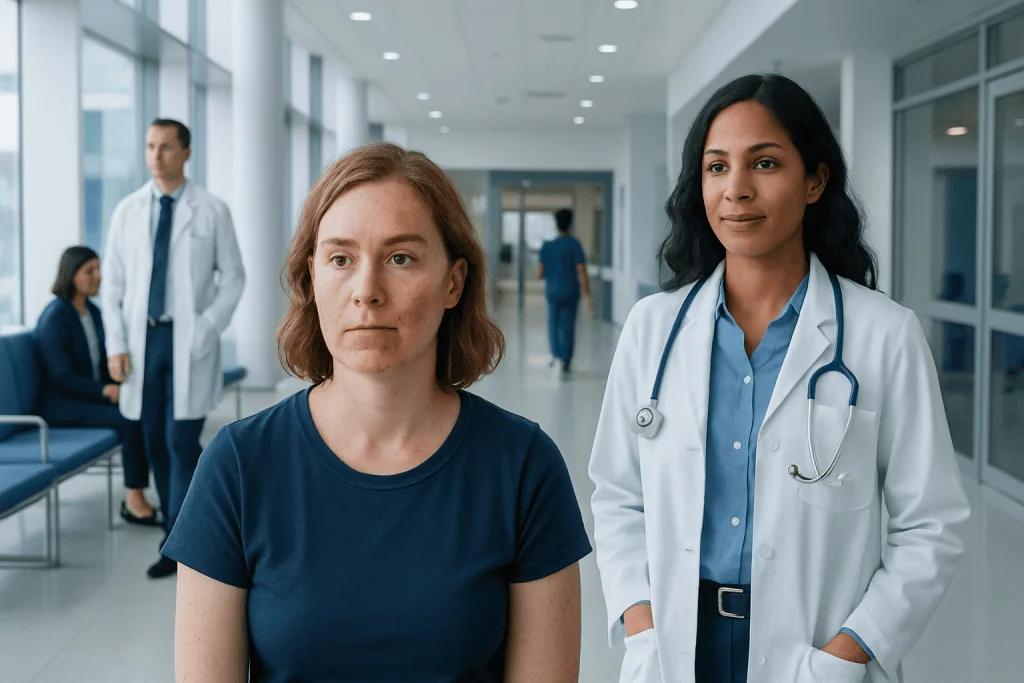
Inflammatory acne causes red, irritated, and sometimes painful breakouts rather than only blackheads or whiteheads. Hormones, excess oil, clogged pores, skin bacteria, friction, and some medicines can contribute to flare-ups.
Key Takeaways
- Inflammatory acne causes red, irritated, and sometimes painful breakouts rather than only blackheads or whiteheads.
- Hormones, excess oil, clogged pores, skin bacteria, friction, and some medicines can contribute to flare-ups.
- Early treatment may reduce the risk of dark marks, persistent redness, and scarring.
- Treatment depends on severity and may include topical medicines, oral therapies, and procedural care.
- Picking, harsh scrubbing, and overusing products can worsen inflammation and delay healing.
Inflammatory acne is a form of acne that causes red, swollen, and sometimes tender lesions such as papules, pustules, nodules, and cysts. It develops when clogged hair follicles trigger an immune response in the skin, and it can often be managed effectively with the right skin care and medical treatment.
Overview: What inflammatory acne means
Inflammatory acne is acne in which blocked pores become visibly inflamed. Instead of only small noninflamed comedones such as blackheads and whiteheads, the skin develops red or pink bumps, pus-filled spots, deeper tender lumps, or a combination of these. In simple terms, inflammatory acne is not just a surface problem of oil and clogged pores; it also involves the skin’s immune response.
This type of acne commonly appears on the face, chest, shoulders, and back, where oil glands are more active. It can affect teenagers and adults, and it may vary from mild scattered papules to more severe nodules and cysts. People with darker skin tones may also notice post-inflammatory hyperpigmentation, meaning dark marks that remain after the acne settles.
Medical evidence shows that acne develops through several connected processes: increased oil production, buildup of dead skin cells inside pores, growth of Cutibacterium acnes within follicles, and inflammation. That is why inflammatory acne often needs a more structured approach than home remedies or popular myths suggest. It may overlap with other acne patterns, including acne in general and deeper cystic acne in more severe cases.
How it looks and feels
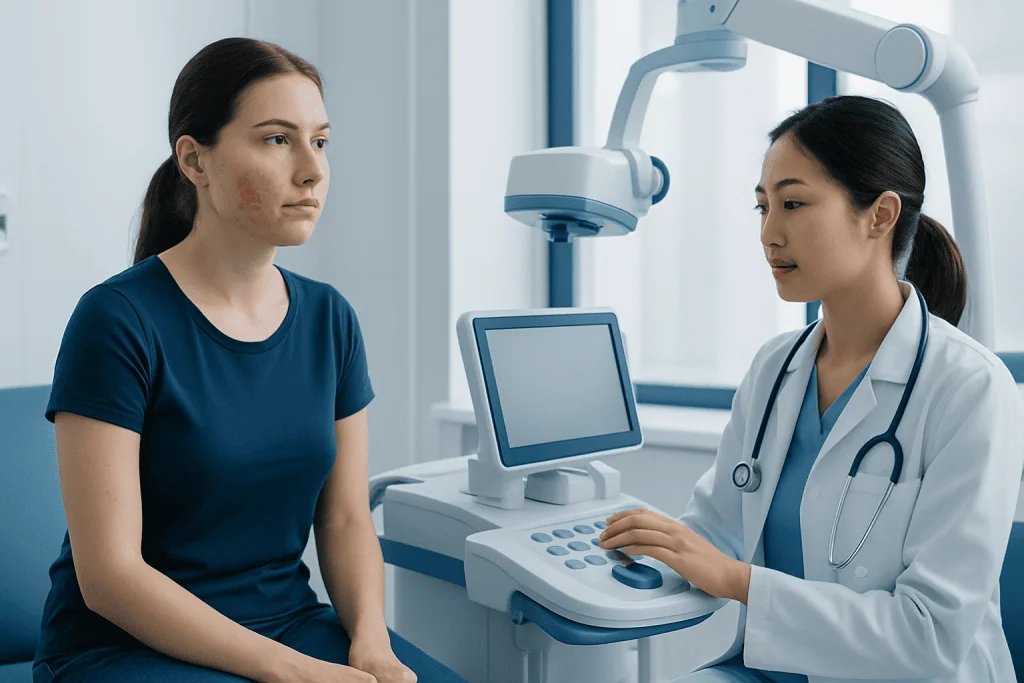
Inflammatory acne can look different from person to person. The most common lesions are papules, which are small red raised bumps, and pustules, which are similar bumps with visible pus near the surface. In more severe cases, nodules and cysts form deeper under the skin and can be painful or long-lasting.
Unlike noninflammatory acne, these lesions often feel warm, tender, or sore. The surrounding skin may appear swollen, irritated, and sensitive to touch. Some breakouts heal quickly, while others persist for weeks and may leave temporary discoloration or scars.
Common signs include:
- Red, swollen bumps on the face, chest, shoulders, or back
- Pus-filled spots that may resemble “whiteheads” but are inflamed
- Deeper painful lumps under the skin
- Breakouts that recur in the same areas
- Dark marks or redness left after lesions improve
Inflammatory acne can also affect emotional well-being. Because lesions are more visible and sometimes painful, people may feel self-conscious or frustrated, especially if myths about hygiene or diet make them feel blamed. In reality, inflammatory acne is a medical skin condition, not a sign of poor cleanliness.
Why inflammatory acne happens
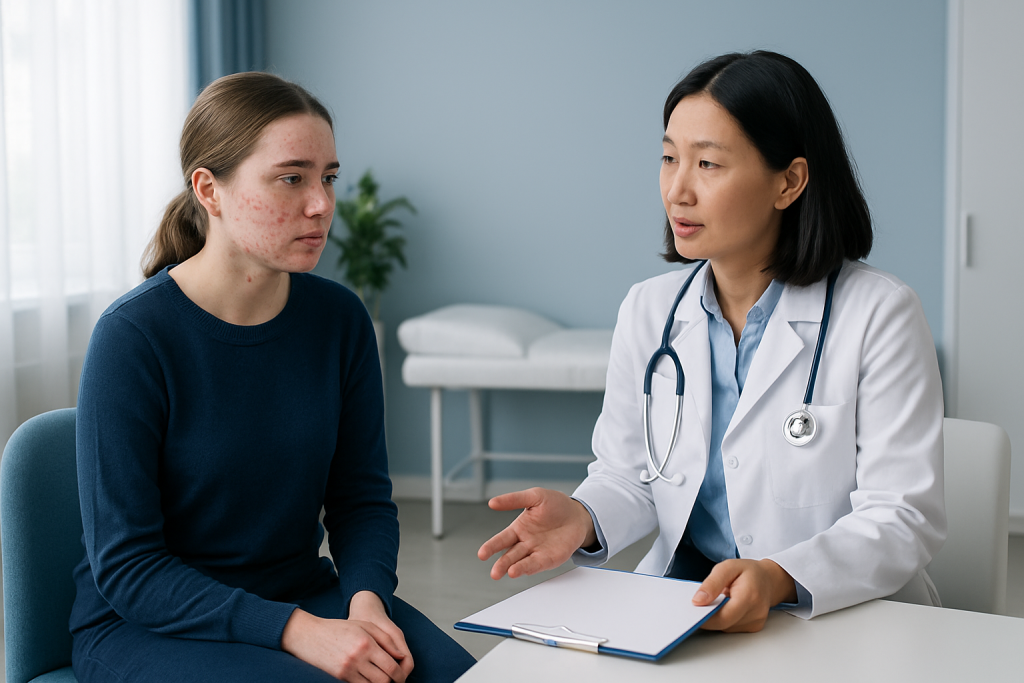
Inflammatory acne begins when a hair follicle becomes clogged with oil and dead skin cells. If the follicle wall stretches or breaks, its contents can leak into nearby skin and trigger inflammation. The body then sends immune cells to the area, which leads to redness, swelling, and tenderness.
Hormones are one of the most important influences. Androgens can increase oil production, which helps explain why acne often flares during puberty, around menstruation, or with certain hormonal conditions. Family history also matters, suggesting that genetics affect how the skin makes oil, sheds cells, and responds to inflammation.
Other factors can worsen inflammatory acne without being the sole cause. These include friction from helmets or tight clothing, heavy or pore-clogging cosmetics, humid environments, stress, and some medications such as corticosteroids or certain hormone-related drugs. High-glycemic dietary patterns and some dairy products may aggravate acne in some people, but they are not universal triggers and should be considered in context rather than blamed automatically.
Several common myths are not supported by evidence. Acne is not caused by being “dirty,” and aggressive scrubbing usually irritates the skin more. Sun exposure does not treat acne safely and may increase pigmentation changes or skin damage. Toothpaste, lemon juice, and similar home remedies can also irritate the skin barrier and make inflammation worse.
Who is more likely to develop it
Inflammatory acne can affect almost anyone, but some people are more prone to it. Teenagers and young adults are commonly affected because hormonal changes increase oil gland activity. However, adult acne is also common, especially in women, and may continue or begin later in life.
Certain patterns raise the likelihood of persistent or more severe disease. A strong family history, oily skin, hormone fluctuations, and previous scarring can all point to a higher-risk pattern. People who regularly use occlusive skin or hair products may also notice acne in specific areas such as the forehead, jawline, chest, or back.
Risk factors and aggravating influences include:
- Puberty and hormonal shifts
- Menstrual-cycle related flares
- Family history of moderate or severe acne
- Use of heavy skin, makeup, or hair products
- Friction from masks, sports gear, or tight clothing
- Stress and disrupted routines that affect skin care consistency
In some adults, especially when breakouts are sudden, severe, or associated with irregular periods or excess hair growth, a doctor may consider whether an underlying hormonal issue is contributing. This does not mean there is always a serious problem, but it can be helpful to evaluate when acne does not follow a typical pattern.
How doctors diagnose inflammatory acne
Inflammatory acne is usually diagnosed through a clinical skin examination. A doctor assesses the type of lesions present, where they appear, how long they have been occurring, and whether there is scarring, pigment change, or signs of other skin conditions. Tests are often unnecessary for straightforward cases.
The main goal of diagnosis is not simply to label acne, but to understand its severity and pattern. Mild inflammatory acne may be treated very differently from widespread nodules or cysts. Doctors also ask about current skin care, cosmetics, medications, menstrual history when relevant, and anything that seems to trigger or worsen flares.
Sometimes other conditions can look similar, such as folliculitis, rosacea, perioral dermatitis, or acne caused by certain medications. A careful evaluation helps distinguish among these. If acne is severe, resistant to treatment, or associated with possible hormonal symptoms, additional blood tests or referrals may be considered based on the individual clinical picture.
Photographs over time can also be useful. Because acne often changes gradually, comparing flare patterns and response to treatment can help guide next steps and keep expectations realistic.
Treatment options supported by medical evidence
Treatment for inflammatory acne depends on severity, location, skin sensitivity, and the risk of scarring. For many people, the foundation includes gentle cleansing, non-comedogenic moisturizers and sunscreen, and prescription or over-the-counter topical treatments. Common topical options include benzoyl peroxide, retinoids, and in some cases topical antibiotics used appropriately and often in combination to reduce antibiotic resistance concerns.
When acne is more widespread, painful, or leaving marks, oral treatment may be needed. Doctors may use oral antibiotics for limited periods, hormonal treatment in selected patients, or isotretinoin for severe, scarring, or treatment-resistant acne. These choices require individualized assessment because benefits, side effects, pregnancy considerations, and monitoring needs differ from person to person.
Procedural care may also have a role, especially when deeper lesions or scarring are present. Dermatologists may consider options such as drainage of selected lesions, chemical peels, light-based therapies, or scar-focused treatments after active inflammation is controlled. Patients seeking specialized evaluation may be referred for dermatology care and, when appropriate, broader skin disease treatment.
One important point is patience. Even effective acne treatment usually takes several weeks to show visible improvement, and full benefit may take longer. Stopping too early or switching products too often is a common reason people feel nothing is working, when the skin may simply need more time and a clearer plan.
Self-care, prevention, and what may help between visits
Although acne cannot always be prevented completely, daily habits can reduce irritation and support treatment. A simple routine is usually best: wash gently once or twice daily, avoid scrubbing, use non-comedogenic skin and hair products, and remove makeup before sleep. Moisturizer is still important, especially when prescription acne treatments cause dryness or peeling.
Picking or squeezing lesions is one of the most common reasons for prolonged inflammation and scarring. It can push material deeper into the skin, delay healing, and increase the chance of marks afterward. For body acne, changing out of sweaty clothes, showering after exercise, and reducing friction from backpacks or tight athletic gear may help.
Supportive self-care measures include:
- Using fragrance-free, non-comedogenic cleansers and moisturizers
- Applying sunscreen daily to help reduce post-acne darkening
- Introducing active products gradually to limit irritation
- Cleaning sports equipment, pillowcases, and makeup tools regularly
- Tracking possible personal triggers without over-restricting diet unnecessarily
If acne has already left scars or persistent marks, treatment may shift after inflammation is controlled. In selected cases, doctors may discuss acne scar treatment or other procedural options. Near the end of the care pathway, some international patients may choose assessment at Acibadem International, where multidisciplinary specialists in JCI-accredited hospitals diagnose and treat skin conditions including inflammatory acne.
When to seek medical care
Medical care is worth seeking if inflammatory acne is painful, widespread, leaving dark marks, or starting to scar. It is also sensible to see a doctor if over-the-counter products have not helped after several weeks, or if the skin becomes very dry, burning, or irritated from self-treatment. Early care can improve comfort and may reduce the chance of long-term skin changes.
A prompt medical review is especially important for deep nodules or cysts, sudden severe flare-ups, or acne that affects confidence, sleep, or daily life. Adults with new acne plus irregular periods, significant hair growth changes, or other hormonal symptoms should also be assessed. Children with very early severe acne may need specialist evaluation as well.
People should seek urgent advice if they develop signs of an allergic reaction to a product or medicine, or if a skin infection seems possible. A doctor can confirm the diagnosis, tailor treatment to skin type and severity, and decide whether specialist care such as dermatology care is the best next step.
Frequently asked questions
What is the difference between inflammatory acne and regular acne?
Inflammatory acne is a subtype of acne in which lesions are red, swollen, and often tender because the immune system is reacting inside the skin. “Regular acne” is often used more broadly and may include noninflamed blackheads and whiteheads as well as inflamed spots.
Can inflammatory acne go away on its own?
Mild cases may improve over time, especially if triggers are reduced and the skin is treated gently. However, ongoing inflammatory acne often persists without targeted treatment and may leave marks or scars, so medical advice can be helpful if it is not settling.
Does diet cause inflammatory acne?
Diet is not the sole cause of inflammatory acne. Some people notice worsening with high-glycemic foods or certain dairy products, but effects vary and should be assessed individually rather than assumed for everyone.
Is inflammatory acne the same as cystic acne?
Not exactly. Cystic acne is one of the more severe forms within the inflammatory acne spectrum and involves deeper, painful lesions under the skin. Inflammatory acne can also include milder papules and pustules.
Why do acne marks remain after the bumps heal?
Inflammation can trigger changes in skin pigment and blood vessels, leaving dark marks, redness, or both after the active lesion improves. These changes often fade gradually, but they can last for months and are more likely when lesions are picked or deeply inflamed.
When should someone see a dermatologist for inflammatory acne?
A dermatologist should be considered if acne is painful, widespread, recurring, resistant to over-the-counter treatment, or causing scars or emotional distress. Specialist care is also useful when the diagnosis is uncertain or when stronger prescription treatment may be needed.
References
- American Academy of Dermatology
- National Institute of Arthritis and Musculoskeletal and Skin Diseases
- National Health Service
- Mayo Clinic
- British Association of Dermatologists
This article is for general information only and is not a substitute for professional medical advice. Please consult a qualified doctor about your individual situation.
Acne in Turkey — costs, top hospitals & a free quote
JCI-accredited · board-certified surgeons · reply within 24h