Can Stress Make You Sick? A Doctor-Reviewed Answer

Stress can cause real physical symptoms, including headaches, stomach upset, fatigue, muscle tension, and palpitations. In many cases, stress-related symptoms improve when the stressor eases and healthy routines are restored.
Key Takeaways
- Stress can cause real physical symptoms, including headaches, stomach upset, fatigue, muscle tension, and palpitations.
- In many cases, stress-related symptoms improve when the stressor eases and healthy routines are restored.
- Doctors may evaluate symptoms to rule out infections, heart problems, thyroid disorders, digestive disease, and other conditions.
- Emergency symptoms such as chest pain, trouble breathing, fainting, or weakness on one side need urgent medical care.
- Sleep, exercise, breathing techniques, counseling, and treatment of underlying conditions can all help.
Yes, stress can make a person feel physically unwell, and this is often harmless and temporary. However, stress-related symptoms can overlap with other medical conditions, so persistent, severe, or unusual symptoms should be medically reviewed.
Overview: Can Stress Really Make a Person Sick?
Yes. Stress can make a person feel sick, both emotionally and physically. In everyday life, this is very common and often short-lived: a busy period at work, family strain, poor sleep, or ongoing worry can lead to headaches, nausea, fatigue, stomach discomfort, muscle pain, or a racing heartbeat.
This happens because stress is not “just in the mind.” When the body perceives pressure or threat, it releases stress hormones and activates the nervous system. These changes can affect the heart rate, breathing, digestion, sleep, immune function, and even how strongly pain is felt.
Most stress-related symptoms are not dangerous and improve when the stress load decreases or coping habits improve. Still, because stress can mimic or worsen many medical conditions, symptoms that are intense, persistent, or new should not automatically be blamed on stress alone.
A practical way to think about it is this: stress may explain symptoms, but it should not prevent a proper assessment when warning signs are present. A doctor can help decide whether symptoms fit a stress response, an underlying illness, or both.
How Stress Affects the Body
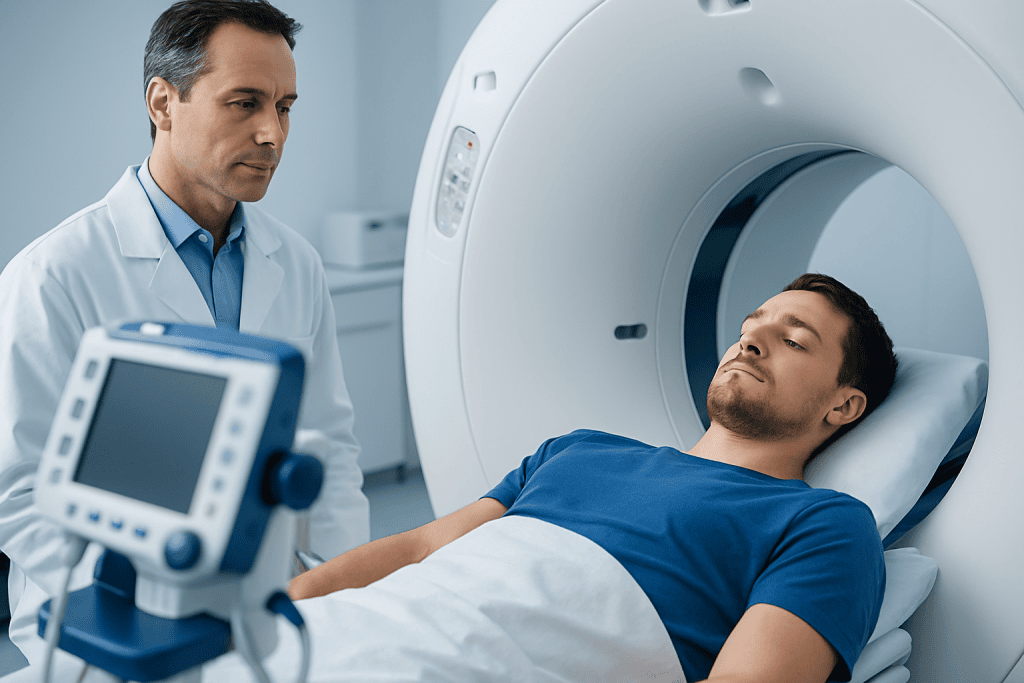
When a person is under stress, the brain signals the body to enter a heightened state of alert. Adrenaline and cortisol increase, the heart may beat faster, muscles tense, and breathing can become quicker or shallower. This is useful in the short term, but if it continues for days or weeks, it can begin to feel exhausting.
Stress also influences the digestive tract, which is closely connected to the nervous system. Some people notice nausea, bloating, diarrhea, constipation, loss of appetite, or cramping during stressful periods. In others, stress may worsen symptoms of existing digestive conditions, including acid reflux or irritable bowel symptoms.
The immune system can be affected as well. Stress does not directly “cause” every illness, but ongoing stress may make the body less resilient and can contribute to poor sleep, unhealthy eating, or skipped exercise, which together may increase vulnerability to feeling unwell.
Long-term stress can also amplify inflammation, pain sensitivity, and recovery time. That is one reason people sometimes notice flare-ups of headaches, neck pain, skin problems, fatigue, or poor concentration during difficult periods.
Common Physical Symptoms of Stress
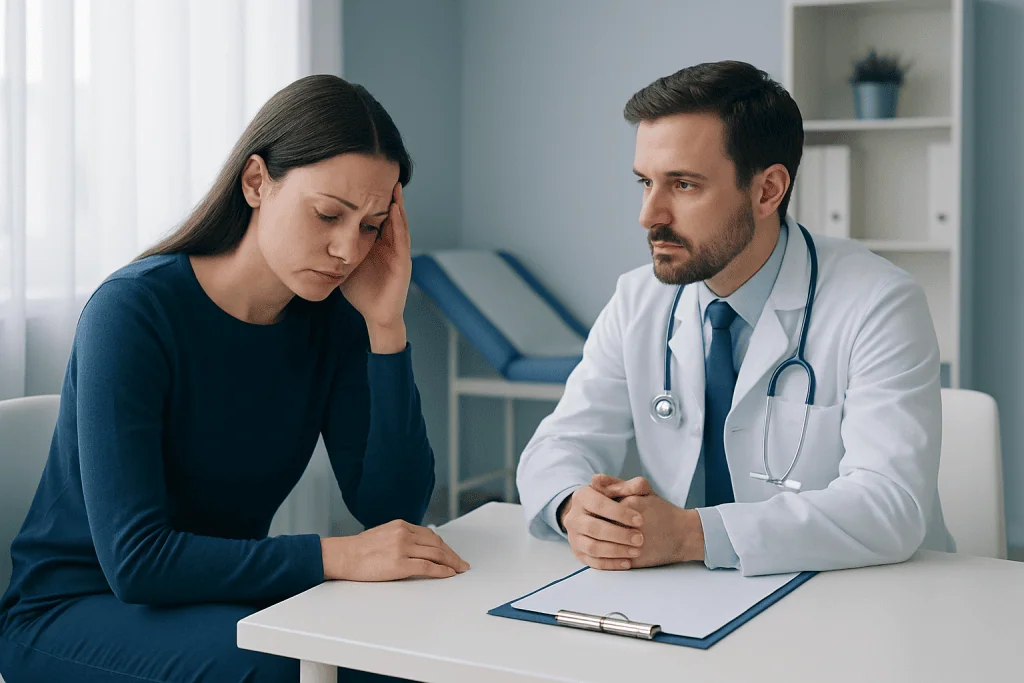
Stress can produce a wide range of symptoms, and the pattern differs from person to person. Some feel mostly physical symptoms, while others notice emotional changes first. Many experience a combination of both.
Common physical symptoms include:
- Headaches or pressure in the head
- Muscle tension, jaw clenching, neck or back pain
- Fast heartbeat, awareness of the heartbeat, or mild palpitations
- Chest tightness linked to anxiety or shallow breathing
- Nausea, indigestion, bloating, diarrhea, or constipation
- Fatigue, poor sleep, or waking unrefreshed
- Dizziness, shakiness, sweating, or trembling
- Reduced appetite or stress eating
Emotional and cognitive symptoms often happen alongside these physical effects. A person may feel restless, irritable, overwhelmed, tearful, forgetful, or unable to focus. If panic is part of the picture, symptoms can feel sudden and intense, sometimes resembling a heart or breathing problem.
Because symptoms such as chest discomfort, palpitations, abdominal pain, and dizziness can overlap with medical illness, self-diagnosis is not always reliable. A doctor may need to evaluate the symptoms before concluding stress is the main cause.
When It May Be More Than Stress
Although stress is a frequent explanation for feeling unwell, it should not be used to dismiss serious symptoms. Medical review is especially important if symptoms are new, are getting worse, are interfering with daily life, or do not improve after the stressful period passes.
Red flags that need prompt or urgent attention include chest pain, shortness of breath, fainting, severe dehydration, high fever, confusion, blood in vomit or stool, sudden weakness or numbness, trouble speaking, severe headache unlike usual headaches, or significant unexplained weight loss. Symptoms such as persistent palpitations, repeated vomiting, black stools, or one-sided weakness should never be assumed to be stress-related.
It is also wise to speak with a doctor if stress seems to be triggering recurrent symptoms such as severe headaches, frequent stomach pain, insomnia, or panic episodes. In some people, stress can coexist with conditions such as migraine or heart rhythm symptoms, and both parts of the problem may need attention.
If stress is leading to hopelessness, panic, inability to function, or thoughts of self-harm, mental health care is urgent. Emotional suffering deserves the same seriousness and support as physical illness.
How Doctors Diagnose Stress-Related Symptoms
Doctors usually begin with a detailed history. They ask when the symptoms started, how often they happen, what they feel like, what makes them better or worse, and whether there have been recent stressors such as work pressure, caregiving, grief, illness, travel, or poor sleep. They also ask about medications, caffeine, alcohol, smoking, and any past medical or mental health conditions.
A physical examination helps identify clues that point toward or away from a medical problem. Depending on the symptoms, the doctor may check blood pressure, heart rate, temperature, breathing, hydration, abdominal tenderness, muscle tension, neurological function, and signs of thyroid, heart, or lung disease.
Tests are guided by the symptom pattern rather than ordered routinely for everyone. For example, a doctor may request blood tests, thyroid testing, an electrocardiogram, imaging, stool tests, or referral to a specialist if there are warning signs or persistent symptoms. Someone with digestive complaints might be assessed with gastroenterology evaluation, while a patient with ongoing palpitations or chest symptoms may need cardiology assessment.
The goal is not only to rule out serious illness but also to recognize when stress is playing a meaningful role. Reassurance is most helpful when it follows an appropriate assessment, not when symptoms are simply labeled as anxiety without evaluation.
Treatment and Symptom Relief
Treatment depends on what is causing the symptoms. If doctors identify an underlying medical condition, that condition is treated directly. If symptoms are primarily stress-related, care often focuses on calming the stress response, improving recovery habits, and addressing any anxiety, depression, sleep problems, or burnout that may be contributing.
Simple measures can make a noticeable difference: regular sleep, consistent meal times, enough fluids, reducing excess caffeine, daily movement, and limiting alcohol and nicotine. Breathing exercises, mindfulness, stretching, and short breaks during the day can reduce physical tension and help settle symptoms such as shakiness or a racing heartbeat.
When symptoms are frequent or disruptive, structured support may help. This can include counseling, cognitive behavioral therapy, stress-management training, or treatment for anxiety or depression when appropriate. For some people, specialist input is useful—for example, neurology evaluation for recurrent headaches or dizziness when the diagnosis is uncertain.
Near the end of the care pathway, some patients benefit from coordinated support across specialties. Acibadem International’s multidisciplinary specialists and JCI-accredited hospitals diagnose and treat stress-related symptoms as well as the medical conditions that can resemble them in international patients.
Prevention and Daily Self-Care
Stress cannot always be avoided, but its health effects can often be reduced. A regular routine helps the body feel safer and steadier: going to bed at similar times, eating balanced meals, moving the body most days, and building in brief recovery periods all support the nervous system.
It also helps to identify personal triggers. Some people notice symptoms after conflict, deadlines, poor sleep, social overload, or too much caffeine. Keeping a short symptom diary can show patterns and make it easier to discuss them with a doctor.
Healthy coping strategies are usually more effective than trying to ignore stress. Useful options include talking with a trusted person, practicing guided breathing, limiting constant news or screen exposure, setting boundaries, and making time for restorative activities. Small changes done consistently often work better than occasional major efforts.
If self-care is not enough, that is not a failure. Ongoing symptoms may mean the stress burden is too high, a mental health condition is present, or another medical issue needs treatment. Seeking help early can prevent symptoms from becoming more disruptive.
When to Seek Medical Care
Medical care is recommended if symptoms last more than a few weeks, return often, disrupt sleep, affect work or family life, or cause concern even if they seem stress-related. A person should also arrange a review if they have a history of heart disease, lung disease, thyroid problems, diabetes, or digestive disease, as stress can overlap with these conditions.
Urgent care is needed for chest pain, difficulty breathing, fainting, severe weakness, confusion, sudden severe headache, seizure, severe abdominal pain, signs of stroke, or heavy bleeding. These symptoms should not be watched at home while assuming stress is the cause.
Doctors can help by separating common stress effects from illnesses that need treatment, explaining what tests are appropriate, and creating a plan to relieve symptoms safely. If symptoms include severe anxiety, panic, or low mood, both physical and mental health support may be part of the best approach.
In many people, the answer to “can stress make you sick?” is yes—but it is also treatable, manageable, and worth discussing with a qualified clinician when symptoms persist or feel unusual.
Frequently asked questions
Can stress cause flu-like symptoms?
Stress can cause fatigue, body tension, poor sleep, and a general run-down feeling that may resemble mild flu-like symptoms. However, fever, cough, sore throat, or clear signs of infection should not be assumed to be stress and may need medical evaluation.
Can stress make the stomach feel sick?
Yes. Stress commonly affects digestion and may lead to nausea, cramping, bloating, diarrhea, constipation, or loss of appetite. If stomach symptoms are severe, persistent, or associated with blood, vomiting, or weight loss, a doctor should assess them.
How long can stress-related physical symptoms last?
Some symptoms last only hours or days, while others continue for weeks if the stressor is ongoing and recovery is limited. If symptoms are not improving, are recurring often, or are affecting daily life, medical advice is a good next step.
Can stress weaken the immune system?
Long-term stress may affect immune function and reduce resilience, especially when it also disrupts sleep, nutrition, and exercise. It does not explain every illness, but it can contribute to feeling unwell and recovering more slowly.
How can a person tell if symptoms are from stress or something else?
It is not always possible to tell without a medical assessment, because stress can mimic many health problems. Doctors look at the timing, triggers, physical exam findings, and whether tests are needed to rule out other causes.
What are the fastest ways to feel better when stress causes physical symptoms?
Short-term relief may come from slow breathing, hydration, reducing caffeine, light movement, and stepping away from the trigger if possible. Longer-lasting improvement usually depends on sleep, routine, stress-management skills, and treatment of any underlying medical or mental health issue.
References
- World Health Organization
- National Institute of Mental Health
- American Psychological Association
- Centers for Disease Control and Prevention
- National Health Service
This article is for general information only and is not a substitute for professional medical advice. Please consult a qualified doctor about your individual situation.
Persistent digestive symptoms? Get evaluated in Turkey
JCI-accredited · board-certified surgeons · reply within 24h
Check your numbers in seconds
BMI, calories, due date, blood pressure and 30+ more clinical calculators — free, instant, doctor-reviewed ranges.