Herniorrhaphy: An Evidence-Based Guide for Patients

Herniorrhaphy is a surgical repair for hernias and may be done with stitches, mesh, or minimally invasive techniques. Not every hernia needs immediate surgery, but painful, enlarging, or complicated hernias should be assessed promptly.
Key Takeaways
- Herniorrhaphy is a surgical repair for hernias and may be done with stitches, mesh, or minimally invasive techniques.
- Not every hernia needs immediate surgery, but painful, enlarging, or complicated hernias should be assessed promptly.
- Open, laparoscopic, and robotic approaches may all be used depending on the hernia type, patient health, and surgeon expertise.
- Recovery varies, but many patients return to light activities within days to weeks while avoiding heavy strain for longer.
- Urgent medical care is needed if a hernia becomes suddenly painful, firm, discolored, or cannot be pushed back in.
Herniorrhaphy is an operation used to repair a hernia by moving protruding tissue back into place and reinforcing the weakened muscle or tissue wall. For many patients, it is a safe and effective way to relieve symptoms, prevent complications, and support a return to normal daily activities.
Overview: what herniorrhaphy means
Herniorrhaphy is a surgical procedure that repairs a hernia. A hernia happens when an organ or fatty tissue pushes through a weak spot in muscle or connective tissue, creating a bulge that may become more noticeable with standing, coughing, or lifting. In herniorrhaphy, the surgeon returns the protruding tissue to its proper place and strengthens the weakened area to reduce the chance of the hernia coming back.
The term is often used alongside “hernia repair” and sometimes overlaps with “hernioplasty.” In everyday patient education, these terms usually refer to the same general goal: repairing the defect in the abdominal wall or groin. Some repairs rely mainly on sutures, while many modern operations also use surgical mesh to reinforce the area.
Herniorrhaphy can be performed for several hernia types, including inguinal, femoral, umbilical, incisional, and some ventral hernias. The best approach depends on the location and size of the hernia, whether it has recurred, the patient’s age and overall health, and whether symptoms interfere with daily life. Many people undergoing herniorrhaphy do well and recover with a clear plan for activity, pain control, and follow-up.
Why herniorrhaphy is done
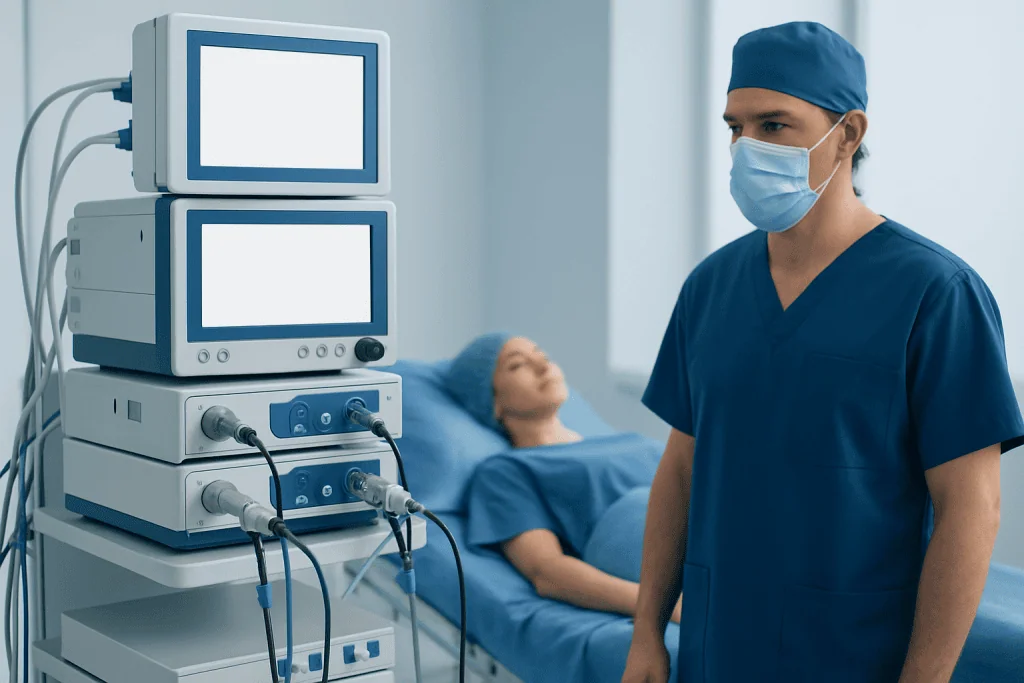
The main reasons for herniorrhaphy are to relieve symptoms and prevent complications. A hernia may cause aching, pressure, heaviness, or a visible bulge that becomes uncomfortable during movement or exercise. Some hernias remain mild for a long time, while others gradually enlarge or begin to affect work, sleep, or mobility.
In certain cases, surgery is recommended because the hernia is at risk of becoming trapped. When herniated tissue cannot move back into the abdomen, it is called incarceration. If blood supply becomes reduced, the problem may progress to strangulation, which is a medical emergency. Herniorrhaphy helps lower these risks by repairing the opening before serious complications develop.
Not all hernias require immediate surgery. For example, some small, minimally symptomatic groin hernias may be monitored under medical guidance. However, a watchful waiting approach is not suitable for everyone. Decisions about timing are based on symptoms, examination findings, imaging when needed, and the patient’s preferences after discussing risks and benefits with a qualified surgeon.
Common symptoms and types of hernia
The symptoms leading to herniorrhaphy depend on the hernia type. The most familiar sign is a soft or firm bulge, often in the groin or near the navel. Some patients notice discomfort only when coughing, bending, exercising, or lifting. Others experience a pulling sensation, pressure, burning, or pain that improves when lying down.
Groin hernias are among the most common. An inguinal hernia develops in the groin and may extend toward the scrotum in men. A femoral hernia also appears lower in the groin and is often smaller but may carry a higher risk of complications. Hernias can also occur at the belly button, after abdominal surgery, or in the abdominal wall itself. Related background information may be helpful for patients with hernia or inguinal hernia.
Symptoms that should never be ignored include sudden severe pain, nausea, vomiting, abdominal swelling, a bulge that becomes hard or tender, and a hernia that cannot be gently reduced. Skin color changes over the bulge, such as redness or darkening, also need urgent assessment. These features can suggest obstruction or strangulation and require immediate medical attention.
Causes, risk factors, and who may need surgery
Hernias usually develop because a natural or acquired weak point in tissue is exposed to pressure from inside the abdomen. That pressure can rise during heavy lifting, chronic coughing, constipation with straining, pregnancy, obesity, or repeated physical exertion. Some people are born with areas that are more prone to weakness, while others develop hernias later in life as tissues change with age or after surgery.
Several factors can make herniorrhaphy more likely. These include male sex for inguinal hernias, previous hernia repair, smoking, poor wound healing, connective tissue disorders, and medical conditions that increase abdominal pressure. Prior abdominal operations can also contribute to incisional hernias, which occur at or near a previous scar.
Doctors consider surgery when a hernia causes pain, enlarges over time, limits activities, or has features suggesting a higher risk of trapping. They also consider the patient’s broader health picture, including heart and lung conditions, medications such as blood thinners, and any history of complications with anesthesia. The goal is to repair the hernia at a time that is both medically appropriate and practical for the patient.
How herniorrhaphy is diagnosed and planned
Diagnosis often starts with a medical history and physical examination. A doctor may ask when the bulge first appeared, what makes it worse, whether it can be pushed back in, and whether symptoms affect bowel function, exercise, or work. During the exam, the patient may be asked to stand, cough, or strain gently so the hernia becomes easier to detect.
Imaging is not always necessary, but it can be useful when the diagnosis is uncertain, the hernia is small, or symptoms are not explained by the physical exam alone. Ultrasound is often used for groin hernias, while CT or MRI may be considered in more complex or recurrent cases. Imaging can also help clarify the anatomy before surgery.
Preoperative planning includes choosing the most suitable repair method and reviewing medical conditions that may affect anesthesia or healing. Patients may have blood tests or other assessments depending on age, medications, and overall health. If surgery is recommended, the team explains what type of herniorrhaphy is planned, how pain will be managed, what restrictions to expect afterward, and what symptoms should prompt follow-up.
Treatment options: open, laparoscopic, and mesh repair
Herniorrhaphy can be performed using different techniques. In an open repair, the surgeon makes an incision over the hernia, returns the tissue to its normal position, and closes or reinforces the defect. This may be done with sutures alone in selected cases, but many repairs use mesh to support the area and reduce tension on the tissues. For many patients, this approach is familiar, effective, and well studied.
Minimally invasive herniorrhaphy uses small incisions and a camera-based technique. A laparoscopic surgery approach may be especially helpful in some bilateral hernias, recurrent hernias after previous open repair, or situations where a faster return to certain activities is desired. Some centers also offer robotic surgery for selected hernia repairs. The best technique depends on the hernia type, the surgeon’s experience, and the patient’s medical needs rather than on any single method being ideal for everyone.
When mesh is used, patients often want to know whether it is necessary. Mesh is commonly used because it can reinforce the weak area and lower recurrence risk in many adult hernias. However, treatment is individualized. The surgeon explains whether mesh is appropriate, what the alternatives are, and what possible risks and benefits apply in that specific case. In broader surgical care planning, some patients may also encounter services related to general surgery for hernia assessment and repair.
Possible risks of herniorrhaphy include bleeding, infection, fluid collection, temporary urinary difficulty, pain, numbness, recurrence, and complications related to anesthesia. Serious problems are uncommon, but all surgery carries some risk. A careful discussion before the operation helps patients make an informed decision and understand how those risks are minimized.
Recovery, self-care, and prevention after surgery
Recovery after herniorrhaphy varies by the repair type, the size of the hernia, and the patient’s overall health. Many people go home the same day, especially after straightforward groin or umbilical hernia repair. Mild soreness, bruising, and a feeling of tightness are common at first. Walking is usually encouraged early because it supports circulation and gradual recovery.
Patients are typically advised to avoid heavy lifting and strenuous abdominal strain for a period recommended by their surgeon. Even when movement feels easier within a few days, tissues need time to heal. Following instructions about wound care, bathing, pain medicines, bowel management, and activity progression can make recovery smoother and help reduce complications.
Long-term self-care focuses on lowering pressure on the repaired area and supporting overall tissue health. Helpful steps may include maintaining a healthy weight, treating constipation, using correct lifting technique, stopping smoking, and managing chronic cough. These measures cannot guarantee that a hernia will never recur, but they may reduce strain on the abdominal wall. Near the end of treatment planning, some international patients may choose evaluation at Acibadem International, where multidisciplinary specialists in JCI-accredited hospitals diagnose and treat hernias and related surgical conditions.
When to seek medical care
Medical review is important if a new bulge appears in the groin, abdomen, or around a previous surgical scar, especially if it is painful or growing. A planned surgical consultation is also appropriate when discomfort affects exercise, work, sleep, or daily movement, even if the hernia can still be pushed back in. Early assessment often allows a broader discussion of treatment choices before complications arise.
Urgent care is needed if the hernia becomes suddenly more painful, firm, red, dark, or impossible to reduce. Nausea, vomiting, fever, severe abdominal pain, abdominal swelling, or inability to pass stool or gas may suggest incarceration, bowel obstruction, or strangulation. These symptoms should be treated as an emergency rather than monitored at home.
After herniorrhaphy, patients should contact their doctor if they develop worsening pain, persistent vomiting, increasing redness or drainage from the incision, fever, new swelling that grows quickly, or any concern about the wound or return of the bulge. Prompt follow-up can identify common postoperative issues early and provide reassurance when healing is proceeding normally.
Frequently asked questions
Is herniorrhaphy the same as hernia repair?
In patient education, herniorrhaphy usually means hernia repair surgery. The goal is to return the protruding tissue to its proper place and strengthen the weak area. Some clinicians use related terms such as hernioplasty, especially when mesh reinforcement is involved.
Does every hernia need herniorrhaphy?
No. Some small hernias with few or no symptoms may be monitored under medical advice. Surgery is more likely to be recommended if the hernia is painful, enlarging, limiting activities, or at risk of becoming trapped.
How long does recovery from herniorrhaphy take?
Recovery depends on the hernia type, the surgical method, and the patient’s general health. Many people return to light daily activities within days to a couple of weeks, while heavier physical effort often needs more time. The surgeon’s specific instructions should guide the pace of recovery.
Is mesh always used in herniorrhaphy?
Not always. Mesh is commonly used in many adult hernia repairs because it can reinforce the area and reduce tension on tissues. In some situations, however, a suture-based repair may be considered more appropriate.
Can a hernia come back after herniorrhaphy?
Yes, recurrence is possible even after a well-performed repair. The risk depends on factors such as hernia type, surgical technique, wound healing, smoking, obesity, chronic cough, and heavy straining. Following postoperative advice may help lower the chance of recurrence.
What symptoms mean a hernia is an emergency?
A hernia needs urgent evaluation if it becomes suddenly painful, hard, discolored, or impossible to push back in. Nausea, vomiting, abdominal swelling, fever, or trouble passing stool or gas are also warning signs. These symptoms may suggest strangulation or bowel obstruction.
References
- National Institute of Diabetes and Digestive and Kidney Diseases
- American College of Surgeons
- National Health Service
- Society of American Gastrointestinal and Endoscopic Surgeons
- European Hernia Society
This article is for general information only and is not a substitute for professional medical advice. Please consult a qualified doctor about your individual situation.
Explore treatments in Turkey — costs, top hospitals & a free quote
JCI-accredited · board-certified surgeons · reply within 24h
Add us as a Preferred Source to see more of our trusted health content across Google Search, AI Overviews and Discover.

More from the Health Library

Keto Flu: An Evidence-Based Guide for Patients

Hypoechoic Nodule: What Patients Need to Know

Blue Poop: A Complete Medical Overview

Rose Oil: A Complete Medical Overview

Geneticist: What Patients Need to Know