Bloating During Ovulation Explained: Causes, Management, and When to See a Doctor

Bloating during ovulation is often a normal, short-lived menstrual cycle symptom. Hormone shifts, water retention, and bowel sensitivity can all contribute to ovulation bloating.
Key Takeaways
- Bloating during ovulation is often a normal, short-lived menstrual cycle symptom.
- Hormone shifts, water retention, and bowel sensitivity can all contribute to ovulation bloating.
- Symptoms usually last a short time and may improve with hydration, light movement, and balanced meals.
- Severe pain, one-sided pain, fever, vomiting, or persistent bloating are not typical and should be assessed by a doctor.
- Repeated mid-cycle symptoms may sometimes overlap with conditions such as ovarian cysts, endometriosis, or digestive disorders.
Bloating during ovulation is common and is often linked to temporary hormone changes, mild fluid retention, and normal pelvic activity around the release of an egg. In most cases it improves on its own within a day or two, but marked pain, swelling, or ongoing digestive symptoms may need medical evaluation.
Overview: Is bloating during ovulation normal?
Bloating during ovulation is usually normal. Many women notice a sense of fullness, mild abdominal swelling, tighter clothing, or a “puffy” feeling around the middle of the menstrual cycle, when an ovary releases an egg. This can happen even in otherwise regular cycles and does not automatically mean there is a health problem.
The reason it happens is often a combination of hormonal change, temporary fluid retention, and normal activity in the ovary and pelvis. Some women feel only slight pressure, while others notice changes in bowel habits, increased gas, or mild pelvic discomfort at the same time. These symptoms are commonly short-lived and tend to settle within 24 to 48 hours.
Because bloating is also a common digestive symptom, it can be hard to tell whether it is linked to ovulation or to food, stress, constipation, or an underlying condition. The timing can be a helpful clue. When bloating appears around the middle of the cycle and recurs in a similar pattern month to month, ovulation may be the most likely explanation.
What ovulation bloating feels like
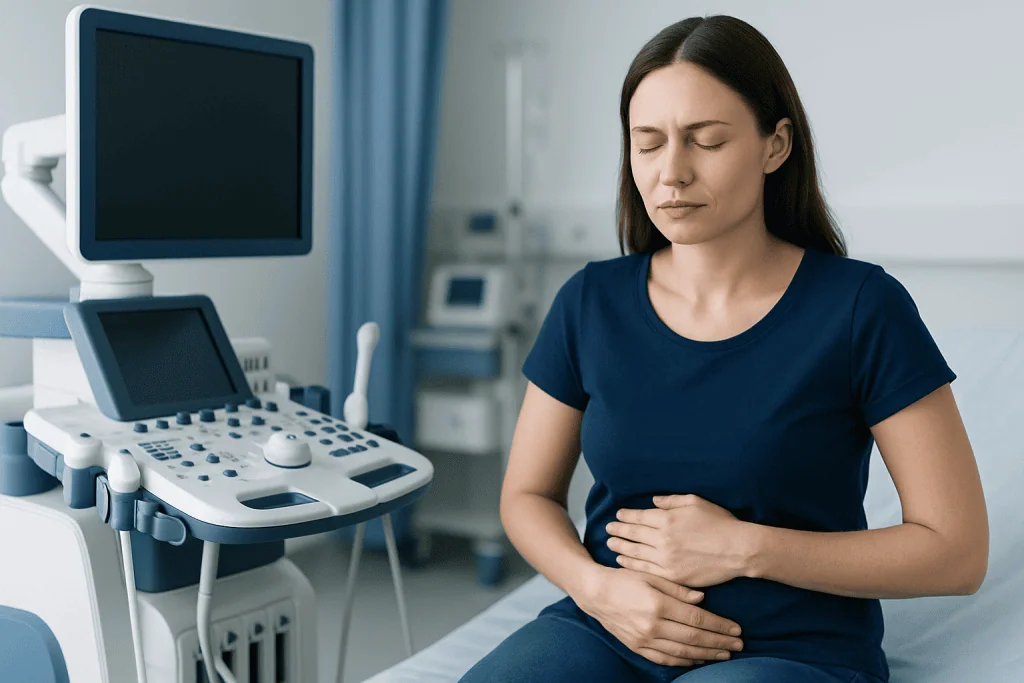
Ovulation bloating can feel different from person to person. Some describe it as a heavy or stretched feeling in the lower abdomen. Others notice visible abdominal puffiness, increased gassiness, or the sense that the stomach is more sensitive than usual. It may come with mild cramping, known as mid-cycle pain, and can affect one side of the pelvis more than the other.
This type of bloating is often milder than the bloating some women feel before a period. It may be accompanied by other ovulation signs such as clear, slippery cervical mucus, a rise in sexual desire, breast tenderness, or light spotting. A small number of women also notice temporary changes in appetite or bowel regularity.
Typical features of bloating during ovulation include:
- Symptoms beginning around the middle of the cycle
- Mild lower abdominal fullness or pressure
- Temporary swelling rather than ongoing abdominal enlargement
- Short duration, often one to two days
- Possible mild one-sided pelvic discomfort
If bloating lasts much longer, becomes progressively worse, or is not clearly linked with the cycle, another cause may need to be considered.
Why bloating can happen around ovulation
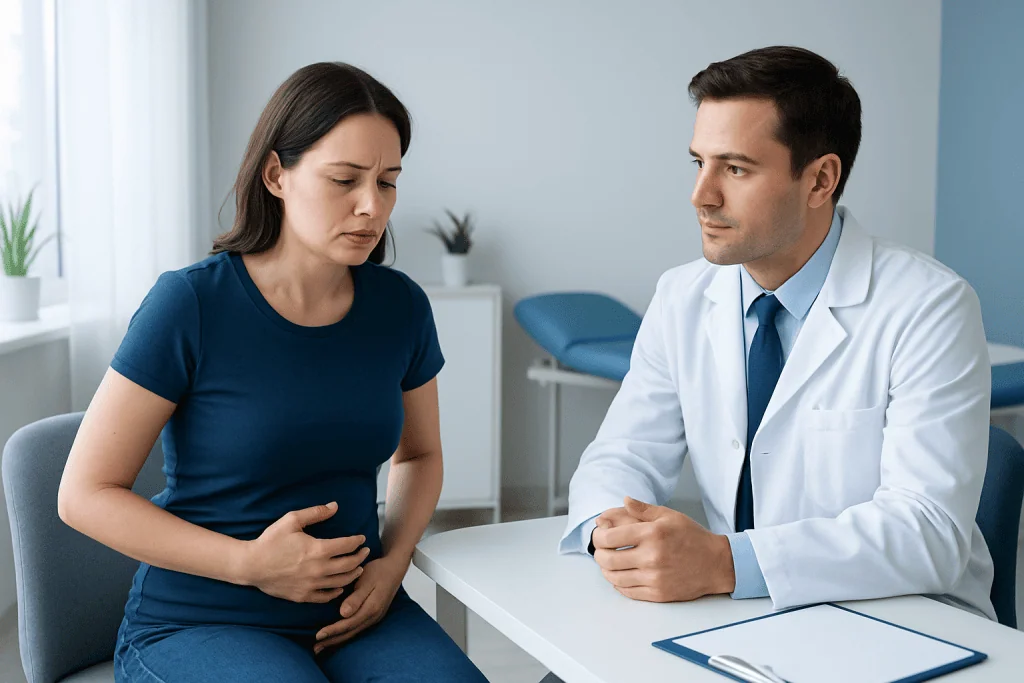
The menstrual cycle is driven by changing levels of estrogen, luteinizing hormone, and progesterone. Around ovulation, rising estrogen and the body’s inflammatory signaling related to follicle rupture may influence how fluid is distributed and how sensitive the digestive tract feels. Even subtle shifts can make the abdomen feel fuller than usual.
Another factor is the ovary itself. As a follicle grows and releases an egg, it can cause a brief local reaction in the pelvis. Some fluid may be released during ovulation, and the surrounding tissues can become more sensitive for a short period. This may contribute to pressure, cramping, or the feeling of bloating even when there is little visible swelling.
The gut can also play a role. Hormonal changes affect intestinal movement in some women, making them more prone to gas, constipation, or heightened awareness of normal digestive sensations. Stress, skipped meals, salty foods, and dehydration can make this worse, so the experience of ovulation bloating is often shaped by both reproductive and digestive factors.
Less often, what seems like ovulation bloating may overlap with another pelvic condition. Recurrent or stronger symptoms can sometimes occur with ovarian cysts or endometriosis, both of which may cause pelvic pain, fullness, and cycle-related discomfort.
Common triggers and factors that can make it worse
Some women are more likely to notice bloating during ovulation than others. A naturally more sensitive digestive system, irritable bowel symptoms, constipation, and stress can all increase awareness of abdominal pressure. Eating patterns also matter. Large meals, carbonated drinks, and high-salt or highly processed foods may increase fluid retention or gas at a time when the body is already more sensitive.
Hormonal birth control changes the ovulation pattern and may reduce ovulation symptoms in some women, while others may still notice cycle-related bloating depending on the method they use. For women who are not ovulating regularly, abdominal bloating may be less predictable and may not clearly follow a mid-cycle pattern.
Factors that may worsen ovulation bloating include:
- High salt intake
- Constipation or slower bowel movement
- Carbonated beverages
- Large or heavy meals
- Stress and poor sleep
- Underlying pelvic or digestive conditions
Keeping a simple symptom diary for two to three cycles can help identify personal triggers. Tracking timing, foods, bowel habits, and associated symptoms often makes it easier to distinguish normal cyclical bloating from persistent digestive or gynecologic symptoms.
How doctors evaluate bloating that happens mid-cycle
Most short-lived bloating around ovulation does not require extensive testing. A doctor will usually start by asking when the symptoms occur, how long they last, whether they are linked to pain or bleeding, and whether bowel symptoms are also present. Menstrual history, contraception use, sexual history, and any history of ovarian cysts, fibroids, or endometriosis are also important.
If the pattern seems typical and symptoms are mild, reassurance and symptom tracking may be all that is needed. If symptoms are more intense, occur outside the mid-cycle window, or are associated with other warning signs, the doctor may suggest a pelvic examination, pregnancy testing when relevant, blood tests, or imaging. Pelvic ultrasound is commonly used to look for ovarian cysts, fibroids, or other structural causes of pelvic fullness and pain.
When symptoms include significant bowel changes, ongoing abdominal swelling, or pain unrelated to the cycle, a digestive cause may also need assessment. The aim is not only to rule out gynecologic conditions but also to identify whether the symptom pattern better fits a gastrointestinal issue.
Management and self-care for ovulation bloating
For many women, bloating during ovulation can be managed with simple self-care. Drinking enough water, staying physically active, and avoiding very salty or gas-producing meals during the mid-cycle days may reduce symptoms. Some women find that smaller, lighter meals feel more comfortable than large meals when bloating is present.
Gentle movement can help the bowel move more normally and may ease abdominal tightness. Walking, stretching, and routine physical activity are often helpful. If there is mild discomfort, a doctor may recommend over-the-counter pain relief when appropriate, but any medication should be used according to professional advice and product instructions.
Useful self-care strategies include:
- Hydration throughout the day
- Regular light exercise such as walking
- Limiting excess salt and carbonated drinks
- Eating smaller, balanced meals
- Managing constipation with fiber and fluids if suitable
- Tracking symptoms to confirm a cycle-related pattern
If a specific condition is found, treatment depends on the cause. In selected cases, hormonal treatment may be considered to reduce ovulation-related symptoms, and patients may discuss options such as gynecologic evaluation and treatment with a specialist. If surgery is needed for a structural problem such as a persistent cyst, approaches like laparoscopy may be considered based on the diagnosis and the patient’s overall health.
When to seek medical care
Although bloating during ovulation is often harmless, some symptoms are not typical and should be assessed promptly. Severe or sudden pelvic pain, pain with fever, fainting, vomiting, heavy bleeding, or a swollen abdomen that does not improve are not usual features of normal ovulation. These symptoms can have several causes and deserve medical attention.
It is also important to see a doctor if bloating happens every month but is getting worse, lasts beyond a few days, or interferes with daily life. Persistent symptoms may point to a gynecologic or digestive condition rather than simple ovulation-related bloating. New symptoms after age 40, unexplained weight loss, or changes in appetite or bowel habits should also be discussed with a clinician.
Women trying to conceive, those with irregular cycles, or those who are unsure whether their symptoms are reproductive or digestive may benefit from a specialist review. Acibadem International’s multidisciplinary specialists in JCI-accredited hospitals evaluate pelvic pain, menstrual concerns, and related conditions for international patients using an individualized approach.
Frequently asked questions
How long does bloating during ovulation last?
For many women, it lasts a short time, often about one to two days around the time the egg is released. If bloating continues for much longer or happens throughout the month, another cause may need to be considered.
Can ovulation really cause visible bloating?
Yes, it can. Some women notice only an internal feeling of fullness, while others see mild abdominal puffiness related to fluid shifts, bowel sensitivity, or temporary pelvic changes.
Is ovulation bloating the same as period bloating?
Not exactly. Ovulation bloating happens around the middle of the cycle and is usually brief, while period-related bloating often occurs in the days before menstruation and may be linked to a different hormonal phase.
What helps relieve bloating during ovulation?
Hydration, light activity, smaller meals, and reducing very salty or gas-producing foods often help. A symptom diary can also be useful to confirm the pattern and identify personal triggers.
When is bloating during ovulation not normal?
It is less likely to be normal if it is severe, sudden, associated with fever, heavy bleeding, vomiting, fainting, or lasts beyond a few days. Ongoing or worsening symptoms should be evaluated by a doctor.
Can bloating during ovulation mean pregnancy?
Bloating around ovulation itself does not mean pregnancy. However, hormone changes after ovulation and in early pregnancy can also cause bloating, so a missed period and pregnancy testing are more reliable clues.
References
- American College of Obstetricians and Gynecologists
- Office on Women's Health
- National Health Service
- Mayo Clinic
- Merck Manual Consumer Version
This article is for general information only and is not a substitute for professional medical advice. Please consult a qualified doctor about your individual situation.
Persistent digestive symptoms? Get evaluated in Turkey
JCI-accredited · board-certified surgeons · reply within 24h
Check your numbers in seconds
BMI, calories, due date, blood pressure and 30+ more clinical calculators — free, instant, doctor-reviewed ranges.

More from the Health Library



Related Specialists

Dr. Abdullah Özel
Pediatric Surgery
Prof. Dr. Güldin Bingöl
Pediatric Allergy
Fzt. Fırat Çenberci
Physical Medicine and Rehabilitation
Assoc. Prof. Dr. A. Erdem Kilavuz
Ear Nose & Throat