Overexertion — Explained by Medical Evidence, Not Myths

Overexertion happens when activity exceeds the body’s current capacity for effort and recovery. Common symptoms include unusual fatigue, muscle soreness, breathlessness, dizziness, nausea, and reduced performance.
Key Takeaways
- Overexertion happens when activity exceeds the body’s current capacity for effort and recovery.
- Common symptoms include unusual fatigue, muscle soreness, breathlessness, dizziness, nausea, and reduced performance.
- Heat, dehydration, illness, poor sleep, and sudden increases in exercise or workload can raise the risk.
- Most mild cases improve with rest, fluids, pacing, and temporary activity reduction.
- Chest pain, fainting, confusion, severe shortness of breath, or signs of heat illness need prompt medical attention.
Overexertion means pushing the body beyond what it can safely handle at that moment. It can lead to fatigue, muscle pain, shortness of breath, dizziness, or injury, and it is best understood as a medical and physical stress response rather than a sign of weakness.
Overview: what overexertion means
Overexertion is the body’s response to doing more physical work than it can safely manage at a given time. It is not a single disease. Instead, it is a state of excessive strain that can affect muscles, joints, the heart and lungs, body temperature regulation, and overall energy levels. It may happen during exercise, sports, physically demanding jobs, housework, travel, or even a sudden return to activity after a period of rest.
Medical evidence shows that overexertion is usually linked to a mismatch between effort and the body’s current condition. A person may be healthy overall but still become overexerted if intensity rises too quickly, sleep is poor, hydration is low, or environmental conditions are challenging. This is why overexertion can affect athletes, older adults, workers, and people who are simply trying to “push through” fatigue.
The effects range from mild to serious. Mild overexertion may cause temporary tiredness and soreness. More significant overexertion can contribute to strains, sprains, dehydration, heat-related illness, or worsening of underlying medical problems such as asthma or heart disease. Understanding the difference helps people respond appropriately and avoid preventable complications.
Common symptoms and warning signs
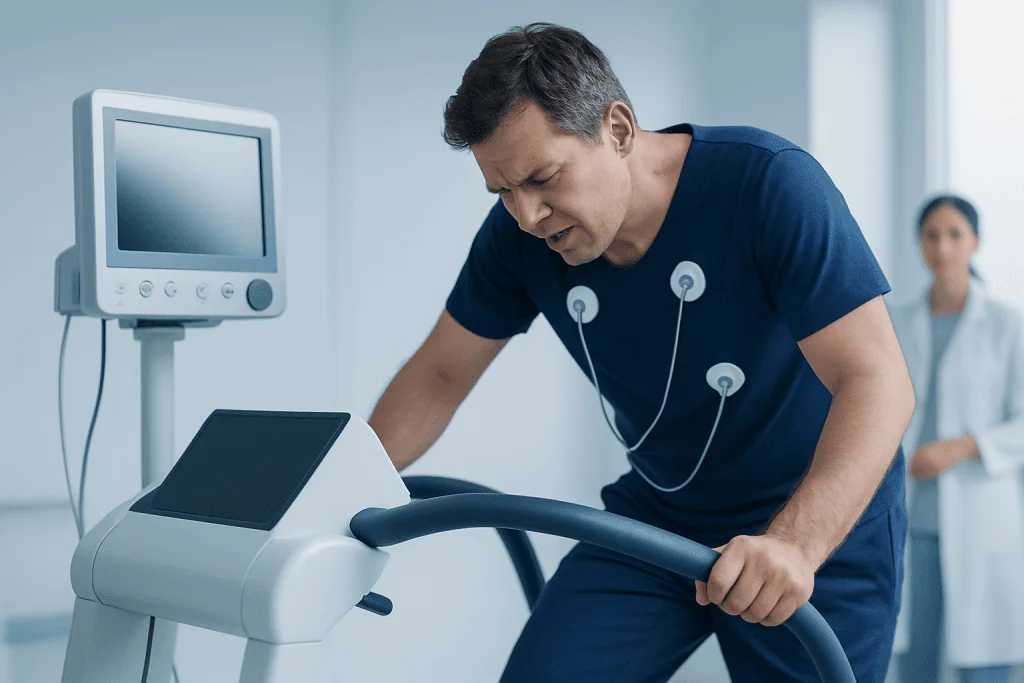
Symptoms of overexertion often begin with the body signaling that it needs rest. Typical early signs include unusual tiredness, muscle heaviness, shakiness, shortness of breath that feels out of proportion to the activity, and a noticeable drop in stamina or coordination. Some people also develop headache, nausea, sweating, or trouble concentrating.
Muscle and joint symptoms are also common. Overuse can lead to soreness, cramping, stiffness, back pain, or reduced range of motion. Repeating the same movement or lifting with poor technique may increase the risk of strains and other sports-related injuries. In these cases, pain may be localized rather than affecting the whole body.
Warning signs that suggest more than simple fatigue include:
- Chest pain, chest pressure, or a racing or irregular heartbeat
- Severe shortness of breath or wheezing
- Dizziness, fainting, or confusion
- Vomiting, inability to keep fluids down, or marked dehydration
- Extreme weakness, collapse, or symptoms of heat illness
- Sudden severe pain, swelling, or inability to use a limb
These symptoms should not be dismissed as “just being out of shape.” They may point to a medical issue that needs prompt evaluation.
Why overexertion happens: causes and risk factors

The most direct cause of overexertion is doing too much, too fast, with too little recovery. This may involve exercising at a higher intensity than usual, lifting heavy loads, working for long periods without breaks, or returning to activity too soon after illness or injury. Repetitive motion can also gradually overload muscles and joints even when a single effort does not seem extreme.
Several factors make overexertion more likely. Heat and humidity increase stress on the body because cooling becomes harder. Dehydration reduces performance and can worsen dizziness, cramps, and fatigue. Poor sleep, inadequate nutrition, emotional stress, alcohol use, and certain medications may lower tolerance for exertion. Illnesses that affect breathing, circulation, or metabolism can do the same.
Risk also varies from person to person. Children, older adults, people who are not conditioned for the task, and those with chronic conditions may reach their limits sooner. Examples include asthma, anemia, diabetes, and cardiovascular disease. In some cases, symptoms that seem like overexertion may overlap with another condition such as a heart rhythm disorder or exercise-triggered respiratory symptoms. This is one reason persistent or unusual symptoms deserve medical review.
How overexertion is evaluated
There is no single test that “proves” overexertion. Diagnosis usually starts with a clinical assessment of what happened, how intense the activity was, when symptoms began, and whether there are red flags or underlying medical conditions. A doctor will often ask about hydration, heat exposure, recent illness, medications, sleep, and previous injuries.
The physical examination may focus on breathing, heart rate, blood pressure, temperature, hydration status, and painful body areas. If the problem appears to be a simple mild overexertion episode, further testing may not be needed. If symptoms are severe, prolonged, or concerning, testing may be used to rule out other causes.
Depending on symptoms, evaluation may include blood tests, heart tracing, or imaging. When a significant muscle, tendon, or joint injury is suspected, the doctor may recommend MRI or another imaging study. If chest symptoms, fainting, or abnormal breathing are present, assessment may include check-up and screening for heart or lung conditions. The main goal is to distinguish temporary overload from dehydration, heat illness, injury, infection, or an underlying disease.
Treatment and recovery
Treatment depends on severity. Mild overexertion is usually managed with rest, hydration, cooling if overheated, and a temporary reduction in physical demands. Gentle movement may help stiffness, but intense exercise should be paused until symptoms improve. Good sleep and regular meals also support recovery because the body needs energy, fluids, and time to restore normal function.
If there is muscle pain or strain, short-term self-care may include avoiding the activity that triggered symptoms, using ice during the early phase of a new injury, and gradually returning to movement as comfort allows. A clinician may recommend targeted rehabilitation if pain persists. For recovery after injury or significant overuse, physical therapy and rehabilitation can help improve strength, flexibility, and movement patterns.
Medical treatment is needed when overexertion causes or reveals a more serious problem. This may include treatment for heat-related illness, dehydration, asthma symptoms, heart rhythm concerns, or orthopedic injuries. In cases of severe or recurrent exertional symptoms, doctors may look more closely at cardiovascular fitness, breathing mechanics, or training load to create a safer return-to-activity plan.
Prevention and self-care strategies
Preventing overexertion usually starts with pacing. The body adapts best when activity increases gradually rather than suddenly. Warm-up and cool-down periods, regular rest breaks, and realistic expectations all reduce the chance of overload. This applies not only to exercise but also to physically demanding work, caregiving, gardening, moving house, or long days of travel.
Hydration and climate awareness matter. Drinking fluids regularly, avoiding peak heat when possible, wearing appropriate clothing, and taking breaks in shaded or cool areas can reduce stress on the body. Nutrition is also important. Activity without enough fuel may increase fatigue and delayed recovery.
Helpful prevention habits include:
- Build intensity, duration, and weight gradually
- Stop or scale back when pain, dizziness, or unusual breathlessness appears
- Schedule recovery days, especially after hard sessions or heavy labor
- Use proper lifting and movement technique
- Do not return to full effort too quickly after illness or injury
- Discuss safe activity plans with a doctor if there is heart, lung, metabolic, or orthopedic disease
Some people benefit from structured guidance, especially after repeated setbacks. Near the end of the recovery process, support from multidisciplinary specialists can be useful; Acibadem International’s JCI-accredited hospitals care for international patients with conditions affecting exercise tolerance, injury recovery, and overall physical health.
When to seek medical care
Medical care is appropriate when symptoms are intense, unusual, or do not improve with rest. A person should seek prompt evaluation for chest pain, fainting, confusion, blue lips, severe shortness of breath, high body temperature, or inability to drink fluids. These can signal heat stroke, a heart or lung problem, or another urgent condition.
It is also sensible to arrange a medical visit if overexertion symptoms keep happening with routine activities, recovery takes longer than expected, or pain points to a specific injury. Ongoing fatigue after mild activity may suggest a condition such as anemia, deconditioning, infection, respiratory disease, or cardiovascular disease rather than overexertion alone. People with known heart disease, lung disease, diabetes, or kidney disease should be especially cautious.
If injury is suspected, doctors may evaluate whether imaging or specialist care is needed. For example, sudden knee, shoulder, or back pain after strain may require a structured assessment, and in selected cases a doctor may recommend orthopedics and traumatology support. Seeking care early can shorten recovery and help prevent repeated episodes.
Frequently asked questions
Is overexertion the same as normal tiredness after exercise?
No. Normal post-exercise tiredness improves with rest and feels proportionate to the activity. Overexertion usually feels excessive for the effort involved or comes with warning signs such as dizziness, nausea, unusual breathlessness, or pain.
How long does it take to recover from overexertion?
Mild overexertion may improve within hours to a few days with rest, hydration, and lighter activity. Recovery can take longer if there is dehydration, heat stress, poor sleep, or an actual injury. Persistent symptoms should be checked by a doctor.
Can overexertion cause serious health problems?
Yes, in some situations. Overexertion can contribute to strains, sprains, dehydration, heat exhaustion, and worsening of underlying heart or lung conditions. Severe symptoms such as chest pain, fainting, or confusion require urgent medical attention.
Who is more likely to experience overexertion?
Anyone can experience it, but risk is higher in people who suddenly increase activity, exercise in heat, are dehydrated, or do not get enough recovery. Older adults, children, and people with chronic medical conditions may have less reserve and need more careful pacing.
What should someone do right away if they think they are overexerted?
They should stop the activity, move to a cool and safe place, drink fluids if able, and rest. If symptoms are severe, involve collapse, chest symptoms, confusion, or do not improve quickly, medical evaluation is important.
Can overexertion happen without sports or formal exercise?
Yes. It can happen during physically demanding work, lifting, cleaning, travel, yard work, or any repetitive task that exceeds the body’s current capacity. It is the imbalance between effort and recovery that matters most.
References
- World Health Organization
- Centers for Disease Control and Prevention
- American College of Sports Medicine
- National Institutes of Health
- Mayo Clinic
This article is for general information only and is not a substitute for professional medical advice. Please consult a qualified doctor about your individual situation.
Explore treatments in Turkey — costs, top hospitals & a free quote
JCI-accredited · board-certified surgeons · reply within 24h
Add us as a Preferred Source to see more of our trusted health content across Google Search, AI Overviews and Discover.
Check your numbers in seconds
BMI, calories, due date, blood pressure and 30+ more clinical calculators — free, instant, doctor-reviewed ranges.

More from the Health Library

Parenteral Feeding: An Evidence-Based Guide for Patients

Psyllium Husk: A Complete Medical Overview
Drunk: An Evidence-Based Guide for Patients

Plasma Exchange: What Patients Need to Know
Red blood cell: Symptoms, Causes, and Treatment — Complete Patient Guide