Seed Probiotic Reviews: A Complete Medical Overview

Seed probiotic reviews can be helpful, but personal experiences do not replace clinical evidence. Probiotics may support digestive health in some people, especially for certain symptoms or after antibiotic use.
Key Takeaways
- Seed probiotic reviews can be helpful, but personal experiences do not replace clinical evidence.
- Probiotics may support digestive health in some people, especially for certain symptoms or after antibiotic use.
- Benefits depend on the strains used, the dose, the person’s health status, and the reason for taking them.
- Mild gas or bloating can happen when starting a probiotic, but severe or persistent symptoms need medical review.
- People with immune compromise, serious illness, or ongoing digestive symptoms should speak with a doctor before using probiotics.
Seed probiotic reviews often focus on bloating, bowel regularity, and overall gut wellness, but no probiotic works the same way for everyone. A medical review looks beyond testimonials to explain what probiotics may do, who may benefit, possible side effects, and when professional advice is important.
Overview: What Seed Probiotic Reviews Can and Cannot Tell You
Seed probiotic reviews can offer a quick sense of what users notice, such as changes in bloating, bowel habits, or stomach comfort. In general, reviews suggest that some people feel better on a probiotic supplement, while others notice little change or experience temporary digestive side effects. This mixed picture is expected because the gut microbiome is complex, and probiotic effects are not identical from one person to another.
From a medical perspective, the best way to assess any probiotic is to look at three things together: the product’s listed strains, the reason a person wants to use it, and the quality of supporting evidence. Reviews may describe real experiences, but they do not prove that a product will work for everyone. They also cannot reliably identify whether symptoms improved because of the supplement, changes in diet, reduced stress, or the natural course of a digestive problem.
A careful health overview focuses less on marketing claims and more on practical questions. Is the product likely to be safe for most healthy adults? Could it be reasonable for mild digestive support? Are there situations where professional evaluation matters more than self-treatment? These are often more useful questions than whether a supplement is described as “good” or “bad” in online feedback.
How Probiotics Work in the Body
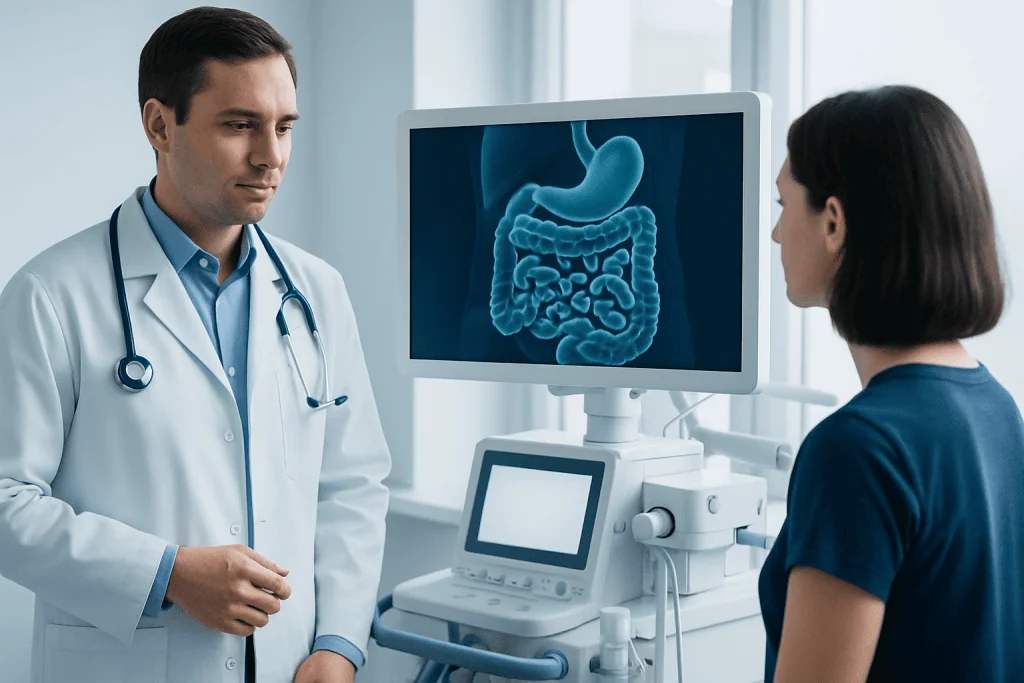
Probiotics are live microorganisms intended to support health when taken in adequate amounts. They are often used to influence the gut microbiome, which includes bacteria, fungi, and other microbes living in the digestive tract. The microbiome helps with digestion, immune signaling, and protection against harmful organisms.
Different probiotic strains may act in different ways. Some may help maintain the intestinal barrier, some may compete with less helpful microbes, and others may affect how the gut and immune system communicate. This is one reason why probiotic research is strain-specific: one combination of organisms cannot automatically be assumed to do the same thing as another.
It is also important to understand that a probiotic is not the same as a cure for a digestive condition. A supplement may support gut function, but it does not replace medical assessment for symptoms such as ongoing abdominal pain, blood in the stool, unexplained weight loss, or severe diarrhea. In people with diagnosed conditions such as irritable bowel syndrome or colitis, probiotics may sometimes be discussed as part of broader care rather than as stand-alone treatment.
What People Commonly Report in Reviews

Many seed probiotic reviews describe changes in digestion within the first few weeks. Positive comments often mention less bloating, more regular bowel movements, improved stool consistency, or a general sense of better gut comfort. Some users also report that they feel better after taking a probiotic following antibiotic use, although individual responses vary.
Not all reviews are positive, and that is medically important. Some people report gas, bloating, mild cramping, or changes in bowel frequency when starting a probiotic. These effects are often temporary as the digestive system adapts, but they can be uncomfortable. In other cases, a person may simply not notice a meaningful difference.
Reviews also tend to reflect expectations. Someone taking a probiotic for mild digestive support may be satisfied with gradual improvement, while a person hoping it will resolve chronic symptoms may feel disappointed. For this reason, patient experience is useful but should be interpreted realistically. A probiotic can be a supportive tool, but it is not a substitute for diagnosis when symptoms suggest an underlying condition.
- Commonly reported benefits: less bloating, more regularity, improved digestive comfort
- Common early side effects: gas, abdominal fullness, temporary bowel changes
- Neutral experiences: no clear change after a trial period
Who May Benefit Most From a Probiotic Supplement
Healthy adults with occasional digestive discomfort may be the most typical group to consider a probiotic supplement. People sometimes use one during or after a course of antibiotics, during periods of dietary change, or for mild symptoms such as irregular bowel movements. In some cases, a doctor may also discuss probiotics as part of supportive care for certain gastrointestinal complaints.
That said, probiotics are not equally useful for every goal. The evidence for probiotic use is stronger in some situations than in others, and even then, the effect may be modest rather than dramatic. For example, some probiotics may help reduce the risk of antibiotic-associated diarrhea, while evidence for broad claims such as improving energy, skin quality, or mood is less consistent.
People with diagnosed digestive disorders should be more cautious about relying on reviews alone. If symptoms are frequent or disruptive, professional assessment may be more valuable than trying several supplements. Depending on the situation, evaluation may include nutritional guidance, stool testing, or specialist input through gastroenterology services or digestive health screening when clinically appropriate.
Risks, Side Effects, and Important Safety Points
For most healthy adults, probiotics are generally considered safe, but “safe” does not mean completely free of side effects. The most common issues are mild gas, bloating, or temporary changes in bowel habits. These symptoms often settle over time, especially if the product is introduced gradually and taken as directed.
There are also groups who should not start probiotics without medical advice. People with severely weakened immune systems, central venous catheters, recent major surgery, critical illness, or complex medical conditions may face uncommon but important risks from live microbial products. Infants, older adults with frailty, and people taking immunosuppressive treatment should also discuss supplements with a clinician before use.
Another practical point is that worsening symptoms should not be explained away as “detox” or adjustment if they are significant. Severe abdominal pain, persistent vomiting, fever, dehydration, black stools, or blood in the stool deserve medical attention. Probiotics should be viewed as optional supportive products, not as a reason to delay care for possible gastroenteritis or other gastrointestinal illness.
How to Evaluate a Probiotic Beyond Online Reviews
A good medical approach is to judge a probiotic by transparency and fit, not popularity alone. The product label should clearly list the strains, storage instructions, and other ingredients. It helps if the manufacturer provides evidence for the specific formulation rather than general statements about probiotics as a category.
People should also ask why they want to take it. A supplement chosen for mild bloating may not be the best option for diarrhea after antibiotics, and a person with constipation may need a different overall plan that includes fiber, hydration, movement, and attention to medications. The same supplement cannot be expected to address every digestive concern equally well.
It is often sensible to set a time-limited trial and monitor symptoms. Keeping a brief record of bowel pattern, bloating, abdominal discomfort, diet, and any side effects can help show whether the supplement is useful. If there is no clear benefit after a reasonable trial, or if symptoms worsen, a doctor may recommend stopping it and considering further assessment such as endoscopy when indicated by symptoms and examination.
Self-Care Measures That Matter as Much as Supplements
Probiotic supplements tend to get a lot of attention, but daily habits often have a stronger effect on digestive health. A varied, fiber-rich diet supports beneficial gut microbes naturally. Foods such as vegetables, fruits, legumes, whole grains, and fermented foods may help some people maintain regular digestion, though individual tolerance differs.
Hydration, regular physical activity, sleep, and stress management also matter. The gut and nervous system communicate closely, so stress can affect bowel habits and abdominal comfort. Many people notice that digestive symptoms improve when meals are consistent, highly processed foods are reduced, and sleep becomes more regular.
Self-care should still be balanced with realism. Persistent digestive symptoms are not always due to an “unhealthy microbiome.” They may reflect food intolerance, infection, inflammatory disease, medication effects, thyroid problems, or other causes. A supplement may be part of a wellness plan, but it should not distract from a proper workup when symptoms continue.
When to Seek Medical Care
Medical care is appropriate if digestive symptoms are new, severe, persistent, or associated with warning signs. These include blood in the stool, black stools, unexplained weight loss, persistent fever, repeated vomiting, nighttime symptoms, significant dehydration, severe abdominal pain, or a strong family history of inflammatory bowel disease or colorectal cancer. Ongoing symptoms despite dietary changes and probiotics should also be assessed.
A doctor may review medications, diet, infection risk, bowel pattern, and associated symptoms, then decide whether testing is needed. Depending on the situation, evaluation may include blood tests, stool studies, breath testing, imaging, or referral for specialist care. This is especially important if symptoms interfere with daily life or have been present for several weeks.
For international patients who need digestive evaluation or treatment, Acibadem International’s multidisciplinary specialists and JCI-accredited hospitals provide assessment and care across a wide range of gastrointestinal concerns. The goal is to identify the real cause of symptoms and build a treatment plan based on medical evidence, not only on supplement reviews.
Frequently asked questions
Are seed probiotic reviews reliable for deciding whether to try the product?
Reviews can be useful for understanding common user experiences, but they are not the same as medical evidence. The most reliable decision should consider the listed strains, the reason for use, any health conditions, and advice from a qualified clinician if symptoms are ongoing.
How long does it usually take to notice effects from a probiotic?
Some people notice changes in digestion within days, while others may need a few weeks to judge whether a probiotic is helping. If there is no clear benefit after a reasonable trial, it may not be the right product or the symptoms may need medical evaluation.
Can probiotics make bloating worse at first?
Yes. Mild gas, fullness, or bloating can happen when starting a probiotic, and these effects are often temporary. However, severe discomfort, ongoing worsening, or additional symptoms such as vomiting or fever should not be ignored.
Who should avoid probiotics unless a doctor approves them?
People with severely weakened immune systems, critical illness, recent major surgery, or complex medical conditions should speak with a doctor first. Caution is also sensible for infants, frail older adults, and anyone taking immunosuppressive medicines.
Can a probiotic replace treatment for IBS or other digestive disorders?
No. A probiotic may be one supportive part of care for some people, but it does not replace diagnosis or treatment for conditions such as IBS, inflammatory bowel disease, infection, or food intolerance. Persistent symptoms should be assessed by a healthcare professional.
What should a person look for when choosing a probiotic?
It helps to choose a product with clearly labeled strains, sensible storage guidance, and a purpose that matches the symptom being addressed. People should also review inactive ingredients, consider side effects, and avoid expecting one supplement to solve every digestive issue.
This article is for general information only and is not a substitute for professional medical advice. Please consult a qualified doctor about your individual situation.
Persistent digestive symptoms? Get evaluated in Turkey
JCI-accredited · board-certified surgeons · reply within 24h
Add us as a Preferred Source to see more of our trusted health content across Google Search, AI Overviews and Discover.

More from the Health Library

M S M: An Evidence-Based Guide for Patients

Augmentin 875 — Explained by Medical Evidence, Not Myths

Acrophobia: What Patients Need to Know

Wandering Atrial Pacemaker: An Evidence-Based Guide for Patients

Torus Palatinus: An Evidence-Based Guide for Patients