Tetraplegia: An Evidence-Based Guide for Patients

Tetraplegia usually results from injury or disease affecting the cervical spinal cord. Symptoms can include loss of movement, altered sensation, breathing problems, and bladder or bowel dysfunction.
Key Takeaways
- Tetraplegia usually results from injury or disease affecting the cervical spinal cord.
- Symptoms can include loss of movement, altered sensation, breathing problems, and bladder or bowel dysfunction.
- Diagnosis focuses on neurological examination and urgent imaging, especially after trauma.
- Treatment may involve emergency stabilization, surgery in selected cases, rehabilitation, assistive technology, and complication prevention.
- People with possible spinal cord injury need urgent medical care, especially after accidents or sudden weakness.
Tetraplegia is paralysis or major weakness affecting both arms, both legs, and often the torso because of damage to the cervical spinal cord or, less commonly, certain brain or nerve disorders. While it is a life-changing condition, timely emergency care, specialist treatment, rehabilitation, and long-term support can help many people improve independence, comfort, and quality of life.
Overview: what tetraplegia means
Tetraplegia, also called quadriplegia, means paralysis or severe weakness affecting all four limbs. It usually happens when there is damage to the cervical portion of the spinal cord, the part in the neck that carries signals between the brain and the rest of the body. Depending on the level and completeness of the injury, a person may lose some or most movement and sensation in the arms, hands, trunk, legs, and feet.
The condition can be complete or incomplete. In complete injury, nerve signals below the injured spinal level are fully interrupted, so movement and sensation are absent below that point. In incomplete injury, some nerve pathways remain intact, which means a person may retain partial movement, feeling, or both. This distinction matters because it helps guide treatment planning and rehabilitation goals.
Tetraplegia is most commonly associated with traumatic spinal cord injury, such as after a road traffic collision, fall, sports accident, or diving injury. It can also develop from non-traumatic causes, including infections, tumors, inflammatory disorders, bleeding, or severe degenerative disease affecting the neck. Some people may hear related terms such as spinal cord injury or cervical cord lesion during evaluation.
How tetraplegia affects the body and daily life
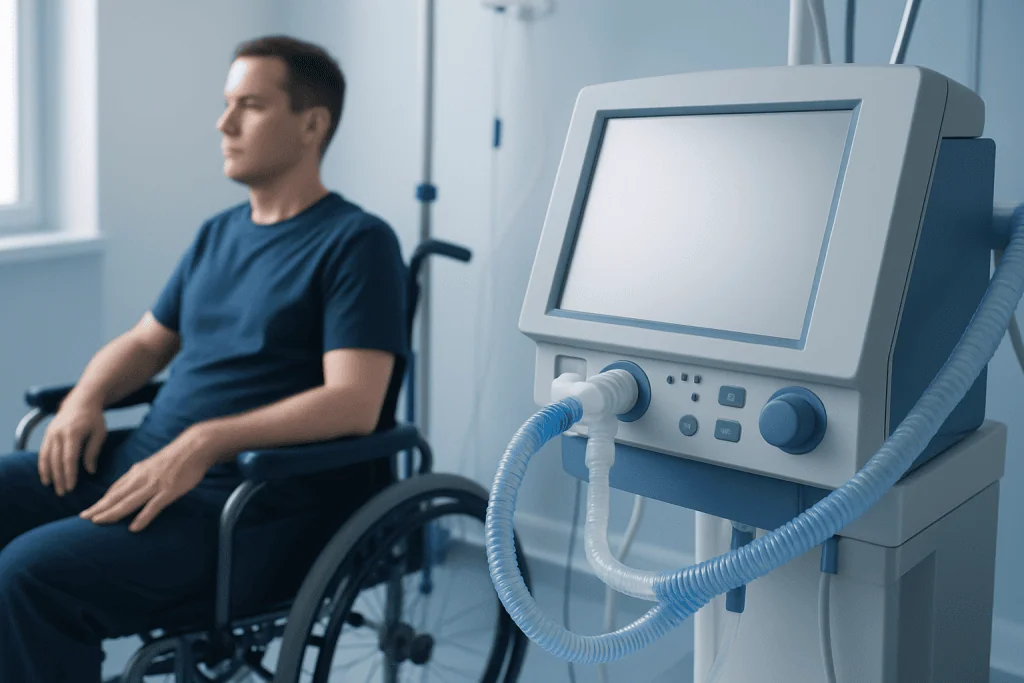
Tetraplegia affects more than movement alone. Because the spinal cord helps control sensation, reflexes, breathing muscles, bladder and bowel function, blood pressure regulation, and sexual function, injury in the neck can influence many body systems. The exact pattern depends on which cervical level is affected and whether the injury is complete or incomplete.
Higher cervical injuries may weaken the diaphragm and chest muscles, making breathing difficult and increasing the need for close respiratory support. Lower cervical injuries may allow some shoulder, elbow, or wrist movement while still limiting hand function or trunk control. Even small differences in remaining function can make a significant difference in self-care, mobility, communication, and independence.
Daily life may involve adjustments in mobility, personal care, work, study, and home routines. Many people benefit from mobility aids, splints, environmental modifications, adaptive technology, and structured rehabilitation. Emotional adjustment is also important, and psychological support can be a valuable part of care for both the person affected and their family.
Symptoms and possible complications

The most recognized symptom of tetraplegia is loss of movement or severe weakness in both arms and both legs. Sensation may also be reduced or absent below the level of injury, including touch, pain, temperature, or body position sense. Some people experience numbness, tingling, unusual sensitivity, or burning nerve pain rather than complete loss of feeling.
Other common symptoms involve body functions controlled by the spinal cord. These can include difficulty breathing, trouble coughing, bladder retention or incontinence, bowel dysfunction, muscle spasms, low blood pressure when sitting up, and changes in sexual function. Reflexes may be absent early after injury and later become exaggerated as the nervous system changes over time.
Complications can develop if the condition is not carefully managed. These may include pressure injuries, urinary tract infections, constipation, blood clots, contractures, chronic pain, and respiratory infections. In some individuals with injuries above the mid-thoracic level, a serious condition called autonomic dysreflexia can occur, causing sudden high blood pressure, headache, flushing, sweating, or anxiety in response to triggers such as a full bladder or bowel problem.
- Arm and leg weakness or paralysis
- Loss or change of sensation
- Breathing difficulty or weak cough
- Bladder and bowel problems
- Muscle stiffness, spasms, or nerve pain
- Skin, circulation, and infection-related complications
Causes and risk factors
The most common cause of tetraplegia is trauma to the neck that injures the cervical spinal cord. This may happen in motor vehicle accidents, falls from height, sports injuries, violence, or diving into shallow water. In these situations, the spinal cord can be compressed, bruised, stretched, or torn by fractured vertebrae, displaced discs, swelling, or bleeding.
Non-traumatic causes are also important, especially when weakness develops without an accident. These include spinal tumors, infections such as abscesses, inflammatory disorders like transverse myelitis, cervical spinal stenosis, bleeding around the spinal cord, and certain vascular events. Rarely, severe brain injury or progressive neurological disease may produce a similar pattern of widespread paralysis, but classic tetraplegia most often refers to cervical spinal cord involvement.
Risk factors vary by cause. Traumatic risk factors include unsafe driving, lack of seatbelt use, alcohol or drug impairment, high-risk sports, poor workplace safety, and fall hazards in older adults. Non-traumatic risk may be higher in people with cancer, immune suppression, spinal degeneration, osteoporosis, or infections. Recognizing these risks can help with both prevention and early diagnosis.
How doctors diagnose tetraplegia
Tetraplegia is diagnosed through a combination of urgent clinical assessment and imaging. After trauma or sudden neurological symptoms, doctors first stabilize breathing, circulation, and the cervical spine. A neurological examination then checks strength, sensation, reflexes, anal sphincter tone, and the level below which function changes. This helps estimate the site and severity of spinal cord involvement.
Imaging is essential to identify the cause. CT scans are often used quickly after trauma to detect fractures or dislocation. MRI gives more detail about the spinal cord itself and can show compression, swelling, bleeding, infection, tumor, or disc injury. In some situations, doctors may also request blood tests or other studies to look for inflammatory or infectious causes.
Specialists often classify spinal cord injury using standardized neurological scales, which support communication, prognosis, and rehabilitation planning. When surgery is being considered, spine surgeons and neurosurgeons review the imaging and neurological findings together. Patients may also be evaluated for related conditions such as spinal stenosis if chronic neck narrowing contributed to the problem.
Treatment options and rehabilitation
Treatment depends on the cause, timing, and severity of the injury. In emergencies, the first priorities are protecting the airway, supporting breathing, maintaining blood pressure, and immobilizing the spine to prevent further damage. If the spinal cord is compressed by fracture, dislocation, a large disc, bleeding, abscess, or tumor, doctors may recommend urgent intervention to relieve pressure and stabilize the spine.
Some patients need spinal surgery to decompress the cord and secure the bones of the neck. This may be part of care delivered through neurosurgery or spine surgery pathways, depending on the underlying problem. Treatment for non-traumatic causes may also include antibiotics for infection, anti-inflammatory medicines for certain inflammatory disorders, or oncology care when a tumor is involved. Drug choices and timing are individualized by the treating team.
Rehabilitation is a central part of care and often begins early, even while the patient is still in hospital. A comprehensive program may include physical therapy and rehabilitation, occupational therapy, respiratory therapy, speech or swallowing support when needed, pain management, bladder and bowel training, skin protection, and psychological care. Rehabilitation focuses on preventing complications, preserving joint mobility, strengthening available muscles, learning adaptive techniques, and improving independence with mobility and daily activities.
Assistive technology can also make a meaningful difference. Depending on residual function, this may include powered wheelchairs, hand splints, voice-controlled devices, environmental control systems, cough-assist devices, and home adaptations. Near the end of the care pathway, some international patients may seek coordinated multidisciplinary assessment; Acibadem International’s JCI-accredited hospitals provide diagnosis, treatment, and rehabilitation support for complex neurological and spinal conditions.
Prevention, self-care, and long-term health
Not all cases of tetraplegia can be prevented, but many traumatic injuries are avoidable. Practical steps include using seatbelts, following road safety laws, avoiding driving under the influence, wearing protective sports equipment, checking water depth before diving, and reducing fall risks at home and work. Older adults may benefit from balance assessment, strength exercises, and review of medicines that increase dizziness.
For people living with tetraplegia, long-term self-care is focused on health maintenance and complication prevention. This includes regular skin checks, pressure relief techniques, hydration, bowel and bladder routines, respiratory exercises if advised, vaccination where appropriate, and attention to nutrition and bone health. Family and caregivers often play an important role, but care plans should also support the person’s autonomy as much as possible.
Regular follow-up with rehabilitation physicians, neurologists, spine specialists, and primary care doctors can help manage spasticity, pain, infections, mood changes, and equipment needs. Early attention to symptoms such as fever, new weakness, skin breakdown, or shortness of breath can prevent more serious problems. Many people also benefit from social work, vocational counseling, and peer support as they adapt over time.
When to seek medical care
Emergency medical care is needed after any major neck or back trauma if there is weakness, numbness, loss of coordination, severe neck pain, or inability to move the arms or legs. Sudden breathing difficulty, loss of bladder control, or collapse after an accident also requires immediate attention. The neck should be kept still, and the person should not be moved unless there is immediate danger.
Prompt medical review is also important when symptoms come on without trauma. New arm and leg weakness, numbness spreading upward, severe neck pain with neurological symptoms, fever with back or neck pain, or rapidly worsening walking or hand function should be assessed urgently. These signs can point to spinal cord compression or another neurological emergency.
People already living with tetraplegia should seek medical advice if they develop pressure sores, recurrent urinary infections, constipation that does not improve, new spasms, unexplained headache with sweating or flushing, chest symptoms, or sudden changes in strength or sensation. Early treatment can reduce complications and support safer recovery.
Frequently asked questions
Is tetraplegia the same as quadriplegia?
Yes. Tetraplegia and quadriplegia are two terms for the same condition: paralysis or severe weakness affecting both arms and both legs, usually because of cervical spinal cord damage. Many healthcare professionals now prefer the term tetraplegia, but both are widely understood.
Can a person with tetraplegia recover?
Recovery varies widely and depends on the cause, the level of injury, and whether the spinal cord damage is complete or incomplete. Some people regain partial movement or sensation over time, especially with early treatment and structured rehabilitation. Even when full recovery is not possible, therapy and assistive technology can improve independence and quality of life.
Does tetraplegia always mean a person cannot breathe independently?
No. Breathing problems are more likely when the injury is high in the cervical spinal cord, because the nerves that help control the diaphragm and chest muscles can be affected. Lower cervical injuries may still allow independent breathing, though cough strength and secretion clearance can remain reduced.
What tests are usually done after suspected tetraplegia?
Doctors usually perform an urgent neurological examination and imaging of the neck and spinal cord. CT scans are often used first after trauma to assess the bones, while MRI helps show the spinal cord, discs, swelling, bleeding, or compression. Additional blood tests or other studies may be used if infection, inflammation, or tumor is suspected.
What is the difference between complete and incomplete tetraplegia?
Complete tetraplegia means there is no preserved movement or sensation below the level of injury. Incomplete tetraplegia means some nerve pathways still work, so the person may keep partial feeling, movement, or both. This distinction is important because it often affects treatment goals and the potential for functional improvement.
How is daily life managed with tetraplegia?
Management usually combines rehabilitation, equipment, and long-term medical follow-up. People may use powered wheelchairs, adaptive devices, home modifications, bowel and bladder routines, and skin protection strategies. Emotional support, caregiver training, and social services can also be important parts of living well with the condition.
References
- World Health Organization
- National Institute of Neurological Disorders and Stroke
- National Institute of Arthritis and Musculoskeletal and Skin Diseases
- American Association of Neurological Surgeons
- International Spinal Cord Society
This article is for general information only and is not a substitute for professional medical advice. Please consult a qualified doctor about your individual situation.
Joint and spine care in Turkey — expert assessment & treatment
JCI-accredited · board-certified surgeons · reply within 24h
Check your numbers in seconds
BMI, calories, due date, blood pressure and 30+ more clinical calculators — free, instant, doctor-reviewed ranges.

More from the Health Library



Related Specialists

Prof. Dr. M. Faruk Köse
Gynecology & Obstetrics
Dr. Engin Altunkaya
General Surgery
Prof. Dr. Mehmet Ali Vardar
Gynecology & Obstetrics
Dr. Nesrin Yılmaz Baıramov
Physical Medicine and Rehabilitation