Waking Up with Heart Racing: A Complete Medical Overview

A fast heartbeat on waking is often benign, but repeated episodes deserve attention. Common triggers include anxiety, nightmares, caffeine, alcohol, dehydration, and lack of sleep.
Key Takeaways
- A fast heartbeat on waking is often benign, but repeated episodes deserve attention.
- Common triggers include anxiety, nightmares, caffeine, alcohol, dehydration, and lack of sleep.
- Medical causes can include arrhythmias, sleep apnea, thyroid disorders, and medication effects.
- Warning signs such as chest pain, fainting, severe shortness of breath, or prolonged symptoms need urgent care.
- Keeping a symptom diary can help a doctor identify patterns and guide testing.
Waking up with heart racing is commonly caused by a temporary surge of adrenaline, a vivid dream, stress, caffeine, alcohol, or poor sleep. In some people, it can also be related to heart rhythm problems, sleep apnea, thyroid issues, low blood sugar, or certain medicines, so persistent or severe episodes should be checked by a doctor.
Overview: Why It Happens
Waking up with heart racing means a person becomes aware of a heartbeat that feels unusually fast, forceful, fluttering, or pounding during the night or upon awakening. In many cases, this is a form of palpitations. The sensation can be brief and harmless, especially after a stressful dream, sudden awakening, or a late intake of caffeine or alcohol.
During sleep, the body normally cycles through different stages, and heart rate changes naturally across those stages. A sudden shift from deep sleep to wakefulness can trigger the release of stress hormones such as adrenaline. This can make the heart beat faster for a short time, even when no serious heart condition is present.
That said, waking up with heart racing should not automatically be dismissed. Repeated episodes, symptoms that last several minutes, or associated dizziness, chest discomfort, or breathlessness may point to an underlying issue. These can include sleep disorders, hormone imbalances, medication effects, or a heart rhythm problem such as arrhythmia.
What the Sensation May Feel Like
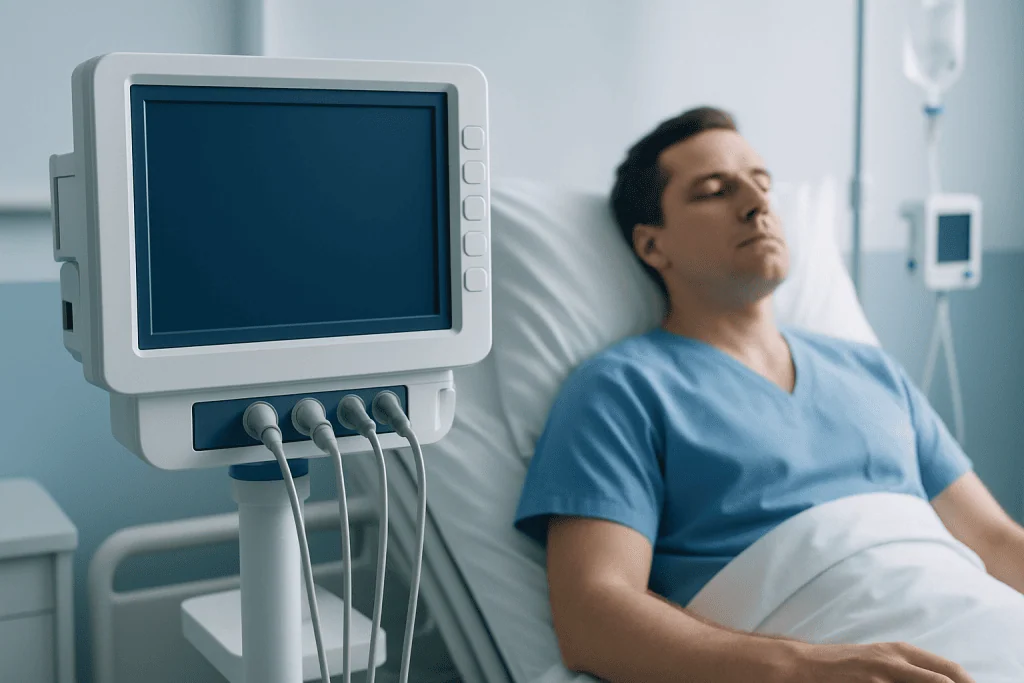
People describe the experience in different ways. Some notice a pounding heartbeat in the chest, throat, or neck. Others feel fluttering, skipping beats, a sudden thump, or a rhythm that seems much faster than normal. The episode may stop within seconds or continue long enough to cause concern.
Symptoms can vary depending on the cause. A person may also wake up sweating, anxious, shaky, or short of breath. If the episode follows a nightmare or panic response, there may be a strong sense of fear or alarm that fades once fully awake.
It can help to pay attention to the setting and pattern. Useful details include:
- What time the episode happens
- How long it lasts
- Whether the rhythm feels regular or irregular
- Whether there is chest pain, dizziness, or faintness
- Recent use of caffeine, alcohol, nicotine, or energy drinks
- Any snoring, choking, or gasping during sleep
These details do not diagnose the cause on their own, but they can help a clinician decide whether the problem is more likely related to lifestyle, sleep, anxiety, or a medical condition.
Common Triggers and Underlying Causes

A racing heart on waking often has a non-dangerous explanation. Emotional stress, anxiety, panic attacks, and vivid dreams can all activate the body’s “fight-or-flight” response. Stimulants such as caffeine, nicotine, decongestants, and some herbal or weight-loss products may also raise heart rate, especially when taken later in the day.
Sleep-related factors are also common. Poor sleep quality, sleep deprivation, jet lag, and obstructive sleep apnea may all lead to nighttime awakenings with a rapid heartbeat. People with sleep apnea may also snore loudly, wake up gasping, feel unrefreshed in the morning, or have daytime sleepiness. In some cases, assessment in a sleep test may be recommended.
Medical causes include fever, dehydration, anemia, low blood sugar, overactive thyroid, pregnancy, and side effects of prescription medicines. Some people have extra heartbeats or episodes of a fast abnormal rhythm that can occur at rest or during sleep. Conditions such as atrial fibrillation or other supraventricular tachycardias can sometimes present as sudden nighttime palpitations.
Less often, waking up with heart racing may be linked to an underlying heart problem, especially if there is a history of heart disease, structural heart abnormalities, or electrolyte imbalance. Although many episodes are not serious, recurrent symptoms should be evaluated rather than assumed to be stress alone.
Risk Factors That Make Episodes More Likely
Some people are more likely than others to notice nighttime palpitations. Risk factors include chronic stress, generalized anxiety, panic disorder, irregular sleep schedules, and high intake of caffeine or alcohol. Shift work and frequent travel can disturb sleep patterns and increase awareness of heart rhythm changes.
Age, existing medical conditions, and family history also matter. People with high blood pressure, thyroid disease, diabetes, anemia, or a personal or family history of rhythm disorders may have a higher chance of experiencing a medically significant cause. Being overweight can raise the likelihood of sleep apnea, which may trigger nighttime awakenings and changes in heart rate.
Certain medicines can contribute as well. Examples include inhalers used for asthma, some cold and flu remedies, stimulant medications, and some antidepressants. Illegal drugs such as cocaine or amphetamines can also provoke dangerous arrhythmias. If symptoms started after beginning a new medicine or supplement, a doctor or pharmacist should review it.
How Doctors Evaluate Waking Up with Heart Racing
Diagnosis starts with a clear description of the symptoms and the circumstances around them. A doctor will usually ask when the episodes began, how long they last, whether the pulse feels regular or irregular, and what other symptoms occur at the same time. Questions about stress, sleep quality, snoring, menstrual status, medications, and stimulant use are also important.
A physical examination may include checking pulse, blood pressure, heart and lung sounds, and signs of thyroid problems, anemia, or dehydration. Basic tests often include an electrocardiogram (ECG) to look for heart rhythm abnormalities. Because palpitations can come and go, a normal office ECG does not always rule out a rhythm problem.
When episodes are intermittent, a doctor may suggest ambulatory rhythm monitoring, such as a Holter monitor or event recorder, to capture the heart rhythm during symptoms. Blood tests may check thyroid function, blood count, blood sugar, and electrolytes. Depending on the history, the clinician may also consider an echocardiogram or a focused cardiology evaluation if a structural or rhythm-related cause is suspected.
If sleep apnea is possible, sleep assessment may be advised. This is especially helpful when heart racing is accompanied by loud snoring, witnessed pauses in breathing, morning headaches, or daytime sleepiness.
Treatment and Practical Self-Care
Treatment depends on the cause. If episodes are linked to stress, anxiety, or panic, the focus may be on stress management, counseling, sleep improvement, and reducing stimulant use. If a medicine or supplement is contributing, a doctor may advise an alternative. Medical causes such as thyroid disease, anemia, or low blood sugar are treated by correcting the underlying problem.
When a heart rhythm disorder is identified, management may range from observation and lifestyle changes to medication or specialist procedures. Some patients may benefit from assessment by an electrophysiology team when symptoms are frequent or a significant arrhythmia is found. The right approach depends on the exact rhythm, overall health, and symptom burden.
Simple self-care measures may reduce episodes:
- Limit caffeine, nicotine, and alcohol, especially later in the day
- Stay well hydrated
- Keep a regular sleep schedule
- Avoid large heavy meals close to bedtime
- Discuss over-the-counter cold medicines or supplements with a clinician
- Practice relaxation methods such as slow breathing or mindfulness before sleep
Near the end of the evaluation process, some people also benefit from broader care that includes sleep medicine, endocrinology, or internal medicine. Acibadem International’s multidisciplinary specialists in JCI-accredited hospitals diagnose and treat causes of palpitations and related sleep or heart conditions for international patients.
When to Seek Medical Care
Waking up with heart racing should be discussed with a doctor if it happens repeatedly, starts suddenly without an obvious trigger, or is becoming more frequent. Medical review is also sensible when episodes last more than a few minutes, occur with exercise as well as during sleep, or happen in someone with known heart disease, thyroid disease, or diabetes.
Urgent medical care is needed if the fast heartbeat comes with chest pain, fainting, severe shortness of breath, new confusion, weakness on one side, or a feeling that the person may pass out. A very fast or irregular heartbeat that does not settle can sometimes reflect a significant arrhythmia and should not be ignored.
People who are pregnant, older adults, and those taking multiple medications should be especially cautious, because symptoms may have several interacting causes. If there is uncertainty about the seriousness of an episode, it is safest to seek prompt professional advice.
Frequently asked questions
Is waking up with heart racing always a sign of a heart problem?
No. Many cases are related to stress, nightmares, caffeine, alcohol, poor sleep, or temporary palpitations that are not dangerous. However, repeated episodes or symptoms with dizziness, chest pain, or breathlessness should be assessed by a doctor.
Can anxiety cause a racing heart during sleep?
Yes. Anxiety, panic attacks, and vivid dreams can trigger a surge of adrenaline that causes a person to wake up with a pounding or fast heartbeat. Even so, persistent symptoms should not automatically be blamed on anxiety until other causes have been considered.
What is the difference between palpitations and an arrhythmia?
Palpitations are the sensation of noticing the heartbeat, such as pounding, fluttering, or skipping. An arrhythmia is an actual abnormal heart rhythm. Palpitations can happen with or without an arrhythmia, which is why testing is sometimes needed.
Can sleep apnea make someone wake up with heart racing?
Yes. Sleep apnea can cause repeated drops in oxygen and sudden awakenings, which may trigger a rapid heartbeat. Loud snoring, gasping, morning headaches, and daytime sleepiness can be clues that sleep apnea is involved.
Should someone check their pulse during an episode?
If they feel well enough, noting whether the pulse seems very fast, regular, or irregular can be helpful information for a doctor. It is also useful to record how long the episode lasts and what symptoms come with it. But a person should seek urgent care instead of self-checking if there is chest pain, fainting, or severe shortness of breath.
How can nighttime palpitations be reduced at home?
Helpful steps include limiting caffeine and alcohol, avoiding nicotine, staying hydrated, improving sleep habits, and managing stress. A symptom diary can also help identify patterns. If episodes continue despite these changes, medical evaluation is recommended.
References
- American Heart Association
- National Heart, Lung, and Blood Institute
- National Institute for Health and Care Excellence
- Mayo Clinic
- Cleveland Clinic
This article is for general information only and is not a substitute for professional medical advice. Please consult a qualified doctor about your individual situation.
Explore treatments in Turkey — costs, top hospitals & a free quote
JCI-accredited · board-certified surgeons · reply within 24h
Check your numbers in seconds
BMI, calories, due date, blood pressure and 30+ more clinical calculators — free, instant, doctor-reviewed ranges.

Neurology
Diagnosis and treatment of disorders of the brain, spinal cord, nerves and muscles.
51 specialists in this unit