Scalp Conditions: What Patients Need to Know

Scalp conditions are a group of problems rather than one single diagnosis. Common symptoms include itching, flakes, redness, tenderness, bumps, and hair thinning or patchy loss.
Key Takeaways
- Scalp conditions are a group of problems rather than one single diagnosis.
- Common symptoms include itching, flakes, redness, tenderness, bumps, and hair thinning or patchy loss.
- Causes range from dandruff and eczema to fungal infections, psoriasis, and inflammatory hair disorders.
- A clinical examination is often enough to guide diagnosis, but some people need dermoscopy, swabs, or a biopsy.
- Treatment depends on the cause and may include medicated shampoos, topical treatments, oral medicines, or lifestyle adjustments.
- Persistent symptoms, scalp pain, pus, scarring, or sudden hair loss should be assessed by a doctor.
Scalp conditions are common and can cause itching, flaking, redness, pain, bumps, or hair shedding. The best approach is to identify the underlying cause, because scalp symptoms may come from irritation, inflammation, infection, autoimmune disease, or hair disorders that need different treatments.
Overview: what scalp conditions are
Scalp conditions are disorders that affect the skin of the scalp, the hair follicles, or both. They often show up as itching, flaking, redness, burning, pimples, crusting, or changes in hair growth. In many cases, they are manageable and not dangerous, but they can be uncomfortable and sometimes affect confidence and daily routines.
The scalp has a unique environment. It contains many hair follicles, oil glands, sweat glands, and a rich blood supply. Because of this, the scalp can react to inflammation, excess oil, dryness, infection, skin sensitivity, or immune-related disease in ways that differ from the rest of the body.
One reason scalp conditions can be confusing is that several different disorders may cause similar symptoms. For example, dandruff, seborrheic dermatitis, psoriasis, contact dermatitis, and fungal infection may all lead to scaling or itching. A clear diagnosis matters because treatment that helps one condition may do little for another.
Common symptoms and how they may appear
Symptoms vary depending on the underlying condition, but certain patterns are common. Some people mainly notice visible flakes on clothing or in the hair. Others experience persistent itch, tenderness when brushing, small bumps, or areas where the scalp feels tight or sore.
Hair changes can also be an important clue. Hair may shed more than usual, break easily, or thin in patches. In some conditions, hair loss is temporary and improves when inflammation settles. In others, especially scarring disorders, early diagnosis is important to help protect the follicles.
- White or yellow flakes
- Red, inflamed, or greasy patches
- Dryness, tightness, or burning
- Bumps, pimples, crusts, or oozing areas
- Tenderness or pain
- Patchy or diffuse hair loss
Symptoms may come and go. Some scalp conditions flare during stress, seasonal weather changes, hormonal shifts, or after using certain hair products. Keeping track of patterns can help a clinician identify triggers and choose the most appropriate care.
Types of scalp conditions: common causes and risk factors

Several conditions commonly affect the scalp. Dandruff and seborrheic dermatitis are among the most frequent. They often cause flakes, itch, and redness, sometimes with oily or yellowish scale. These are linked to inflammation and the interaction between skin oils and naturally occurring yeast on the skin.
Inflammatory skin diseases can also affect the scalp. Psoriasis often produces thicker, well-defined plaques with silvery scale and may extend beyond the hairline. Eczema and contact dermatitis may develop after exposure to hair dyes, fragrances, preservatives, or styling products. In these cases, the scalp may feel very itchy, irritated, or swollen. Related inflammatory disorders may overlap with eczema or psoriasis elsewhere on the body.
Infections are another cause. Fungal infection of the scalp can lead to scaling, broken hairs, and patchy hair loss, and it is more common in children but can occur in adults. Bacterial infection may cause painful pustules or crusting. Head lice can also produce intense itching, especially around the neck and behind the ears.
Some scalp conditions mainly affect the hair follicles. Folliculitis causes inflamed bumps or pustules. Autoimmune or inflammatory hair disorders, such as alopecia areata or certain scarring alopecias, may lead to smooth bald patches, redness, scaling, or discomfort. Risk factors vary by condition but may include a personal or family history of skin disease, sensitive skin, stress, hormonal influences, certain hairstyles, or underlying immune problems. Hair loss related disorders may sometimes need further assessment in clinics experienced with hair loss.
How doctors diagnose scalp conditions
Diagnosis begins with a careful history and scalp examination. A doctor will usually ask when symptoms started, whether they are constant or episodic, and whether there are triggers such as hair dye, new shampoo, stress, illness, or recent travel. They may also ask about hair shedding, family history, and skin symptoms elsewhere on the body.
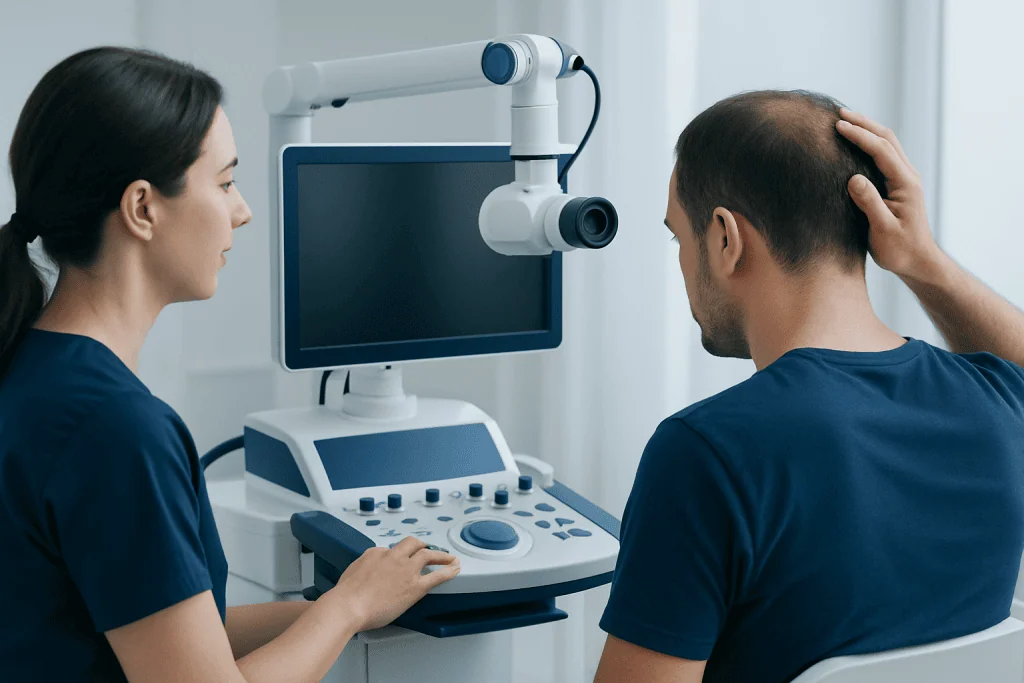
During the examination, the clinician looks at the pattern of scale, redness, bumps, crusting, and hair changes. A handheld magnifying tool called dermoscopy or trichoscopy may be used to examine hair shafts and follicles more closely. This can help distinguish inflammatory conditions from infection or hair shaft damage.
Some patients need additional testing. Skin swabs or scrapings may help identify fungal or bacterial infection. Patch testing may be considered if allergic contact dermatitis is suspected. In complex or persistent cases, a small scalp biopsy can provide useful information, especially when hair loss or possible scarring alopecia is involved.
Because several disorders can look similar, self-diagnosis is not always reliable. If symptoms continue despite over-the-counter products, professional assessment helps prevent unnecessary treatment and may lead to faster relief.
Treatment options and what care may involve
Treatment depends on the specific diagnosis. Many mild scalp conditions improve with medicated shampoos designed to reduce yeast overgrowth, inflammation, or scaling. Depending on the cause, a doctor may recommend shampoos containing antifungal, keratolytic, or anti-inflammatory ingredients. These usually work best when used as directed for an adequate length of time rather than only once or twice.
When inflammation is more significant, topical treatments such as lotions, foams, or solutions may be prescribed to calm redness and itch. Fungal infections often require oral medication rather than shampoo alone. Bacterial folliculitis may need antiseptic measures, topical antibiotics, or other targeted treatment. For allergic reactions, avoiding the trigger is a key part of care.
Patients with ongoing or complicated scalp disease may benefit from specialist evaluation in dermatology care. If symptoms are related to shedding or thinning, a broader assessment of scalp and follicle health may be helpful through hair loss evaluation and treatment planning, even when surgery is not being considered. In selected cases where patch testing is needed to identify product sensitivity, support from allergy assessment can also be useful.
For persistent inflammatory or autoimmune disorders, treatment may be longer term and may include prescription anti-inflammatory medicines or other therapies. The aim is not only to improve symptoms but also to protect the scalp barrier and, when relevant, preserve healthy hair growth.
Self-care, prevention, and everyday scalp habits
Good scalp care does not mean aggressive washing or frequent product changes. For many people, a gentle routine works best. Regular cleansing helps remove oil, sweat, and product buildup, but very harsh shampoos or vigorous scratching can worsen irritation. The ideal washing frequency varies by hair type, scalp oiliness, lifestyle, and the condition being treated.
It can help to avoid known triggers such as fragranced hair products, strong dyes, bleaching agents, or tight hairstyles that pull on the scalp. People with sensitive skin may benefit from simple, fragrance-free products. Heat styling tools should be used carefully, especially if the scalp already feels dry or inflamed.
- Use shampoos and treatments exactly as directed
- Avoid scratching, picking, or peeling scales
- Clean combs, brushes, hats, and pillowcases regularly
- Do not share hair tools if infection or lice is suspected
- Notice whether symptoms worsen after specific products
Stress management, adequate sleep, and attention to general health may also support the skin and hair cycle. However, self-care is supportive rather than curative for many conditions. If symptoms persist, spread, or cause hair loss, a medical review is the safest next step.
When to seek medical care
Many scalp conditions are mild, but some signs suggest the need for medical evaluation. Patients should arrange an appointment if symptoms last for several weeks, return repeatedly, or do not improve with basic scalp care or over-the-counter shampoo. A doctor can check whether the problem is inflammatory, infectious, allergic, or related to hair loss.
Prompt assessment is especially important if there is sudden or patchy hair loss, scalp pain, bleeding, pus, significant crusting, swollen lymph nodes, or fever. Children with scaling and hair breakage should also be evaluated because fungal scalp infection often needs prescription treatment.
Scalp symptoms can sometimes affect sleep, concentration, and emotional well-being, even when the underlying condition is not serious. Seeking care is reasonable whenever symptoms interfere with daily life or cause ongoing concern. Near the end of the care pathway, patients may also wish to know that Acibadem International’s multidisciplinary specialists in JCI-accredited hospitals diagnose and treat scalp and hair disorders for international patients.
Frequently asked questions
Are scalp conditions usually serious?
Most scalp conditions are not serious, but they can be uncomfortable and persistent. The main concern is getting the right diagnosis, because similar symptoms can have different causes and may need different treatment.
What is the difference between dandruff and seborrheic dermatitis?
Dandruff usually refers to mild flaking without much inflammation. Seborrheic dermatitis is a more inflamed form that can cause redness, itching, and greasy or yellowish scale on the scalp and sometimes around the eyebrows, ears, or nose.
Can scalp conditions cause hair loss?
Yes, some scalp conditions can contribute to hair shedding or patchy hair loss. In many cases the hair regrows after the inflammation or infection is treated, but some scarring conditions need early care to help protect the follicles.
Should a patient wash hair more often if the scalp is flaky?
Not always, but regular washing is often helpful, especially for oily scale. The best routine depends on the cause, hair type, and treatment plan, so a clinician may recommend a medicated shampoo or a gentler product rather than simply washing more often.
Can hair dye or shampoo trigger scalp problems?
Yes. Hair dyes, fragrances, preservatives, and some styling products can irritate the scalp or trigger allergic contact dermatitis. If symptoms begin after a new product, stopping it and seeking medical advice is sensible.
When should someone see a doctor for an itchy scalp?
A doctor should be consulted if the itching lasts for weeks, comes with redness, sores, pus, pain, or affects sleep and daily life. Medical care is also important if there is hair loss, thick scale, or concern about infection.
References
- American Academy of Dermatology
- National Institute of Arthritis and Musculoskeletal and Skin Diseases
- National Eczema Association
- Mayo Clinic
- British Association of Dermatologists
This article is for general information only and is not a substitute for professional medical advice. Please consult a qualified doctor about your individual situation.
Hair transplant in Turkey — costs, graft counts & a free assessment
JCI-accredited · board-certified surgeons · reply within 24h