Low Blood Pressure High Heart Rate Explained: Reference Ranges and What Affects Them

Blood pressure below about 90/60 mmHg is often considered low, while a resting heart rate above 100 beats per minute is generally considered high in adults. A low blood pressure high heart rate pattern may occur as a normal response to dehydration, heat, pain, anxiety, or sudden standing.
Key Takeaways
- Blood pressure below about 90/60 mmHg is often considered low, while a resting heart rate above 100 beats per minute is generally considered high in adults.
- A low blood pressure high heart rate pattern may occur as a normal response to dehydration, heat, pain, anxiety, or sudden standing.
- The combination becomes more medically meaningful when it causes symptoms such as fainting, chest pain, confusion, or shortness of breath.
- Age, fitness level, pregnancy, medicines, and underlying health conditions can all affect blood pressure and pulse readings.
- Repeated abnormal readings or symptoms should be evaluated by a qualified clinician to identify the cause and guide treatment.
Low blood pressure with a high heart rate often means the body is trying to maintain blood flow when blood pressure drops. Sometimes this is temporary, such as after dehydration or standing up quickly, but it can also signal an infection, bleeding, medication effect, or heart-related problem that needs medical assessment.
Overview: what low blood pressure and high heart rate can mean
Low blood pressure high heart rate usually means blood pressure is lower than expected while the pulse is faster than usual at the same time. In many cases, the body increases heart rate to help keep enough blood flowing to the brain and vital organs when blood pressure falls. This can happen for simple reasons, such as dehydration, missed meals, heat exposure, or standing up quickly, but it may also occur with illness or an underlying medical condition.
As a general reference in adults, blood pressure below 90/60 mmHg is commonly described as low, and a resting heart rate above 100 beats per minute is commonly described as high. These numbers are useful starting points, but they do not tell the whole story on their own. A person with naturally low blood pressure may feel completely well, while another person may feel unwell with a blood pressure that is technically within the normal range but much lower than usual for them.
The most important question is not only what the numbers are, but also what context they happen in. A fast pulse after exercise is expected. A lower blood pressure in a young, healthy person may be normal. By contrast, low blood pressure with a rapid heart rate during fever, vomiting, heavy bleeding, chest pain, or fainting deserves prompt medical attention.
Reference ranges first: blood pressure and heart rate basics
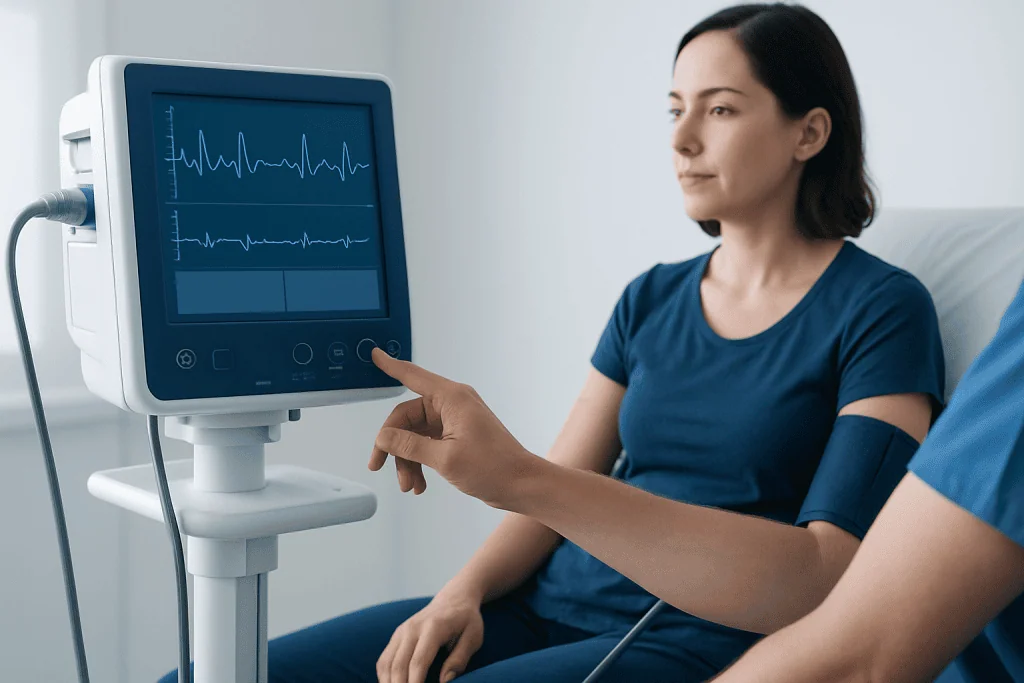
Blood pressure is recorded as two numbers: systolic pressure, when the heart contracts, over diastolic pressure, when the heart relaxes. For many adults, a blood pressure around 120/80 mmHg is considered a typical reference point. Readings below 90/60 mmHg are often labeled hypotension, but whether this matters depends on symptoms and a person’s usual baseline.
Resting heart rate in adults often falls between 60 and 100 beats per minute. Well-trained athletes may naturally have lower resting heart rates. A heart rate above 100 beats per minute at rest is called tachycardia. However, pulse can rise temporarily with stress, caffeine, pain, fever, dehydration, pregnancy, and activity, so one isolated reading does not always indicate disease.
Variation by age, sex, and life stage is important. Children normally have faster heart rates than adults. Older adults may be more sensitive to blood pressure changes because of medications, dehydration, or age-related changes in blood vessel regulation. During pregnancy, heart rate often rises and blood pressure can shift, especially in the first and second trimesters.
Readings are also affected by how they are measured. Blood pressure may look lower after prolonged standing, in a warm room, or if a person is ill and not drinking enough fluids. Heart rate may appear higher after walking, speaking, anxiety, nicotine use, or recent caffeine. For the most useful home readings, it helps to sit quietly for several minutes and measure under similar conditions each time.
When is the combination medically meaningful?

The combination of low blood pressure and a high heart rate becomes more meaningful when it causes symptoms or appears suddenly. Symptoms suggest that the body may not be getting enough effective blood flow. Warning signs include lightheadedness, fainting, weakness, blurred vision, clammy skin, nausea, unusual fatigue, shortness of breath, chest discomfort, or confusion.
A person may also feel palpitations, meaning an awareness of the heartbeat, when the pulse is fast. Palpitations can be harmless in some situations, but they should be taken more seriously if they occur with dizziness, near-fainting, chest pain, or breathlessness. In these situations, the issue may not be the numbers alone but the possibility of an underlying rhythm problem, fluid loss, infection, or reduced circulation.
Doctors often look for patterns rather than a single measurement. For example, low blood pressure and a fast pulse that improve after drinking fluids may point toward dehydration. A drop in blood pressure after standing, called orthostatic hypotension, may suggest a fluid balance problem, medication effect, or nervous system cause. A persistently rapid pulse despite rest may require further evaluation for conditions such as anemia, thyroid disease, infection, or a heart rhythm disorder.
Common causes and factors that affect both readings
One of the most common causes of low blood pressure with a fast heart rate is dehydration. Vomiting, diarrhea, sweating, fever, poor fluid intake, or use of diuretic medicines can lower circulating fluid volume. In response, the body speeds up the heart to maintain blood flow. Blood loss, including heavy menstrual bleeding or internal bleeding, can produce a similar pattern and should be taken seriously.
Infections can also trigger this combination, especially when accompanied by fever, weakness, or confusion. Pain, anxiety, panic, and emotional stress may temporarily raise heart rate, and in some people they can contribute to lower blood pressure or lightheadedness. Heat exposure and prolonged standing may widen blood vessels, making blood pressure fall and pulse rise.
Medicines are another important factor. Blood pressure medicines, diuretics, some antidepressants, medicines for Parkinson’s disease, and treatments that affect heart rhythm can all influence blood pressure or pulse. Stimulants, decongestants, nicotine, alcohol, and recreational drugs may also change readings.
Underlying medical conditions can be involved as well. These may include anemia, endocrine disorders such as adrenal insufficiency or thyroid disease, autonomic nervous system disorders, pregnancy-related changes, and certain heart problems including arrhythmias or structural disease. In some people, doctors evaluate for related conditions such as heart rhythm disorders or heart failure when symptoms and examination findings suggest a cardiovascular cause.
- Dehydration or heat illness
- Blood loss or anemia
- Fever or infection
- Standing up quickly or prolonged standing
- Medication side effects
- Anxiety, pain, or panic symptoms
- Pregnancy-related changes
- Heart rhythm or heart pumping problems
How doctors evaluate low blood pressure with a high pulse
Evaluation starts with the story behind the readings. A clinician asks when symptoms began, whether they happen at rest or on standing, what medicines or supplements are being taken, and whether there has been vomiting, diarrhea, fever, bleeding, chest pain, or recent illness. This background often helps narrow the cause quickly.
Physical examination usually includes repeated blood pressure and pulse measurements, sometimes lying down and again after standing. This helps identify orthostatic changes. Doctors may also assess temperature, oxygen level, hydration status, heart and lung sounds, and signs of infection, anemia, or poor circulation.
Tests depend on the situation. They may include blood tests to look for anemia, infection, electrolyte imbalance, kidney function, or thyroid problems. An electrocardiogram can help identify an abnormal rhythm. In selected cases, doctors may recommend a heart monitor, echocardiogram, or imaging studies if they suspect a cardiovascular problem. Useful evaluation may involve electrocardiography and, when appropriate, echocardiography to assess heart rhythm and pumping function.
Home monitoring can also be helpful when symptoms are intermittent. Patients may be asked to record blood pressure, pulse, time of day, body position, recent food or fluid intake, and symptoms. This can help distinguish an occasional normal fluctuation from a recurring pattern that needs treatment.
Treatment and self-care depend on the cause
Treatment focuses on correcting the reason for the abnormal pattern rather than only changing the numbers. If dehydration is the cause, increasing fluids and replacing losses may improve both blood pressure and heart rate. If a medication is contributing, a doctor may review whether the type, dose, or timing should be adjusted. If infection, anemia, bleeding, or an endocrine issue is present, treatment targets that condition directly.
For people with symptoms after standing, practical measures can help. These may include rising slowly, avoiding prolonged standing, staying well hydrated, and discussing medication timing with a clinician. Some people benefit from compression garments or specific lifestyle strategies, but these should be guided by a healthcare professional because the best approach depends on the cause and a person’s overall health.
If a heart rhythm problem is found, management may range from observation to medication or procedures depending on the rhythm and symptoms. In selected patients, clinicians may investigate or treat the issue with tools such as cardiac electrophysiology. When the pattern is linked to a broader cardiovascular condition, care is tailored to the specific diagnosis and risk factors.
People should avoid self-treating persistent symptoms with large amounts of caffeine or salt unless a doctor has advised it. While these may temporarily affect blood pressure or pulse, they can worsen symptoms or be unsafe in certain medical conditions.
When to seek medical care
Urgent medical care is appropriate if low blood pressure and a high heart rate happen with fainting, chest pain, shortness of breath, severe weakness, confusion, bluish lips, or signs of significant bleeding. These features may indicate a serious circulation, rhythm, or infection-related problem that needs immediate attention.
Medical assessment is also important if symptoms are new, recurring, or getting worse, even if they seem mild. Examples include repeated dizziness on standing, persistent palpitations, unexplained fatigue, or readings that remain abnormal at rest. Pregnant individuals, older adults, and people with known heart disease should be especially cautious because causes may be more complex.
If home readings are concerning, it helps to bring a log of blood pressure, pulse, symptoms, and any triggers to the appointment. This can make it easier to understand whether the issue is situational, medication-related, or due to an underlying condition. Near the end of the care pathway, some patients may benefit from multidisciplinary review; Acibadem International’s specialists in JCI-accredited hospitals evaluate and treat cardiovascular and internal medicine causes for international patients when appropriate.
Frequently asked questions
Is low blood pressure with a high heart rate always dangerous?
No. It can happen temporarily with dehydration, heat, anxiety, pain, or standing up quickly. It becomes more concerning when it is persistent, happens at rest, or causes symptoms such as fainting, chest pain, confusion, or shortness of breath.
What numbers count as low blood pressure and high heart rate?
In adults, blood pressure below about 90/60 mmHg is commonly considered low, and a resting heart rate above 100 beats per minute is generally considered high. These are reference ranges, not absolute rules, because normal values vary by person, age, fitness, and situation.
Can dehydration cause low blood pressure and a fast pulse?
Yes. When the body loses fluid, blood volume can fall, which may lower blood pressure. The heart may then beat faster to help maintain circulation, especially if there is vomiting, diarrhea, sweating, fever, or poor fluid intake.
Can anxiety cause this combination?
Anxiety and panic can raise heart rate and sometimes contribute to lightheadedness or lower blood pressure, especially if breathing patterns change or the person has not eaten or hydrated well. Even so, symptoms should not automatically be assumed to be anxiety, particularly if they are new or severe.
Should blood pressure and pulse be checked while standing?
Sometimes, yes. If symptoms happen when standing up, a clinician may compare readings while lying down, sitting, and standing to look for orthostatic changes. This can help show whether blood pressure is dropping and the heart rate is compensating.
When should someone call a doctor about these readings?
A doctor should be contacted if the pattern keeps happening, causes dizziness, palpitations, weakness, or interferes with daily activities. Emergency care is needed if it occurs with fainting, chest pain, severe shortness of breath, confusion, or heavy bleeding.
References
- American Heart Association
- National Heart, Lung, and Blood Institute
- Centers for Disease Control and Prevention
- National Institute on Aging
- Mayo Clinic
This article is for general information only and is not a substitute for professional medical advice. Please consult a qualified doctor about your individual situation.
Heart care in Turkey — expert evaluation and treatment
JCI-accredited · board-certified surgeons · reply within 24h
Add us as a Preferred Source to see more of our trusted health content across Google Search, AI Overviews and Discover.
Check your numbers in seconds
BMI, calories, due date, blood pressure and 30+ more clinical calculators — free, instant, doctor-reviewed ranges.