Understanding Pulpitis: A Complete Patient Guide

Pulpitis is inflammation of the tooth pulp, usually caused by decay, injury, or repeated dental irritation. Symptoms can range from brief sensitivity to severe, lingering tooth pain.
Key Takeaways
- Pulpitis is inflammation of the tooth pulp, usually caused by decay, injury, or repeated dental irritation.
- Symptoms can range from brief sensitivity to severe, lingering tooth pain.
- Reversible pulpitis may improve when the cause is treated early, while irreversible pulpitis often needs root canal treatment or extraction.
- A dentist diagnoses pulpitis through an exam, symptom review, and often dental X-rays.
- Prompt dental care can reduce pain, treat infection, and improve the chance of saving the tooth.
Pulpitis is inflammation inside the soft center of a tooth, called the pulp, where nerves and blood vessels are located. It can cause pain, sensitivity to hot or cold, and tenderness when biting, but early treatment may prevent more serious damage.
Overview: what pulpitis means
Pulpitis is inflammation of the dental pulp, the soft tissue in the center of a tooth that contains nerves, blood vessels, and connective tissue. When this tissue becomes irritated or infected, the tooth may become sensitive or painful. In simple terms, pulpitis means the inner part of the tooth is reacting to damage.
The condition is often grouped into two main types: reversible pulpitis and irreversible pulpitis. In reversible pulpitis, the pulp is irritated but can still recover if the cause is treated. In irreversible pulpitis, the damage is more advanced, and the pulp is unlikely to heal on its own.
Pulpitis is not just a painful toothache. It is a sign that the tooth needs professional attention. Without treatment, inflammation can progress to pulp death, infection around the tooth root, or a dental abscess. This is why symptoms that continue or worsen should be assessed by a dentist.
Symptoms and how pain patterns can differ
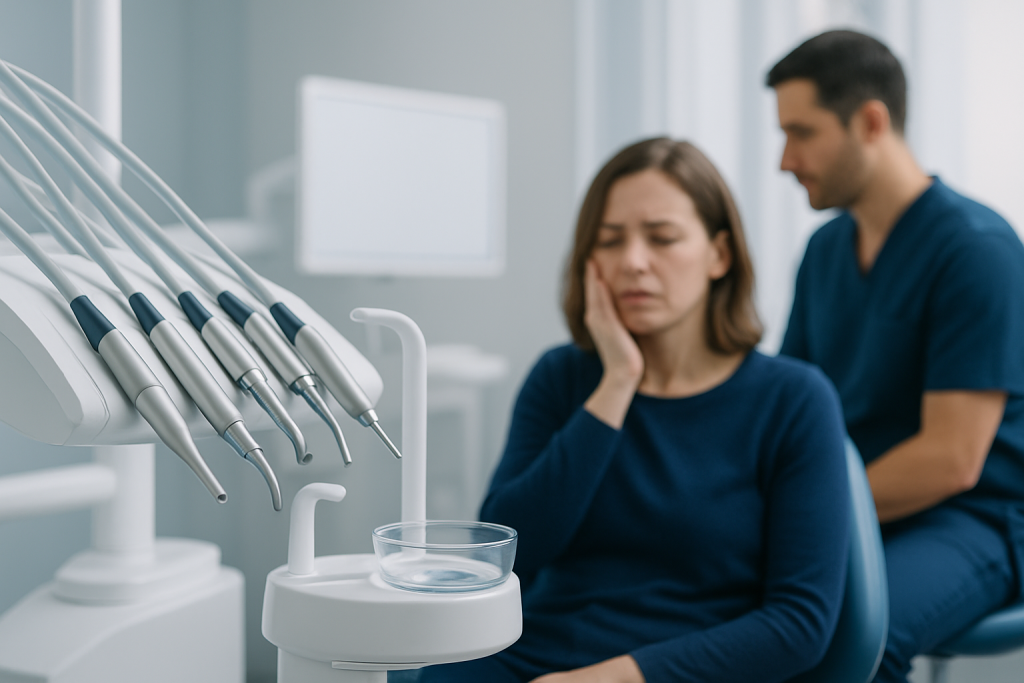
The symptoms of pulpitis can vary depending on how inflamed the pulp is. Some people notice only mild sensitivity to cold drinks or sweet foods, while others develop stronger pain that interferes with eating or sleep. The pattern of pain often gives dentists important clues about whether the condition may be reversible or irreversible.
Common symptoms include:
- Tooth pain or throbbing
- Sensitivity to hot, cold, or sweet foods and drinks
- Pain when biting or chewing
- Lingering discomfort after temperature changes
- Tenderness around the tooth
- In some cases, swelling or a bad taste if infection develops
With reversible pulpitis, discomfort is often brief and triggered by something specific, such as cold water or sugary foods. Once the trigger is removed, the pain usually fades quickly. With irreversible pulpitis, pain may last longer, occur spontaneously, or become severe enough to wake a person at night.
Not every painful tooth has pulpitis, and not all pulpitis causes dramatic symptoms. Sometimes the pulp becomes damaged gradually, so a person may delay care until the problem becomes more serious. A proper dental evaluation helps distinguish pulpitis from issues such as gum disease, cracked teeth, or tooth decay.
Causes and risk factors

The most common cause of pulpitis is untreated tooth decay. As decay moves deeper through the enamel and dentin, bacteria and irritation can reach the pulp. This can lead to inflammation, infection, and increasing pressure within the tooth.
Other causes are also possible. A tooth may develop pulpitis after trauma, such as a fall, sports injury, or a blow to the mouth. Repeated dental procedures on the same tooth, deep fillings, tooth grinding, or a cracked tooth can also irritate the pulp over time.
Risk factors that make pulpitis more likely include poor oral hygiene, frequent sugary snacks or drinks, delayed dental visits, and conditions that increase the chance of dental damage. In some cases, advanced wear or fractures may expose the inner layers of the tooth and allow bacteria to enter. Pulp inflammation may also develop alongside problems such as gum disease when overall oral health is affected.
Although home care can support dental health, pulpitis itself cannot be reliably diagnosed or cured at home. Persistent pain, especially pain that lingers after hot or cold exposure, should be checked by a dentist rather than managed only with temporary measures.
How dentists diagnose pulpitis
Diagnosis starts with a discussion of symptoms. A dentist will usually ask when the pain began, what triggers it, how long it lasts, and whether it is sharp, throbbing, or constant. These details help estimate how much the pulp may be affected.
The dental exam may include looking for cavities, cracks, leaking fillings, swelling, or gum changes. The dentist may gently tap the tooth, test how it responds to hot or cold, or use other pulp sensitivity tests. These methods help identify whether the pulp is inflamed and whether the surrounding tissues are involved.
Dental X-rays are often used to look for decay, deep restorations, changes near the root tip, or other structural problems. However, X-rays do not always show the full degree of pulp inflammation, especially early on. Dentists combine imaging with the exam and symptom pattern to make the diagnosis.
Sometimes the dentist may need to distinguish pulpitis from related conditions such as a cracked tooth, sinus-related pain, or an abscess. If there are signs of deeper infection, swelling, or spreading symptoms, prompt treatment becomes even more important.
Treatment options and what recovery may involve
Treatment depends on whether the pulpitis is reversible or irreversible. In reversible pulpitis, the goal is to remove the source of irritation so the pulp can recover. This may involve treating decay, replacing a damaged filling, adjusting a bite problem, or protecting a cracked area of the tooth.
If the pulpitis is irreversible, the inflamed pulp usually cannot heal on its own. In that case, a dentist may recommend root canal treatment to remove the damaged pulp, clean the inside of the tooth, and seal it. In some situations, if the tooth cannot be restored, tooth extraction may be the safest option.
After treatment, the tooth may need further restoration for strength and function. Many teeth that have had root canal treatment are later covered with a dental crown, especially back teeth that handle more chewing pressure. The exact plan depends on the amount of remaining tooth structure and overall dental health.
Pain relief can also be part of care, but self-medicating should not replace diagnosis. Antibiotics are not routinely needed for pulpitis unless there is evidence of spreading infection. The best approach is individualized dental care based on the cause, severity, and the condition of the tooth.
Prevention and self-care
The best way to prevent pulpitis is to reduce the risk of tooth decay and tooth damage. Daily brushing with fluoride toothpaste, cleaning between teeth, and regular dental checkups help identify problems before they reach the pulp. Small cavities are much easier to treat than deep decay that causes tooth pain.
Healthy habits can also make a difference. Limiting frequent sugary snacks and acidic drinks may reduce enamel damage and bacterial growth. People who grind their teeth may benefit from discussing protective options with a dentist, especially if they have signs of wear or cracked teeth.
If a tooth becomes sensitive, it is sensible to avoid very hot, very cold, or very sweet triggers until it is examined. However, sensitivity that keeps coming back should not be ignored. Temporary relief measures do not reverse pulp inflammation if the underlying problem is still present.
Good self-care also includes protecting the teeth from injury. Wearing a mouthguard during contact sports and seeking care after dental trauma can reduce the chance of later pulp complications.
When to seek medical care
A dentist should assess tooth pain that is severe, recurring, or lasting more than a short time. Care is especially important if pain lingers after hot or cold exposure, if chewing becomes painful, or if a tooth feels unusually sensitive without a clear reason.
Urgent evaluation is needed if there is swelling of the gums or face, fever, pus, a bad taste in the mouth, or difficulty opening the mouth. These signs may suggest a more advanced dental infection that needs prompt treatment.
It is also wise to seek care after a cracked tooth, a dental injury, or loss of a filling if pain develops soon afterward. Early treatment may improve the chance of saving the tooth and preventing complications.
For people traveling for care, Acibadem International’s multidisciplinary specialists and JCI-accredited hospitals diagnose and treat dental conditions for international patients, including tooth pain related to pulp disease and restorative needs.
Frequently asked questions
Can pulpitis go away on its own?
Mild reversible pulpitis may improve if the source of irritation is treated quickly, such as a cavity or damaged filling. However, pulpitis should not be assumed to heal without dental care, because symptoms can worsen and the tooth may become infected.
What is the difference between reversible and irreversible pulpitis?
Reversible pulpitis means the pulp is inflamed but still able to recover once the cause is removed. Irreversible pulpitis means the damage is more advanced, and the pulp is unlikely to heal, so procedures such as root canal treatment are often needed.
Is pulpitis always caused by a cavity?
No. Cavities are the most common cause, but pulpitis can also happen after trauma, a cracked tooth, tooth grinding, or repeated dental procedures on the same tooth. Any irritation that affects the inner part of the tooth may lead to inflammation.
Does pulpitis always require a root canal?
Not always. If the condition is reversible, treating the cause may be enough and the pulp may recover. If it is irreversible, root canal treatment or, in some cases, extraction is often needed to address the damaged pulp.
How painful is pulpitis?
Pain can range from mild sensitivity to intense throbbing discomfort. Some people only feel brief pain with cold or sweets, while others have spontaneous or lingering pain that can disturb sleep.
Can antibiotics cure pulpitis?
Antibiotics do not usually treat the main problem in pulpitis because the issue is inflammation or infection inside the tooth. They may be used if there is a spreading infection, but dental treatment is still needed to remove the cause.
References
- American Dental Association
- National Institute of Dental and Craniofacial Research
- Mayo Clinic
- Merck Manual Consumer Version
This article is for general information only and is not a substitute for professional medical advice. Please consult a qualified doctor about your individual situation.
Explore treatments in Turkey — costs, top hospitals & a free quote
JCI-accredited · board-certified surgeons · reply within 24h
Add us as a Preferred Source to see more of our trusted health content across Google Search, AI Overviews and Discover.