Bph Treatment: Diagnosis, Outlook, and Modern Treatment Approaches

BPH is a non-cancerous enlargement of the prostate that can affect urination. Not everyone with BPH needs immediate treatment; mild symptoms may be monitored.
Key Takeaways
- BPH is a non-cancerous enlargement of the prostate that can affect urination.
- Not everyone with BPH needs immediate treatment; mild symptoms may be monitored.
- Diagnosis usually includes symptom review, physical examination, urine testing, and selected prostate tests.
- Treatment options include lifestyle changes, medication, minimally invasive therapies, and surgery.
- Urgent medical care is needed for inability to urinate, fever with urinary symptoms, or blood in the urine.
BPH treatment is chosen based on symptom severity, prostate size, overall health, and how much daily life is affected. Options range from watchful waiting and medicines to minimally invasive procedures and surgery, with most people able to find effective symptom relief.
Overview: What BPH treatment involves
BPH treatment refers to the medical care used to manage benign prostatic hyperplasia, a non-cancerous enlargement of the prostate gland. The goal is to reduce bothersome urinary symptoms, protect bladder and kidney function, and improve quality of life. Treatment is not the same for everyone, because symptom severity, prostate size, age, other health conditions, and personal preferences all matter.
Some people have only mild symptoms and may do well with monitoring and practical self-care measures. Others benefit from medication that relaxes the prostate or shrinks it over time. When symptoms are more disruptive, when complications develop, or when medicines do not help enough, doctors may recommend minimally invasive therapy or surgery.
BPH is common with aging, but it is not the same as prostate cancer. The two conditions can cause some similar urinary symptoms, so proper assessment is important. A structured evaluation helps determine whether symptoms are most likely due to BPH, infection, bladder problems, or another cause, and guides the safest treatment plan.
How BPH affects the urinary system
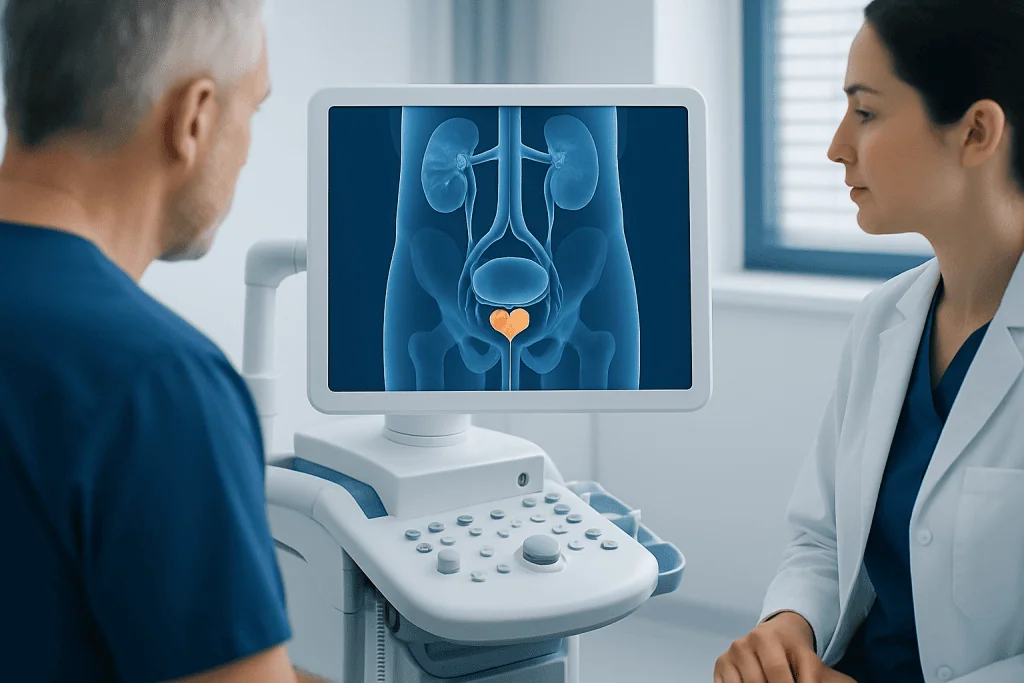
The prostate sits below the bladder and surrounds part of the urethra, the tube that carries urine out of the body. As the prostate enlarges, it can press on the urethra and make it harder for urine to flow freely. The bladder may then have to work harder to empty, which can lead to both storage and emptying symptoms.
Common symptoms include a weak urine stream, hesitancy, straining, dribbling at the end of urination, a feeling of incomplete emptying, and the need to urinate more often. Some people notice urgency, frequent nighttime urination, or sudden urges that are difficult to postpone. Symptoms can vary from mild and occasional to persistent and disruptive.
If BPH becomes more advanced, it may contribute to urinary retention, bladder stones, recurrent urinary tract infections, or blood in the urine. In some cases, long-term obstruction can affect kidney function. This is why symptoms that seem minor at first still deserve medical review if they continue or worsen over time.
Symptoms, causes, and risk factors

The symptoms of BPH usually develop gradually. A person may first notice getting up several times at night, taking longer to start urinating, or feeling that the bladder does not empty fully. These changes can interfere with sleep, travel, work, and social activities, which is one reason treatment decisions focus not only on test results but also on daily impact.
The exact cause of BPH is not fully understood, but age-related hormonal changes are believed to play a major role. The prostate commonly enlarges over time, especially after midlife. Family history, obesity, diabetes, metabolic syndrome, and cardiovascular risk factors may also increase the chance of symptomatic prostate enlargement.
Urinary symptoms are not always caused by BPH alone. Similar complaints can occur with prostatitis, overactive bladder, urinary tract infection, urethral narrowing, bladder stones, or neurological conditions. Because of this overlap, doctors often evaluate for other explanations before confirming benign prostatic hyperplasia.
- Common symptom patterns include frequency, urgency, nocturia, weak stream, and incomplete emptying.
- Risk tends to increase with age.
- Other conditions can mimic BPH, so self-diagnosis is unreliable.
How BPH is diagnosed
BPH diagnosis usually begins with a detailed conversation about symptoms, how long they have been present, and how much they affect everyday life. Doctors often use a symptom questionnaire to measure severity and track changes over time. A physical examination, including a digital rectal exam, may help estimate prostate enlargement and check for other findings.
Basic tests often include a urine test to look for infection or blood and blood tests when needed. A prostate-specific antigen test may be considered in selected patients, especially when the result could affect treatment decisions or help evaluate for other prostate conditions. Some people also have a bladder scan after urination to measure how much urine remains in the bladder.
Further testing is tailored to the situation. Flow studies, cystoscopy, ultrasound, or other imaging may be used if symptoms are severe, there is concern about complications, or a procedure is being planned. A careful diagnostic approach helps match the person to the most suitable enlarged prostate treatment and avoids unnecessary interventions.
BPH treatment options: from monitoring to surgery
For mild symptoms, doctors may recommend watchful waiting. This means regular follow-up combined with practical measures such as limiting evening fluids, reducing alcohol and caffeine, and reviewing medicines that may worsen urination. Monitoring can be appropriate when symptoms are stable and there are no complications such as urinary retention or kidney problems.
Medication is a common next step when symptoms are more bothersome. Alpha blockers can help relax the muscles around the prostate and bladder neck, which may improve urine flow relatively quickly. Other medicines may help shrink the prostate over time in selected patients. In some cases, combination therapy is used. Choice of medicine depends on symptom pattern, prostate size, blood pressure, sexual side effects, and other medical factors.
Minimally invasive therapies may be considered when medication is not enough, causes side effects, or is not preferred. These treatments aim to widen the blocked urinary channel while reducing recovery time compared with traditional surgery. Depending on the individual case, a specialist may discuss options available within urology care or, when surgery is the best fit, procedures performed in robotic surgery programs.
Surgery is usually reserved for significant obstruction, repeated urinary retention, recurrent infections, bladder stones, persistent bleeding, kidney effects, or symptoms that remain severe despite other treatment. The exact procedure depends on prostate size, anatomy, overall health, and surgeon expertise. If tests suggest concern beyond BPH alone, doctors may also assess for prostate cancer before finalizing the treatment plan.
Modern treatment approaches and choosing the right plan
Modern BPH care is increasingly personalized rather than based on a single standard pathway. Doctors consider symptom burden, prostate size, the shape of the prostate, bladder function, sexual health priorities, and the person’s preference for durability versus recovery speed. This is important because one treatment may be ideal for a smaller prostate with urgency symptoms, while another may suit a larger gland or repeated urinary retention.
In current practice, many people are treated successfully without major surgery. Minimally invasive methods may offer symptom relief with shorter recovery and less disruption to daily routine, though not all techniques are suitable for every anatomy. Traditional endoscopic or surgical procedures may provide more definitive relief in some cases, especially with larger prostates or complications.
Treatment planning also involves discussing benefits, limits, and possible side effects in a realistic way. Some options may affect ejaculation, bladder control, or the need for future retreatment. A balanced discussion helps patients understand what improvement to expect and how quickly it may happen. Where needed, additional evaluation through a structured health check-up can help clarify overall health factors before treatment.
At centers that care for international patients, multidisciplinary assessment can be helpful when symptoms overlap with bladder, kidney, or general medical issues. Acibadem International’s multidisciplinary specialists in JCI-accredited hospitals diagnose and treat BPH and related urinary conditions using individualized plans based on current clinical practice.
Self-care, prevention, and living with BPH
There is no guaranteed way to prevent BPH, but healthy habits may help reduce symptom burden and support urinary health. Weight management, regular physical activity, and good control of blood pressure and blood sugar are sensible steps because metabolic health can influence lower urinary tract symptoms. It can also help to avoid constipation, which may put extra pressure on the bladder outlet.
Simple bladder-friendly strategies are often useful. These include reducing fluids a few hours before bedtime, limiting caffeine and alcohol if they trigger urgency, taking time to empty the bladder without straining, and discussing nonprescription cold medicines with a doctor or pharmacist. Some decongestants and antihistamines can make urination more difficult in people with BPH.
People living with BPH should not stop or start treatment on their own without medical advice. Follow-up matters because symptoms can change over time, and treatment may need adjustment. If a person suddenly cannot urinate, develops fever, severe pain, or visible blood in the urine, prompt assessment is important rather than waiting for a routine appointment.
When to seek medical care
Medical review is appropriate when urinary symptoms are persistent, worsening, or beginning to affect sleep, work, travel, or emotional well-being. A doctor should also assess symptoms that start suddenly, because infection, bladder problems, or medication effects may need attention. Even if symptoms seem mild, repeated nighttime urination or a weak stream can still be worth discussing.
Urgent care is needed if a person is unable to pass urine, has fever or chills with urinary symptoms, notices significant blood in the urine, or develops severe lower abdominal pain. These can be signs of urinary retention, infection, or another complication that should not be managed at home. Seeking care early often makes treatment simpler and more effective.
It is also wise to seek specialist advice when symptoms continue despite treatment or when there are concerns about side effects, sexual function, or the possibility of another prostate condition. A qualified urologist can review the diagnosis, reassess the treatment plan, and explain whether monitoring, medicines, or a procedure is most appropriate.
Frequently asked questions
What is the best BPH treatment?
There is no single best treatment for everyone. The best option depends on symptom severity, prostate size, overall health, and whether the person prefers monitoring, medication, or a procedure. A urologist can help match treatment to the individual situation.
Can BPH go away on its own?
BPH usually does not fully reverse on its own, because it is related to gradual prostate enlargement over time. However, symptoms can remain mild or stable for long periods, and some people only need monitoring and self-care. Regular follow-up helps detect changes early.
When is surgery needed for BPH?
Surgery is usually considered when symptoms are severe, medicines are not helping enough, or complications develop. Examples include repeated urinary retention, bladder stones, recurrent infections, persistent bleeding, or effects on kidney function. The exact type of surgery depends on prostate size and anatomy.
Do all people with BPH need medication?
No. If symptoms are mild and there are no complications, doctors may recommend watchful waiting with lifestyle adjustments. Medication is more often used when symptoms are bothersome or interfering with daily life.
Is BPH the same as prostate cancer?
No, BPH is a non-cancerous enlargement of the prostate. It can cause urinary symptoms similar to those seen with other prostate conditions, which is why proper evaluation is important. Having BPH does not automatically mean a person has prostate cancer.
Can lifestyle changes really help BPH symptoms?
Yes, lifestyle measures can make a meaningful difference, especially in mild to moderate cases. Common steps include limiting evening fluids, reducing caffeine and alcohol, staying active, and reviewing medicines that may worsen urinary symptoms. These steps are often used together with medical treatment when needed.
References
- National Institute of Diabetes and Digestive and Kidney Diseases
- American Urological Association
- European Association of Urology
- Urology Care Foundation
- National Health Service
This article is for general information only and is not a substitute for professional medical advice. Please consult a qualified doctor about your individual situation.
Explore treatments in Turkey — costs, top hospitals & a free quote
JCI-accredited · board-certified surgeons · reply within 24h
Add us as a Preferred Source to see more of our trusted health content across Google Search, AI Overviews and Discover.

More from the Health Library



Related Specialists

Dr. Filiz Candan Topuz
Gynecology & Obstetrics
Dt. Kübra Aycan Tavuz
Oral & Dental Health
Dr. Ali Riza Özdurmuş
Oral & Dental Health
Dr. Fulya Coşan
Anesthesiology