Night Sweats Before Period: What Is Normal, What Is Not, and When to Seek Care

Mild night sweats before a period can happen as estrogen and progesterone levels change. A rise in body temperature in the luteal phase may make some people feel unusually warm at night.
Key Takeaways
- Mild night sweats before a period can happen as estrogen and progesterone levels change.
- A rise in body temperature in the luteal phase may make some people feel unusually warm at night.
- Night sweats are less likely to be normal if they are drenching, frequent, or occur throughout the month.
- Other causes can include stress, infection, thyroid problems, medication effects, pregnancy, or perimenopause.
- Keeping the bedroom cool and tracking symptoms across several cycles can help identify patterns.
- A doctor should evaluate night sweats that are persistent, severe, or linked with other symptoms.
Night sweats before a period are often linked to normal hormonal changes, especially shifts in estrogen and progesterone in the days before bleeding starts. They are not always a sign of illness, but frequent, severe, or new night sweats deserve medical attention, particularly if they come with fever, weight loss, missed periods, or other concerning symptoms.
Overview: Are Night Sweats Before a Period Normal?
Night sweats before a period can be normal for some people. In many cases, they happen because hormone levels shift during the second half of the menstrual cycle, which can slightly change body temperature and how the body regulates heat during sleep.
These sweats are usually considered more likely to be a normal premenstrual symptom when they are mild, happen mainly in the days before bleeding starts, and improve once the period begins. Some people also notice other premenstrual changes at the same time, such as bloating, breast tenderness, mood changes, cramps, or disturbed sleep.
However, not every episode of sweating is caused by the menstrual cycle. Night sweats that are new, drenching, ongoing, or unrelated to the timing of a period may point to another issue. A careful look at the pattern, associated symptoms, medications, and overall health can help clarify whether the cause is hormonal or something else.
Why Hormones Can Cause Night Sweats Before a Period
After ovulation, the body enters the luteal phase of the menstrual cycle. During this phase, progesterone rises and body temperature naturally increases slightly. At the same time, estrogen levels also fluctuate. In some people, these changes can affect the brain’s temperature regulation and make the body feel warmer overnight.
Even a small shift in core temperature can matter during sleep, when the body normally cools itself as part of the sleep cycle. If the room is warm, bedding is heavy, or someone is already sensitive to hormonal changes, this temperature rise may trigger sweating or repeated waking during the night.
This process is somewhat similar to the way hormonal changes can contribute to hot flashes in perimenopause, although premenstrual night sweats are usually less intense and shorter-lived. If symptoms become more frequent with age, especially with cycle changes, a doctor may also consider menopause and the menopausal transition as part of the evaluation.
What Is Usually Considered Normal and What Is Not

A pattern is more likely to be normal when the sweating appears only in the days before a period, is mild to moderate, and does not soak sleepwear or bedding regularly. Many people describe feeling unusually warm, waking slightly damp, or needing a lighter blanket rather than experiencing severe episodes.
It is less likely to be a typical premenstrual symptom if the sweating is drenching, happens at many points in the month, or starts suddenly after having no previous history of it. Night sweats that interrupt sleep often, cause exhaustion, or occur with racing heartbeats, dizziness, or marked anxiety may need further assessment.
Another important clue is whether the person has a regular menstrual pattern. If night sweats are paired with missed periods, very heavy bleeding, fertility concerns, or symptoms of hormone imbalance, a clinician may look for conditions such as polycystic ovary syndrome (PCOS), thyroid disease, pregnancy, or the transition toward menopause.
Other Possible Causes of Night Sweats
Although hormones are a common explanation, night sweats can have many causes. Infections, fever, anxiety, thyroid overactivity, some autoimmune conditions, and certain cancers can all be associated with sweating at night. Most people with occasional premenstrual sweating do not have a serious disease, but persistent symptoms should not be assumed to be hormonal without a proper review.
Medication effects are another possibility. Antidepressants, steroids, some pain medicines, and drugs that affect hormones can contribute to sweating. Alcohol, caffeine, smoking, spicy foods, and sleeping in an overheated room may also make symptoms more noticeable around the premenstrual phase.
Pregnancy can sometimes cause warmth and increased sweating because of hormonal shifts and changes in circulation. If a period is late or unusual, pregnancy testing may be appropriate. Sleep disorders and stress-related sleep disruption can also play a role, especially when night sweats are accompanied by insomnia or vivid dreams.
- Common non-cycle causes include infection, stress, thyroid problems, and medication side effects.
- Lifestyle factors such as alcohol, caffeine, and warm bedding can worsen symptoms.
- A symptom diary can help show whether the sweating is linked to the menstrual cycle or not.
How Doctors Evaluate Night Sweats Before a Period
Evaluation usually begins with the symptom pattern. A doctor may ask when the sweating happens in relation to the menstrual cycle, how severe it is, whether it soaks sheets, and whether there are other symptoms such as fever, weight loss, palpitations, heavy bleeding, pelvic pain, or missed periods. A menstrual and medical history often provides important clues.
A physical examination may be followed by basic tests if needed. Depending on the situation, these may include pregnancy testing, blood tests for thyroid function, blood count, inflammatory markers, or hormone-related assessments. If periods are irregular or other gynecologic symptoms are present, pelvic evaluation and imaging may be considered. In some cases, doctors may recommend check-up and screening to look at broader health factors that can contribute to symptoms.
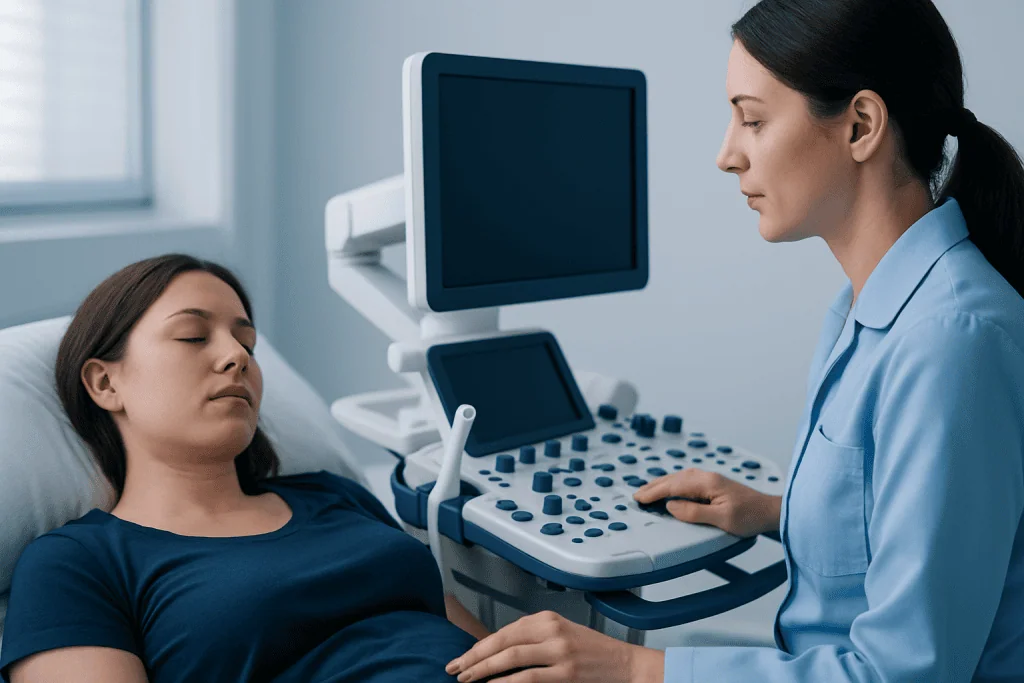
When night sweats occur with changes in bleeding, pelvic discomfort, or suspected hormonal imbalance, gynecologic imaging can be useful. For selected patients, a clinician may request gynecological ultrasound to assess the uterus and ovaries and better understand whether a reproductive health issue is contributing to symptoms.
Treatment and Self-Care Options
Treatment depends on the cause. If night sweats are mild and clearly tied to the days before a period, simple practical steps may be enough. Many people benefit from a cooler bedroom, breathable sleepwear, moisture-wicking sheets, and avoiding alcohol or heavy meals close to bedtime. Tracking symptoms over two or three cycles can help confirm whether there is a predictable pattern.
If a doctor suspects a hormonal or gynecologic cause, treatment may focus on the underlying issue rather than the sweating alone. Depending on the diagnosis, management might involve monitoring, lifestyle changes, or hormonal approaches. In some cases, a specialist may discuss options related to broader gynecology care when symptoms affect quality of life or occur with menstrual irregularities.
Stress management can also help, especially if sweating is worsened by anxiety or poor sleep. Gentle exercise, regular sleep routines, and relaxation techniques may reduce both sleep disruption and the sense of overheating. It is best to avoid self-treating with hormone products or supplements without medical advice, especially if there is a possibility of pregnancy or another medical condition.
When to Seek Medical Care
Medical care is appropriate if night sweats are severe, frequent, or unexplained. A doctor should also assess symptoms that continue through the month rather than staying limited to the premenstrual days. This is especially important if the sweating is drenching enough to require changing clothes or bedding.
Prompt medical advice is recommended if night sweats happen with fever, unintentional weight loss, enlarged lymph nodes, chest symptoms, fainting, severe palpitations, or a major change in menstrual cycles. Care is also important for missed periods, possible pregnancy, infertility concerns, or symptoms of hormone imbalance such as acne, excess hair growth, or significant changes in bleeding.
For people who need specialist input, Acibadem International’s multidisciplinary specialists in JCI-accredited hospitals diagnose and treat women’s health conditions for international patients. If evaluation suggests an endocrine or gynecologic cause, care may involve collaboration across women’s health, internal medicine, and imaging teams.
Frequently asked questions
Can night sweats before a period be caused only by hormones?
No. Hormonal changes are a common reason, but they are not the only possible cause. Infections, thyroid problems, stress, medications, pregnancy, and perimenopause can also lead to night sweats.
How many days before a period can night sweats happen?
They often occur in the luteal phase, especially in the few days before bleeding starts. Some people notice them only one or two nights before a period, while others may feel warmer for a longer part of the second half of the cycle.
Are drenching night sweats before a period normal?
Drenching sweats are less likely to be considered a typical mild premenstrual symptom. If sleepwear or sheets are soaked regularly, or if symptoms are new or frequent, a medical assessment is sensible.
Can pregnancy cause night sweats around the time a period is due?
Yes. Early pregnancy can change hormone levels and increase warmth or sweating in some people. If a period is late or different from usual, pregnancy testing may be appropriate.
Do night sweats before a period mean menopause is starting?
Not necessarily. Premenstrual hormone shifts can cause night sweats even in younger people with regular cycles. However, if cycles are changing and other symptoms such as hot flashes appear, perimenopause may be part of the picture.
What can help reduce night sweats before a period at home?
A cool bedroom, light bedding, breathable sleepwear, and avoiding alcohol or overheating before bed can help. Tracking symptoms across several cycles may also show whether the sweating is clearly linked to the menstrual cycle.
References
- American College of Obstetricians and Gynecologists
- National Institute for Health and Care Excellence
- Mayo Clinic
- Office on Women's Health
- National Health Service
This article is for general information only and is not a substitute for professional medical advice. Please consult a qualified doctor about your individual situation.
Medical weight-loss options in Turkey — costs & eligibility
JCI-accredited · board-certified surgeons · reply within 24h
Add us as a Preferred Source to see more of our trusted health content across Google Search, AI Overviews and Discover.
Check your numbers in seconds
BMI, calories, due date, blood pressure and 30+ more clinical calculators — free, instant, doctor-reviewed ranges.