Altered Mental Status: A Complete Medical Overview

Altered mental status describes a change in alertness, attention, thinking, memory, or behavior. It can be caused by many conditions, including infections, dehydration, low blood sugar, medication effects, stroke, seizures, or head injury.
Key Takeaways
- Altered mental status describes a change in alertness, attention, thinking, memory, or behavior.
- It can be caused by many conditions, including infections, dehydration, low blood sugar, medication effects, stroke, seizures, or head injury.
- Sudden confusion, difficulty waking, new agitation, slurred speech, or weakness need urgent medical attention.
- Doctors diagnose the cause through history, physical and neurological examination, blood tests, and sometimes brain imaging.
- Treatment depends on the underlying cause and may range from fluids and medication changes to emergency care for stroke or severe infection.
Altered mental status is a broad medical term for a noticeable change in awareness, thinking, behavior, memory, or responsiveness. It is not a diagnosis itself, but a sign that the brain may be affected by a temporary problem, an underlying illness, an injury, or a medical emergency that needs prompt evaluation.
Overview: what altered mental status means
Altered mental status refers to a change from a person’s usual level of awareness, attention, thinking, memory, or behavior. A person may seem confused, unusually sleepy, disoriented, agitated, less responsive, or not quite like themselves. In medicine, this phrase is used as a symptom description rather than a final diagnosis.
This term can apply to sudden changes that develop over minutes or hours, as well as more gradual changes over days. The change may be mild, such as difficulty concentrating, or more severe, such as inability to respond normally. Because the brain depends on a steady supply of oxygen, blood flow, nutrients, and balanced body chemistry, many different health problems can affect mental status.
Altered mental status can occur in people of any age, but older adults are especially vulnerable because infections, medication side effects, dehydration, and chronic diseases may trigger confusion more easily. In some situations, it is a medical emergency. Sudden mental status changes may be linked to conditions such as stroke, severe infection, poisoning, or head trauma, all of which require urgent assessment.
Common signs and symptoms

The symptoms of altered mental status vary widely depending on the cause and how quickly it develops. Some people appear mildly forgetful or distracted, while others may seem drowsy, frightened, restless, or unable to follow a conversation. Family members often notice that the person is behaving differently from their normal baseline.
Common features can include trouble paying attention, disorientation to time or place, slowed thinking, poor judgment, unusual sleepiness, or sudden personality changes. A person may repeat questions, speak incoherently, have difficulty finding words, or seem unaware of their surroundings. In more serious cases, they may be hard to wake, unresponsive, or hallucinating.
Symptoms that can accompany altered mental status include fever, headache, weakness, vomiting, chest pain, shortness of breath, seizures, slurred speech, or loss of balance. These associated symptoms can help doctors identify the underlying problem. Any abrupt change in consciousness or awareness should be taken seriously.
- Confusion or disorientation
- Excessive drowsiness or reduced responsiveness
- Agitation, restlessness, or unusual behavior
- Memory problems or poor attention
- Speech changes, weakness, or trouble walking
Why it happens: common causes and risk factors
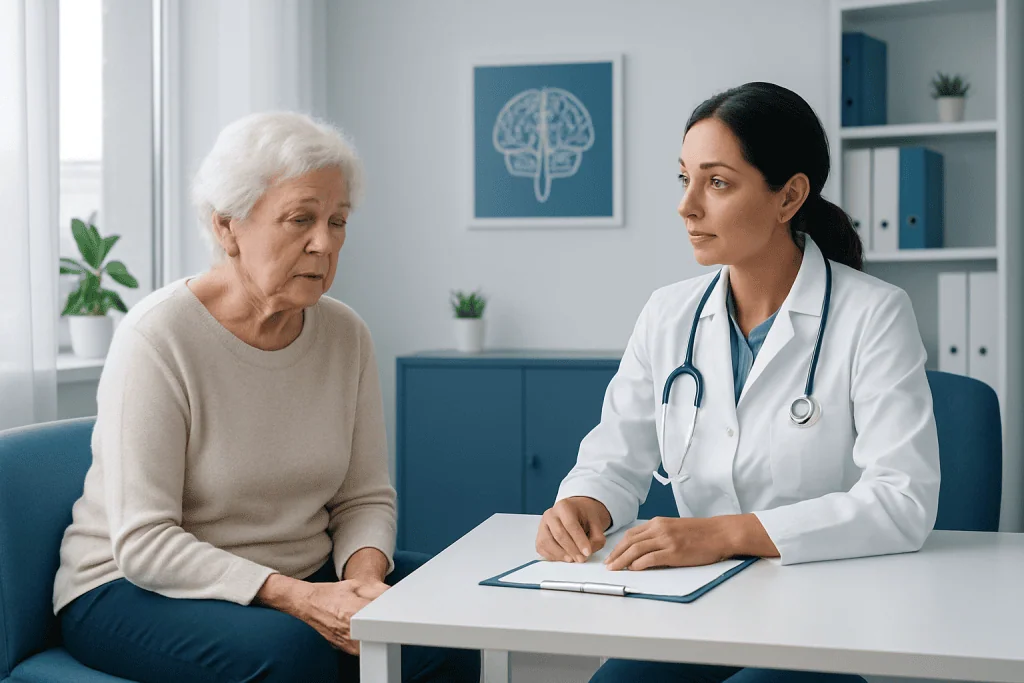
Altered mental status has many possible causes, which is why medical evaluation focuses on identifying the source rather than treating the symptom alone. Common causes include infections, especially urinary, lung, or bloodstream infections; dehydration; electrolyte imbalances; low or high blood sugar; low oxygen levels; and side effects from prescription medicines, alcohol, or recreational drugs. Sleep deprivation and severe pain can also contribute.
Brain-related causes are especially important to consider. These include stroke, seizures, head injury, bleeding in or around the brain, brain infections, and worsening neurological disease. In some people, mental status changes may be related to epilepsy after a seizure, or to reduced blood flow from cardiovascular problems. Emotional or psychiatric conditions may affect behavior, but doctors first need to rule out urgent medical causes.
Risk factors include older age, dementia, multiple medications, kidney or liver disease, diabetes, recent surgery, alcohol misuse, and a weakened immune system. People with pre-existing cognitive impairment may develop sudden confusion more easily when they become ill. Even a relatively minor illness can trigger a major change in mental clarity in vulnerable individuals.
How doctors evaluate altered mental status
Diagnosis begins with a careful history from the patient, family, or witnesses. Doctors want to know when the change began, whether it came on suddenly or gradually, what the person’s usual mental state is, and whether there are accompanying symptoms such as fever, trauma, headache, weakness, or substance use. Medication review is especially important because prescription changes, sedatives, and drug interactions are common contributors.
A physical examination checks vital signs, hydration status, heart and lung function, and signs of infection or injury. A neurological examination helps assess alertness, speech, coordination, strength, sensation, and pupil responses. In some settings, clinicians use brief mental status tools to measure orientation, attention, and memory.
Tests are chosen based on the suspected cause. They may include blood tests to check glucose, electrolytes, kidney and liver function, infection markers, or toxic substances. Urine testing, chest imaging, electrocardiography, or oxygen monitoring may also be helpful. If a structural brain problem is possible, doctors may request MRI or a CT scan. In selected cases, an EEG may be used to look for seizure activity, especially if the person seems unresponsive or has unexplained episodes of confusion.
Treatment depends on the cause
There is no single treatment for altered mental status because the correct approach depends on what is causing the change. The first priority is stabilizing the person if there are problems with breathing, circulation, blood sugar, or consciousness. Once urgent issues are addressed, treatment focuses on reversing or controlling the underlying condition.
For example, dehydration may improve with fluids, low blood sugar with glucose, infection with appropriate antimicrobial treatment, and medication-related confusion with adjustment or discontinuation of the responsible drug under medical supervision. If the cause is a stroke, seizure, head injury, or brain bleed, emergency specialist care is needed. Some patients may require close hospital monitoring, especially if they are elderly, severely confused, or medically unstable.
Supportive care also matters. A calm environment, adequate hydration, pain control, regular sleep, hearing aids or glasses when needed, and familiar reassurance can help reduce distress and improve orientation. If a brain or nerve disorder is suspected, further assessment through neurology evaluation may guide long-term management. Near the end of the care pathway, some international patients may choose centers such as Acibadem International, where multidisciplinary specialists in JCI-accredited hospitals diagnose and treat complex causes of altered mental status.
Prevention and practical self-care
Not every cause of altered mental status can be prevented, but some common triggers can be reduced. Good hydration, regular meals, careful diabetes management, and taking medicines exactly as prescribed all help support stable brain function. Older adults may benefit from periodic medication review because sedatives, anticholinergic drugs, and multiple prescriptions can increase the risk of confusion.
Preventing infection and injury also matters. Hand hygiene, prompt attention to urinary or respiratory symptoms, fall prevention, and use of protective equipment when appropriate can lower risk. People with chronic conditions such as kidney disease, liver disease, epilepsy, or heart disease should follow their treatment plan closely and keep regular medical appointments.
Family members and caregivers play an important role by noticing early changes. If a person seems more forgetful, sleepy, or unlike themselves, it helps to check for missed medicines, poor food or fluid intake, fever, recent falls, or new prescriptions. Self-care is useful only for mild concerns; persistent or sudden mental changes should always be discussed with a qualified doctor.
When to seek medical care
Altered mental status should be assessed urgently if it starts suddenly, is severe, or comes with other warning signs. Emergency care is especially important if the person is difficult to wake, has new weakness, facial drooping, slurred speech, chest pain, shortness of breath, a seizure, severe headache, high fever, or a recent head injury. These features can point to a life-threatening problem that should not wait.
Medical evaluation is also important when confusion lasts more than a short time, keeps returning, or worsens over hours or days. Older adults, infants, and people with chronic illnesses may not show typical symptoms, so even subtle mental status changes deserve attention. If a person has dementia, any sudden decline from their usual baseline should be treated as a new medical issue until proven otherwise.
Caregivers should seek help promptly if safety is affected, such as wandering, inability to take medicines, not eating or drinking, or acting in ways that could cause harm. Timely evaluation often helps identify reversible causes early and can reduce complications.
Frequently asked questions
Is altered mental status the same as dementia?
No. Altered mental status is a broad symptom term for a change in awareness, thinking, or behavior, while dementia is a chronic condition that causes progressive cognitive decline. A person with dementia can also develop sudden altered mental status from another illness, such as infection or dehydration.
Can altered mental status be caused by dehydration?
Yes. Dehydration can upset the body’s balance of fluids and electrolytes, which may affect brain function and lead to confusion, weakness, or drowsiness. Older adults are especially prone to this because they may not feel thirst as strongly or may become dehydrated during illness.
Is altered mental status always an emergency?
Not always, but it should never be ignored. Sudden or severe mental status changes can signal emergencies such as stroke, severe infection, low blood sugar, poisoning, or head injury. If the person is hard to wake, has new neurological symptoms, or seems rapidly worse, urgent care is needed.
How is altered mental status diagnosed?
Doctors diagnose the cause by combining the medical history, physical and neurological examination, and targeted testing. Depending on the situation, tests may include blood work, urine tests, oxygen checks, brain imaging, or studies for seizures or infection. The goal is to identify and treat the underlying problem quickly.
Can medications cause altered mental status?
Yes. Sedatives, pain medicines, sleeping tablets, some antihistamines, and interactions between multiple drugs can all affect alertness and thinking. People should not stop prescribed medicines on their own, but they should speak with a doctor promptly if confusion develops after starting or changing a medication.
What should family members do if someone seems suddenly confused?
They should stay with the person, keep them safe, and seek medical help promptly, especially if the change is sudden or severe. It is helpful to note when symptoms began, what medicines the person takes, whether there was a fall, and any associated symptoms such as fever, weakness, or trouble speaking. This information can help clinicians act faster.
References
- World Health Organization
- Centers for Disease Control and Prevention
- National Institute of Neurological Disorders and Stroke
- MedlinePlus
- American College of Emergency Physicians
This article is for general information only and is not a substitute for professional medical advice. Please consult a qualified doctor about your individual situation.
Explore treatments in Turkey — costs, top hospitals & a free quote
JCI-accredited · board-certified surgeons · reply within 24h
Add us as a Preferred Source to see more of our trusted health content across Google Search, AI Overviews and Discover.