Stress and Anxiety Service Dogs: What Patients Need to Know
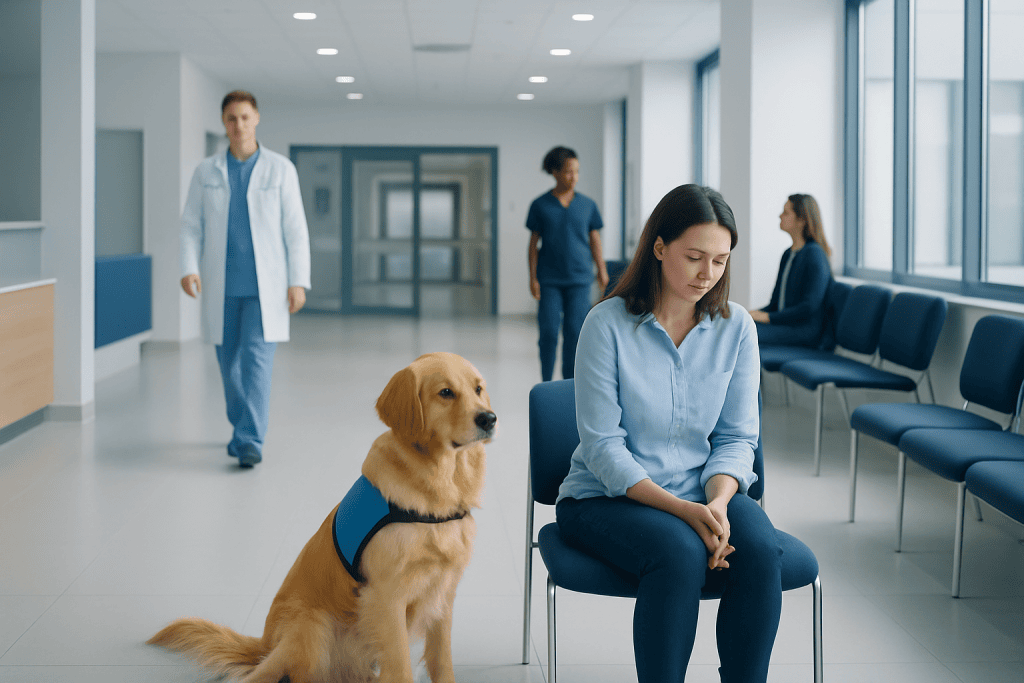
Stress and anxiety service dogs are different from emotional support animals because they are individually trained to perform disability-related tasks. They may be helpful for some people with disabling anxiety, PTSD, panic symptoms, or related psychiatric conditions, but they are not a first-line treatment for everyone.
Key Takeaways
- Stress and anxiety service dogs are different from emotional support animals because they are individually trained to perform disability-related tasks.
- They may be helpful for some people with disabling anxiety, PTSD, panic symptoms, or related psychiatric conditions, but they are not a first-line treatment for everyone.
- A service dog works best as one part of a wider care plan that may also include therapy, lifestyle changes, and medication when appropriate.
- The decision should be based on functional needs, daily limitations, and the person’s ability to care for and work consistently with the dog.
- A qualified mental health professional or physician can help assess symptoms, diagnosis, safety, and realistic expectations.
Stress and anxiety service dogs may help certain people whose mental health symptoms substantially limit daily life, but these dogs are working animals trained to perform specific tasks rather than simply provide comfort. A careful medical and functional assessment can help determine whether a psychiatric service dog is appropriate as part of a broader treatment plan.
Overview: What stress and anxiety service dogs do
Stress and anxiety service dogs are specially trained service animals that assist people whose psychiatric symptoms interfere significantly with daily life. In practical terms, they are most often referred to as psychiatric service dogs. Their role is not simply to be calming or comforting; they are trained to carry out specific tasks linked to a person’s disability, such as interrupting escalating anxiety behaviors, creating physical space in crowds, waking someone from trauma-related nightmares, or guiding the person to an exit during severe distress.
This distinction matters because many people benefit from pets, but not every helpful pet is a service dog. Emotional support animals may provide companionship and relief, yet they are not trained to perform disability-related tasks in the same structured way. A true service dog is expected to behave reliably in public and to respond consistently to the individual’s symptoms and needs.
For some patients, a trained dog can improve confidence, routine, and independence. For others, the responsibilities of handling, training reinforcement, public attention, and daily care may add stress rather than reduce it. That is why the question is usually not just whether a dog is comforting, but whether a service dog fits the person’s medical condition, lifestyle, and treatment goals.
Who may benefit from a psychiatric service dog

People who ask about stress and anxiety service dogs often live with symptoms that are persistent, disruptive, and difficult to manage in work, school, travel, or social settings. A psychiatric service dog may be considered when symptoms are severe enough to limit important daily activities and when specific trained tasks could meaningfully reduce risk or improve function. This may apply to some individuals living with panic attacks, trauma-related symptoms, agoraphobia, or other disabling forms of anxiety.
Even so, the dog is usually not the starting point of care. A clinician will typically look first at the person’s diagnosis, symptom pattern, safety, current treatments, and practical limitations. Many patients improve with structured therapy, medication, stress management, and treatment of contributing medical conditions. In some cases, a dog can later be added as a supportive tool rather than a replacement for standard care.
It is also important to consider whether the person can participate in the dog’s ongoing training and daily management. Service dogs require structure, reinforcement, exercise, veterinary care, and calm handling in busy environments. When these demands are realistic and the dog’s tasks clearly match the patient’s needs, the partnership can be more successful and sustainable.
How service dogs can help with anxiety symptoms

The benefit of a psychiatric service dog depends on the tasks the dog is trained to perform. These tasks are individualized. For one person, the dog may recognize early signs of panic and interrupt repetitive behaviors such as scratching, pacing, or hyperventilating. For another, the dog may provide a cue to use grounding techniques, lead the person away from a triggering environment, or remain in a specific position that helps create a feeling of safety.
Some service dogs are trained to help during periods of dissociation or sensory overload. Others can retrieve medication, turn on lights, wake a person from nightmares, or alert family members when immediate support is needed. The dog does not diagnose anxiety or replace a therapist, but it may make it easier for the person to use coping skills at the right moment.
Common task categories may include:
- Interrupting escalating anxiety or panic behaviors
- Providing grounding through trained touch or positioning
- Guiding the handler to a quiet area or exit
- Waking the person from nightmares or night terrors
- Retrieving items such as medication or a phone
- Creating a buffer in crowded spaces when trained to do so safely
Not every person with stress or anxiety needs these supports. The key question is whether a task reduces disability in a reliable, functional way.
Assessment, diagnosis, and realistic expectations
Before considering a service dog, it helps to have a clear medical and psychological assessment. Anxiety symptoms can overlap with depression, trauma-related disorders, sleep problems, thyroid disease, heart rhythm disturbances, medication side effects, and other conditions. A doctor may first need to identify or rule out physical causes of symptoms such as chest tightness, dizziness, palpitations, or shortness of breath.
For many patients, evaluation involves a primary care doctor plus a mental health specialist. If symptoms suggest an anxiety disorder, panic disorder, or trauma-related condition such as post-traumatic stress disorder, a clinician can assess severity, triggers, daily impairment, and treatment history. This step helps clarify whether the patient mainly needs symptom treatment, functional support, or both.
Realistic expectations are essential. A service dog is not a cure for anxiety, and access to a dog does not automatically resolve avoidance, trauma reactions, or panic symptoms. Good outcomes are more likely when the dog is integrated into a comprehensive plan that may include psychiatric care, psychotherapy, and, for selected patients, depression and anxiety treatment.
How stress and anxiety service dogs fit into treatment
Evidence-based treatment for anxiety usually begins with approaches that directly target symptoms and triggers. These may include cognitive behavioral therapy, trauma-focused therapy when indicated, exposure-based techniques, sleep support, exercise, and medication when a clinician considers it appropriate. A service dog is generally best viewed as an assistive aid that supports functioning alongside treatment, not instead of treatment.
For example, if a patient experiences panic in public, therapy may help reduce catastrophic thoughts and avoidance, while the dog may help interrupt escalation or guide the person out of a crowded area. If nightmares are part of a trauma-related condition, treatment may address the underlying trauma, while the dog helps with nighttime interruptions and recovery routines. This combined approach can be more practical than relying on any single method.
Patients should also discuss goals openly with their care team. Useful questions include whether the dog would increase independence, which tasks are needed, what public settings are most challenging, and whether the person can maintain the dog’s health and training. In this way, the decision stays grounded in function, safety, and long-term feasibility rather than hope alone.
Important practical considerations
Living and traveling with a service dog can be helpful, but it also changes daily life. The dog needs regular care, exercise, rest, grooming, veterinary follow-up, and consistent handling. Public outings may attract questions or attention from others, which some people with anxiety may find difficult. In addition, a dog may not be suitable for every workplace, living arrangement, or family situation.
It is also worth remembering that not every trained dog is the right match for every person. Temperament, size, energy level, and task suitability matter. A patient who becomes more anxious under social scrutiny, struggles to maintain routines, or cannot safely manage an animal during symptom flares may need to explore other supports first.
Questions to think through include:
- Which specific tasks would the dog perform?
- How often do symptoms interfere with work, school, sleep, or travel?
- Can the person reliably care for the dog every day?
- Would a dog reduce disability, or could it add pressure and responsibility?
- Is the person already engaged in appropriate medical or mental health care?
For international patients who need multidisciplinary evaluation, Acibadem International’s JCI-accredited hospitals and specialists assess mental and physical health factors that may contribute to anxiety-related disability and can help guide appropriate treatment planning.
Self-care strategies that may still be needed
Even when a service dog is part of the plan, self-care remains important. Anxiety symptoms often improve when patients have regular sleep, steady meals, movement during the day, and predictable routines. Limiting excessive caffeine, alcohol, and other substances that can worsen jitteriness or sleep disruption may also help. These changes do not replace treatment, but they can make symptoms easier to manage.
Many people also benefit from learning grounding and regulation techniques that a dog may later reinforce. Examples include paced breathing, muscle relaxation, journaling symptom patterns, reducing overstimulating environments, and preparing an exit strategy for stressful situations. When a service dog is trained to respond to early warning signs, these coping tools may become easier to use consistently.
Support from family, friends, employers, or school staff can also matter. A patient may need help understanding triggers, planning transportation, or building confidence in public settings. For some individuals, a trained dog works best within this larger network of support rather than as the sole answer to distress.
When to seek medical care
A person should seek medical care if stress or anxiety symptoms are frequent, worsening, or interfering with sleep, relationships, work, school, or basic daily activities. Medical review is especially important when symptoms are new, intense, or hard to distinguish from physical illness. Anxiety can sometimes occur alongside depression, trauma, sleep disorders, or heart and hormonal conditions that also need attention.
Urgent assessment is important if there is chest pain, fainting, severe shortness of breath, confusion, substance misuse, self-harm thoughts, or concern about personal safety. Sudden behavioral change, extreme agitation, or inability to function should also be evaluated promptly. In these situations, immediate professional help is more important than trying to manage symptoms alone or waiting for a service dog to solve them.
If a patient is considering stress and anxiety service dogs, the safest next step is a conversation with a qualified physician or mental health professional. They can help confirm the diagnosis, review current treatment, and decide whether a psychiatric service dog is likely to be useful, realistic, and safe in that individual case.
Frequently asked questions
Are stress and anxiety service dogs the same as emotional support animals?
No. A psychiatric service dog is trained to perform specific tasks related to a person’s disability, while an emotional support animal mainly provides comfort through companionship. The difference is based on task training and functional support, not simply on how attached a person feels to the animal.
Can a service dog cure anxiety?
No, a service dog does not cure anxiety. It may help reduce the impact of symptoms by supporting safety, grounding, and daily functioning, but most people still need medical or psychological treatment. The dog is usually one part of a larger care plan.
Who should consider a psychiatric service dog?
A psychiatric service dog may be considered by someone whose anxiety-related symptoms substantially limit daily life and who could benefit from specific trained tasks. It is most appropriate when the need is functional and disability-related rather than based on general stress alone. A clinician can help determine whether it is a suitable option.
What tasks can an anxiety service dog perform?
Tasks vary by person and may include interrupting panic behaviors, prompting grounding skills, guiding the handler away from triggers, waking the person from nightmares, or retrieving important items. The key is that the tasks are trained and directly connected to the person’s condition. Comfort alone does not define service work.
Do people still need therapy or medication if they have a service dog?
Usually yes. A service dog may improve day-to-day coping, but it does not replace evidence-based treatment such as psychotherapy, lifestyle support, or medication when prescribed. Ongoing care often gives the best chance of meaningful and lasting improvement.
When should someone talk to a doctor about anxiety instead of trying to manage it alone?
A person should talk to a doctor if anxiety is persistent, getting worse, or affecting work, sleep, relationships, or routine activities. Immediate help is important if symptoms include self-harm thoughts, severe panic, chest pain, fainting, confusion, or concerns about safety. Professional assessment can rule out medical causes and guide appropriate treatment.
References
- American Psychiatric Association
- National Institute of Mental Health
- Centers for Disease Control and Prevention
- U.S. Department of Justice
- World Health Organization
This article is for general information only and is not a substitute for professional medical advice. Please consult a qualified doctor about your individual situation.
Explore treatments in Turkey — costs, top hospitals & a free quote
JCI-accredited · board-certified surgeons · reply within 24h
Add us as a Preferred Source to see more of our trusted health content across Google Search, AI Overviews and Discover.