Estimated Average Glucose: An Evidence-Based Guide for Patients

Estimated average glucose, or eAG, is calculated from the HbA1c test and reflects average glucose over about 2 to 3 months. eAG helps patients understand long-term blood sugar control using units similar to routine glucose readings.
Key Takeaways
- Estimated average glucose, or eAG, is calculated from the HbA1c test and reflects average glucose over about 2 to 3 months.
- eAG helps patients understand long-term blood sugar control using units similar to routine glucose readings.
- An eAG result should be interpreted together with HbA1c, symptoms, home glucose checks, and medical history.
- Some health conditions can make HbA1c and eAG less reliable, including anemia, kidney disease, pregnancy, and certain blood disorders.
- eAG is useful for diabetes care, but it does not show day-to-day highs, lows, or glucose variability.
Estimated average glucose is a way of translating an HbA1c blood test result into the kind of blood sugar number many patients recognize from home glucose monitoring. It does not replace daily readings, but it helps explain overall glucose control over the past two to three months in a more familiar format.
Overview: What estimated average glucose means
Estimated average glucose is a calculated number based on the HbA1c blood test. HbA1c measures how much glucose has attached to hemoglobin in red blood cells, giving a picture of average blood sugar over the previous two to three months. The estimated average glucose, often shortened to eAG, converts that laboratory result into the same type of number used in everyday glucose testing.
For many patients, this makes the result easier to understand. Instead of seeing only a percentage on an HbA1c report, they can view an approximate average glucose level in mg/dL or mmol/L, depending on the country and laboratory. This can make conversations about diabetes, prediabetes, and treatment goals more practical.
Even so, eAG is only one part of the full picture. It cannot show whether blood sugar rises sharply after meals, drops overnight, or changes widely from day to day. Doctors usually interpret it alongside symptoms, fasting glucose, home monitoring records, and sometimes continuous glucose monitoring data.
How eAG is calculated and why it is useful
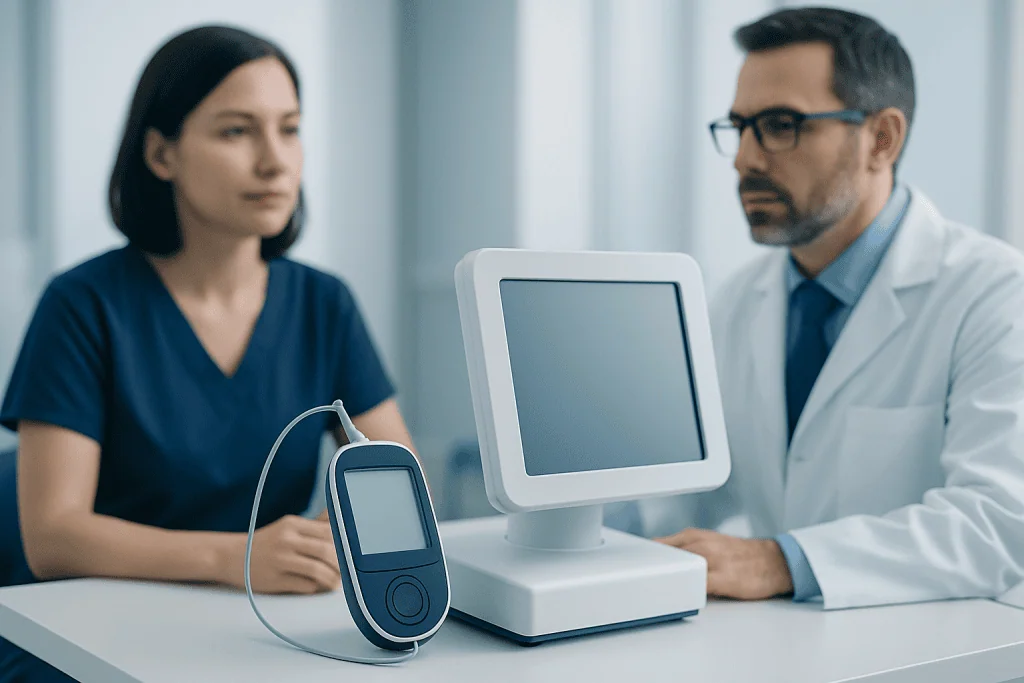
The eAG value is derived from a standard relationship between HbA1c and average blood glucose. Laboratories use established formulas to convert the HbA1c percentage into an estimated average sugar value. This estimate is intended to reflect overall glycemic exposure rather than a single moment in time.
This can be especially helpful for patients who already check their blood sugar at home. A percentage such as 7% may feel abstract, while an estimated average glucose number is often easier to compare with familiar meter readings. It can support shared decision-making about food choices, physical activity, and medication plans.
Still, eAG has limits. It is an average, so very high and very low readings can cancel each other out and appear more stable than they really are. A person may have a reasonable eAG but still experience important glucose swings that need medical attention.
- eAG reflects long-term trends, not immediate blood sugar status.
- It is most useful when interpreted together with HbA1c.
- It helps translate a lab result into a patient-friendly format.
- It does not replace self-monitoring or professional medical advice.
How to interpret estimated average glucose results

An estimated average glucose result should be viewed as a summary of recent blood sugar control. In general, a higher eAG suggests that blood glucose has been running higher over the past few months, while a lower eAG suggests better overall control. However, the meaning depends on whether the person has diabetes, prediabetes, pregnancy, or another medical condition that affects glucose metabolism.
Doctors usually do not rely on eAG alone to diagnose a problem. They may consider fasting plasma glucose, an oral glucose tolerance test, symptoms such as increased thirst or frequent urination, and the broader clinical context. If diabetes is suspected, further testing may be needed before a diagnosis is confirmed. Patients who are learning about diabetes may find that eAG is a useful bridge between laboratory reports and daily self-care.
For people already diagnosed with diabetes, eAG can help track whether a treatment plan is working over time. If the result is above the target set by a doctor, this may lead to a review of nutrition habits, exercise patterns, medications, or insulin use. If the result is lower than expected, the care team may also ask about possible low blood sugar episodes.
What can affect the accuracy of eAG
Although eAG is useful, it is not equally reliable for everyone. Because the calculation depends on HbA1c, anything that changes red blood cell lifespan or hemoglobin structure can affect the result. This means the eAG may overestimate or underestimate true average glucose in some situations.
Examples include iron deficiency anemia, recent blood loss, blood transfusions, chronic kidney disease, liver disease, pregnancy, and certain inherited hemoglobin conditions. In these cases, doctors may use other methods to assess glucose control. Depending on the situation, they may recommend more frequent capillary glucose checks, continuous monitoring, or additional blood tests.
There can also be differences between an estimated average and a person’s own meter readings. Home checks capture specific moments, such as before breakfast or after a meal, while eAG reflects a broader average. If the two seem very different, it is best not to assume one is wrong without medical review.
- Anemia and blood disorders can alter HbA1c-based estimates.
- Pregnancy changes glucose metabolism and may need different monitoring methods.
- Kidney or liver disease can affect interpretation.
- Meter timing and technique can differ from long-term averages.
How eAG fits into diabetes prevention and treatment
Estimated average glucose can support both prevention and treatment, but it works best as part of a larger care plan. In people with risk factors for diabetes, a concerning HbA1c and eAG may prompt earlier lifestyle changes such as weight management, regular physical activity, and improved dietary patterns. These steps may help delay or reduce the risk of progression in some patients with prediabetes.
For those with established diabetes, eAG may help guide treatment discussions. A doctor may review current medications, meal timing, exercise habits, and glucose records to understand why the value is above or below target. In some cases, treatment may involve nutritional counseling, oral medicines, or insulin therapy as part of an individualized plan.
More advanced monitoring tools may also be useful, particularly when glucose levels vary significantly during the day. Some patients benefit from sensor-based tracking that provides trends, patterns, and alerts that eAG cannot show. When appropriate, a doctor may discuss continuous glucose monitoring to complement HbA1c and eAG results.
If high glucose levels are linked to broader metabolic concerns, patients may also need evaluation for related conditions such as metabolic syndrome. Management often focuses on the whole person, including blood pressure, cholesterol, sleep, weight, and cardiovascular risk, rather than one lab value alone.
Practical self-care: what patients can do with this information
Patients often find eAG most helpful when they use it to ask better questions rather than judge themselves. A result outside the target range is a signal to review habits and treatment with a qualified clinician, not a reason for blame. Glucose control can be influenced by stress, illness, sleep, medication adherence, and many other factors.
Keeping a record of meals, activity, symptoms, and home glucose readings can make eAG easier to interpret. For example, if the estimated average is elevated, notes may reveal patterns such as frequent sugary drinks, missed medication doses, or reduced exercise. If the estimated average appears acceptable but symptoms persist, a doctor may look for glucose swings, hypoglycemia, or another health issue.
General self-care measures include following the care plan provided by a healthcare professional, taking medicines as prescribed, eating balanced meals, staying physically active, attending routine follow-up visits, and avoiding tobacco. Sleep quality and stress management also matter because they can affect glucose regulation. Patients should not change medication doses on their own based only on an eAG result.
When to seek medical care
A person should speak with a doctor if an HbA1c or estimated average glucose result is higher or lower than expected, especially if it does not match home readings or symptoms. Medical advice is also important if there are signs of high blood sugar such as increased thirst, frequent urination, blurred vision, unusual fatigue, or unexplained weight loss. These symptoms do not always mean diabetes, but they should be assessed properly.
Urgent medical attention may be needed if there are symptoms of very high or very low blood sugar, such as confusion, severe weakness, fainting, vomiting, dehydration, or difficulty breathing. People with diabetes who are ill, pregnant, or using insulin may need earlier review because glucose changes can become more serious more quickly.
Specialist evaluation can help when results are difficult to interpret because of pregnancy, kidney disease, anemia, or other conditions that affect HbA1c. In selected cases, clinicians may recommend broader assessment and tailored treatment through services such as endocrinology and metabolic diseases care. Acibadem International’s multidisciplinary specialists in JCI-accredited hospitals diagnose and treat diabetes-related conditions for international patients when expert evaluation is needed.
Frequently asked questions
What is estimated average glucose?
Estimated average glucose is a number calculated from the HbA1c test to show an approximate average blood sugar level over the past two to three months. It translates a lab percentage into a format that is often easier for patients to understand.
Is estimated average glucose the same as a daily blood sugar reading?
No. A daily blood sugar reading shows glucose at one specific moment, while estimated average glucose reflects a longer-term average. Because of this, eAG cannot show sudden highs, lows, or day-to-day fluctuations.
Can estimated average glucose be used to diagnose diabetes?
It is not usually used alone for diagnosis. Doctors rely on the underlying HbA1c result and may also use fasting glucose, glucose tolerance testing, symptoms, and medical history to confirm or rule out diabetes.
Why might my eAG not match my home glucose meter readings?
Home meter readings capture specific times, such as before meals or at bedtime, while eAG reflects an overall average over weeks. Differences can also happen because of testing technique, timing, or medical conditions that affect HbA1c accuracy.
Are there conditions that make eAG less reliable?
Yes. Anemia, pregnancy, kidney disease, recent blood loss, blood transfusion, and some hemoglobin disorders can affect HbA1c and therefore eAG. In these situations, a doctor may recommend other ways to monitor glucose control.
What should a patient do if estimated average glucose is high?
The next step is to review the result with a healthcare professional rather than make assumptions. A doctor may look at symptoms, diet, activity, medications, and other test results to decide whether treatment changes or further evaluation are needed.
References
- American Diabetes Association
- Centers for Disease Control and Prevention
- National Institute of Diabetes and Digestive and Kidney Diseases
- World Health Organization
- International Diabetes Federation
This article is for general information only and is not a substitute for professional medical advice. Please consult a qualified doctor about your individual situation.
Explore treatments in Turkey — costs, top hospitals & a free quote
JCI-accredited · board-certified surgeons · reply within 24h
Add us as a Preferred Source to see more of our trusted health content across Google Search, AI Overviews and Discover.