Hamstring Cramps — Explained by Medical Evidence, Not Myths

Hamstring cramps are involuntary muscle contractions that cause sudden pain and temporary stiffness at the back of the thigh. Overexertion, muscle fatigue, prolonged positions, dehydration and some medicines can contribute, but cramps do not always have one clear cause.
Key Takeaways
- Hamstring cramps are involuntary muscle contractions that cause sudden pain and temporary stiffness at the back of the thigh.
- Overexertion, muscle fatigue, prolonged positions, dehydration and some medicines can contribute, but cramps do not always have one clear cause.
- During a cramp, stopping activity and gently lengthening the muscle are usually more helpful than forceful massage or pushing through pain.
- Hydration is important, but electrolyte supplements are not routinely necessary unless a clinician identifies a relevant need.
- Frequent cramps, weakness, swelling, numbness, dark urine or pain that does not settle should be assessed by a healthcare professional.
Hamstring cramps are sudden, involuntary tightening of the muscles at the back of the thigh. They are usually harmless and short-lived, but recurrent, severe or unexplained cramps may need medical assessment to identify contributing health conditions or medication effects.
Hamstring cramps: what they are and why they happen
Hamstring cramps are abrupt, involuntary contractions of one or more muscles on the back of the thigh. The muscle may feel hard, knotted and difficult to move while the cramp is happening. Pain can be intense, but most cramps settle within seconds to several minutes and leave temporary tenderness afterward.
A cramp is different from a hamstring strain. A strain involves stretching or tearing muscle fibers, often during a sprint, kick or sudden change in direction, and it may cause ongoing pain, bruising or weakness. A cramp can occur during exercise, at rest or during sleep, and it usually resolves without tissue injury.
Muscle cramps are common, particularly after unfamiliar activity or in later adulthood. They can be frustrating when they interrupt exercise or sleep, but a single episode is rarely a sign of serious illness. The most useful approach is to consider the circumstances around the cramp rather than assuming one cause, such as dehydration, explains every episode.
What a hamstring cramp feels like
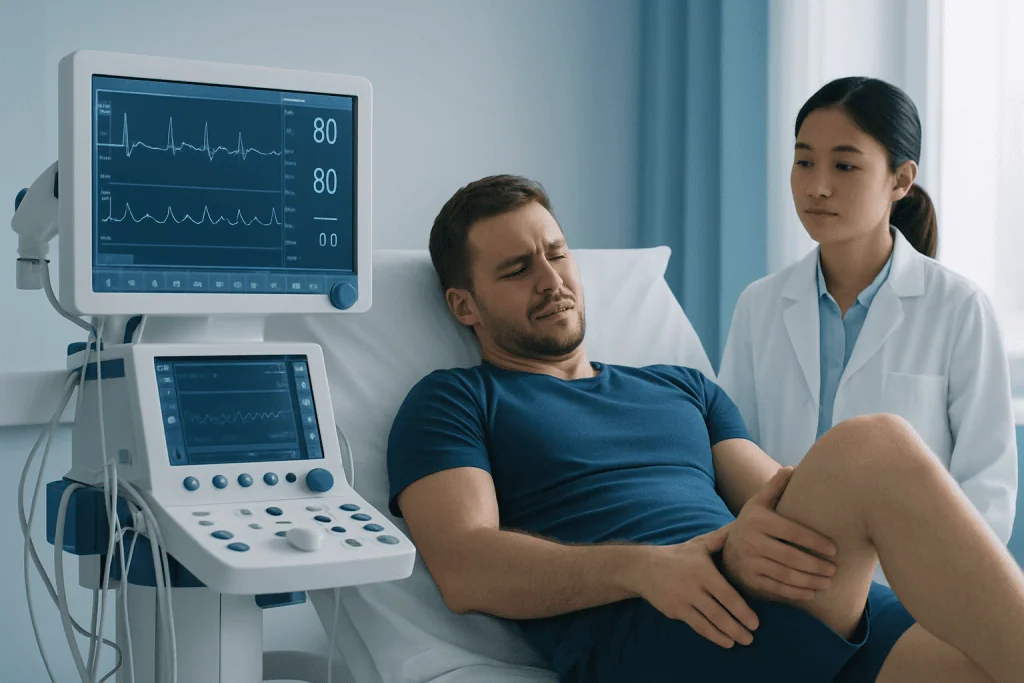
The typical symptom is a sudden gripping or tightening pain in the back of the thigh. The affected muscle may visibly twitch or appear bunched up. Straightening the knee or bending forward can feel difficult until the contraction eases.
Afterward, the hamstring may remain sore, stiff or sensitive for several hours, especially if the cramp was strong or prolonged. This residual soreness generally improves with normal gentle movement and does not necessarily mean the muscle has been damaged.
Cramps that occur at night may wake a person from sleep. They can happen in one leg or both, although a single hamstring is often affected. Recurrent nighttime cramps can reduce sleep quality and deserve discussion with a clinician if simple measures do not help.
- Sudden, localized pain and a firm muscle are typical of a cramp.
- Persistent pain after a sports injury, bruising or trouble walking suggests a possible strain rather than a simple cramp.
- Numbness, burning, marked swelling or changes in skin color are not typical cramp symptoms and should be evaluated.
Common contributors and risk factors

Hamstring cramps can occur when a muscle is tired or has been working in a shortened position for a long time. They are commonly noticed after vigorous exercise, hill walking, cycling, running, prolonged standing, or a sudden increase in training intensity. In these situations, fatigue and altered nerve-muscle signaling may contribute to the involuntary contraction.
Long periods of sitting, sleeping with the knee bent, or holding one position can also make the back of the thigh feel tight and may contribute in some people. Limited conditioning, inadequate recovery between workouts and reduced flexibility can be relevant, although cramps can also occur in people who are otherwise fit.
Fluid loss from sweating, vomiting or diarrhea may increase the likelihood of cramping, particularly in hot conditions. However, cramps are not always caused by dehydration, and drinking excessive amounts of water or taking supplements without guidance is not a reliable cure. Sodium, potassium, calcium and magnesium abnormalities can cause muscle symptoms, but these are less common explanations in otherwise well people with occasional cramps.
Risk may also be influenced by pregnancy, older age, nerve compression, circulation problems, kidney or thyroid disease, diabetes, and certain medicines. Diuretics, some asthma medicines, cholesterol-lowering medicines and other drugs may be associated with cramps in some individuals. A person should not stop a prescribed medicine without speaking with the clinician who prescribed it.
What to do during a cramp
The first step is to stop the activity that triggered the pain. If it is safe to do so, gently lengthen the hamstring by slowly straightening the knee and bringing the toes toward the shin. A person may sit with the leg supported and gradually straighten it, or stand and place the heel on a low surface while keeping the movement comfortable.
Gentle massage, light walking after the cramp releases, or a warm shower may help the muscle relax. Some people find a cool pack useful for lingering soreness after the cramp has passed. Forceful stretching, bouncing movements and trying to exercise through a severe cramp should be avoided, as these may increase discomfort or contribute to injury.
Rehydrating with water after sweating or exercise is sensible. During prolonged, intense activity in heat, a clinician or sports nutrition professional can advise whether a drink containing electrolytes is appropriate. For most routine cramps, there is no evidence that immediate magnesium tablets, vinegar, mustard or other popular remedies reliably stop a cramp.
Reducing the chance of future hamstring cramps
Prevention is often based on gradual conditioning rather than one quick remedy. Before demanding exercise, a warm-up that includes easy movement and activity-specific preparation can help the muscles work more efficiently. Training volume, speed and intensity should increase progressively, particularly after illness, travel, injury or a period of inactivity.
Regular hamstring strengthening and mobility work may be useful when cramps are linked with exercise or tightness. Stretching should be gentle and consistent rather than painful. A physiotherapist can provide an individualized program for people with recurrent symptoms, previous hamstring injury or sports-specific goals.
Maintaining regular fluid intake throughout the day and replacing fluid losses during prolonged exercise can support general health. Meals that include a variety of fruits, vegetables, protein foods, whole grains and dairy or suitable alternatives generally provide important minerals. Supplements should be considered only when there is a documented deficiency or a clinician recommends them.
People who experience nighttime cramps may benefit from reviewing sleep position, avoiding prolonged knee bending where possible, and gently stretching the hamstrings and calves before bed. Keeping a brief record of timing, exercise, fluids, symptoms and medicines can help identify patterns and give useful information during a medical appointment.
How clinicians assess recurrent cramps
Most occasional hamstring cramps do not require tests. When cramps are frequent, severe or accompanied by other symptoms, a clinician will usually ask about exercise, work, sleep, diet, fluid loss, medical conditions and medicines. They may examine muscle strength, sensation, reflexes, pulses and joint movement to distinguish a cramp from a muscle injury, nerve problem or circulation condition.
Blood tests are not needed for every person with cramps. They may be considered when the history suggests dehydration, kidney disease, thyroid disease, diabetes, a mineral imbalance or another underlying condition. The clinician may also review whether a prescribed medicine could be contributing and discuss safe alternatives if appropriate.
Treatment focuses on the cause when one is found. This may include managing an underlying medical condition, adjusting a medicine under supervision, physical therapy, or changes to training and recovery. Medicines intended specifically to prevent ordinary muscle cramps are not routinely used because potential side effects may outweigh benefits for many people.
When to seek medical care
Medical advice is appropriate when hamstring cramps happen often, disturb sleep repeatedly, become more severe, or do not improve despite practical changes to activity and hydration. A prompt review is also sensible if cramps begin after starting or changing a medicine, or if a person has kidney, thyroid, nerve or circulation disease.
Urgent medical assessment is needed for severe leg pain with significant swelling, redness, warmth, weakness, loss of sensation, a cold or pale foot, chest pain or shortness of breath. These symptoms are not typical of a simple cramp and can require timely evaluation. Dark or cola-colored urine after extreme exercise with severe muscle pain or weakness also needs urgent care.
After a sudden sports-related thigh pain, a person should seek assessment if there is bruising, a popping sensation, notable weakness, difficulty bearing weight, or pain that persists. These features may indicate a hamstring strain or another injury rather than cramping. Acibadem International’s multidisciplinary specialists and JCI-accredited hospitals can assess muscle and movement concerns for international patients when further evaluation is needed.
Frequently asked questions
Are hamstring cramps caused by low potassium?
Low potassium can contribute to muscle symptoms in some circumstances, but it is not the most common explanation for occasional hamstring cramps. Exercise-related fatigue, prolonged positions and changes in activity are often more relevant. A clinician can advise whether blood testing is appropriate when cramps are recurrent or accompanied by other symptoms.
Should a person stretch a hamstring cramp?
Gentle stretching that slowly lengthens the muscle is usually helpful during a cramp. The movement should be controlled and should not force the leg into pain. Bouncing or aggressive stretching is best avoided.
Can dehydration cause hamstring cramps?
Fluid loss, especially after sweating heavily or having vomiting or diarrhea, can make cramps more likely in some people. However, not all cramps are caused by dehydration. Regular hydration is sensible, but drinking excessive water or using supplements is not necessary for everyone.
Why do hamstring cramps happen at night?
Nighttime cramps can occur without a clear cause. Muscle fatigue, prolonged positioning, age-related changes, certain medicines and some health conditions may contribute. Frequent sleep-disrupting cramps should be discussed with a healthcare professional.
How long should hamstring soreness last after a cramp?
Mild tenderness or stiffness can last for several hours and sometimes into the next day after a strong cramp. It should gradually improve with gentle movement and normal recovery. Persistent pain, bruising or weakness may suggest an injury and should be assessed.
Can a hamstring cramp be prevented with magnesium?
Magnesium may help people who have a confirmed deficiency, but it has not been shown to reliably prevent typical cramps in everyone. Taking magnesium unnecessarily can cause side effects and may be unsafe for people with kidney problems. It is best discussed with a clinician when cramps are frequent.
References
- National Institute of Neurological Disorders and Stroke
- National Health Service
- Mayo Clinic
- American Academy of Orthopaedic Surgeons
- Merck Manual Consumer Version
This article is for general information only and is not a substitute for professional medical advice. Please consult a qualified doctor about your individual situation.
Explore treatments in Turkey — costs, top hospitals & a free quote
JCI-accredited · board-certified surgeons · reply within 24h
Add us as a Preferred Source to see more of our trusted health content across Google Search, AI Overviews and Discover.
Check your numbers in seconds
BMI, calories, due date, blood pressure and 30+ more clinical calculators — free, instant, doctor-reviewed ranges.