Relaxin: What Patients Need to Know

Relaxin is a hormone produced mainly by the ovaries outside pregnancy and by pregnancy-related tissues during pregnancy. Its best-established role is helping the body adapt to pregnancy, including effects on the reproductive system and blood vessels.
Key Takeaways
- Relaxin is a hormone produced mainly by the ovaries outside pregnancy and by pregnancy-related tissues during pregnancy.
- Its best-established role is helping the body adapt to pregnancy, including effects on the reproductive system and blood vessels.
- Relaxin may contribute to ligament and joint looseness in pregnancy, but it is rarely the only explanation for pain or instability.
- There is no standard home test or routine blood test for relaxin in most clinical settings.
- New or severe pelvic pain, joint symptoms, bleeding, chest symptoms or pregnancy concerns should be assessed by a qualified clinician.
Relaxin is a naturally occurring peptide hormone that is especially important during pregnancy. It helps the body make physical and circulatory adaptations, but it is not usually measured in routine medical care or treated as a stand-alone cause of symptoms.
Relaxin at a Glance
Relaxin is a peptide hormone, meaning it is a small protein-like chemical messenger made by the body. It is most widely known for its role in pregnancy, when hormone levels rise and help support the many changes needed for pregnancy and birth. Although it is often discussed in relation to flexible joints or pelvic discomfort, relaxin has broader effects than its name suggests.
In people who are not pregnant, small amounts of relaxin can be produced in the reproductive system, particularly by the corpus luteum in the ovary after ovulation. During pregnancy, the corpus luteum, placenta and uterine tissues contribute to its production. Relaxin is also found in people of all sexes, including in the male reproductive system, though its roles outside pregnancy are less clearly defined.
Relaxin is not generally considered a disease marker. A clinician will usually evaluate symptoms, pregnancy status, medical history and physical findings rather than order a relaxin measurement. Research continues into its effects on reproduction, blood vessels, the kidneys, connective tissue and healing.
What Does Relaxin Do in the Body?
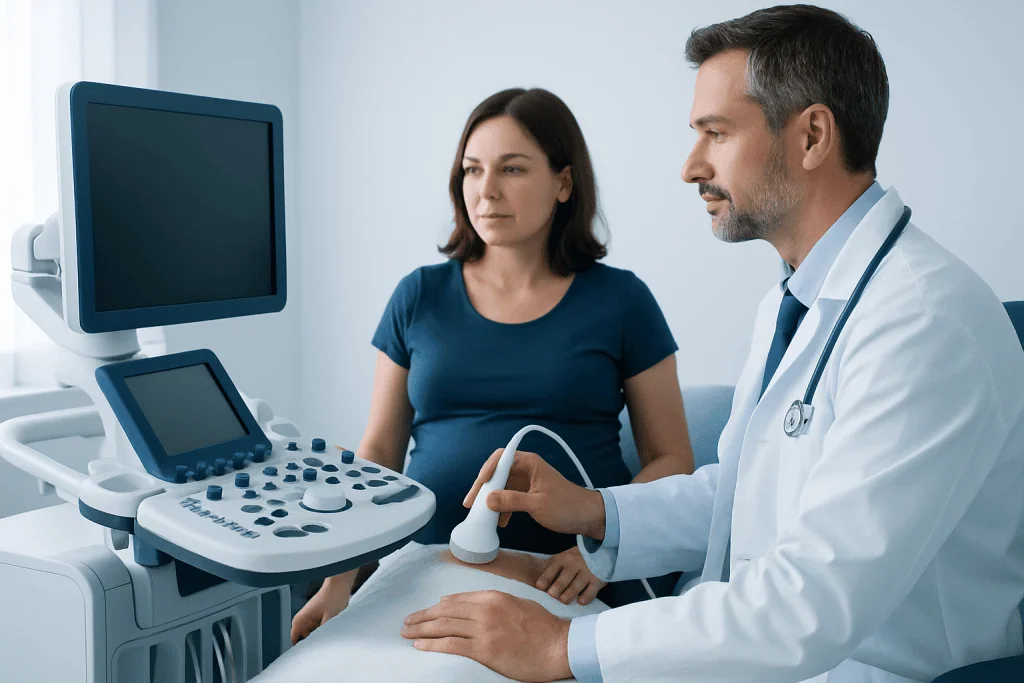
During pregnancy, relaxin appears to help the body accommodate a growing uterus and increased blood volume. It interacts with tissues in the reproductive tract and may influence the cervix, uterus and pelvic structures. It also has effects on blood vessels that may support the cardiovascular adjustments of early pregnancy.
One commonly discussed effect is on connective tissue, the tissue that helps support joints, ligaments and organs. Relaxin may alter how connective tissue responds to stretching. This is one reason some pregnant people notice increased flexibility, a feeling of looseness around the pelvis, or changes in posture and balance. However, the relationship between hormone levels and an individual person’s pain or injury risk is not straightforward.
Relaxin should not be viewed in isolation. Other hormones, changes in body weight and posture, reduced abdominal support, previous injuries, activity levels and the physical demands of pregnancy can all affect joints and muscles. A symptom such as low back pain or pelvic discomfort therefore needs a full clinical assessment rather than being attributed to relaxin alone.
Relaxin Through the Menstrual Cycle and Pregnancy

Relaxin levels can vary across the menstrual cycle. After ovulation, the corpus luteum produces progesterone and can also produce relaxin. If pregnancy does not occur, the corpus luteum naturally regresses and levels fall as the next menstrual period approaches.
When pregnancy occurs, relaxin is usually most prominent early in pregnancy, although its pattern can vary between individuals and across pregnancy. Its effects work alongside other pregnancy hormones, including progesterone, estrogen and human chorionic gonadotropin. These hormones do not act independently; together, they support implantation, uterine changes, breast changes and other normal pregnancy adaptations.
Relaxin is sometimes described as a hormone that prepares the pelvis for delivery. This description is only partly accurate. The body does undergo changes in pelvic tissues during pregnancy, but childbirth is influenced by many factors, including fetal position, uterine contractions, cervical changes and the anatomy of the pelvis. Relaxin levels cannot predict when labor will start or whether a person will need a particular mode of delivery.
Can Relaxin Cause Joint, Pelvic or Back Pain?
Pregnancy-related joint and pelvic symptoms are common, and some people notice discomfort in the lower back, hips, groin, buttocks, knees or feet. Hormonal changes, potentially including relaxin, may be one contributing factor because ligaments and connective tissues can respond differently during pregnancy. Still, there is no reliable test showing that a particular relaxin level is responsible for a person’s symptoms.
Pelvic girdle pain may cause pain around the pubic bone, lower back, hips or sacroiliac joints, and it can make walking, climbing stairs, turning in bed or standing on one leg uncomfortable. It is a recognized pregnancy-related condition that deserves assessment and support. It should not be dismissed as an unavoidable consequence of hormones. Information about related symptoms may also be helpful in pelvic pain.
Gentle movement, pacing activities, supportive footwear, attention to posture and referral to a physiotherapist experienced in pregnancy care may help many people. A clinician may recommend individualized exercises or a pelvic support belt when appropriate. High-impact activity or aggressive stretching may not suit someone with pain or instability, so exercise plans should be adapted to symptoms and discussed with a healthcare professional.
- Seek advice if pain limits everyday movement or sleep.
- Stop an activity that causes sharp, worsening or persistent pain.
- Ask about safe pain-relief options during pregnancy before using medicines or supplements.
Testing, Supplements and Medical Uses of Relaxin
Relaxin testing is not part of routine prenatal screening, fertility testing or general hormone panels. Blood tests for relaxin are used mainly in research settings. In clinical care, pregnancy is generally confirmed and monitored with established tests such as urine or blood human chorionic gonadotropin testing, ultrasound when indicated, and routine antenatal assessments.
There is currently no established over-the-counter relaxin supplement or proven approach to safely raise or lower relaxin for general health. Products marketed for “hormone balance,” fertility, easier labor or increased flexibility should be approached cautiously. Supplements may contain ingredients that have not been adequately studied in pregnancy, may interact with medications, and may not contain the amounts listed on their labels.
Scientists have investigated relaxin-based medicines for several medical purposes, including certain cardiovascular conditions and tissue-related disorders. Research findings do not mean that relaxin treatment is appropriate for routine use. Any hormone-related treatment should be considered only when prescribed or supervised by a qualified clinician for a specific medical reason.
Supporting Comfort and Movement During Pregnancy
Most people do not need to do anything specifically to manage relaxin. Instead, practical care focuses on comfort, safe movement and prompt assessment of concerning symptoms. Regular, low-impact activity that feels comfortable, such as walking, swimming or clinician-approved prenatal exercise, can support general strength and mobility for many pregnant people.
When pelvic or back symptoms occur, it may help to avoid movements that repeatedly place unequal load through the pelvis, such as standing on one leg while dressing. Taking smaller steps, sitting to get dressed, using a pillow between the knees in bed and distributing weight evenly when carrying objects can be useful adjustments. Rest breaks may be important, but prolonged inactivity can also reduce conditioning and should be discussed with a clinician if pain is significant.
Antenatal care provides an opportunity to raise questions about pain, exercise, previous joint injury or concerns about labor. A maternity clinician can check for other causes of symptoms and recommend appropriate support. Acibadem International’s multidisciplinary specialists and JCI-accredited hospitals can assess pregnancy-related musculoskeletal concerns and coordinate care for international patients when needed.
When to Seek Medical Care
Routine questions about relaxin, body changes or mild discomfort can be discussed at a scheduled prenatal appointment. Earlier assessment is sensible when pelvic, back or joint pain is persistent, worsening, interferes with walking or sleep, or is accompanied by numbness, weakness, fever or a recent fall or injury.
During pregnancy, urgent medical advice is needed for vaginal bleeding, fluid leakage, regular painful contractions before term, severe abdominal pain, severe headache, visual changes, sudden swelling, chest pain, shortness of breath, fainting, or a clear reduction in fetal movement after movements have previously been felt regularly. These symptoms are not explained by relaxin alone and require timely evaluation.
People who are not pregnant should also seek medical care for unexplained pelvic pain, missed periods, unusual bleeding, severe joint swelling or persistent pain. These symptoms can have many possible causes, and diagnosis should be based on a full medical evaluation rather than assumptions about hormone levels.
Frequently asked questions
What is relaxin?
Relaxin is a naturally produced peptide hormone. It is best known for supporting physical changes during pregnancy, although it is also present in smaller amounts outside pregnancy. Its effects involve reproductive tissues, blood vessels and connective tissue.
Does relaxin loosen all joints during pregnancy?
Relaxin may contribute to changes in how ligaments and connective tissues respond to stretching, but it does not affect every person in the same way. Joint symptoms during pregnancy also reflect posture changes, body weight, muscle strength, prior injury and daily activities. Painful or unstable joints should be assessed rather than attributed to hormones alone.
Can relaxin levels be tested?
Relaxin can be measured in research settings, but it is not commonly tested in routine healthcare. It is not a standard test for fertility, pregnancy health, pelvic pain or joint problems. Clinicians use other tests and examinations based on the symptoms being assessed.
Does high relaxin mean labor is close?
No. Relaxin levels cannot reliably predict when labor will begin. Labor involves complex hormonal, cervical, uterine and fetal factors, and it is not determined by one hormone alone.
Can a person take relaxin supplements?
There is no standard, clinically proven relaxin supplement for pregnancy, flexibility or general hormone health. Products making hormone-related claims may not be safe or effective, particularly during pregnancy or breastfeeding. It is important to discuss any supplement with a doctor, pharmacist or maternity clinician.
Is pelvic pain in pregnancy normal?
Mild aches can be common as pregnancy progresses, but persistent or limiting pelvic pain deserves medical attention. Pelvic girdle pain can often be managed with practical adjustments and physiotherapy support. Urgent assessment is needed if pain is severe or occurs with bleeding, fever, fluid leakage or other concerning symptoms.
References
- American College of Obstetricians and Gynecologists
- National Institute of Child Health and Human Development
- Royal College of Obstetricians and Gynaecologists
- National Library of Medicine
- World Health Organization
This article is for general information only and is not a substitute for professional medical advice. Please consult a qualified doctor about your individual situation.
Joint and spine care in Turkey — expert assessment & treatment
JCI-accredited · board-certified surgeons · reply within 24h
Add us as a Preferred Source to see more of our trusted health content across Google Search, AI Overviews and Discover.
Check your numbers in seconds
BMI, calories, due date, blood pressure and 30+ more clinical calculators — free, instant, doctor-reviewed ranges.