Relationship Anxiety: What Patients Need to Know

Relationship anxiety can involve persistent fears of rejection, abandonment, betrayal, or making the wrong choice. Occasional doubts are common; anxiety becomes more concerning when it is frequent, distressing, or interferes with daily functioning.
Key Takeaways
- Relationship anxiety can involve persistent fears of rejection, abandonment, betrayal, or making the wrong choice.
- Occasional doubts are common; anxiety becomes more concerning when it is frequent, distressing, or interferes with daily functioning.
- Reassurance seeking, checking behaviors, avoidance, and repeated conflict can unintentionally maintain anxiety.
- Open communication, emotional regulation skills, and psychotherapy can help people respond to relationship fears more effectively.
- Urgent help is important if anxiety is accompanied by thoughts of self-harm, violence, coercion, or feeling unsafe.
Relationship anxiety is ongoing fear, doubt, or worry about a romantic relationship that feels difficult to control and affects wellbeing or daily life. It can arise from past experiences, stress, attachment patterns, or an anxiety condition, and it can often improve with self-awareness, communication, and professional support.
Overview: What Is Relationship Anxiety?
Relationship anxiety is a pattern of persistent worry, fear, or uncertainty related to a romantic relationship. A person may repeatedly question whether their partner truly cares, fear being left or betrayed, worry that they are not good enough, or feel preoccupied with whether the relationship is “right.” These thoughts can be upsetting even when there is no clear evidence that the relationship is unsafe or unstable.
It is normal to have occasional doubts, especially during major life changes, conflict, illness, relocation, or the early stages of a relationship. Relationship anxiety may need attention when worries are hard to control, recur frequently, lead to repeated reassurance seeking or checking, or affect sleep, work, social life, or the ability to enjoy closeness.
Relationship anxiety is not a formal diagnosis by itself. It can be a response to stress or past experiences, part of an attachment-related pattern, or occur alongside conditions such as generalized anxiety disorder, depression, trauma-related symptoms, or obsessive-compulsive disorder. A qualified clinician can help clarify what is contributing to the symptoms and which support may be most useful.
How Relationship Anxiety Can Feel and Behave
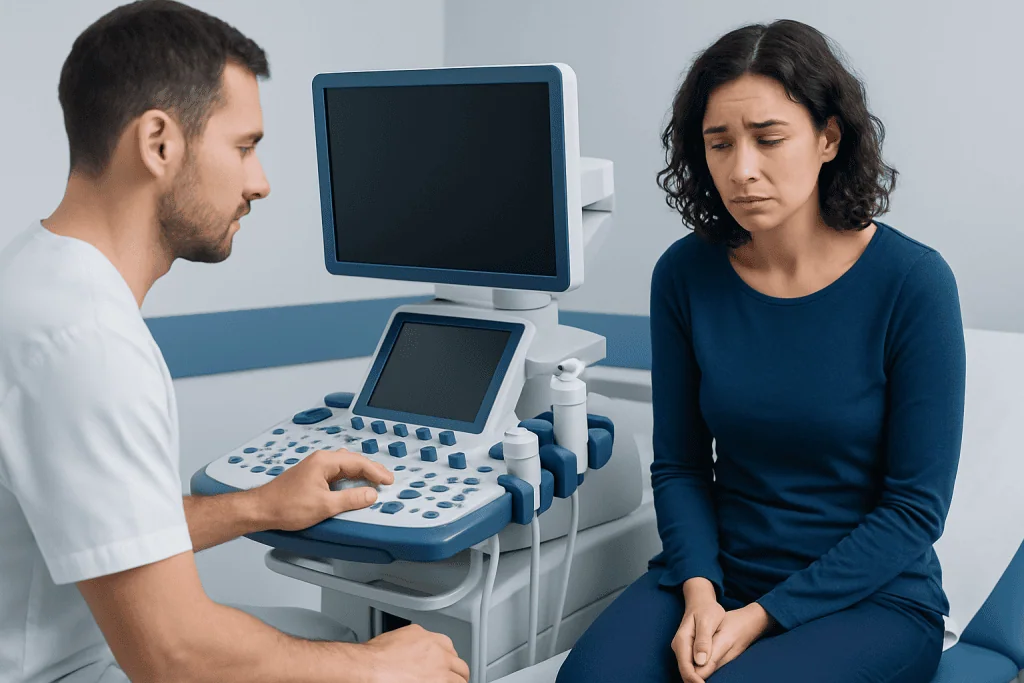
The experience differs from person to person. Some people mainly have internal worries, while others feel driven to act on them. The anxiety may become stronger after a delayed message, a disagreement, time spent apart, changes in affection, or seeing relationship-related content online.
- Frequent fear of rejection, abandonment, cheating, or loss of interest
- Repeatedly analyzing messages, conversations, or a partner’s behavior for signs of a problem
- Needing frequent reassurance that the relationship is secure
- Difficulty trusting positive moments or accepting reassurance for long
- Feeling tense, irritable, sad, restless, or unable to concentrate
- Avoiding difficult conversations, intimacy, commitment, or time apart
- Checking a partner’s social media, phone, location, or contacts in ways that feel compulsive or cause conflict
Anxiety can also cause physical symptoms, including a racing heartbeat, stomach discomfort, muscle tension, fatigue, sweating, or sleep difficulties. Physical symptoms should not automatically be assumed to be anxiety, particularly if they are new, severe, or persistent. A doctor can assess possible medical contributors when appropriate.
Relationship anxiety does not mean that someone is weak, overly demanding, or incapable of having a healthy relationship. It often reflects an activated threat response: the mind attempts to prevent emotional pain by seeking certainty. However, complete certainty is not possible in close relationships, and efforts to eliminate every doubt can make anxiety more persistent.
Why It Happens: Causes and Contributing Factors

There is rarely one single cause. Relationship anxiety often develops through a combination of temperament, current circumstances, learned coping habits, and previous experiences. People who are generally prone to anxiety may be more likely to focus on uncertainty or imagine worst-case outcomes during relationship stress.
Past experiences can be important. Previous betrayal, difficult breakups, inconsistent caregiving, emotional neglect, bullying, family conflict, or trauma may shape expectations of closeness and safety. These experiences do not determine a person’s future relationships, but they can make certain situations feel more threatening than they are in the present.
Current factors may also increase vulnerability. Major transitions, financial pressure, fertility concerns, poor sleep, chronic illness, substance use, social isolation, and depression can lower a person’s ability to manage uncertainty. Social media may intensify comparison by presenting selective and idealized images of other relationships.
Relationship difficulties can contribute as well. Poor communication, unresolved conflict, different expectations around commitment, repeated breaches of trust, or disrespectful behavior deserve careful attention. Anxiety should not be used to dismiss genuine concerns. When there are signs of controlling behavior, intimidation, coercion, emotional abuse, or violence, the priority is safety and access to appropriate support.
Relationship Anxiety, Normal Doubts, and Mental Health Conditions
Normal relationship doubts tend to be occasional, connected to a specific concern, and manageable through reflection or a constructive conversation. Relationship anxiety is more likely to feel repetitive, urgent, and disproportionate to available evidence. It may continue even after concerns have been discussed and reassurance has been offered.
Some people experience relationship-focused obsessive thoughts. They may repeatedly ask themselves whether they love their partner enough, whether their partner is attractive enough, or whether a small imperfection proves the relationship is wrong. If intrusive thoughts are paired with repetitive mental reviewing, checking, comparing, confessing, or reassurance seeking intended to reduce distress, a clinician may consider whether obsessive-compulsive symptoms are present.
Generalized anxiety disorder can involve worries across many areas of life, including relationships, health, work, and finances. Depression may lead to withdrawal, low self-worth, reduced interest, or pessimistic thoughts that affect relationships. Trauma-related symptoms can include hypervigilance, distrust, and strong reactions to perceived rejection. These patterns are treatable, but they benefit from an individualized assessment rather than self-diagnosis.
A mental health professional will usually ask about symptoms, their duration, triggers, daily impact, personal history, relationships, sleep, mood, substance use, and safety. There is no single laboratory test for relationship anxiety. Medical evaluation may still be helpful if physical symptoms could have another explanation or if medication effects are a concern.
Practical Ways to Manage Relationship Anxiety
A helpful first step is to notice the cycle without judging it. A trigger may lead to an anxious thought, uncomfortable feelings, and an action such as repeatedly texting, checking, withdrawing, or seeking reassurance. The action may bring short-term relief, but it can teach the brain that the worry required urgent action. Identifying this pattern can create room for a different response.
When anxiety rises, it may help to pause before acting. Slow breathing, grounding through the senses, a short walk, journaling, or speaking with a trusted person can reduce immediate physical arousal. Rather than deciding whether a feared thought is completely true or false in the moment, a person can ask what evidence supports it, what evidence does not, and what balanced action would align with their values.
Clear communication can be more useful than repeated reassurance. Using statements such as “I have been feeling anxious when plans change suddenly, and I would like to talk about how we can communicate” can reduce blame. Partners can agree on reasonable expectations around time together, privacy, messages, conflict repair, and independence. Healthy relationships allow both closeness and personal space.
General wellbeing also matters. Regular sleep, physical activity, regular meals, reduced alcohol or recreational drug use, supportive friendships, and time for meaningful individual activities may improve resilience. Self-help strategies can be valuable, but they are not a substitute for professional care when anxiety is severe, persistent, or linked with safety concerns.
Treatment Options and Professional Support
Psychotherapy is often an effective option for relationship anxiety. Cognitive behavioral therapy can help a person identify unhelpful thought patterns, reduce reassurance-seeking or checking behaviors, and build tolerance for uncertainty. Acceptance and commitment therapy may help people act according to their values even when difficult thoughts are present. Trauma-focused therapy may be considered when past trauma is contributing to current symptoms.
Couples therapy can be helpful when both partners want to improve communication, manage recurring conflict, or rebuild trust. It is not appropriate as a sole intervention when there is ongoing abuse, coercion, or fear of a partner, because safety and individual support should come first. A clinician can advise on the most suitable setting.
A doctor or psychiatrist may discuss medication if anxiety is part of a diagnosed condition, is moderate to severe, or does not improve sufficiently with therapy and lifestyle measures. Medication decisions depend on the individual’s symptoms, medical history, other medicines, pregnancy plans where relevant, and personal preferences. Medication should be prescribed and monitored by a qualified professional.
Acibadem International’s multidisciplinary specialists and JCI-accredited hospitals support international patients who need assessment and care for anxiety-related concerns. A clinician can help develop a plan that considers emotional symptoms, relationship context, physical health, and personal goals.
When to Seek Medical Care
It is sensible to speak with a doctor, psychologist, psychiatrist, or licensed therapist when relationship worries last for weeks, feel difficult to control, repeatedly disrupt sleep or concentration, or lead to conflict, withdrawal, compulsive checking, or avoidance. Professional support can also be useful when anxiety begins to affect work, parenting, friendships, or physical health.
Prompt assessment is important if a person has panic symptoms, severe depression, escalating use of alcohol or drugs, intrusive thoughts that feel uncontrollable, or a history of trauma that is being reactivated. A clinician can assess whether another mental or physical health condition may be contributing and discuss appropriate treatment options.
Emergency support is needed if someone has thoughts of self-harm or suicide, thoughts of harming another person, or feels in immediate danger from a partner or anyone else. They should contact local emergency services, a crisis service, or a trusted person who can help them reach immediate safety. In situations involving abuse or coercion, confidential domestic violence services can provide safety planning and practical support.
Frequently asked questions
Is relationship anxiety normal?
Occasional uncertainty and concern are common in close relationships, particularly during stressful periods or important transitions. It may be considered relationship anxiety when worry is persistent, difficult to control, and affects daily life, communication, or emotional wellbeing.
Can relationship anxiety happen in a healthy relationship?
Yes. A person can experience relationship anxiety even when their partner is caring and the relationship is generally healthy. Past experiences, general anxiety, low self-esteem, or fear of uncertainty can contribute, although genuine relationship concerns should always be taken seriously.
Does needing reassurance make relationship anxiety worse?
Reassurance may provide temporary relief, but frequent reassurance seeking can sometimes maintain the anxiety cycle. Learning to pause, regulate distress, and communicate specific needs can help create more lasting confidence.
How can someone talk to their partner about relationship anxiety?
It can help to choose a calm time and use non-blaming language focused on personal feelings and needs. For example, a person may explain what triggers anxiety, what support feels helpful, and what actions they are working on independently.
Can relationship anxiety be treated?
Yes. Many people improve with psychotherapy, healthier coping strategies, and treatment for any underlying anxiety, depression, trauma-related symptoms, or obsessive-compulsive symptoms. The most appropriate plan depends on the person’s symptoms and circumstances.
Is relationship anxiety a sign that a person should end the relationship?
Anxiety alone does not necessarily mean a relationship should end. However, repeated disrespect, coercion, manipulation, fear, violence, or serious unresolved breaches of trust are important concerns and may require safety planning and professional guidance.
References
- American Psychiatric Association
- National Institute of Mental Health
- National Health Service
- American Psychological Association
- World Health Organization
This article is for general information only and is not a substitute for professional medical advice. Please consult a qualified doctor about your individual situation.
Explore treatments in Turkey — costs, top hospitals & a free quote
JCI-accredited · board-certified surgeons · reply within 24h
Add us as a Preferred Source to see more of our trusted health content across Google Search, AI Overviews and Discover.