Coughing After Eating: Possible Causes and When to Seek Care

Coughing after eating is commonly linked to reflux, swallowing problems, food or liquid entering the airway, or throat irritation. A cough that occurs mainly with thin liquids, certain foods, or particular eating positions can offer useful clues for diagnosis.
Key Takeaways
- Coughing after eating is commonly linked to reflux, swallowing problems, food or liquid entering the airway, or throat irritation.
- A cough that occurs mainly with thin liquids, certain foods, or particular eating positions can offer useful clues for diagnosis.
- Repeated coughing or choking during meals may increase the risk of aspiration, when material enters the lungs.
- Medical assessment is important if symptoms are persistent, worsening, associated with weight loss, or followed by recurrent respiratory infections.
- Simple measures such as eating slowly, taking smaller bites, and remaining upright after meals may help while the cause is being evaluated.
Coughing after eating can happen when food, liquid, saliva, or stomach contents irritate the throat or airway. Occasional coughing may be harmless, but frequent episodes—especially with choking, breathing changes, or repeated chest infections—should be assessed by a qualified healthcare professional.
Overview: Why Coughing Can Happen After Eating
Coughing after eating is the body’s protective response when the throat or airway is irritated. It may occur immediately while swallowing, shortly after a meal, or later when stomach contents move upward into the esophagus and throat. The timing, the foods involved, and accompanying symptoms can help identify the likely cause.
Many people occasionally cough after eating too quickly, talking while chewing, or swallowing a drink “the wrong way.” However, coughing that happens often, interferes with meals, or is accompanied by choking should not be ignored. It can sometimes indicate dysphagia, meaning difficulty swallowing, or aspiration, in which food, liquid, saliva, or stomach contents enter the airway.
The cause may involve the mouth and throat, esophagus, stomach, lungs, or nervous system. A clinician can review symptoms, medications, medical history, and eating patterns to determine whether further testing or specialist assessment is needed.
The Timing of the Cough Can Offer Clues
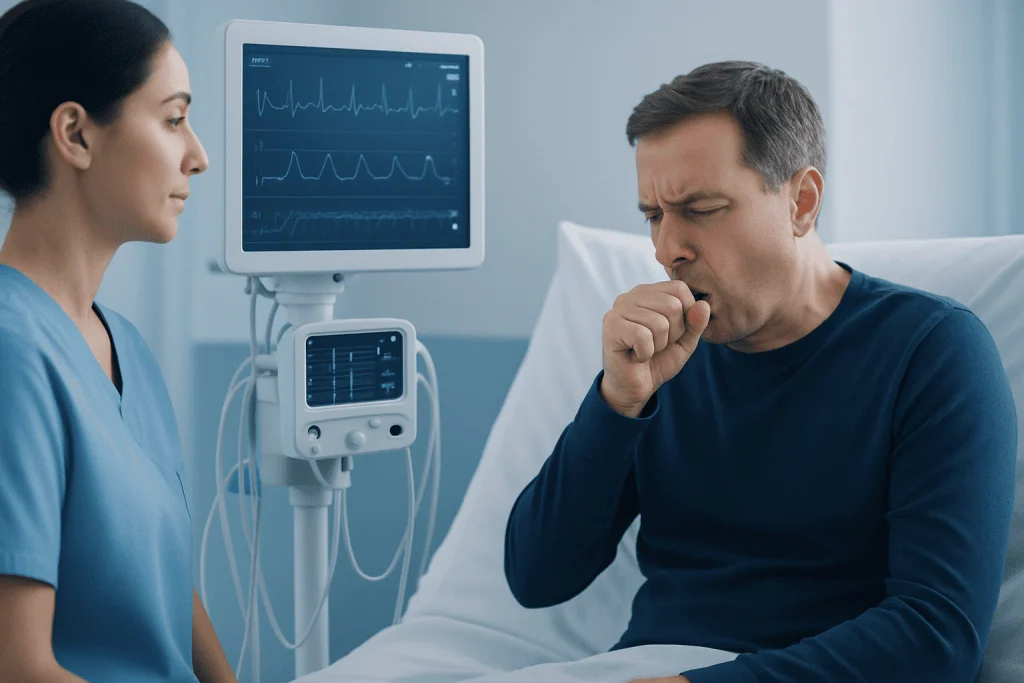
A cough that starts during swallowing or immediately afterward may suggest that food or liquid is entering the airway, or that the swallowing muscles are not coordinating effectively. This is more noticeable with thin liquids such as water, but some people cough more with dry, crumbly, sticky, or mixed-texture foods.
Coughing that develops several minutes after eating, particularly after large or rich meals, may be associated with gastroesophageal reflux. In reflux, stomach contents move back into the esophagus and can irritate the throat, voice box, or airways. Some people have heartburn or a sour taste, while others mainly notice throat clearing, hoarseness, or a persistent cough.
A cough that occurs only with a particular food may reflect irritation, an allergy, or less commonly an intolerance. Food allergy symptoms usually develop soon after exposure and may include hives, itching, swelling, vomiting, wheezing, or breathing difficulty. Breathing symptoms or swelling after eating require urgent medical attention.
Possible Causes of Coughing After Eating

One common cause is minor aspiration. This can occur when a small amount of food or drink briefly reaches the entrance of the airway. The cough usually clears it quickly. Repeated aspiration may occur when swallowing is affected by aging, dental problems, certain medicines, stroke, Parkinson’s disease, dementia, muscle disorders, or conditions affecting the throat and esophagus.
Reflux is another frequent explanation. Gastroesophageal reflux disease, often called GERD, may cause coughing after meals or when lying down. It can also cause burning behind the breastbone, regurgitation, a sensation of a lump in the throat, frequent throat clearing, or voice changes. Reflux can occur even without typical heartburn.
Structural or inflammatory conditions may also affect swallowing. Examples include narrowing of the esophagus, inflammation related to reflux or allergies, a pouch in the throat or esophagus, enlarged tonsils, and problems with the vocal cords. Infections, postnasal drip, asthma, or chronic lung disease may make the airways more sensitive and can make coughing after meals more noticeable.
In infants and young children, coughing during feeds can result from fast milk flow, feeding position, reflux, or swallowing coordination that is still developing. Persistent coughing, poor feeding, breathing changes, or poor weight gain in a child should be discussed promptly with a pediatric clinician.
Symptoms That May Accompany the Cough
Associated symptoms can help a healthcare professional distinguish between reflux, swallowing difficulties, allergy, and respiratory conditions. People may notice coughing or choking with drinks, food sticking in the throat or chest, repeated swallowing, wet or gurgly voice quality after meals, or a need to clear the throat frequently.
Symptoms more suggestive of reflux include heartburn, belching, sour fluid in the mouth, nausea, upper abdominal discomfort, hoarseness, or a cough that is worse at night. Symptoms that suggest a swallowing disorder can include taking much longer to finish meals, avoiding certain textures, drooling, unexplained weight loss, or discomfort while swallowing.
Aspirated material can sometimes lead to inflammation or infection in the lungs. Warning signs can include fever, increasing shortness of breath, chest discomfort, wheezing, fatigue, or a cough that produces mucus after a choking episode. Not everyone who aspirates coughs; this is known as silent aspiration and is more likely in some people with neurological or swallowing conditions.
- Note whether symptoms occur with solids, liquids, or both.
- Record whether coughing starts during meals, after meals, or when lying down.
- Pay attention to choking, voice changes, heartburn, fever, or unintentional weight loss.
How the Cause Is Diagnosed
Evaluation usually begins with a detailed medical history. A clinician may ask when the cough began, whether it happens with every meal, which food textures trigger it, and whether there is a history of reflux, allergies, lung disease, neurological conditions, surgery, or recent illness. They may also ask about smoking, alcohol use, and medicines that can contribute to dry mouth, reflux, or swallowing problems.
A physical examination may include listening to the lungs, examining the mouth and throat, and assessing the voice and neurological function. Depending on the symptoms, a person may be referred to an ear, nose, and throat specialist, gastroenterologist, pulmonologist, neurologist, or speech-language pathologist with swallowing expertise.
Tests are selected according to the suspected cause. They may include a swallowing assessment, a videofluoroscopic swallow study using moving X-ray images, a fiberoptic endoscopic evaluation of swallowing, upper endoscopy, reflux testing, chest imaging, or lung function testing. These tests help determine whether food is entering the airway, whether the esophagus is narrowed or inflamed, and whether reflux or another condition is contributing.
Treatment Options and Practical Self-Care
Treatment depends on the underlying cause. If swallowing difficulty is present, a speech-language pathologist may recommend specific swallowing techniques, safer positioning, pacing strategies, or changes in food and drink texture. These measures should be individualized; people should not begin thickened liquids or restrictive diets without professional advice, as they may not be appropriate for everyone.
When reflux is suspected, treatment may include meal-timing adjustments, dietary changes tailored to individual triggers, weight management where appropriate, and medicines recommended by a clinician. Avoiding lying down for at least two to three hours after meals may reduce reflux-related symptoms for some people. A doctor may investigate persistent symptoms to rule out esophageal inflammation or other causes.
While awaiting assessment, practical steps may help reduce coughing during meals. Taking small bites and sips, chewing thoroughly, eating slowly, minimizing distractions, and sitting upright with good support can be useful. It may also help to avoid talking or laughing with food in the mouth. If symptoms happen with a specific food, avoiding that food until medical advice is obtained is sensible.
For people with complex swallowing, digestive, respiratory, or neurological needs, coordinated care may be helpful. Acibadem International’s multidisciplinary specialists and JCI-accredited hospitals diagnose and treat swallowing and digestive conditions for international patients.
When to Seek Medical Care
A non-urgent medical appointment is appropriate when coughing after eating happens repeatedly, has lasted more than a few weeks, disrupts meals, or is becoming more frequent. Assessment is also important for food sticking, pain when swallowing, persistent hoarseness, recurrent heartburn, ongoing throat clearing, unexplained weight loss, or changes in appetite.
Prompt medical care is needed after a choking episode followed by fever, worsening cough, shortness of breath, wheezing, chest pain, or unusual tiredness, as these may indicate an airway or lung complication. Older adults and people with prior stroke, neurological disease, reduced alertness, or known swallowing problems should seek advice early if coughing during meals becomes recurrent.
Emergency help is needed if a person cannot breathe, cannot speak or cough effectively, develops blue or gray lips, has swelling of the lips, tongue, or throat, or has severe breathing difficulty after eating. These symptoms can signal airway blockage or a serious allergic reaction and should be treated as an emergency.
Frequently asked questions
Is coughing after eating normal?
An occasional cough after eating or drinking can happen when food briefly irritates the throat or enters the airway entrance. Frequent coughing, choking, or coughing with most meals is not something to dismiss, especially if it affects eating or is associated with breathing symptoms.
Why do I cough after drinking water?
Thin liquids can move quickly through the mouth and throat, making them harder to control for some people with swallowing difficulties. Coughing with water or other drinks may indicate that liquid is reaching the airway and should be discussed with a healthcare professional if it happens repeatedly.
Can acid reflux cause coughing after meals?
Yes. Reflux can irritate the esophagus, throat, or voice box and may trigger coughing after meals or when lying down. Some people with reflux-related cough do not experience obvious heartburn, so a clinical assessment may be needed if symptoms continue.
What is aspiration?
Aspiration occurs when food, drink, saliva, or stomach contents enter the airway or lungs instead of traveling safely down the esophagus. It may cause immediate coughing or choking, but some people experience silent aspiration without a noticeable cough.
Can allergies cause coughing after eating?
Food allergies can cause coughing or wheezing soon after eating, usually alongside other symptoms such as itching, hives, swelling, vomiting, or breathing difficulty. Swelling of the mouth or throat, trouble breathing, or faintness after eating requires emergency care.
How can I reduce coughing while eating?
Eating slowly, taking smaller bites, chewing well, sitting upright, and avoiding distractions can help reduce minor coughing episodes. If coughing persists, particularly with liquids or specific food textures, professional swallowing assessment is safer than making major dietary changes alone.
References
- National Institute of Diabetes and Digestive and Kidney Diseases
- American Speech-Language-Hearing Association
- American Academy of Otolaryngology–Head and Neck Surgery
- National Health Service
- Mayo Clinic
This article is for general information only and is not a substitute for professional medical advice. Please consult a qualified doctor about your individual situation.
Persistent digestive symptoms? Get evaluated in Turkey
JCI-accredited · board-certified surgeons · reply within 24h
Add us as a Preferred Source to see more of our trusted health content across Google Search, AI Overviews and Discover.