

Adrenal Nodule: A Complete Medical Overview

Most adrenal nodules are discovered incidentally on CT or MRI scans and are not cancerous. Testing focuses on whether the nodule makes excess hormones and what its imaging appearance suggests.
Key Takeaways
- Most adrenal nodules are discovered incidentally on CT or MRI scans and are not cancerous.
- Testing focuses on whether the nodule makes excess hormones and what its imaging appearance suggests.
- High blood pressure, low potassium, unexplained weight changes, sweating episodes, or easy bruising may point to hormone excess.
- Surgery may be considered for hormone-producing nodules, suspicious imaging findings, or selected larger growths.
- Follow-up plans are individualized according to imaging results, hormone tests, symptoms, and medical history.
An adrenal nodule is a small growth in or on one of the adrenal glands, often found unexpectedly during a scan performed for another reason. Many are harmless and do not cause symptoms, but medical assessment is important to determine whether the nodule produces excess hormones or has features needing closer evaluation.
What Is an Adrenal Nodule?
An adrenal nodule is an abnormal area of tissue within an adrenal gland. The adrenal glands are two small, triangular organs located above the kidneys. They produce hormones that help regulate blood pressure, the body’s stress response, salt and water balance, metabolism, and certain sex hormone functions.
These nodules are commonly found by chance during a CT scan, MRI scan, or other imaging test performed for back pain, abdominal symptoms, kidney concerns, or another unrelated reason. In this setting, clinicians may call the finding an adrenal incidentaloma. Finding a nodule does not by itself mean cancer or a need for surgery; it signals the need for a careful, structured assessment.
The most common type is an adrenal adenoma, a benign growth arising from the outer part of the gland, called the adrenal cortex. Some adenomas do not make hormones, while others can produce hormones in excess. Less commonly, an adrenal nodule may represent a cyst, bleeding within the gland, a hormone-producing tumor, spread from a cancer elsewhere in the body, or an adrenal cancer.
Why the Nodule's Hormone Activity Matters
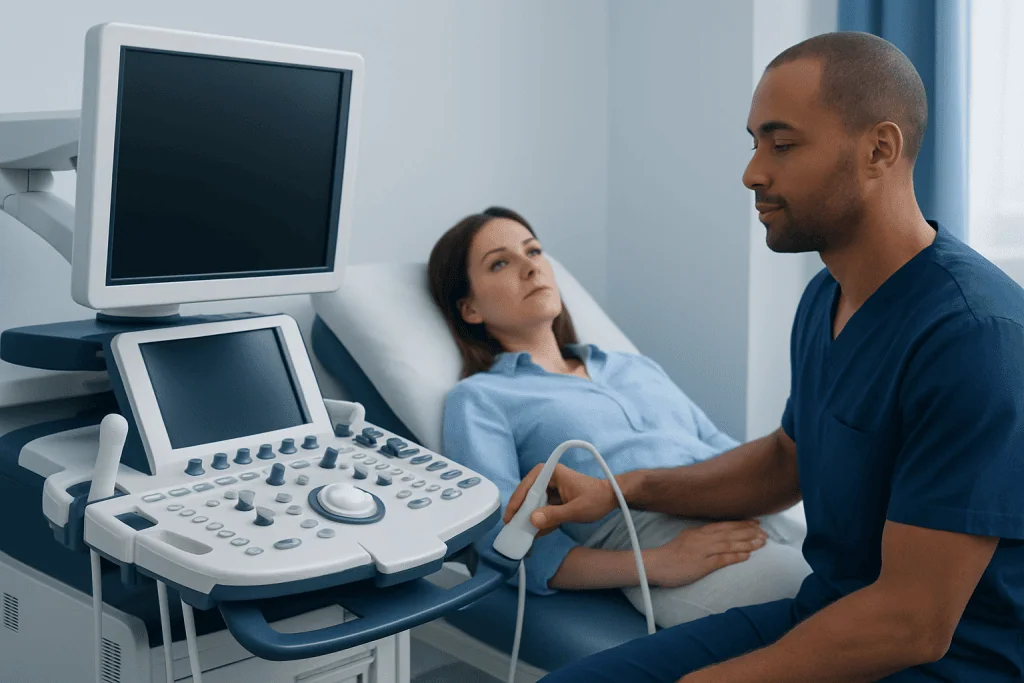
Doctors usually consider two main questions: does the nodule produce hormones, and does its appearance on imaging suggest a benign or potentially concerning cause? A nodule that does not release excess hormones is described as nonfunctioning. A functioning nodule produces one or more hormones in amounts that may affect health, even when symptoms are subtle.
Excess cortisol can contribute to weight gain around the abdomen, high blood pressure, high blood sugar, muscle weakness, thinning skin, easy bruising, and bone loss. In some people, cortisol excess is mild and does not cause the classic physical changes of Cushing syndrome, yet it may still be linked with metabolic or cardiovascular concerns.
Overproduction of aldosterone can cause high blood pressure and sometimes low potassium, which may lead to weakness, cramps, or palpitations. A pheochromocytoma is a less common adrenal tumor that releases stress hormones called catecholamines. It can cause episodes of headache, sweating, palpitations, shakiness, anxiety-like feelings, and high blood pressure, although symptoms and blood pressure patterns vary between individuals.
Possible Causes and Risk Factors

Many adrenal nodules occur without a clearly identifiable cause. Benign adrenal adenomas become more common with age and may be found in people who have no adrenal symptoms. Their discovery is often related to the increasing use of high-quality imaging rather than to a new health problem.
A previous or current cancer history changes the evaluation because some cancers can spread to the adrenal glands. This does not mean that every adrenal nodule in a person with cancer is a metastasis; benign adenomas are still common. However, the clinician may recommend a more detailed imaging review and may coordinate care with an oncology team where appropriate.
Rare inherited conditions can increase the likelihood of certain adrenal tumors, particularly pheochromocytoma. A family history of pheochromocytoma, paraganglioma, multiple endocrine tumors, or specific inherited cancer syndromes should be shared with the doctor. Prior injury, severe illness, infection, or bleeding can also sometimes create adrenal changes that appear as a nodule on imaging.
How an Adrenal Nodule Is Evaluated
Evaluation begins with a review of the scan that found the nodule. Its size, shape, density, borders, and behavior after contrast are useful clues. A CT scan designed for the adrenal glands or an MRI may help distinguish a lipid-rich benign adenoma from other lesions. Comparing the nodule with older scans, if available, can show whether it has remained stable over time.
Blood and urine tests are used to check for excess hormone production. Depending on the person’s health and scan features, testing may include screening for cortisol excess, blood or urine measurements for catecholamine-related hormones, and an aldosterone-to-renin assessment in people with high blood pressure or unexplained low potassium. The precise tests and their interpretation should be individualized, as some medicines and medical conditions can affect results.
An adrenal biopsy is not routinely the first step. It generally cannot reliably distinguish a benign adrenal adenoma from an adrenal cancer, and it can be unsafe if pheochromocytoma has not been excluded because disturbing such a tumor can trigger a dangerous blood-pressure surge. Biopsy may be considered in selected cases when there is a known cancer elsewhere, imaging is indeterminate, hormone testing is appropriate, and the result would change treatment.
Treatment Options and Monitoring
Treatment depends on the underlying diagnosis rather than on the word “nodule” alone. A small nodule with reassuring imaging characteristics and normal hormone testing often needs no treatment. Some people may be advised to have a follow-up scan or repeat hormonal assessment, while others may not need repeated testing if the initial evaluation is clearly reassuring. Recommendations vary according to the nodule’s features and the person’s health history.
Surgery to remove an adrenal gland, called adrenalectomy, may be recommended when a nodule produces clinically significant excess hormones, has imaging features that raise concern for cancer, grows in a concerning way, or causes symptoms related to its size. When surgery is appropriate, it is commonly performed using minimally invasive techniques, although open surgery may be needed in some situations.
Before treatment for a hormone-producing tumor, specialists may use medication to control blood pressure, heart rate, potassium levels, or other hormone-related effects. This preparation is particularly important for pheochromocytoma. Care may involve an endocrinologist, endocrine surgeon, radiologist, anesthesiologist, and, when needed, an oncologist. The care plan should account for the person’s age, other medical conditions, symptoms, and preferences.
Living Well While Evaluation Is Underway
There is no proven diet, supplement, or home remedy that shrinks an adrenal nodule. People should not stop blood pressure medicine, steroid medicine, or other prescribed treatment without medical advice. Certain medications can influence hormone test results, so it is useful to provide a complete list of prescriptions, over-the-counter medicines, herbal products, and supplements before testing.
Keeping a record of home blood pressure readings, symptoms, and their timing may help the clinical team, especially when there are episodes of palpitations, sweating, headaches, or dizziness. Regular health habits such as balanced eating, physical activity suited to the person’s condition, sleep, and management of diabetes or high blood pressure support overall health but do not replace adrenal evaluation.
It can be reassuring to remember that an incidental finding is not automatically an emergency. Asking for a clear explanation of the imaging report, planned hormone tests, and follow-up schedule can help patients understand what happens next. Acibadem International’s multidisciplinary specialists and JCI-accredited hospitals evaluate and treat adrenal conditions for international patients when specialist care is needed.
When to Seek Medical Care
A person should arrange a medical appointment after learning that an adrenal nodule has been found, even if they feel well. Timely review helps determine whether the scan has reassuring features and whether hormonal testing is needed. People with a history of cancer should make sure the clinician who manages their cancer is aware of the finding.
Prompt medical assessment is important for repeated episodes of severe headache with sweating, rapid heartbeat, marked shakiness, or very high blood pressure; new unexplained low potassium; or symptoms of significant hormone excess such as progressive muscle weakness, easy bruising, or worsening diabetes and blood pressure. These symptoms have many possible causes, but they should not be ignored.
Emergency care is appropriate for severe chest pain, fainting, severe shortness of breath, new confusion, sudden weakness, or symptoms of a hypertensive emergency. These symptoms are not specific to adrenal disease, but urgent evaluation is necessary. For non-urgent concerns, an endocrinologist or the clinician who ordered the scan can guide the next steps.
Frequently asked questions
Is an adrenal nodule usually cancer?
Most adrenal nodules are benign, particularly when they have imaging features typical of an adrenal adenoma. However, imaging findings, hormone tests, size, growth over time, and a person's cancer history all help determine the level of concern. A clinician can explain what the specific scan result means.
Can an adrenal nodule cause fatigue?
An adrenal nodule itself may not cause symptoms, especially if it is nonfunctioning. Fatigue can occur with many health conditions and, in some cases, may accompany hormone imbalance. Testing is needed to determine whether the adrenal gland is contributing.
What size adrenal nodule needs surgery?
Size is one factor, but it is not the only reason for surgery. Doctors also consider whether the nodule makes excess hormones, its detailed imaging appearance, whether it changes over time, and the person's overall health. A nodule with concerning features may need treatment regardless of size, while a larger benign-looking nodule may be managed individually.
Can an adrenal nodule disappear on its own?
A true adrenal adenoma usually does not disappear, although it may remain stable for years without causing problems. Some adrenal findings related to bleeding, inflammation, or infection can change or resolve over time. Follow-up imaging, when recommended, helps clarify this.
Will I need a biopsy for an adrenal nodule?
Most people do not need an adrenal biopsy. CT or MRI characteristics and hormone tests often provide the necessary information. If biopsy is being considered, doctors first evaluate for pheochromocytoma because biopsy can be risky when that condition is present.
Which doctor treats an adrenal nodule?
An endocrinologist commonly leads the hormonal evaluation of an adrenal nodule. Depending on the findings, care may also involve an endocrine surgeon, radiologist, oncologist, or primary care clinician. A multidisciplinary approach is especially helpful for hormone-producing or indeterminate nodules.
This article is for general information only and is not a substitute for professional medical advice. Please consult a qualified doctor about your individual situation.
Explore treatments in Turkey — costs, top hospitals & a free quote
JCI-accredited · board-certified surgeons · reply within 24h
Add us as a Preferred Source to see more of our trusted health content across Google Search, AI Overviews and Discover.
Check your numbers in seconds
BMI, calories, due date, blood pressure and 30+ more clinical calculators — free, instant, doctor-reviewed ranges.

More from the Health Library

Apple Vinegar Warts: What Patients Need to Know

Atropine Eye Drops: A Complete Medical Overview

Aquagenic Urticaria: A Complete Medical Overview

Endothelium: What Patients Need to Know

Untreated UTI: Procedure, Recovery and Results

Buddy Taping — Explained by Medical Evidence, Not Myths
Endocrinology Specialists at Acibadem

Prof. Dr. Rüştü Serter
Endocrinology
Assoc. Prof. Dr. Savaş Karataş
Endocrinology
Assoc. Prof. Dr. Seher Tanrıkulu
Endocrinology
Assoc. Prof. Dr. Sinan Kırım
Endocrinology